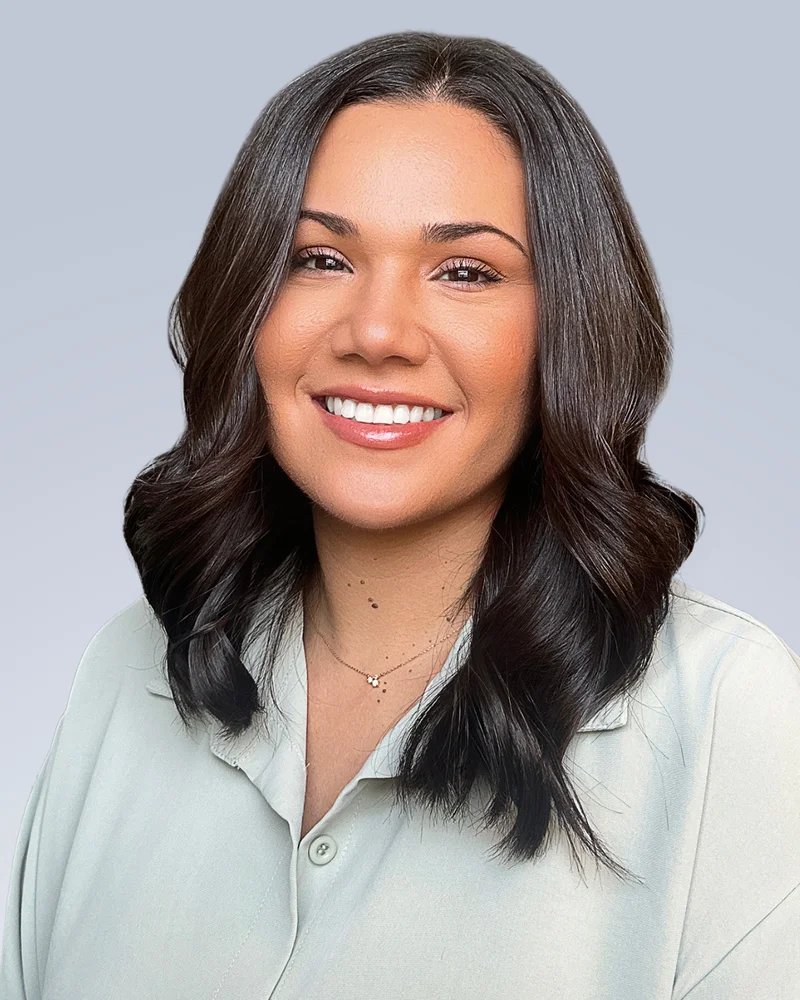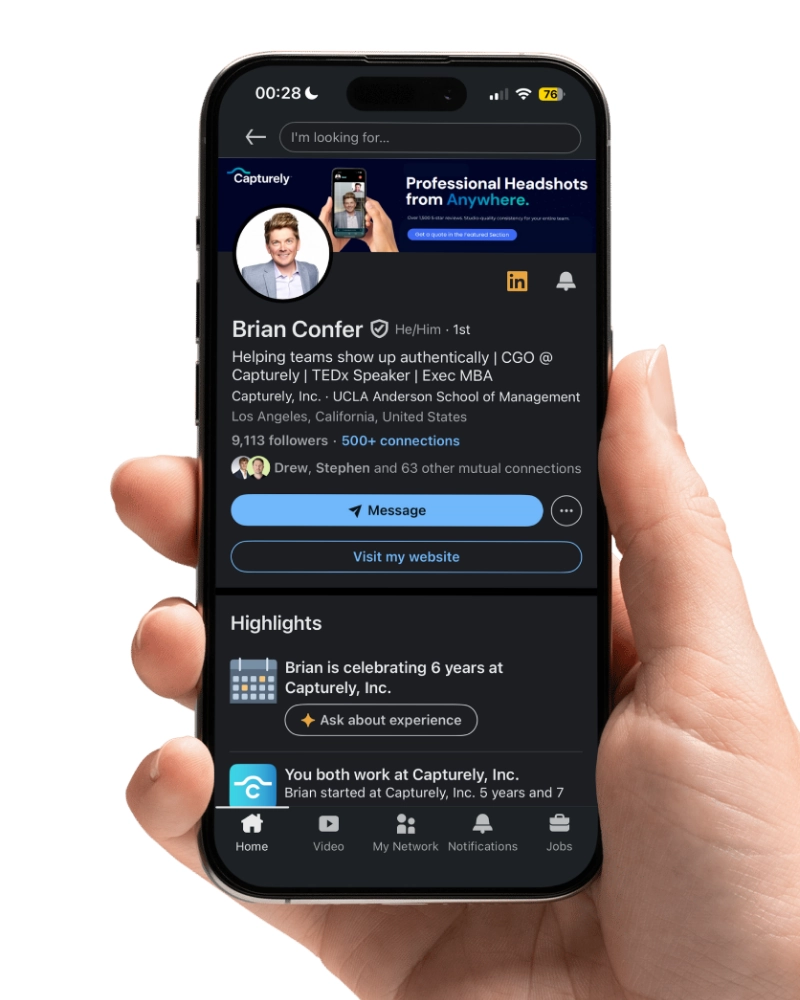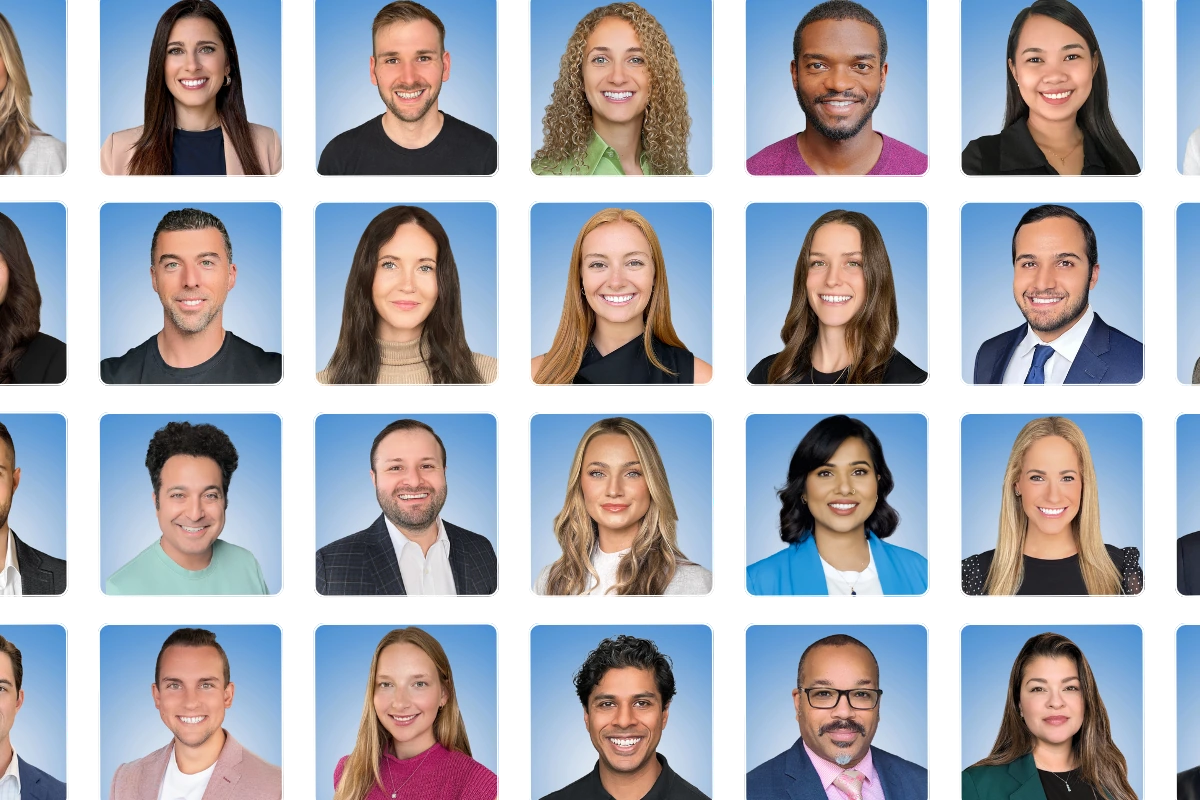
Executive headshots are professionally photographed portraits of C-suite leaders, board members, and senior executives—designed to project authority, trust, and approachability across investor decks, annual reports, company websites, LinkedIn profiles, and press features. Unlike standard corporate headshots, executive portraits demand longer sessions, more deliberate styling, and a photographer who understands how to balance gravitas with warmth. For leadership teams, consistency across every executive’s image is the differentiator between a polished brand and a patchwork of mismatched photos.
Last updated: March 2026
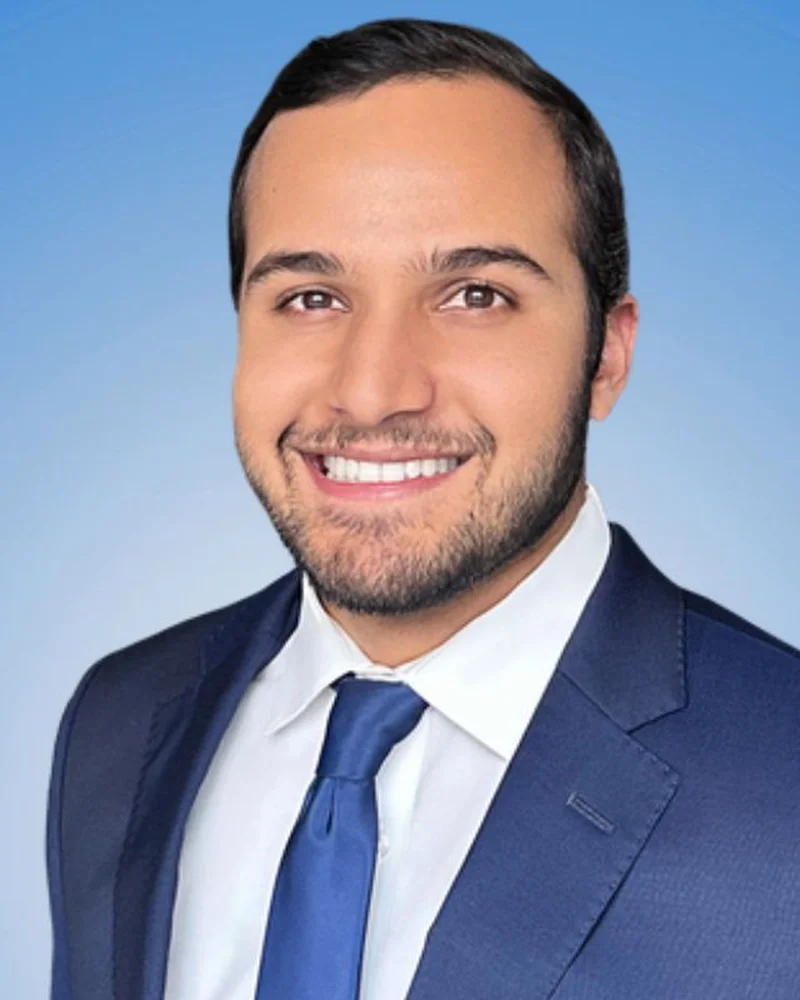
People form trust judgments within 100 milliseconds of seeing a face (Willis & Todorov, Psychological Science, 2006). For executives, those milliseconds carry outsized weight—the photo on your leadership page, your investor deck, or your LinkedIn profile shapes how clients, board members, and potential hires perceive you before you say a word. Research from Graham, Harvey, and Puri published in Management Science (2016) found that CEOs who appear more “competent” facially receive higher compensation, particularly outside hires. Your headshot isn’t vanity. It’s a business asset.
This guide covers what separates executive headshots from standard corporate photos, how to coordinate your leadership team, when to refresh, what it costs, and how Capturely delivers executive-quality results through virtual sessions—drawing on 100,000+ headshots delivered to teams at Google, Netflix, McKinsey, Amazon, Microsoft, and Capital One.
Why Executive Headshots Are Different From Standard Corporate Photos
A corporate headshot serves a team. An executive headshot serves a leader. The goals are different, and the photography should reflect that.

Corporate headshots prioritize consistency—same background, same lighting, same crop for everyone on the team page. Speed matters because you’re shooting 20, 50, or 200 people in a single day. The result: clean, uniform, professional. But interchangeable.
Executive headshots prioritize individuality. The CEO’s portrait needs to convey strategic vision. The CFO’s needs to project trustworthiness. The CTO’s might lean slightly more creative. Each one should feel distinctive while still belonging to the same visual family.
| Dimension | Executive Headshot | Standard Corporate Headshot |
|---|---|---|
| Purpose | Showcase individuality and leadership presence | Create cohesive, consistent team look |
| Session time | Longer—multiple looks, expressions, angles | Quick—5 to 15 minutes per person |
| Customization | Highly individualized per executive | Standardized across all employees |
| Wardrobe | Formal suits, structured attire, authority colors | Business casual to professional |
| Expression | Composed, confident, direct gaze | Friendly smile, relaxed energy |
| Usage | Investor decks, annual reports, press, leadership page, speaking bios | Team pages, email signatures, Slack, directories |
| Audience | Investors, media, clients, board, recruits | Colleagues, clients, internal systems |
According to Chris Gillett, headshot photographer and expression coach featured in Authority Magazine, “Your headshot is more than a picture—it’s your visual handshake, and if it doesn’t inspire trust and connection, it’s holding you back.”
The difference matters financially. Consistent brand presentation—including executive imagery—increases revenue by 23% on average (Lucidpress/Demand Metric, 2019). When your leadership page looks like it was photographed across five different decades, that brand consistency breaks down fast.
What Makes an Executive Headshot Look Executive
Three things separate a great executive headshot from a generic professional photo: authority, approachability, and gravitas—simultaneously.

Expression: Composed, Not Stiff
The biggest mistake in executive photography is conflating “professional” with “stern.” A direct gaze with a slight, natural smile projects confidence without coldness. The Photofeeler research team analyzed 60,000+ ratings across 800 profile photos and found that formal dress increases perceived competence by +0.94 and perceived influence by +1.29 on a normalized scale (Photofeeler, 2014). But competence without warmth reads as unapproachable. The best executive headshots nail both.
Modern photographers coach “micro-expressions”—small adjustments to the jaw, brow, and mouth that create presence without rigidity. This replaces the old “say cheese” approach that produced the same wooden smile across an entire leadership team.
Wardrobe: Structured and Intentional
Executive headshot wardrobe follows tighter rules than general professional photos:
- Solid colors in navy, charcoal, and black signal authority. These are the colors that appear on boardroom tables and investor stages for a reason.
- Well-tailored fit matters more than the brand. A perfectly fitted blazer from a mid-range label photographs better than an ill-fitting luxury suit.
- Minimal accessories. Stud earrings, classic watch, understated tie. Nothing that pulls focus from the face.
- Matte fabrics over shiny ones. Wool blends, cotton, brushed textiles absorb light cleanly. Satin and polyester create hot spots that look cheap on camera.
- Bring 2–3 options. One dark/formal, one with a pop of color, one business casual. This gives you versatility for different contexts.
For a complete wardrobe guide with color-by-industry recommendations, see our what to wear for professional headshots breakdown.
Backgrounds: Darker Tones Dominate
The 2026 trend in executive headshot backgrounds is clear: darker neutral tones. Charcoal, deep navy, and near-black backgrounds are replacing the mid-gray and light blue that dominated for years. Darker backgrounds frame the eyes, simplify composition, and project seriousness without the cold clinical feel of pure white.
That said, the right background depends on context. A CEO speaking at a tech conference might want something modern and clean. A hospital system CMO might want something warm and approachable. A managing partner at a law firm wants traditional authority. With Capturely’s 98+ background options, executives can choose backgrounds that match both their brand and their industry’s expectations.
Executive-quality headshots, no studio visit. Capturely’s live photographers direct your session in real time—coaching posture, expression, and lighting. 10 minutes, 3 edited images, 24-hour delivery. Schedule your session →
Executive Headshot Styles: Modern, Formal, and Environmental
Not every C-suite leader needs the same style. The right approach depends on your industry, your brand, and where the headshot will be used.
Modern Relaxed
Open collar, blazer, approachable expression. Slightly wider framing (head-and-shoulders to waist-up). Best for tech founders, creative agency leaders, startup CEOs, and any executive whose brand leans more “innovative” than “institutional.” This style photographs particularly well against teal, blue, and lighter neutral backgrounds.
Traditional Formal
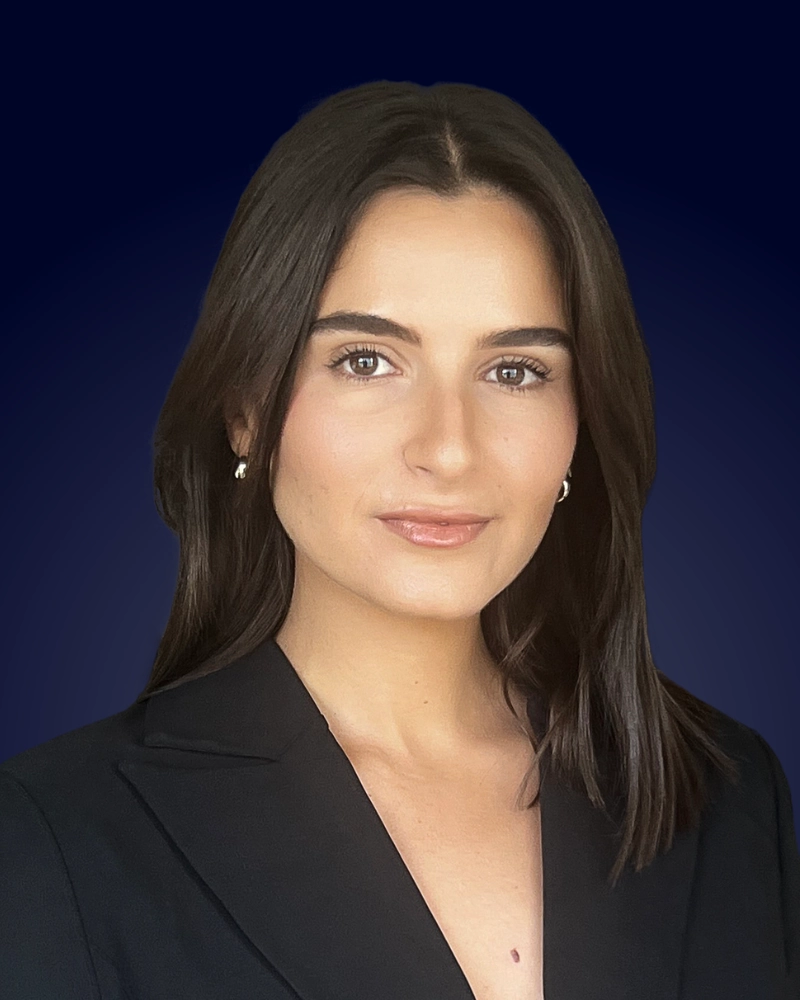
Full suit and tie (or structured blazer), tight head-and-shoulders crop, dark background, direct gaze. Best for financial services, law firms, healthcare systems, and publicly traded companies where investor materials and annual reports demand a polished, serious look. This is still the default for board member headshots in most industries.
Environmental
The executive photographed in context—their office, a boardroom, or a workspace—with controlled depth of field that keeps the environment visible but blurred. Environmental executive portraits are growing in popularity for founders, CEOs doing press interviews, and speakers whose brand is tied to a specific industry or workspace. The challenge: environmental shots are harder to make consistent across a full leadership team.
Which Style for Which Industry?
| Industry | Recommended Style | Why |
|---|---|---|
| Financial services | Traditional formal | Trust and authority are non-negotiable for fiduciary relationships |
| Law firms | Traditional formal | Clients expect gravitas; partner pages set the tone for the firm |
| Healthcare | Modern relaxed or traditional | Balance authority with approachability for patients and staff |
| Technology | Modern relaxed | Formality can read as out of touch in tech culture |
| Consulting | Traditional formal to modern relaxed | Depends on client base—enterprise clients expect polish |
| Startups / VC-backed | Modern relaxed or environmental | Personality and vision matter more than corporate conformity |
| Nonprofit | Modern relaxed | Warmth and approachability drive donor trust |
For more on how industry expectations shape headshot choices, we cover financial advisor headshots, consultant headshots, and tech company headshots in separate guides.
How to Coordinate Leadership Team Headshots
This is where most organizations struggle—and where the gap between “we have executive headshots” and “our leadership page looks cohesive” is widest.
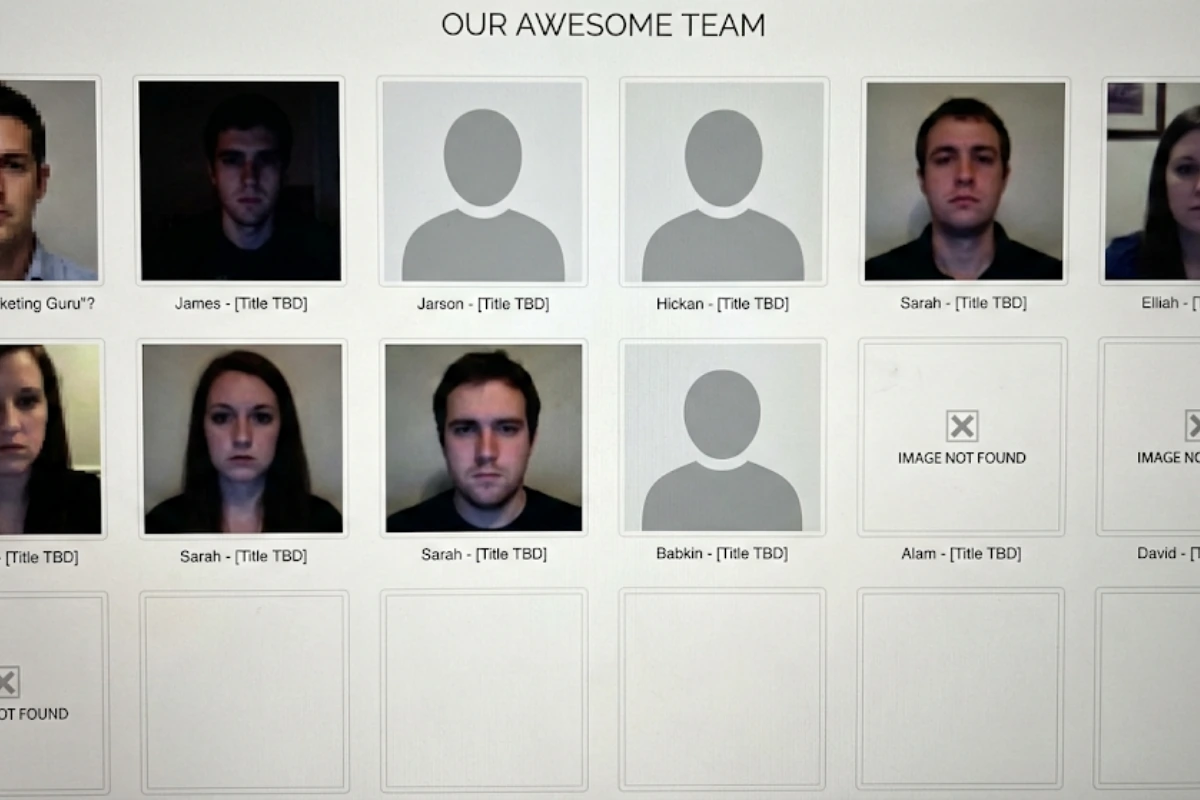
The problem is logistics. Your CEO is in New York. Your CFO is in Chicago. Your CTO works from home in Austin. Your board members are scattered across four time zones. Getting everyone in front of the same photographer, on the same day, with the same background and lighting setup is somewhere between impractical and impossible.
The result? Leadership pages that look like this: one executive photographed in 2019 against a blue backdrop, another in 2022 with a white background, a third using a cropped conference photo, and a board member whose headshot is clearly an AI-generated approximation. According to Stanford’s Web Credibility Research (2002), 75% of people judge a company’s credibility based on its website design—and mismatched executive photos are one of the fastest credibility killers.
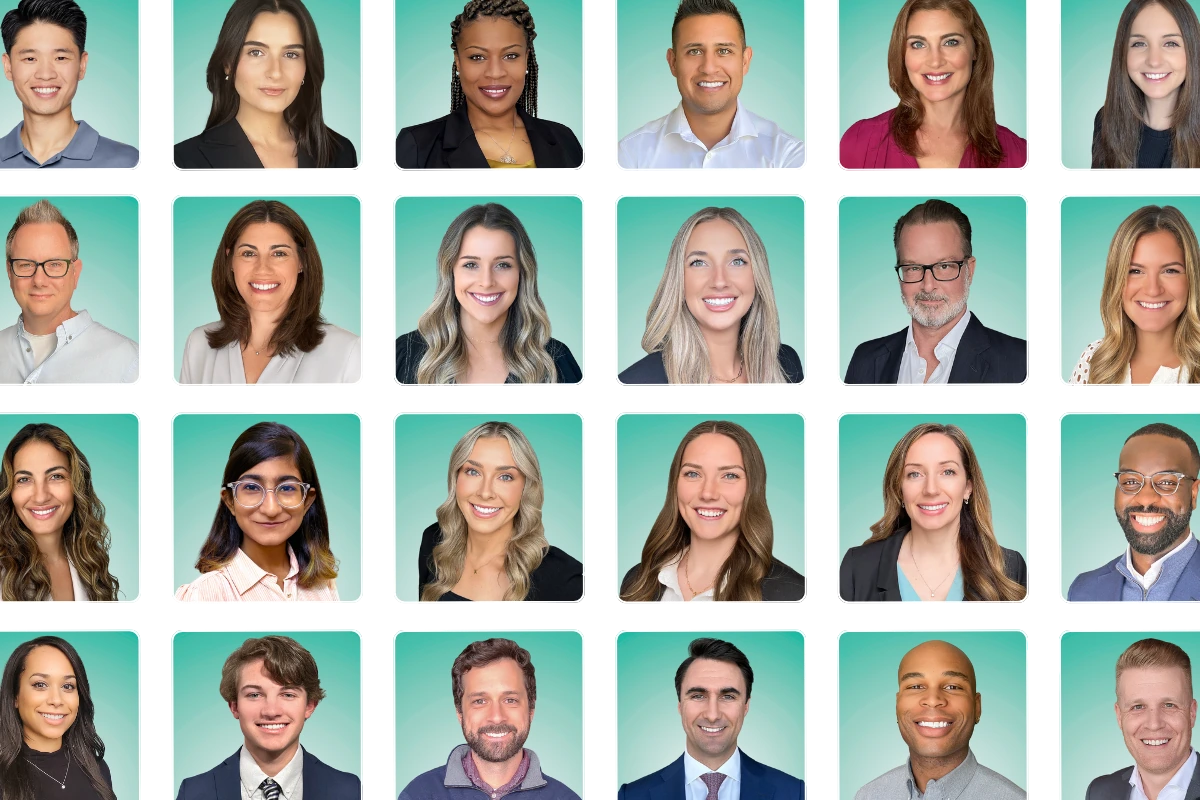
What Consistency Actually Requires
- Same background family. Not necessarily identical backgrounds, but from the same palette—all dark tones, all neutrals, or all brand-matched.
- Same crop and framing. Head-and-shoulders for everyone, or waist-up for everyone. Mixing crops on a single page looks sloppy.
- Same retouching standards. One executive with heavy skin smoothing next to another with no retouching creates a visual disconnect.
- Same lighting direction. Light from the left for everyone, or Rembrandt lighting across the board. Mixed lighting directions make a team grid feel random.
- Wardrobe cohesion. Not a uniform, but a guideline. As Cécilia Vernhes of BBGI shared when onboarding her team with Capturely: “Our CEO doesn’t want everybody to wear a tie—that looks too formal. But he would appreciate a form of coherence amongst people.”
For a detailed playbook on managing this process organizationally, our HR guide to team headshot programs covers scheduling, communication templates, and adoption strategies.
When Do Executives Need New Headshots?
The general rule for executives: every 12 to 18 months, or immediately when triggered by specific events. Standard corporate headshots can last 2–3 years. Executive headshots can’t—they’re too visible, used in too many high-stakes contexts, and compared against real-life meetings too frequently.
Seven Triggers for an Executive Headshot Refresh
- Promotion or role change. A new title means new contexts—investor meetings, press, board presentations—where an outdated photo undermines the new authority.
- Board appointment. Board pages on publicly traded company websites are scrutinized by institutional investors, proxy advisors, and regulatory bodies. An outdated or low-quality headshot stands out.
- Merger, acquisition, or rebrand. When the brand changes, every visual asset should too. Executive headshots from the pre-merger era signal “we haven’t fully committed to the new identity.” Our merger and rebrand headshot guide covers the full playbook.
- Fundraising or IPO preparation. Pitch decks, data rooms, and roadshow materials all feature executive photos. Investors notice quality.
- Keynote speaking or media appearances. Conference organizers request headshots for programs and event marketing. Outdated photos create a jarring disconnect when attendees meet you in person.
- Significant appearance change. New glasses, different hairstyle, facial hair change, or weight change. A headshot that doesn’t look like you anymore damages trust before the first handshake.
- It’s been more than two years. Photography styles evolve, and so do you. A headshot from 2023 can look dated in 2026—not because of your face, but because of lighting and styling trends that have shifted.
For the full ROI case behind keeping executive photos current, see our ROI of professional team headshots analysis.
Executive Headshots Without the Studio Visit
The traditional executive headshot process goes like this: schedule a photographer, block 2–4 hours on the calendar, coordinate hair and makeup, travel to a studio (or arrange for the photographer to come on-site), wait for 2–4 weeks of editing, pay $400–$850+ per session in a major metro. For a single CEO, that’s manageable. For a 12-person leadership team scattered across offices? It becomes a logistical nightmare.
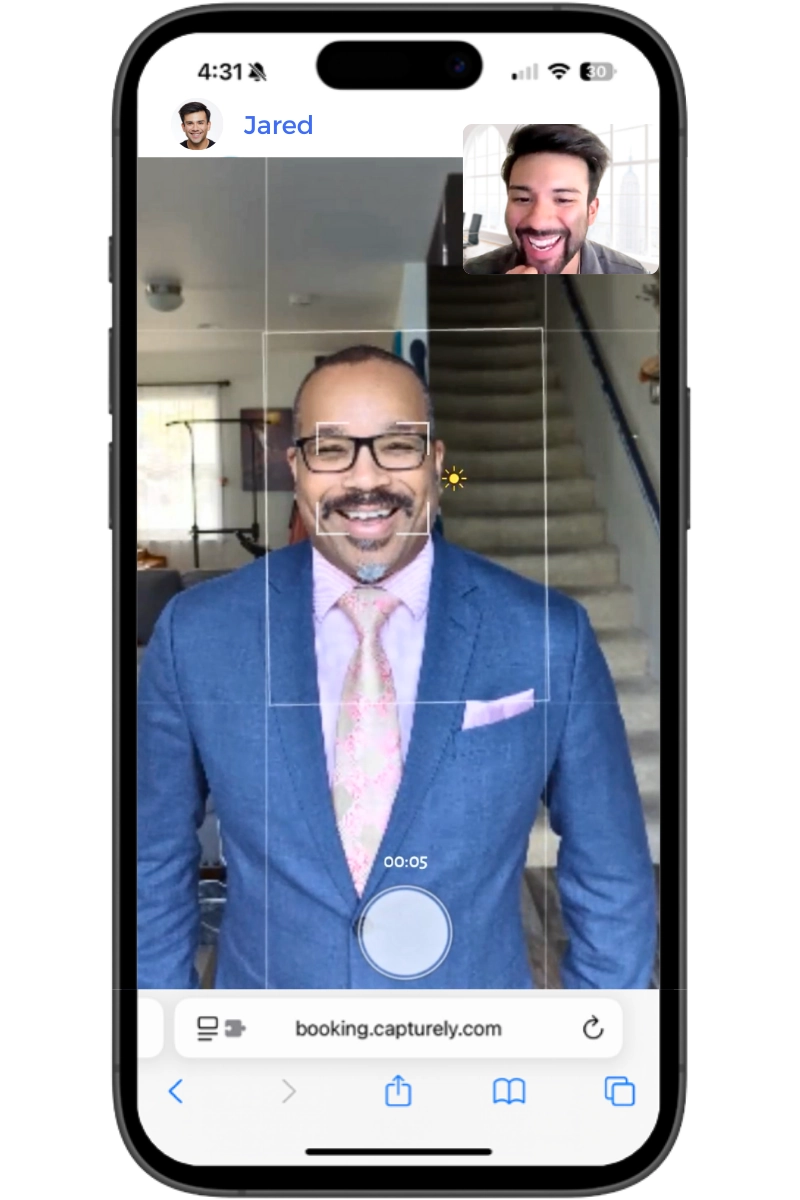
Capturely solves this with virtual sessions that deliver executive-quality results in 10 minutes, from anywhere. Here’s how it works:
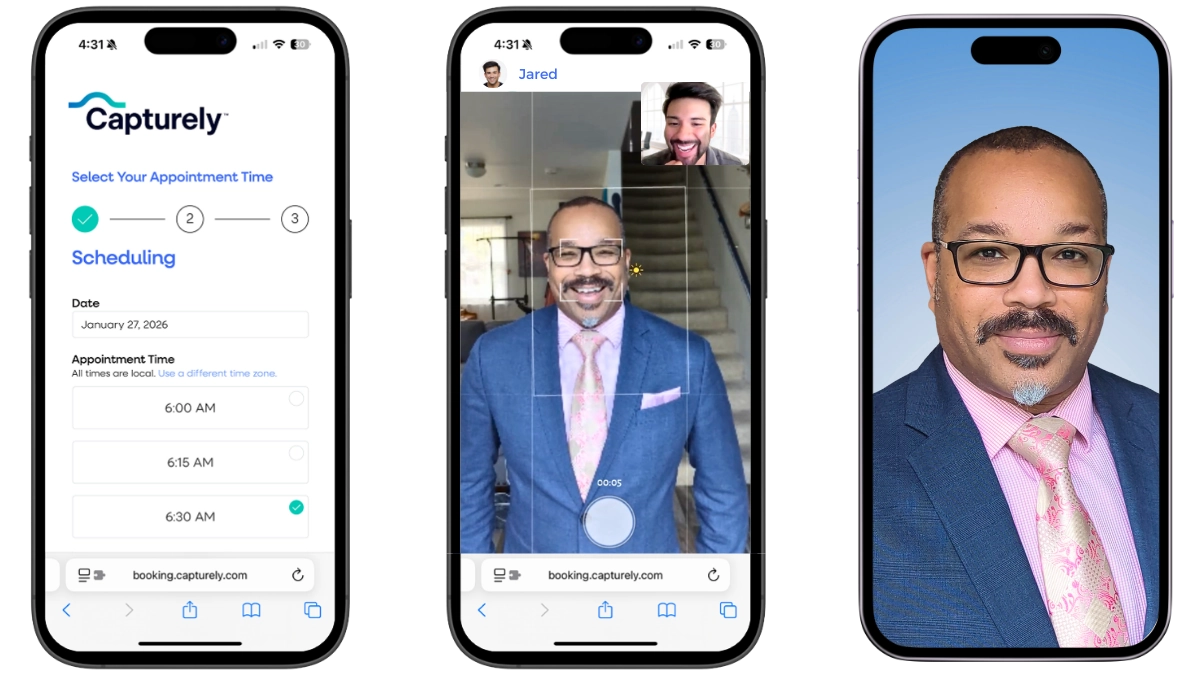
- Click a link. No app download. No software installation. The executive opens a secure link on their phone.
- Connect with a live photographer. A professional photographer directs the session in real time through the phone’s rear camera (36–48 megapixels). They coach posture, jaw angle, expression, and find the best lighting in whatever space the executive is in.
- Get 3 edited images in 24 hours. Three fully retouched headshots—left angle, right angle, straight-on—delivered the next day. Unlimited retouching revisions and a happiness guarantee.
One Capturely client described the process: “I did it with an executive to see how it would go. It went really well. People really like it” (Evelyn Arroyo, 2025). Another organization started with leadership before rolling out company-wide: “Leadership has done it—now we’re extending it to a larger crowd” (Lizzie Stevenson, 2025).
What Virtual Executive Sessions Cost
| Option | Price Range | What You Get |
|---|---|---|
| Traditional studio (major metro) | $400–$850+ | 30–60 min session, 3–10 edited images, 2–4 week delivery |
| On-site photographer (team day) | $2,500–$6,000 per day | $125–$275 per person, requires everyone in one location |
| Capturely virtual session | $79/session ($45–$79 for teams) | 10 min, 3 edited images, 24-hour delivery, 98+ backgrounds |
| AI-generated headshots | $20–$50 | Not real photographs—increasingly flagged by stakeholders |
For a full cost comparison across every option, see our professional headshot pricing guide.
Your leadership team’s headshots, coordinated across every location. Same quality, same backgrounds, same 24-hour turnaround—whether your executives are in New York, London, or working from home. Teams save up to 45%. Get a quote →
Why AI Headshots Don’t Work for Executives
AI headshot generators cost $20–$50 and take five minutes. For a mid-level employee’s Slack profile, they might be fine. For an executive? They’re a liability.
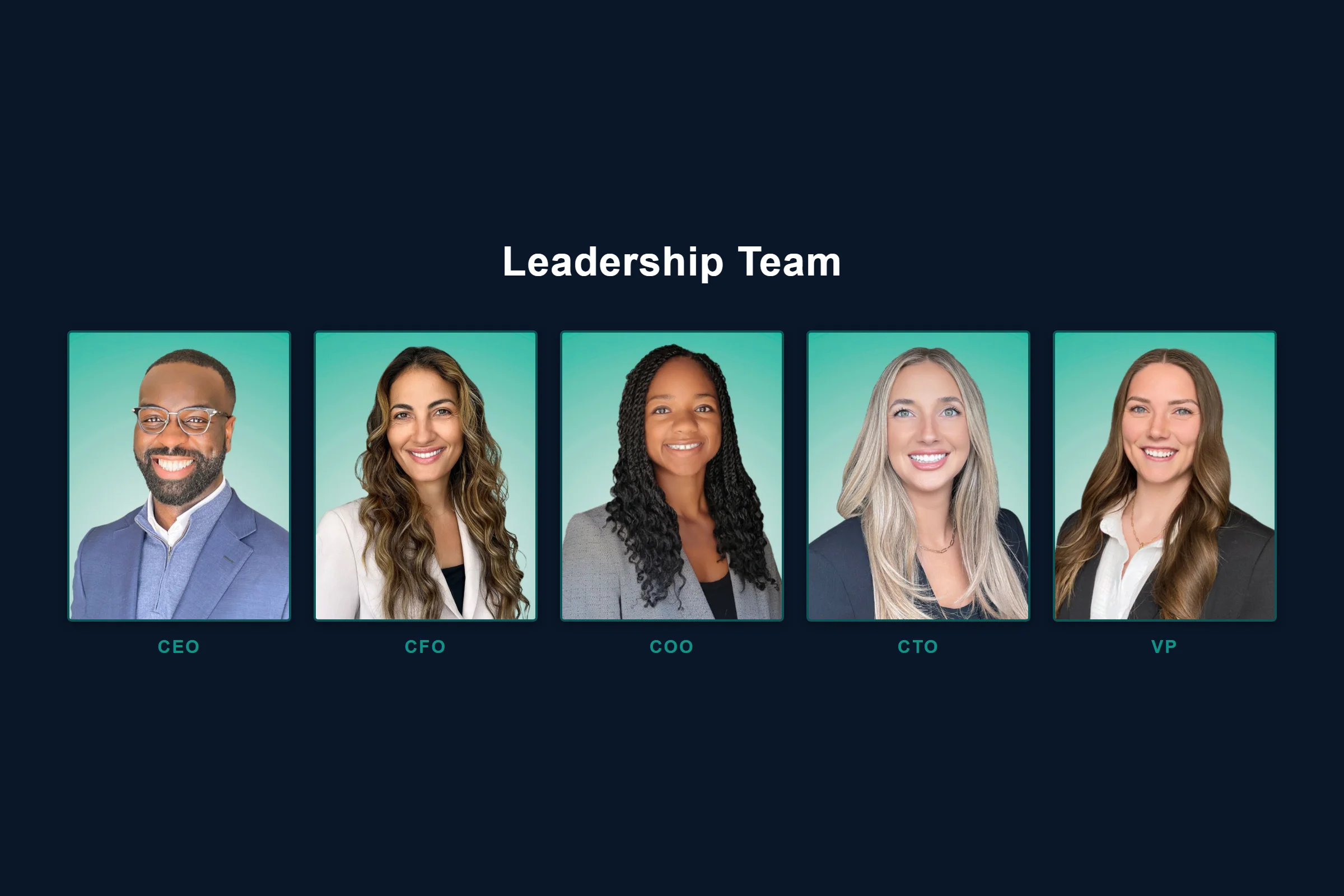
The issues compound at the C-suite level:
- Investors notice. Due diligence teams reviewing pitch decks, proxy statements, and board pages can spot AI-generated headshots. The uncanny smoothness, the identical lighting, the too-perfect symmetry—these are red flags for anyone evaluating trustworthiness. Seventy-one percent of recruiters and buyers reject candidates based on visual red flags in profile photos alone (SalesSo, 2025).
- AI headshots don’t look like you. They look like a slightly better, slightly different version of you. When a board member meets you in person and you look nothing like your photo, you start the relationship with a credibility gap.
- Enterprise companies are banning them. Multiple Fortune 500 companies now require that professional images used on company websites and investor materials be genuine photographs, not AI-generated content.
Chris Gillett puts it directly: “Executives who show up online with blurry iPhone selfies or, worse, AI-generated headshots are basically saying, ‘I don’t take myself seriously.’ I’ve watched clients flourish after updating their professional headshots because perception creates opportunity” (Authority Magazine).
For the full case against AI headshots in professional contexts, see our AI vs real headshots comparison.
Executive Headshot Examples by Role
Different executive roles call for different photographic approaches. Here’s what works by position.
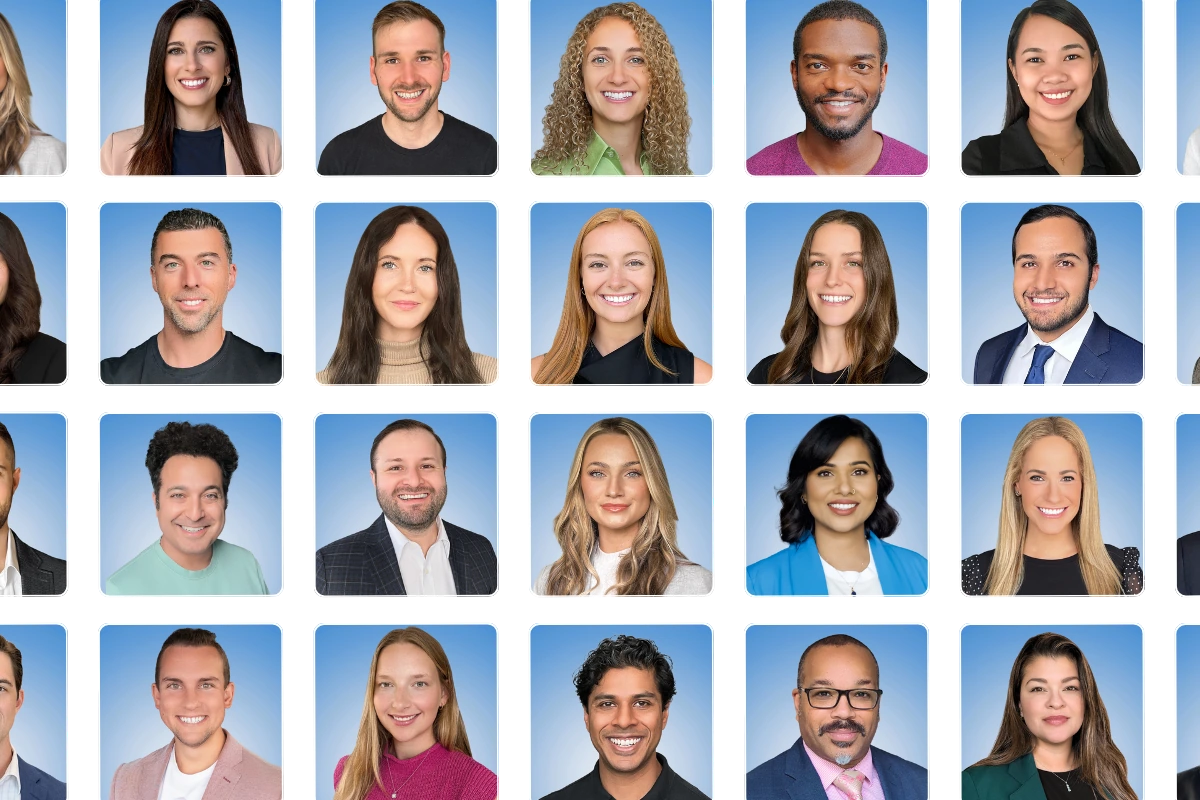
CEO / President
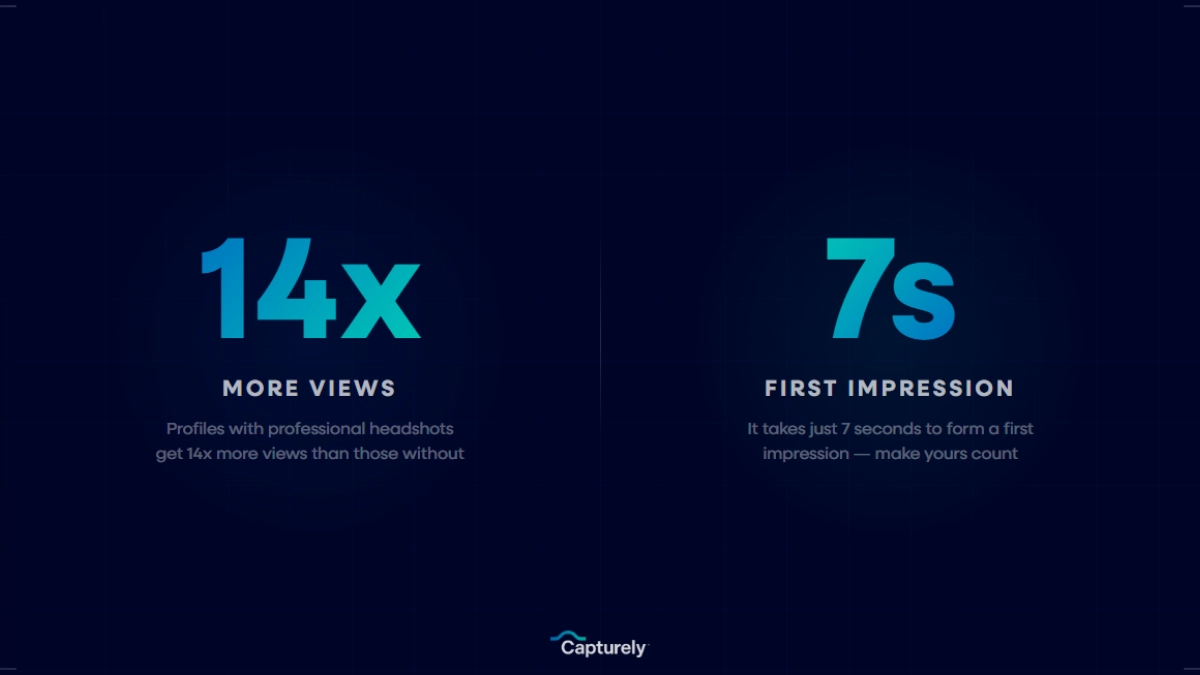
The most visible executive headshot in any organization. This photo will appear on the company website, in press releases, investor decks, conference programs, and media interviews. Lean toward confident directness—direct gaze, composed expression, dark background, formal or polished business attire. LinkedIn profiles with professional headshots receive 21x more views and 36x more messages (LinkedIn, 2017). For a CEO, those views are from investors, partners, and enterprise prospects.
CFO / COO
Trust and precision. The CFO’s headshot shows up in financial filings, earnings materials, and banking relationships. Traditional formal style typically works best—suit, neutral or dark background, steady expression that reads as reliable. Avoid anything that might look overly casual or overly staged.
CTO / Chief Product Officer
Modern relaxed often fits better here—blazer without a tie, cleaner background, slightly warmer expression. Tech leaders whose headshots look like a Wall Street managing director can create a disconnect with their engineering teams and the startup culture they represent.
Board Members
Board headshots appear in proxy statements, annual reports, and governance pages. Traditional formal is the default. The key requirement: every board member’s headshot should match in style, background family, and crop. A board page with six different visual styles signals disorganization at the governance level.
Managing Partners (Law, Consulting, PE)
Authority is paramount. Dark backgrounds, formal attire, direct gaze. Managing partner headshots often appear in pitch books, RFP responses, and deal tombstones. Quality signals institutional credibility. For law-firm-specific guidance, see our law firm headshots guide.
Browse dozens more styles across industries in our professional headshot examples gallery.
765+ reviews at 4.9 stars. Capturely has delivered executive headshots to teams at Google, Amazon, McKinsey, KPMG, and HCA Healthcare. $79/session for individuals, teams save up to 45%. See examples →
Frequently Asked Questions
What is an executive headshot?
An executive headshot is a professionally photographed portrait designed specifically for C-suite leaders, board members, and senior executives. It differs from standard corporate headshots in session length, wardrobe formality, lighting direction, and intended use—appearing in investor decks, annual reports, press features, and leadership pages rather than team directories.
How much do executive headshots cost?
Traditional in-studio executive headshots cost $400–$850+ per session in major metros like New York, LA, and San Francisco. On-site corporate photography days run $2,500–$6,000 for a full day. Virtual executive headshots with Capturely cost $79 per session ($45–$79 for teams), include 3 edited images with 24-hour delivery, and require no studio visit or travel.
What should executives wear for headshots?
Solid colors in navy, charcoal, or black work best. Choose well-tailored suits or structured blazers in matte fabrics like wool or cotton. Avoid busy patterns, shiny polyester, and large accessories. Bring 2–3 outfit options—one formal, one with a pop of color, one business casual—so your photographer can advise based on lighting and background choice.
How often should executives update their headshots?
Every 12 to 18 months, or sooner when triggered by a promotion, board appointment, merger, fundraise, keynote speaking engagement, or significant appearance change. Standard corporate headshots can last 2–3 years, but executive photos appear in too many high-stakes contexts to go stale. A mismatch between your headshot and your real appearance erodes trust.
What is the difference between executive headshots and corporate headshots?
Corporate headshots prioritize team consistency—same background, lighting, and crop for every employee. Executive headshots prioritize individual presence—longer sessions, more deliberate styling, multiple expressions, and customized backgrounds. The audience is also different: corporate headshots serve internal and team-level contexts, while executive headshots face investors, media, and clients.
Can executives get professional headshots virtually?
Yes. Virtual headshot services like Capturely connect executives with a live professional photographer who directs the session through the phone’s rear camera (36–48 megapixels) in real time. Sessions take 10 minutes, require no app download or travel, and deliver 3 fully edited images within 24 hours. This is how distributed leadership teams get consistent results without coordinating studio visits across multiple cities.
Are AI headshots appropriate for executives?
No. AI-generated headshots create authenticity and trust risks at the executive level. Investors, board members, and enterprise clients can spot AI-generated photos, and the disconnect between an AI image and real-life appearance damages credibility. Multiple Fortune 500 companies now require genuine photographs for leadership and investor materials. For executives, real photography is the only credible option.
How do you coordinate headshots for a distributed leadership team?
Virtual headshot platforms solve the coordination problem for distributed teams. Each executive completes a 10-minute session from their own location on their own schedule. A single photographer network and consistent editing process ensure matching backgrounds, lighting direction, crop ratios, and retouching standards—even when the CEO is in New York and the CTO is in Austin. Capturely delivers this for teams at scale.