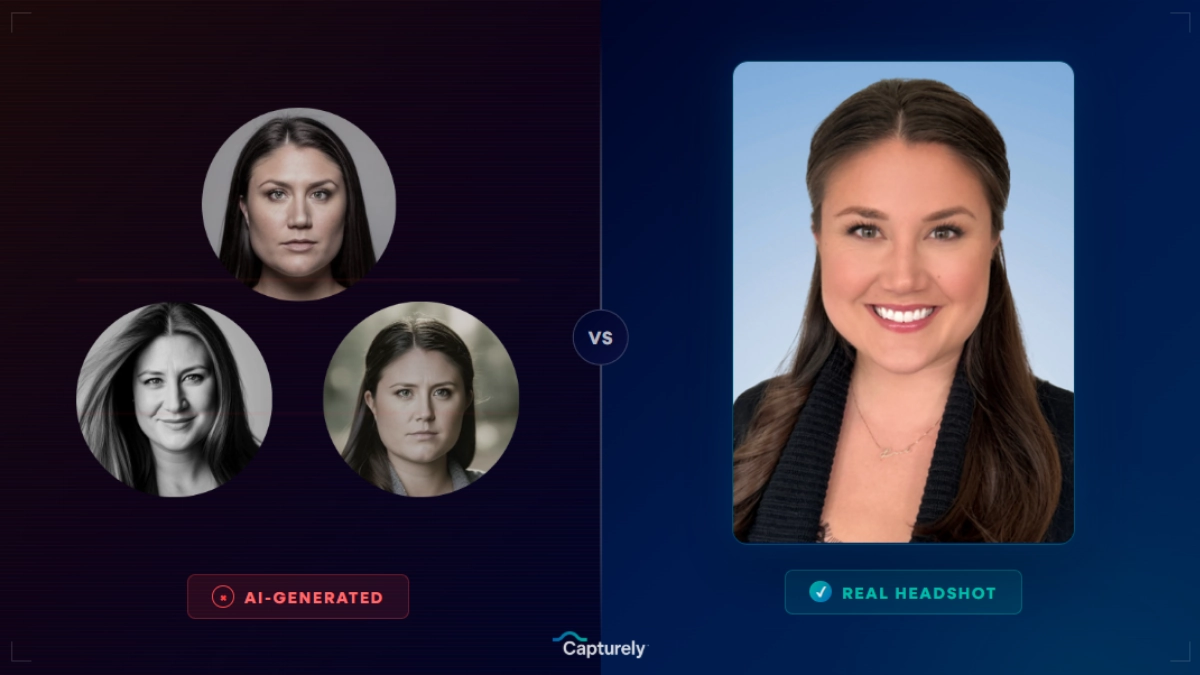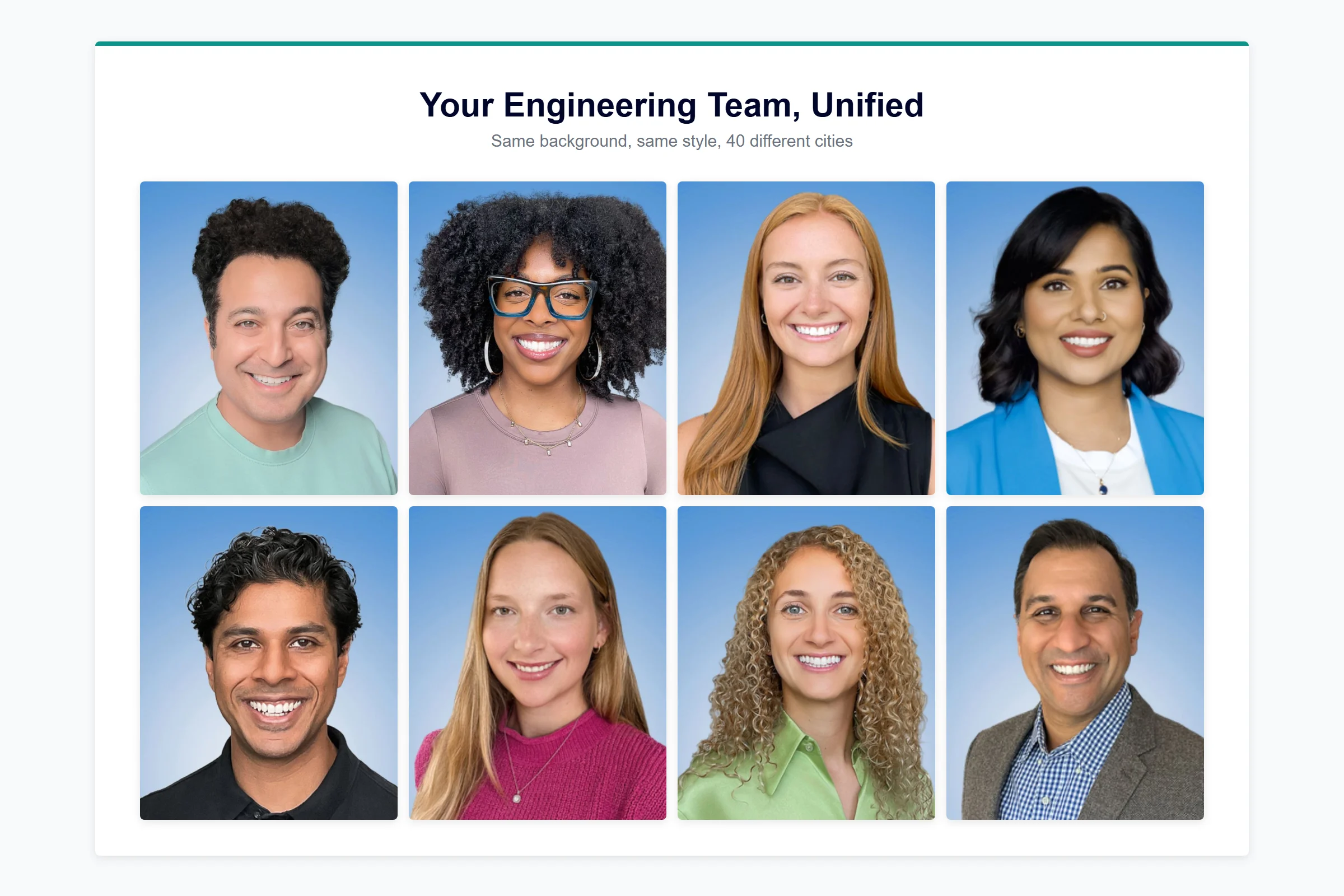
AI professional headshots cost $29. Real ones cost more. And that price difference creates a trust gap that no amount of prompt engineering can close.
Last updated: March 15, 2026 · Written by Brian Confer, Co-founder & COO at Capturely
Here’s the situation: your company needs professional headshots for a distributed team. You’ve seen the AI headshot generators — upload a few selfies, get polished results in minutes. Tempting. But then someone on the team looks at their AI headshot next to their Zoom face, and the two don’t match. At all.
Princeton researchers found that people form judgments about your face in 100 milliseconds — one-tenth of a second. Your headshot gets exactly one snap judgment before someone decides whether they trust you. And when that headshot is a digitally fabricated version of your face that doesn’t quite look like the real you? That judgment doesn’t go well.
Research on AI-generated professional photos found that 38% of viewers described them as “soulless” — technically correct, aesthetically acceptable, but missing something fundamentally human. That “something” is the difference between a photo that builds trust and one that quietly erodes it.
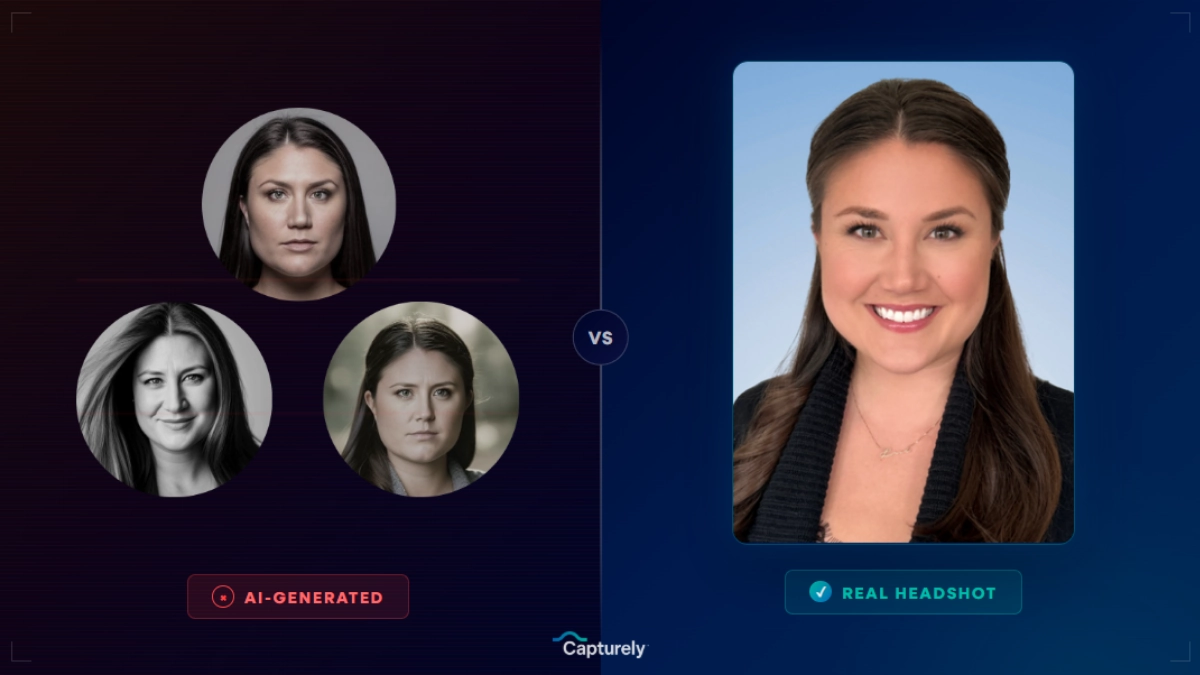
This comparison breaks down exactly how AI headshots and real headshots differ — on quality, authenticity, cost, enterprise readiness, and what happens when someone meets you after seeing your photo. Based on patterns from over 100,000 real headshots delivered for organizations like Google, Netflix, McKinsey, and UnitedHealth Group.
The Quick Verdict: AI Headshots vs Real Headshots
Choose AI headshots if you’re an individual professional with a tight budget, need something by tomorrow, and the stakes are low. A LinkedIn photo for a personal account where nobody’s checking too closely. It’ll do.
Choose real headshots if you’re representing an organization, work in a trust-dependent industry, have a team of more than a few people, or care about what happens when someone sees your headshot and then sees you on a video call. Real photography is the only option that survives the “does this look like the actual person?” test every time.
For teams? It’s not close. Real headshots win on authenticity, consistency, trust, and long-term value. The slightly higher cost per person pays for itself the first time a prospect Googles your team and forms an impression based on what they see.
AI Headshots vs Real Headshots: Side-by-Side Comparison
| Factor | AI Headshots | Real Headshots (Virtual) |
|---|---|---|
| What you get | Digitally generated image based on uploaded selfies | Actual photograph taken with live photographer direction |
| Is it you? | An approximation — AI’s best guess at your face | Yes. Literally a photo of your actual face. |
| Price per person | $29–$59 | $45–$79/person (up to 45% off for teams) |
| Turnaround | Minutes to hours | 24 hours (including professional retouching) |
| Session experience | Upload selfies, wait for AI output | Live photographer guides posture, lighting, and expression |
| Retouching | AI filters and generation | Human professional retouching |
| Zoom-call test | Often fails — AI face ≠ real face | Passes every time — it’s a photo of you |
| Enterprise compliance | Increasingly restricted or banned | Accepted universally |
| Skin tone accuracy | Inconsistent — known bias issues with AI models | Accurate — it’s a photograph |
| Team consistency | Varies based on input quality | Uniform backgrounds, framing, and style |
| Background options | AI-generated backgrounds | 98+ real background options (including custom branded) |
| Best for | Individuals on a tight budget | Teams that need authentic, on-brand imagery at scale |
How AI Professional Headshots Actually Work
AI headshot generators like HeadshotPro, BetterPic, and Aragon AI follow roughly the same process. You upload 10–20 selfies of yourself. The AI model trains on your facial features for a few minutes. Then it generates new images — fabricated from scratch — that place a version of your face onto professional-looking compositions with studio lighting and clean backgrounds.
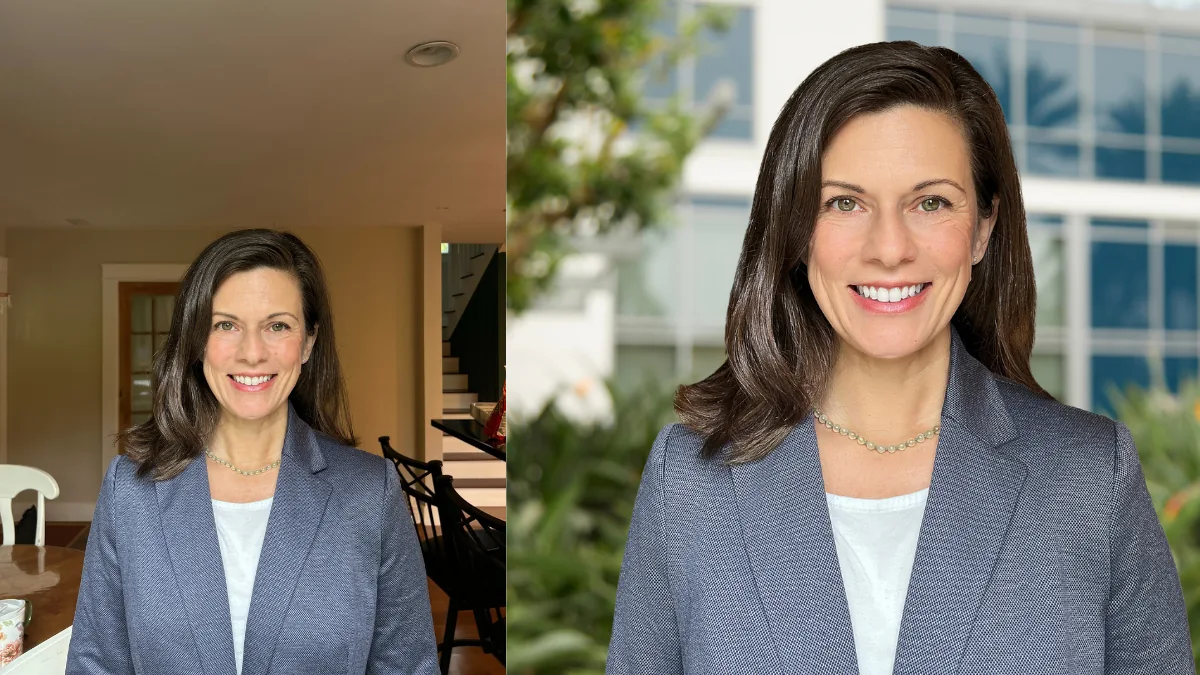
The results can look impressive in isolation. Smooth skin. Perfect lighting. A background that says “I have an office with tasteful art.” But these aren’t photographs. They’re predictions. The AI is guessing what you’d look like in a professional setting, and the guess is informed by millions of other faces in its training data — not by what you actually look like when you’re talking to a client on camera.
Where AI Headshots Fall Short
The uncanny valley problem. AI-generated faces have tells. The skin is too smooth. The hair falls too perfectly. The eyes have a flatness that real photographs don’t. People can’t always articulate what’s wrong, but they feel it. That 38% “soulless” finding captures something real — a disconnect between technical competence and human presence.
The Zoom test. This is the one that kills AI headshots in a professional context. A prospect looks at your team page, sees your AI headshot, then joins a video call with you. Your face doesn’t match. Not dramatically — you’re recognizable — but the lighting is different, the skin texture is different, the proportions are slightly off. It’s the professional equivalent of showing up to a date looking nothing like your profile picture. Trust takes a hit before the meeting even starts.

Skin tone and representation. AI models trained on biased datasets produce biased outputs. A 2024 study published in JAMA Network Open generated 1,000 AI physician headshots across five popular platforms and found that 82% depicted White physicians (vs. 63% in the actual U.S. physician workforce) and 93% depicted male physicians (vs. 62% actual). Three of the five platforms produced zero images of Latino physicians. This isn’t a theoretical concern — it’s measured, published, peer-reviewed bias.
And it plays out at the individual level too. In 2023, an Asian American MIT student asked an AI tool to make her photo look “more professional.” The tool lightened her skin and gave her blue eyes. The founder of the AI platform responded that the models “aren’t smart enough” to avoid this — essentially confirming the problem. For organizations that value inclusive representation, using a tool that might algorithmically lighten an employee’s skin or narrow their features is a nonstarter.
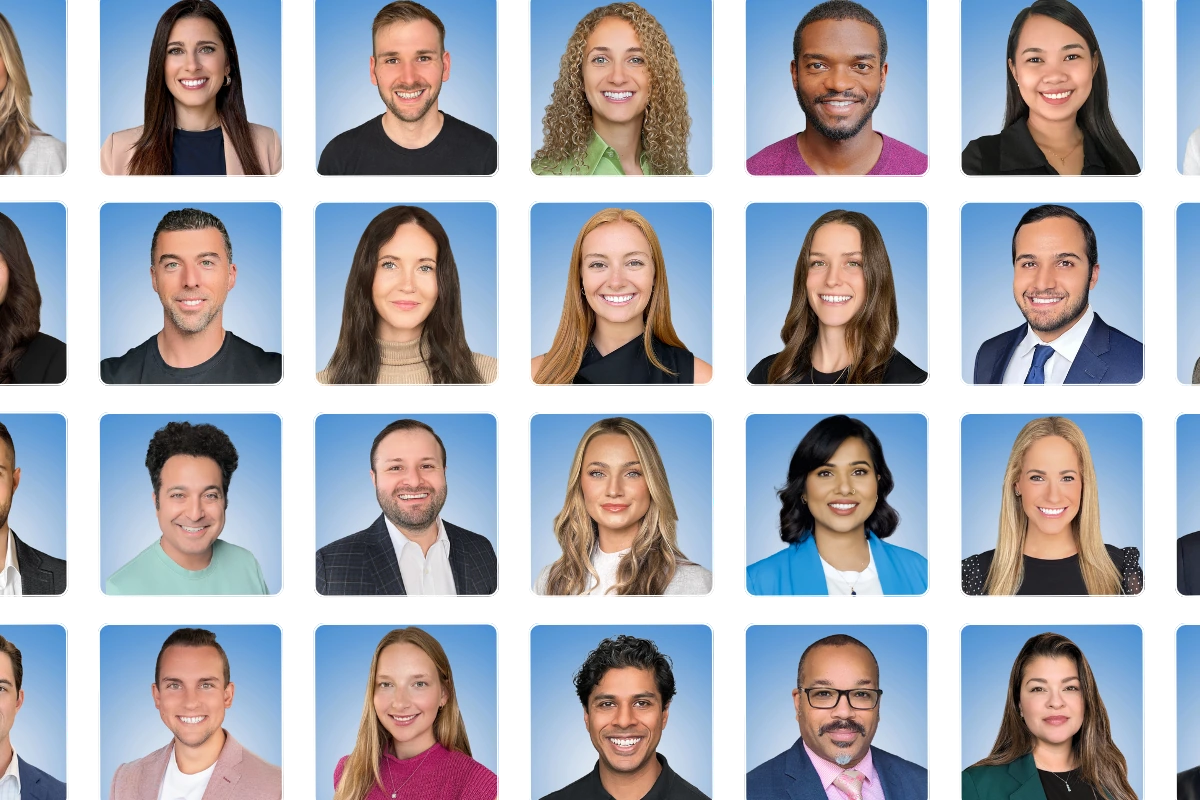
Privacy and data concerns. To generate your AI headshot, you upload 10–20 photos of your face to a third-party service. Those images train a model. Where does that data go? How long is it retained? Who else can access it? For enterprise teams with data governance requirements, uploading employee biometric data to an AI service opens questions that many legal and compliance teams aren’t comfortable answering.
When AI Headshots Are Fine
Solo professional. Tight budget. Low stakes. Need it by tomorrow. Not in healthcare, finance, law, or any field where client trust is built on perceived authenticity. Under those specific conditions, a $35 AI headshot gets the job done well enough.
That’s a narrow window. But it exists.
How Real Professional Headshots Work (the Virtual Model)
Real headshots have evolved past the traditional studio model. The version that’s replaced in-person photo days for most enterprise teams works like this: you receive a secure link, open it on your phone, and connect face-to-face with a professional photographer.
Not a tutorial video. Not a self-guided checklist. A real person, live, directing your session in real time.
The photographer has you switch to the rear camera — 36–48 megapixels, not the lower-resolution selfie camera — and coaches you through every aspect of the shot. Posture. Expression. Lighting. Head angle. They catch the tension in your jaw that you don’t notice. They tell you to drop your shoulders. They make you laugh, and then capture the genuine expression that follows. The whole thing takes about 10 minutes.
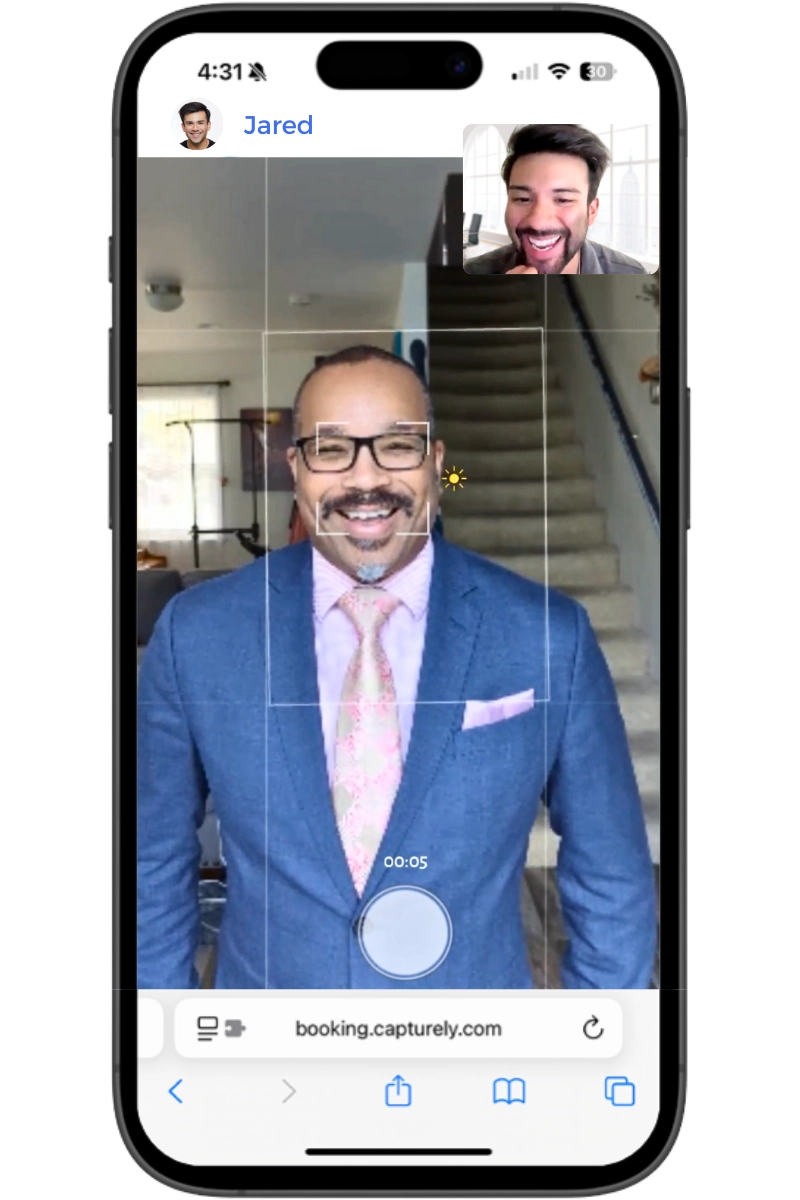
Professional retouching follows — not AI filters, but a human editor evening skin tone, removing temporary blemishes, and color-correcting the image. Delivered in 24 hours.
Capturely built this model specifically for distributed teams. Companies like Google, Netflix, McKinsey, and UnitedHealth Group use it because it solves the two problems traditional photo days can’t: logistics (everyone shoots from wherever they are) and consistency (every headshot matches because the process and standards are the same). With 765+ reviews at a 4.9-star average, the satisfaction rate sits above 98% — in large part because the live photographer catches problems before the shutter clicks, not after.
Why Real Photography Wins for Teams
Authenticity isn’t negotiable at scale. When one person on your team uses an AI headshot, it might go unnoticed. When your entire team page is AI-generated, the uncanny uniformity is obvious. Every face has the same smoothness, the same lighting, the same artificial perfection. It doesn’t look professional. It looks like your company couldn’t be bothered to take real photos.
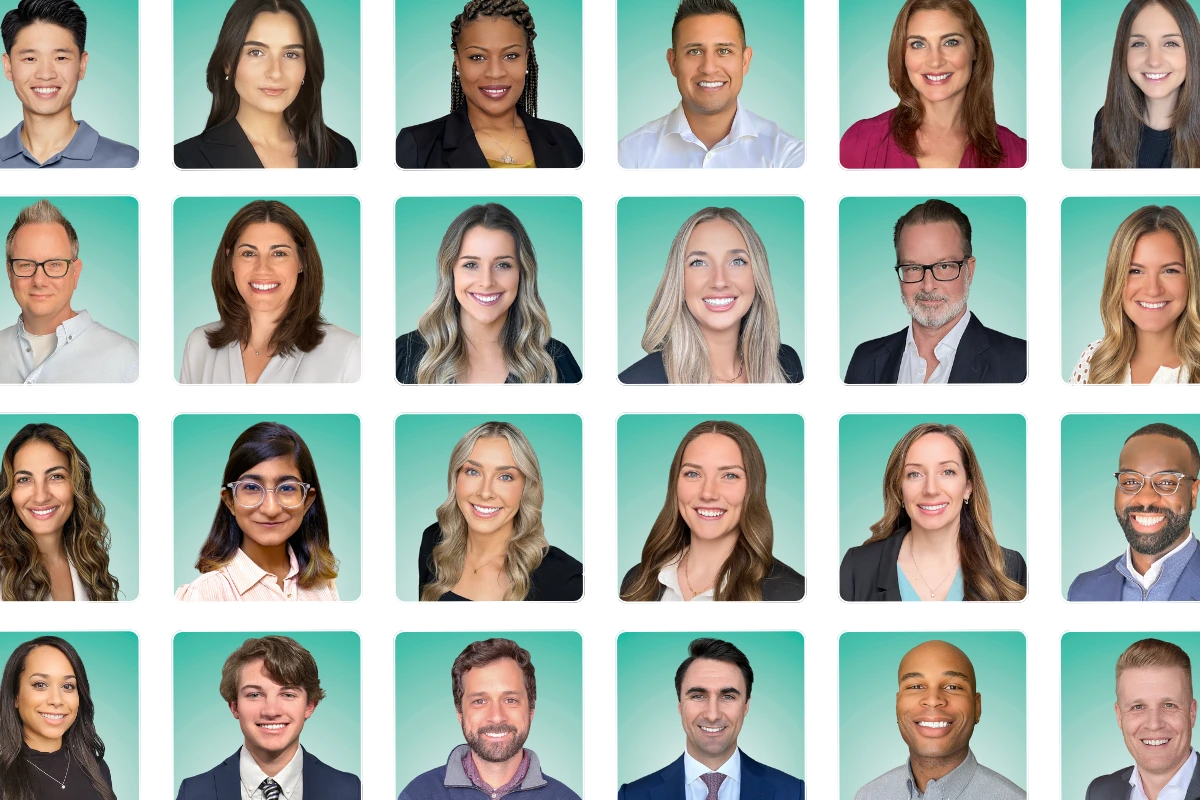
The photographer handles the hard part. Most people are bad at taking their own photos. They tense up. They don’t know their angles. They can’t see the shadow falling across their face. A live photographer solves all of this. “With Capturely, your photographer coaches you through everything in real time,” is how one client described the difference. The result: almost zero reshoots, compared to the high rejection rates that self-guided and AI services deal with.
Consistency without coordination. The admin dashboard lets whoever’s managing the program see scheduling status, download completed photos, enforce background and style standards, and handle new hires as they come in — all without chasing people down hallways or managing spreadsheets. Credits are valid for 12 months, so ongoing headshot needs (onboarding, promotions, rebrands) are handled without starting from scratch.
Want to see the difference for yourself? Get a free instant quote — configure your look, see pricing, and get started in under 30 seconds. Get your instant quote →
The Trust Gap: What Happens When Your Headshot Doesn’t Match Your Face
In 2006, psychologists Janine Willis and Alexander Todorov at Princeton published a study that changed how we think about first impressions. They showed participants faces for just 100 milliseconds — barely enough time to blink — and found that people formed stable judgments about trustworthiness, competence, and likability in that fraction of a second. Those snap judgments predicted longer, more deliberate evaluations with striking accuracy.
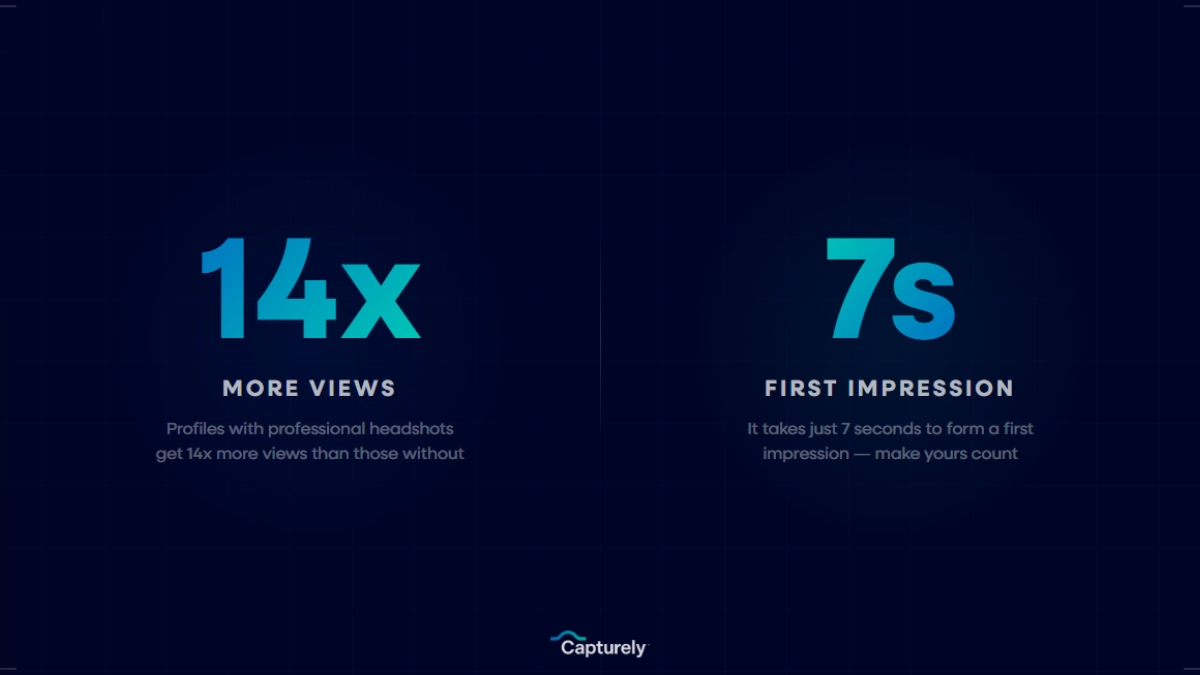
Your headshot is the 100-millisecond version of you that the entire professional world sees first. It’s working for you or against you in meetings you don’t even know about — while prospects research your team, while hiring managers scan your LinkedIn, while conference attendees decide who to approach.
When that headshot is a real photograph, the 100-millisecond impression and the real-life impression align. You look like your photo. Trust is maintained.
When the headshot is AI-generated, there’s a mismatch — and the research on it is counterintuitive. A 2022 study published in the Proceedings of the National Academy of Sciences (Nightingale & Farid) found that AI-synthesized faces were actually rated 7.7% more trustworthy than real faces when viewers didn’t know which was which. The AI faces looked too perfect — averaged-out features, symmetrical proportions, smooth skin — and that artificial perfection read as trustworthiness in a lab setting.
But here’s where it falls apart in the real world: a 2024 Ringover study surveyed 1,087 recruiters and found that 76.5% preferred AI headshots in blind comparisons. Yet 66% said they’d be put off once they learned the headshot was AI-generated, and 88% believe candidates should disclose AI use. The recruiters could only spot AI headshots 39.5% of the time — worse than a coin flip — despite 80% believing they could detect them.
Translation: AI headshots look good in isolation. But the moment someone discovers the photo is generated — whether through a mismatch on a video call, a colleague mentioning it, or the uncanny-valley feeling they can’t quite name — trust drops. The “soulless” descriptor captures the absence of micro-expressions, asymmetries, and imperfections that make a face feel genuinely human. Real faces are slightly asymmetrical. They have texture. The light catches unevenly. These “flaws” are actually trust signals.
As one prospect put it during a discovery call: “As much as it looks like me, there’s… you can always tell it was AI generated.”
Enterprise AI Bans: Why Companies Are Blocking AI Headshots
This isn’t theoretical. A Cisco study found that 27% of organizations have banned generative AI entirely over privacy and data security risks. Wells Fargo, JPMorgan Chase, and Citi have all restricted employee use of generative AI tools. Samsung banned ChatGPT after engineers accidentally uploaded sensitive source code. These broad bans don’t single out headshots specifically — but AI-generated employee imagery falls squarely under the restricted activity.
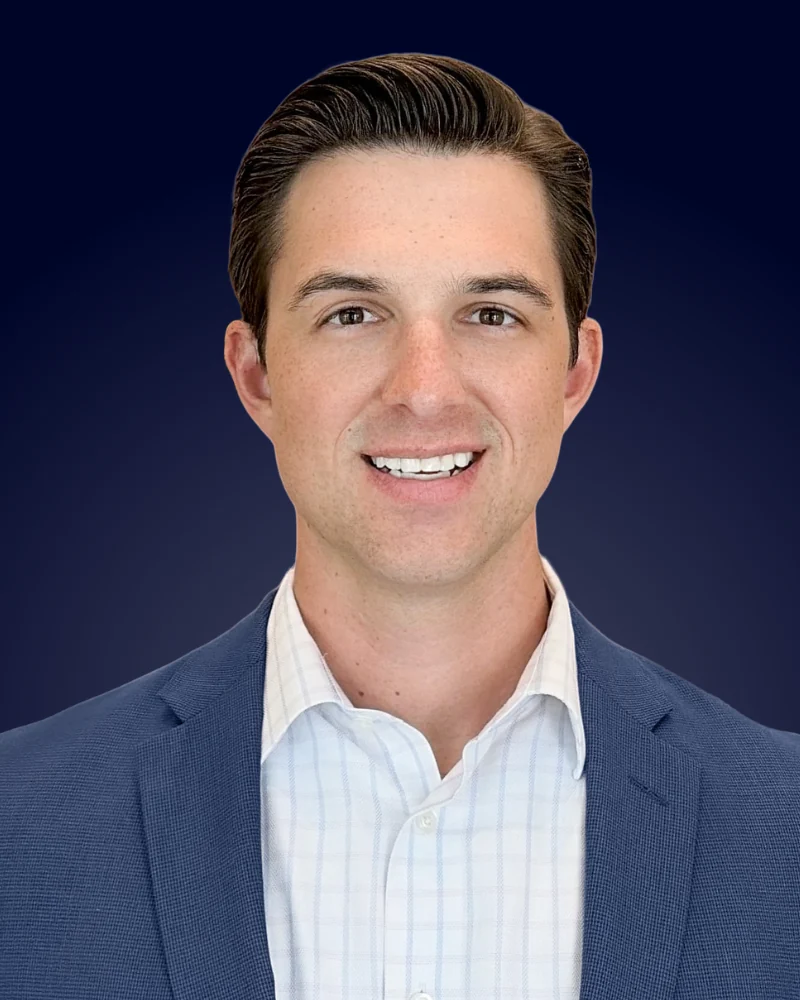
The reasons vary by organization, but they cluster around three concerns:
1. Authenticity and brand integrity. Client-facing organizations — consulting firms, financial services, healthcare systems — need their team pages and directories to show real people. When a patient looks up their doctor, they need to see what that doctor actually looks like. When a client researches a consulting team before a pitch, they need faces they’ll recognize in the room. AI approximations undermine this.
2. Data governance and privacy. Uploading employee facial images to third-party AI services raises questions under GDPR, CCPA, and internal data policies. Some organizations won’t allow biometric data to leave their controlled environment — and uploading selfies to train an AI model qualifies.
3. Representation and DEI commitments. AI headshot generators have documented issues with skin tone accuracy, feature modification, and applying Eurocentric beauty standards to non-white faces. For organizations with diversity, equity, and inclusion commitments, using a tool that might lighten an employee’s skin or narrow their features is a nonstarter.
As one marketing director at a major firm told us: “Our company does not allow us to use AI anyway.” Another, in healthcare: “As much as my industry loves AI, I don’t think we’re going there for people.”
This isn’t an anti-technology stance. These organizations use AI everywhere — in analytics, operations, customer service, product development. But when it comes to representing their people? They want real photos of real people. That distinction matters.
AI Headshots vs Real Headshots: Head-to-Head Scenarios
Scenario 1: New hire needs a headshot for the company directory
AI approach: HR sends a link to an AI generator. New hire uploads selfies. Gets results in an hour. The headshot looks polished but doesn’t match the style of existing team photos. It also doesn’t look quite like the person who showed up on their first-day Zoom call.
Real approach: New hire gets a session link as part of onboarding. Books a 10-minute virtual session at their convenience. Photographer directs them through the shoot. Retouched photos delivered next day, matching the exact background and style the company uses for everyone else.
Winner: Real. Not even close for team consistency and onboarding experience.
Scenario 2: Solo consultant updating their LinkedIn profile
AI approach: Quick, cheap, available tonight. The result is good enough for LinkedIn. Nobody’s comparing it to a team page. Low risk.
Real approach: Better quality, but requires scheduling and costs more. For one person updating one photo, the trade-off is real.
Winner: Depends on budget and timeline. If you’re a solo professional who’s genuinely budget-constrained, AI is a reasonable stopgap. If your headshot represents your business, invest in real.
Scenario 3: 200-person company rebranding
AI approach: Cheap at scale. But every headshot has that AI sheen. The new brand page looks generated, not genuine. Compliance raises concerns about data governance. DEI team flags skin tone accuracy issues.
Real approach: Each employee shoots from wherever they are. Consistent backgrounds, consistent quality, consistent style. Admin dashboard tracks completion. Credits handle the stragglers and new hires over the next 12 months.
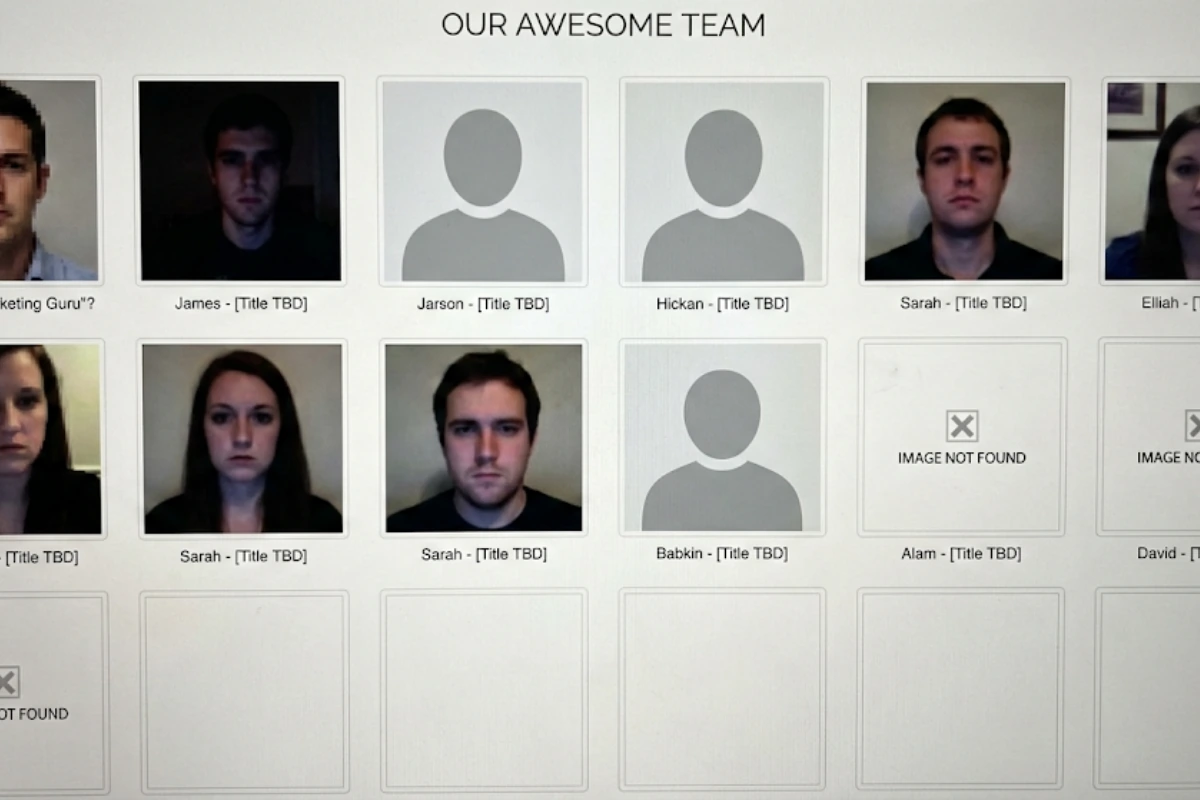
Winner: Real. For team deployments, the cost difference is marginal ($34/person) and the quality, compliance, and trust differences are massive.
For a full comparison of every headshot option — studios, virtual, AI, DIY, and on-demand marketplaces — see our breakdown: where to get professional headshots.
The Real Cost Comparison
The sticker price comparison favors AI. But the real comparison includes what happens downstream.
AI headshots: $29–$59 per person. Plus the cost of the employees who are unhappy with their generated results and want redos. Plus the brand cost of a team page that looks artificial. Plus the compliance risk of uploading employee biometric data to a third-party service. Plus the trust cost every time someone’s AI headshot doesn’t match their real face.
Real virtual headshots: $79 per session for individuals. Teams save up to 45% — as low as $45 per person. Capturely’s 98%+ satisfaction rate means almost zero reshoots. 24-hour delivery. Admin dashboard included. Credits valid for 12 months so you’re covered for onboarding and turnover. No biometric data concerns — the system only accesses the camera.
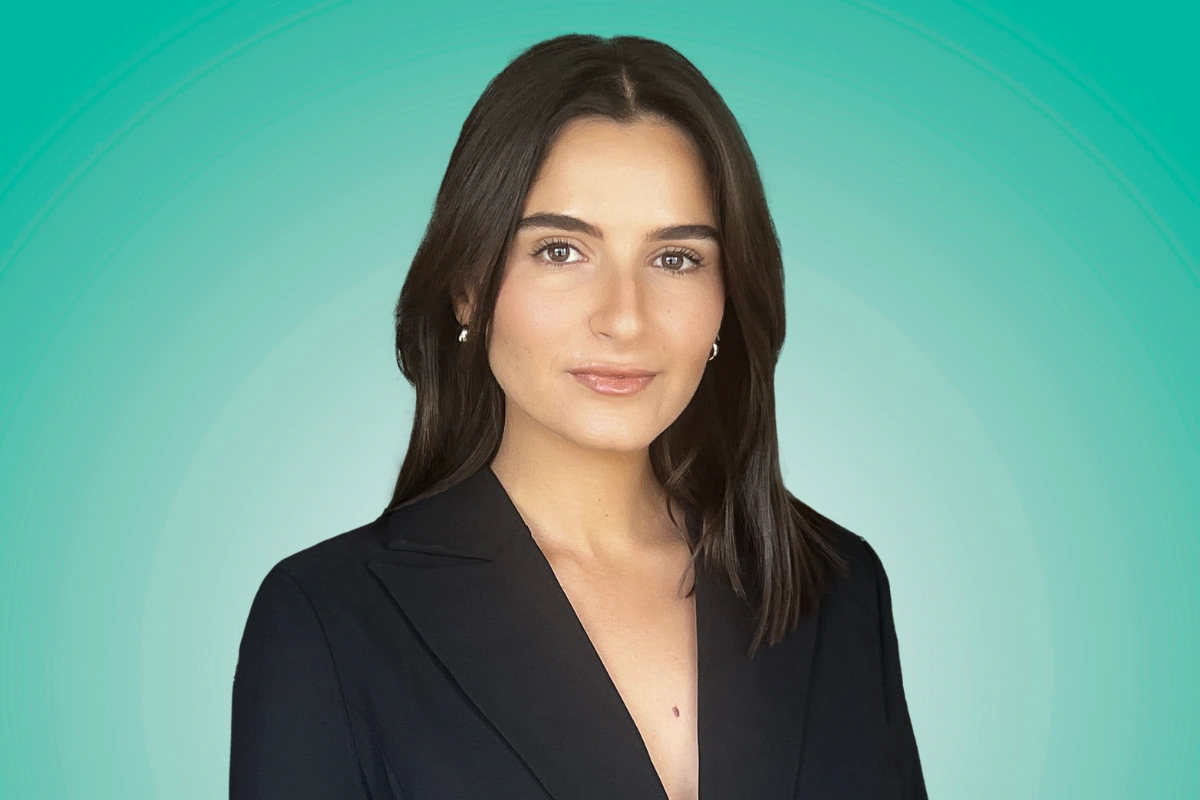
The math: for a 100-person team, AI headshots run roughly $3,500–$5,900. Real virtual headshots cost more — but the per-person difference is a fraction of what you’d pay for traditional studio photography, and you’re getting photographs that are actually photographs of your actual employees.
For a detailed pricing breakdown across every method, check out our professional headshot cost guide.
See what real headshots cost for your team size. Get a free instant quote — configure backgrounds, style, and volume in under 30 seconds. Get your instant quote →
Frequently Asked Questions About AI Headshots vs Real Headshots
Are AI headshots good enough for professional use?
For low-stakes individual use — a personal LinkedIn profile where nobody’s comparing it to your real face in meetings — AI headshots can work as a stopgap. For enterprise use, client-facing roles, healthcare provider directories, or any situation where someone will meet you after seeing your headshot, AI falls short. The 38% “soulless” perception, skin tone accuracy issues, and the fundamental mismatch between your AI face and your real face create trust problems that undermine the whole point of having a professional headshot.
Can people tell the difference between AI headshots and real photos?
Sometimes consciously, almost always subconsciously. AI-generated faces tend to have unnaturally smooth skin, symmetrical features, and a flatness in the eyes that real photographs don’t. Even when viewers can’t point to what’s “off,” they report lower trust and connection with AI-generated faces. When the image appears alongside real photos on a team page, the difference becomes more noticeable.
Why do some companies ban AI headshots?
Three main reasons: authenticity (the photos don’t represent what employees actually look like), data privacy (uploading employee facial images to train AI models raises compliance concerns under GDPR, CCPA, and internal data policies), and representation (AI generators have documented issues with skin tone accuracy and applying biased beauty standards). Most enterprise AI bans for headshots aren’t anti-technology — they’re pro-accuracy.
What are the best AI headshot generators?
HeadshotPro ($29–$59/person) and BetterPic ($34–$49/person) are the most established. Both produce reasonably polished AI-generated images from uploaded selfies. Aragon AI offers SOC 2 Type II certification for data security. These tools work well for what they are — but they’re generating approximations of your face, not photographing it. For individual comparisons, see our reviews of HeadshotPro and BetterPic vs real photography.
How do virtual headshots with a real photographer work?
You receive a secure link (no app download needed), open it on your smartphone, and connect with a professional photographer who directs your session live through the rear camera. The photographer coaches posture, expression, and lighting in real time — catching issues before the photo is taken, not after. Professional retouching and delivery follow within 24 hours. Capturely pioneered this model for enterprise teams, delivering 100,000+ headshots for organizations like Google, Netflix, and McKinsey with 10-minute sessions and a 98%+ satisfaction rate.
Are AI headshots cheaper than real headshots?
On sticker price, yes — $29–$59 for AI vs. $45–$79 for real virtual headshots. But the total cost includes reshoot rates (higher with AI due to dissatisfaction), brand perception costs (AI team pages look artificial), compliance overhead (data governance review for biometric uploads), and the trust cost when headshots don’t match real faces. For teams, the per-person price difference is a fraction of the downstream costs AI introduces.
Do AI headshots work for diverse teams?
Not reliably. A 2024 JAMA Network Open study found that across five AI platforms, 82% of generated physician headshots depicted White physicians (vs. 63% of actual U.S. physicians) and 93% depicted males (vs. 62% actual). Three platforms produced zero Latino physician images. Individual cases are just as troubling — an Asian American MIT student’s AI “professional” headshot came back with lightened skin and blue eyes. For organizations committed to inclusive, accurate representation of their people, real photography is the only approach that captures every person as they actually are.
What’s the best alternative to AI headshots for teams?
Virtual headshots with a live professional photographer. You get the convenience of AI (shoot from anywhere, no logistics) with the quality and authenticity of real photography (actual photographs, live direction, professional retouching). Capturely offers this for teams of any size, with an admin dashboard for managing the rollout, 98+ background options, and team pricing starting at 10 people (up to 45% off). See how it works →
The Bottom Line: Real Photography Wins Where It Matters
AI headshot generators are a genuine innovation. They made professional-looking headshots accessible to anyone with a phone and $35. That’s real progress, and it matters for individuals who couldn’t previously afford a professional photo.
But for organizations building trust at scale — for teams that need their website, directory, and LinkedIn presence to reflect real people doing real work — AI headshots introduce problems that outweigh their price advantage. The uncanny valley. The Zoom-call mismatch. The compliance headaches. The representation concerns. The 38% of people who look at AI-generated faces and feel… nothing.
Real photography doesn’t have these problems. A photo of you looks like you. Always has, always will.
If you’re evaluating headshot options for your team, the question isn’t whether AI headshots are “good enough.” It’s whether “good enough” is good enough for the impression your organization makes in the 100 milliseconds before anyone reads a word you’ve written.
For most teams, it isn’t. See what real professional headshots look like for your team →
For the complete guide to professional headshots — types, cost, what to wear, and how to choose — start with our Professional Headshots: The Complete Guide for 2026.
{
“@context”: “https://schema.org”,
“@type”: “FAQPage”,
“mainEntity”: [
{
“@type”: “Question”,
“name”: “Are AI headshots good enough for professional use?”,
“acceptedAnswer”: {
“@type”: “Answer”,
“text”: “For low-stakes individual use — a personal LinkedIn profile where nobody’s comparing it to your real face in meetings — AI headshots can work as a stopgap. For enterprise use, client-facing roles, healthcare provider directories, or any situation where someone will meet you after seeing your headshot, AI falls short. The 38% \”soulless\” perception, skin tone accuracy issues, and the fundamental mismatch between your AI face and your real face create trust problems that undermine the whole point of having a professional headshot.”
}
},
{
“@type”: “Question”,
“name”: “Can people tell the difference between AI headshots and real photos?”,
“acceptedAnswer”: {
“@type”: “Answer”,
“text”: “Sometimes consciously, almost always subconsciously. AI-generated faces tend to have unnaturally smooth skin, symmetrical features, and a flatness in the eyes that real photographs don’t. Even when viewers can’t point to what’s \”off,\” they report lower trust and connection with AI-generated faces. When the image appears alongside real photos on a team page, the difference becomes more noticeable.”
}
},
{
“@type”: “Question”,
“name”: “Why do some companies ban AI headshots?”,
“acceptedAnswer”: {
“@type”: “Answer”,
“text”: “Three main reasons: authenticity (the photos don’t represent what employees actually look like), data privacy (uploading employee facial images to train AI models raises compliance concerns under GDPR, CCPA, and internal data policies), and representation (AI generators have documented issues with skin tone accuracy and applying biased beauty standards). Most enterprise AI bans for headshots aren’t anti-technology — they’re pro-accuracy.”
}
},
{
“@type”: “Question”,
“name”: “What are the best AI headshot generators?”,
“acceptedAnswer”: {
“@type”: “Answer”,
“text”: “HeadshotPro ($29–$59/person) and BetterPic ($34–$49/person) are the most established. Both produce reasonably polished AI-generated images from uploaded selfies. Aragon AI offers SOC 2 Type II certification for data security. These tools work well for what they are — but they’re generating approximations of your face, not photographing it. For individual comparisons, see our reviews of HeadshotPro and BetterPic vs real photography.”
}
},
{
“@type”: “Question”,
“name”: “How do virtual headshots with a real photographer work?”,
“acceptedAnswer”: {
“@type”: “Answer”,
“text”: “You receive a secure link (no app download needed), open it on your smartphone, and connect with a professional photographer who directs your session live through the rear camera. The photographer coaches posture, expression, and lighting in real time — catching issues before the photo is taken, not after. Professional retouching and delivery follow within 24 hours. Capturely pioneered this model for enterprise teams, delivering 100,000+ headshots for organizations like Google, Netflix, and McKinsey with 10-minute sessions and a 98%+ satisfaction rate.”
}
},
{
“@type”: “Question”,
“name”: “Are AI headshots cheaper than real headshots?”,
“acceptedAnswer”: {
“@type”: “Answer”,
“text”: “On sticker price, yes — $29–$59 for AI vs. $45–$79 for real virtual headshots. But the total cost includes reshoot rates (higher with AI due to dissatisfaction), brand perception costs (AI team pages look artificial), compliance overhead (data governance review for biometric uploads), and the trust cost when headshots don’t match real faces. For teams, the per-person price difference is a fraction of the downstream costs AI introduces.”
}
},
{
“@type”: “Question”,
“name”: “Do AI headshots work for diverse teams?”,
“acceptedAnswer”: {
“@type”: “Answer”,
“text”: “Not reliably. A 2024 JAMA Network Open study found that across five AI platforms, 82% of generated physician headshots depicted White physicians (vs. 63% of actual U.S. physicians) and 93% depicted males (vs. 62% actual). Three platforms produced zero Latino physician images. Individual cases are just as troubling — an Asian American MIT student’s AI \”professional\” headshot came back with lightened skin and blue eyes. For organizations committed to inclusive, accurate representation of their people, real photography is the only approach that captures every person as they actually are.”
}
},
{
“@type”: “Question”,
“name”: “What’s the best alternative to AI headshots for teams?”,
“acceptedAnswer”: {
“@type”: “Answer”,
“text”: “Virtual headshots with a live professional photographer. You get the convenience of AI (shoot from anywhere, no logistics) with the quality and authenticity of real photography (actual photographs, live direction, professional retouching). Capturely offers this for teams of any size, with an admin dashboard for managing the rollout, 98+ background options, and team pricing starting at 10 people (up to 45% off). See how it works →”
}
}
]
}