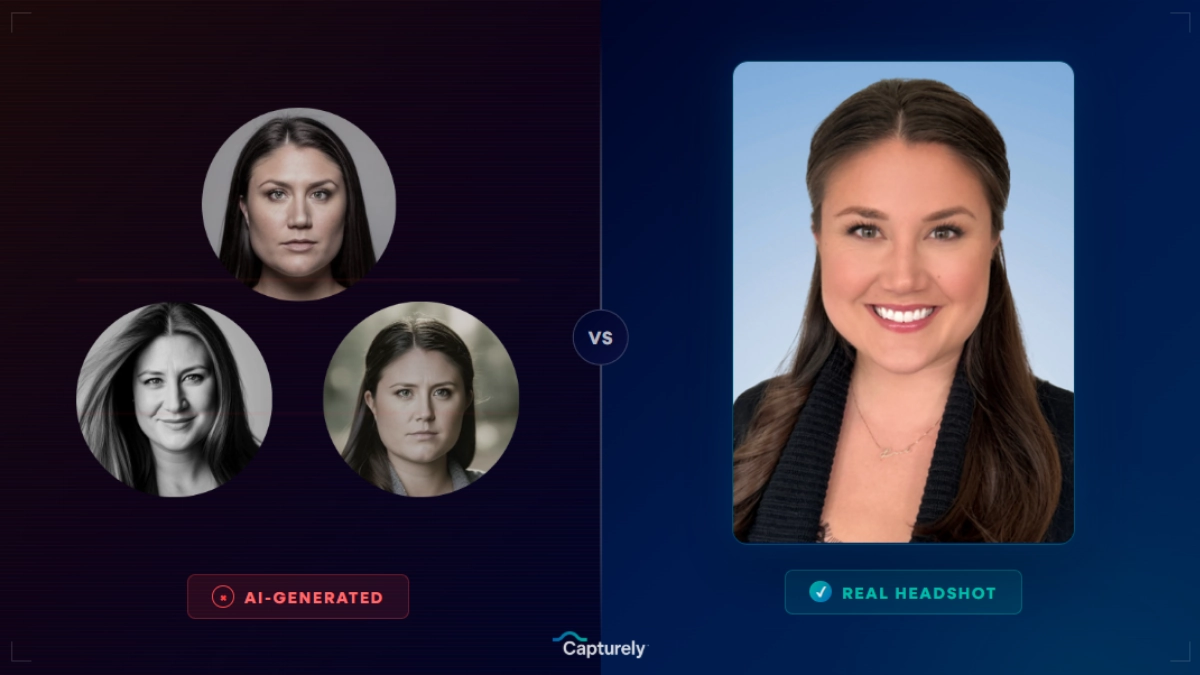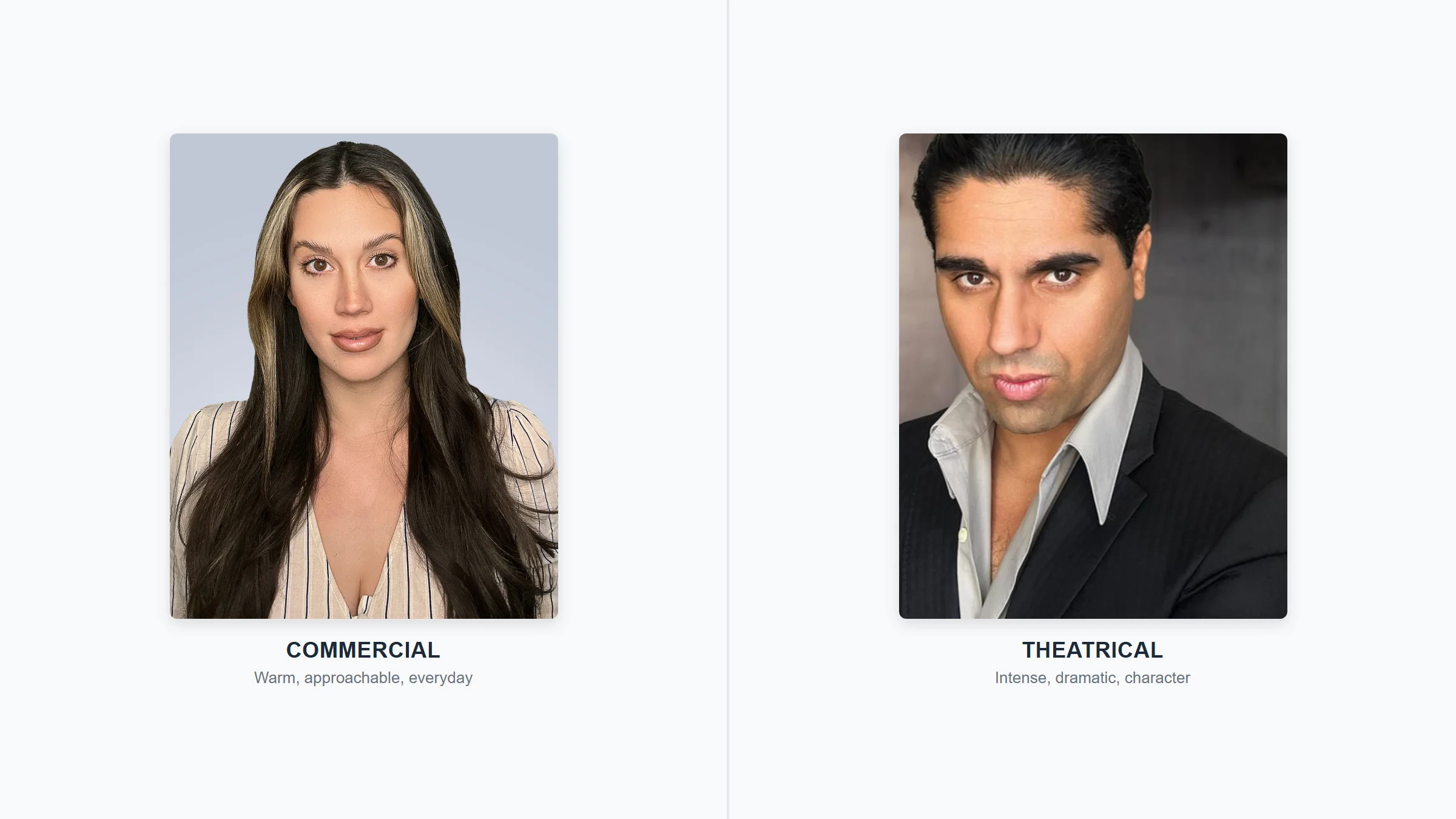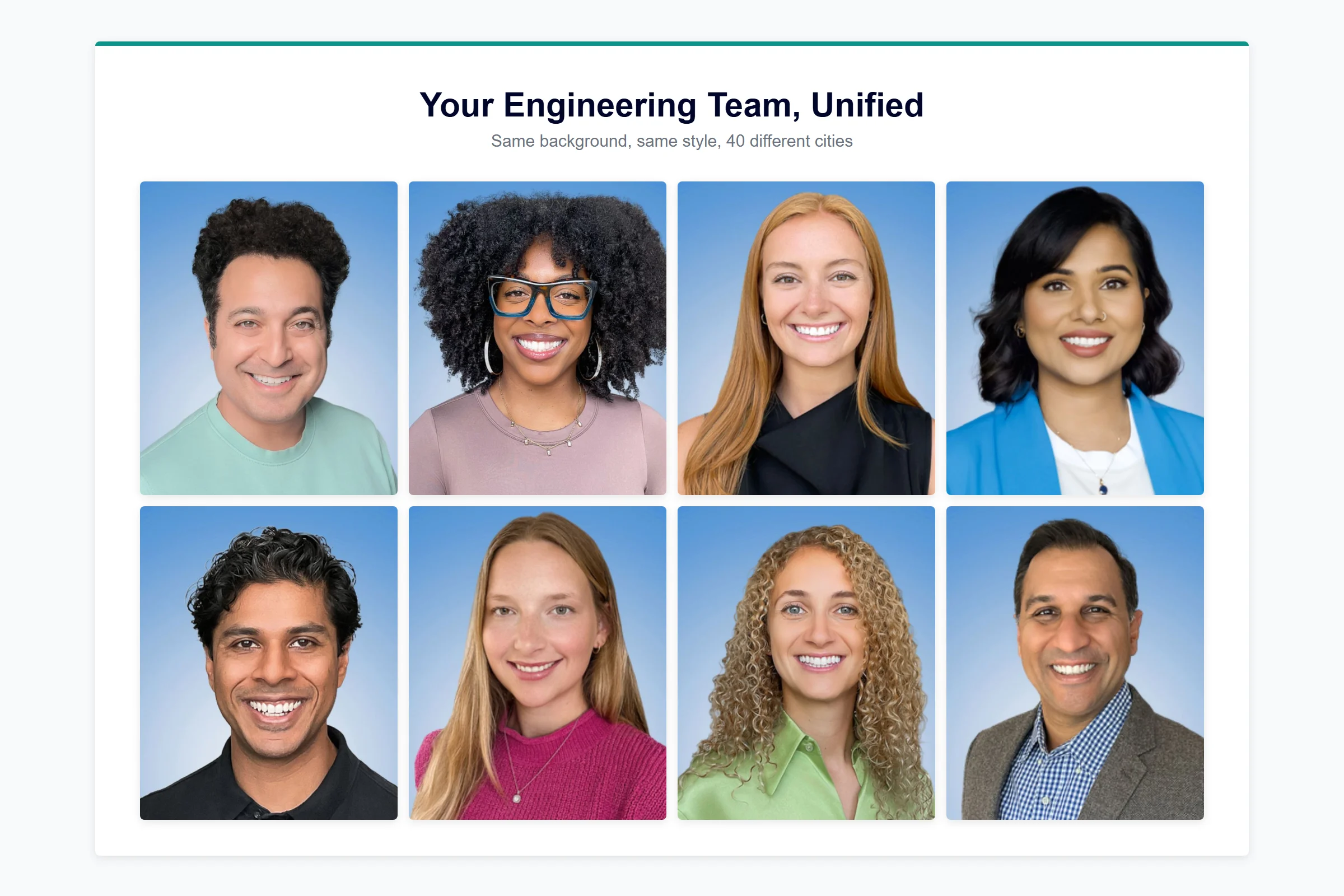
BetterPic is the largest AI headshot generator by volume — over 34 million headshots generated for 100,000+ customers. Upload 8-14 selfies, wait an hour or two, get back 20-120 AI-generated professional headshots starting at $35. No photographer. No session. No real photos of you.
That trade-off is worth understanding before you buy.
Last updated: February 2026
BetterPic has a 4.7-star Trustpilot rating from over 1,000 reviews. It’s a legitimate product that delivers real value for individuals who need a polished LinkedIn photo fast. But it’s an AI image generator — not a photography service. The images it produces are fabricated from your facial data, not captured by a camera. For solo professionals on a budget, that distinction might not matter. For teams where trust, brand consistency, and accurate representation matter, it’s the whole conversation.
This comparison breaks down BetterPic’s strengths, limitations, and privacy practices alongside what real photographer-directed headshots deliver — based on 100,000+ real headshots delivered by Capturely for organizations including Google, Netflix, McKinsey, and UnitedHealth Group.
Is BetterPic Worth It? Quick Verdict
Choose BetterPic if you’re an individual professional who needs a polished headshot fast, you’re comfortable knowing the image is AI-generated (not a photograph), and the stakes are relatively low — a personal LinkedIn profile, an internal Slack avatar, or a placeholder until you can get something real. At $35-$39 for 20-60 images, the math works for personal use.
Choose real photography if your headshots appear anywhere clients, patients, recruiters, or partners will see them — and then meet you on a video call. If you’re managing headshots for a team and need every person to look consistent, accurate, and authentically themselves. A virtual photography service like Capturely connects distributed teams with live professional photographers for real photos taken via smartphone, delivered in 24 hours, with zero authenticity risk.
These are fundamentally different products. BetterPic generates images. Photography captures them. The question is which one your situation actually requires.
BetterPic vs Real Photography: Side-by-Side Comparison
| Factor | BetterPic (AI) | Real Photography (Capturely) |
|---|---|---|
| What you get | AI-generated images based on uploaded selfies | Real photographs taken by a live professional photographer |
| Real photos? | No — digitally fabricated by AI | Yes — captured by your phone’s rear camera (36-48 MP) |
| Live photographer? | No | Yes — directs every session in real time |
| Price | $35 (Basic/20 images) / $39 (Pro/60) / $79 (Expert/120) | $79 individual; teams save up to 45% ($45–$79/person) |
| Team pricing | $34–$49/seat | $45–$79/person with volume discounts |
| Turnaround | 1–2 hours | 24 hours (including professional retouching) |
| Photos delivered | 20–120 AI-generated images | 3 professionally retouched real photographs |
| Accuracy | Varies — results may differ from your actual appearance | Exact likeness — it’s a real photo of you |
| Editing | AI-generated output + optional human edits ($8 each) | Professional human retouching included |
| Backgrounds | 150+ AI-generated styles | 98+ real backgrounds, custom branded options ($200) |
| Data retention | AI models stored up to 3 years; photos up to 1 year | API-into-camera only; no device data access |
| Refund policy | 7-day window (conditions apply) | Happiness guarantee |
| Best for | Individuals needing a quick LinkedIn photo on a budget | Teams needing authentic, on-brand headshots at scale |
How Does BetterPic Work?
BetterPic was founded by Ricardo Ghekiere and Miguel Rasero and is headquartered in Ghent, Belgium. The company bootstrapped to over $3 million in annual revenue before raising a $2.5 million seed round in August 2025 (BetterPic, 2025). It’s a real business with real traction — not a fly-by-night app.
The product works in three steps:
- Upload selfies (5-10 minutes): You provide 8-14 casual photos of yourself — a mix of chest-up and half-body shots with varied expressions, settings, and angles. No studio required.
- AI generates headshots (1-2 hours): BetterPic trains a personalized AI model on your facial features using Flux, a newer image generation model from Black Forest Labs. The model generates new professional headshots placing a version of your face onto polished compositions with studio lighting and clean backgrounds.
- Download and optionally edit (5-10 minutes): Browse results, pick favorites, and optionally request human edits ($8 each, unlimited on the Expert plan) for fine-tuning.
What BetterPic Does Well
BetterPic has earned its reviews for several legitimate reasons:
- Volume and variety: Even the Basic plan delivers 20 images. The Expert plan generates 120 headshots across 6 different styles. Most buyers find several keepers in the batch — though not every image will be usable.
- 4K resolution at every tier: BetterPic outputs at 4096px+ resolution across all plans, not just the premium tier. That’s a meaningful differentiator from competitors like HeadshotPro, which reserves ultra-high resolution for its $59 Executive plan.
- Human editing option: BetterPic is one of the only AI headshot generators that offers professional human retouching on top of AI output. At $8 per edit (unlimited on Expert), it’s an acknowledgment that AI alone doesn’t always get it right — and that some level of human intervention improves results.
- Speed: No scheduling, no sessions. Upload, wait, download. For someone who needs a headshot today and has zero interest in sitting for a photo, BetterPic removes every friction point.
“I tested seven AI headshot platforms, and BetterPic absolutely blew them all away,” one verified Trustpilot reviewer wrote in February 2026. Another noted: “The best AI headshot website out there. The pictures actually look like you, just slightly more polished.”
Where BetterPic Falls Short
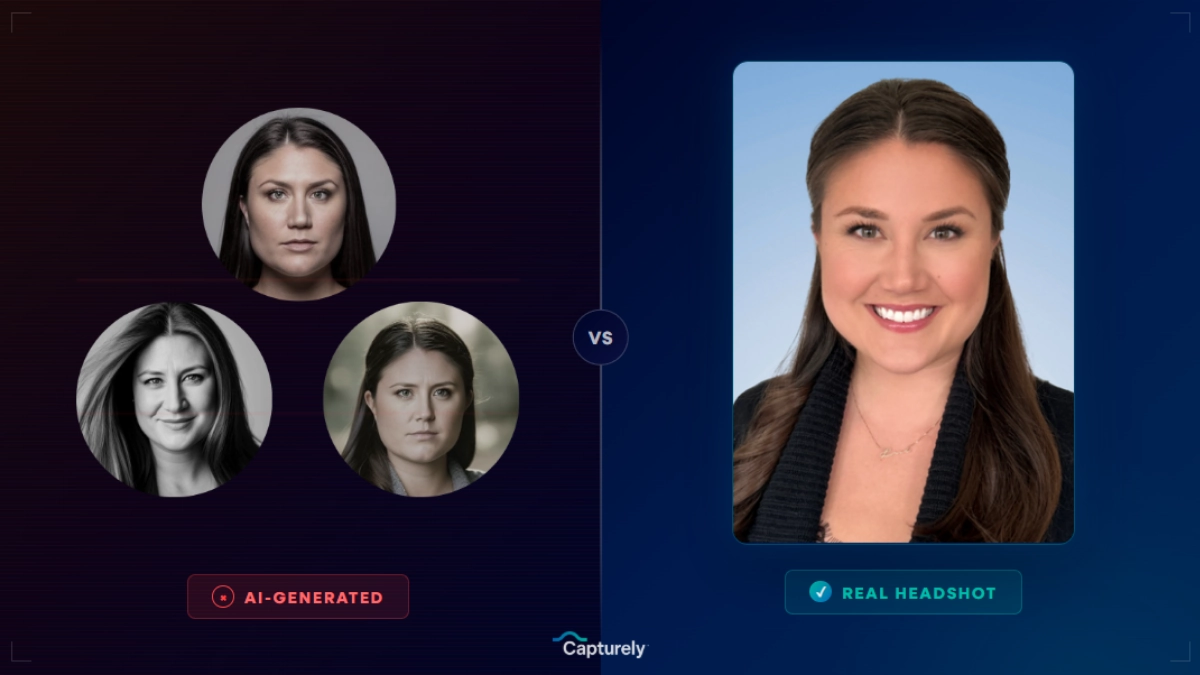
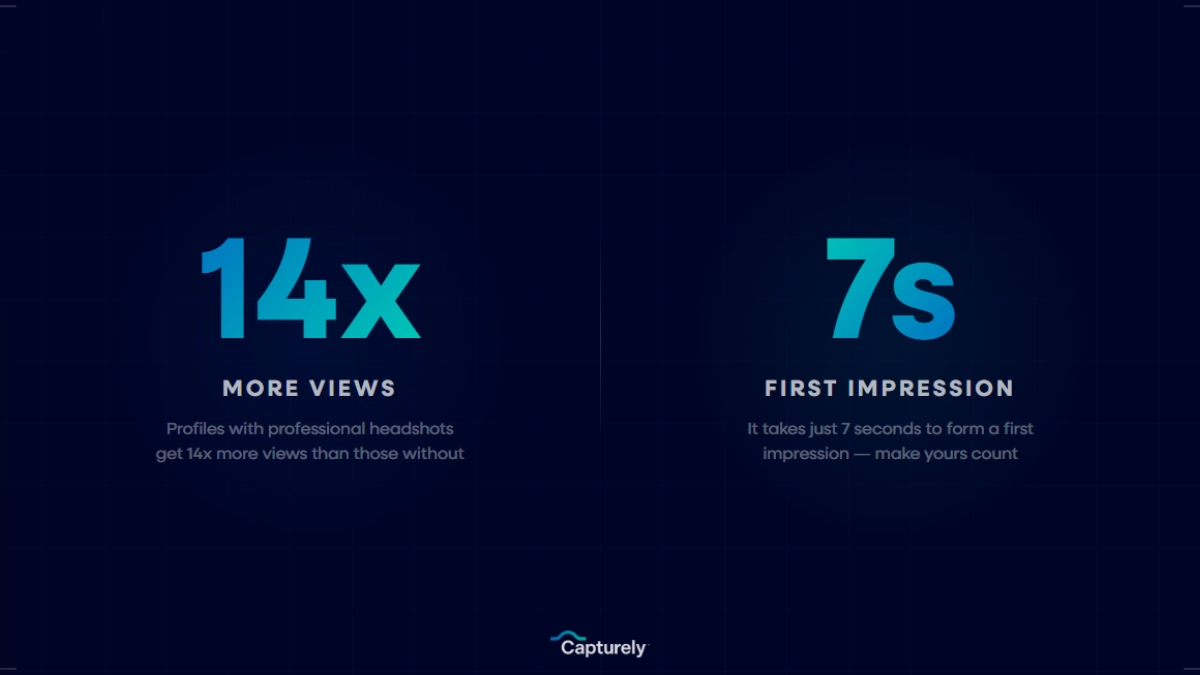
The images aren’t photographs of you. No matter how good the AI model gets, BetterPic generates approximations — not captures. The distinction matters because of what happens next: someone sees your headshot, then meets you on Zoom. Research by Willis and Todorov at Princeton showed that trustworthiness judgments form in 100 milliseconds (Psychological Science, 2006). When that first impression is built on a fabricated image that doesn’t quite match your real face, you start the conversation at a deficit.
The “doesn’t look like me” problem is real. This is BetterPic’s most common complaint across review platforms. One Trustpilot reviewer wrote: “AI-generated photos that looked absolutely nothing like me — wrong facial structure, distorted head proportions, inaccurate features.” Another reported: “Earrings were added to my face which I don’t have, and more than half the photos showed an obese person, which I am not.” These are individual experiences — the majority of BetterPic reviews are positive — but they illustrate a structural limitation: AI generates its best guess, and sometimes the guess is wrong.
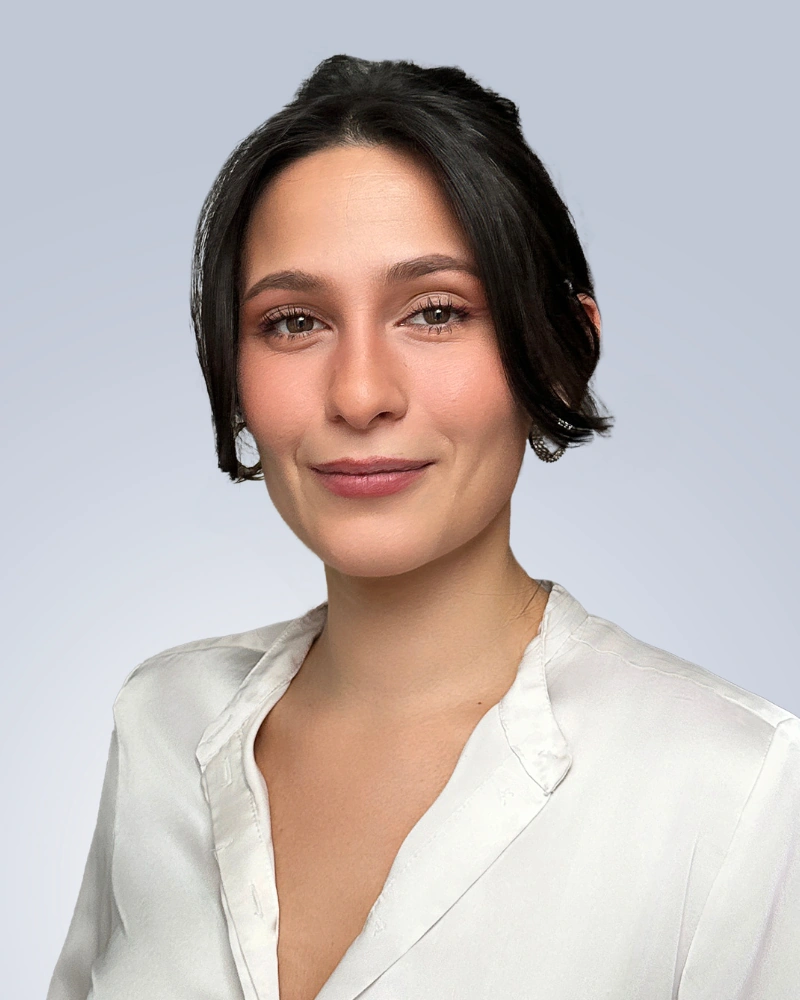
Not every image in the batch is usable. BetterPic delivers 20-120 images depending on the plan. As one Reddit user observed: “When the AI gets it wrong, it gets it really wrong — while it still looks realistic, users may look like a completely different person” (BestReviews, 2025). A Cybernews editorial review similarly noted that not all images in a batch are the same quality — some look clearly fake while others have details that are slightly off. Filtering through a batch to find keepers is part of the process.
AI image generation still struggles with diversity. A 2024 study published in JAMA Network Open found that across five AI image platforms, 82% of generated physician headshots depicted White physicians — versus 63% in the actual U.S. physician workforce — and 93% depicted male physicians versus 62% actual. Three of five platforms generated zero images of Latino physicians (Lee et al., JAMA Network Open, 2024). This is an industry-wide issue, not specific to BetterPic, but it matters for teams committed to accurate representation.
Want headshots that actually look like your team? Capturely’s live photographers capture real photos via smartphone — 1,500+ reviews at 4.9 stars, 24-hour delivery, 98+ backgrounds. Get a free instant quote →
What Do BetterPic Reviews Actually Say?
BetterPic holds a 4.7-star Trustpilot rating from roughly 1,000 reviews. That’s a strong score — clearly the product works for the majority of buyers. But the pattern in negative reviews reveals something specific about the risk profile.
The praise is consistent: speed, convenience, surprising realism, good customer support. “I’m so impressed! They managed to create natural and authentic headshots from some pretty rough selfies of mine,” one reviewer wrote. “BetterPic created fantastic headshots for me at a great price and in little time,” said another. Mark Condon, a professional photographer who reviewed BetterPic for Shotkit, noted “no visual inconsistencies or abnormalities in the results; the pictures were incredibly clean, true-to-life, and professional-looking.”
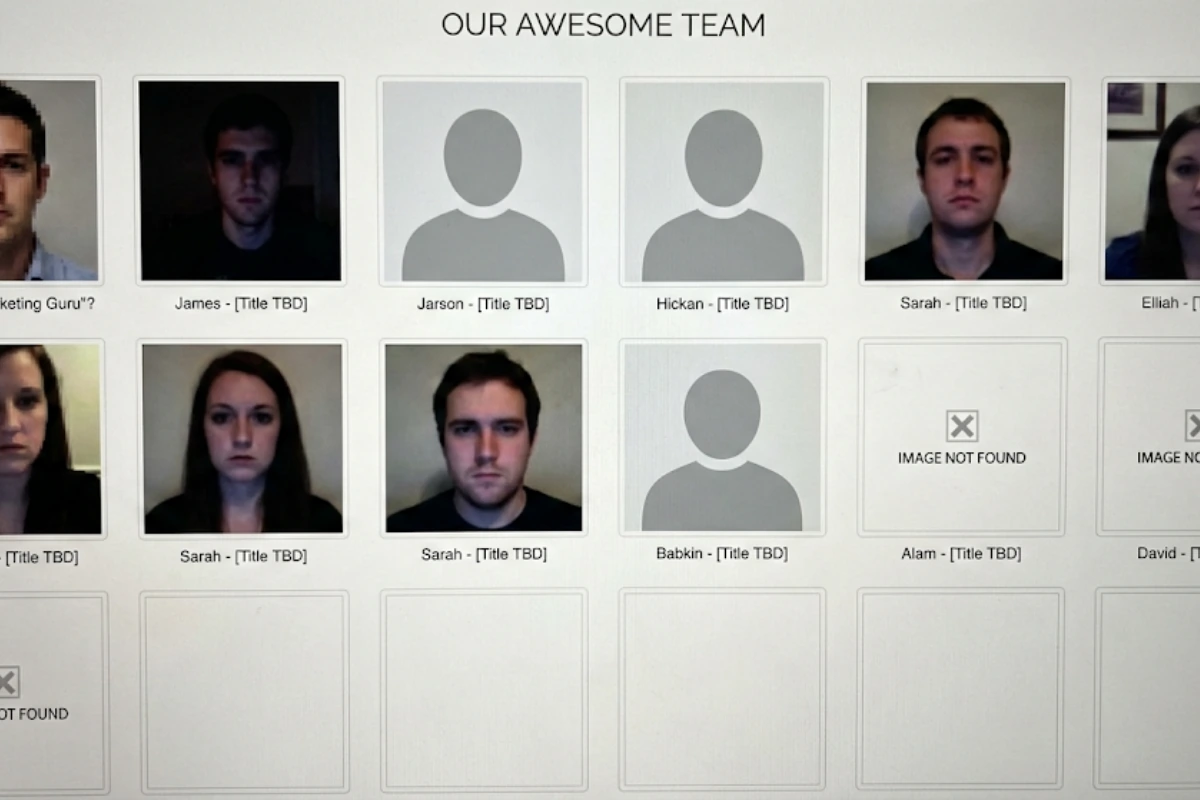
The complaints cluster around three issues:
1. Likeness failures. When the AI misses, it misses badly. One reviewer reported results that were “very waxy looking and incredibly fake” with “odd proportions of head to body.” Another described photos with “makeup that was too heavy and made them look like people of other races.” These aren’t quality complaints about lighting or backgrounds — they’re fundamental accuracy failures where the AI produces an image of someone who doesn’t look like the person who uploaded the selfies.
2. Refund friction. BetterPic offers a 7-day refund window, but the conditions are restrictive. One customer reported being told they’d “downloaded 120 images” when they hadn’t — alleging the system auto-generates and queues images, then counts them as downloaded to deny refund eligibility. Compare this to HeadshotPro’s 14-day “Profile-Worthy” guarantee, which is more straightforward. Multiple reviewers described customer service responses to refund requests as “defensive.”
3. Body type and feature alteration. Several reviewers reported that BetterPic changed their body type, added accessories they don’t wear, or altered their features beyond recognition. “Even though I am muscular, they made me look like a starved and emaciated child,” one reviewer wrote. These reports suggest the AI model sometimes applies default body templates rather than accurately representing the person’s actual build.
To be fair: the majority of BetterPic reviews are 4-5 stars. The tool works well for most people. But the failure mode — receiving AI-generated images that don’t look like you, with limited recourse for a refund — is worth factoring into the decision.
What Happens to Your Photos on BetterPic?
This is where the comparison gets interesting for enterprise buyers.
To generate your AI headshot, you upload 8-14 photos of your face to BetterPic’s servers. Those images train a personalized AI model. According to BetterPic’s privacy documentation, here’s what happens to your data:
- Uploaded photos: Stored for up to 1 year to enable re-renders and support (BetterPic’s own documentation shows inconsistent messaging — some pages say 7 days, some say 30 days, the privacy policy says up to 1 year)
- AI models trained on your face: Stored for up to 3 years, encrypted, with deletion available on request
- Processing location: Primary processing in EU (Frankfurt), but GPU processing may occur in US data centers
- Free tier caveat: Users of BetterPic’s free service grant the company rights to use input photos AND generated headshots for marketing purposes, including on their website and social media
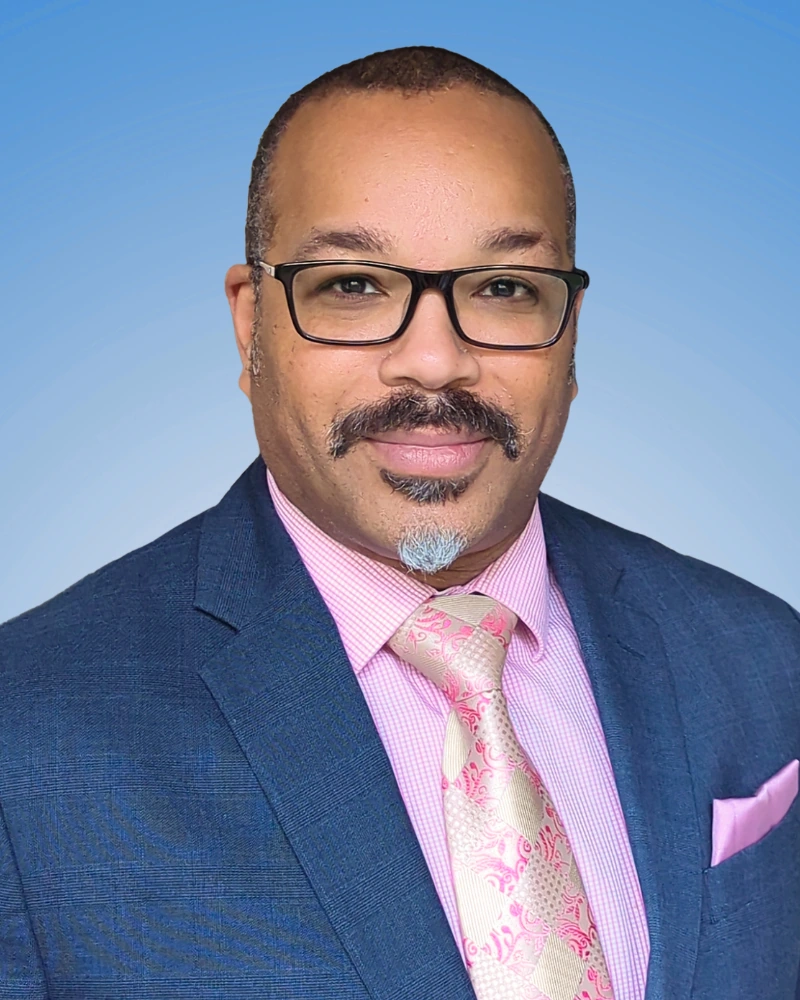
BetterPic claims GDPR compliance, ISO 27001 adherence, and AES-256 encryption. As a European company based in Belgium, they’re subject to EU data protection law natively. That’s a genuine advantage over US-based competitors on the regulatory compliance front.
But the 3-year model retention creates a question that enterprise compliance teams will ask: why does an AI model trained on an employee’s facial data need to exist for three years? And the inconsistent documentation around photo retention timelines — 7 days, 30 days, or 1 year depending on which page you read — doesn’t inspire confidence.
For context, HeadshotPro deletes uploaded photos and trained models within one week. Capturely’s approach is fundamentally different: the platform only accesses the phone’s camera via API during the live session. No photos are stored on Capturely’s servers, no AI models are trained on employee faces, and no facial data is retained. The minimal security footprint is why Capturely passes enterprise security reviews at organizations like Google and UnitedHealth Group.
According to the Stanford AI Index Report (2025), 233 AI-related incidents were reported in 2024 — a 56.4% increase over the prior year. Trust in AI companies to protect personal data dropped from 50% to 47%. For organizations evaluating whether to upload employee biometric data to train AI models, the trend line matters.
When BetterPic Makes Sense
BetterPic is a legitimate tool that solves a real problem for the right buyer. These are the situations where it delivers genuine value:
- Individual professionals on a budget. A freelancer, job seeker, or solo consultant who needs a polished LinkedIn photo and can’t justify $79+ for a real session. At $35-$39 for 20-60 images, BetterPic is a clear upgrade from a cropped vacation photo.
- Low-visibility internal use. Slack avatars, internal team directories, company intranet profiles — contexts where nobody is comparing your headshot to your real face on a video call.
- Quick placeholder. Starting a new role next week with no headshot? An AI version bridges the gap until you can schedule something real.
- Style exploration. Want to see how you’d look with different backgrounds, outfits, or lighting before committing to a real shoot? BetterPic’s 150+ style options make it a useful preview tool.
Sam DeMase, a career expert at ZipRecruiter, framed the tension well: “A headshot is one of the few places you can inject humanity into the job search” (CNBC, 2025). For roles where that humanity matters — client-facing, leadership, public-facing — AI-generated images work against the goal.
When Does Real Photography Make More Sense?
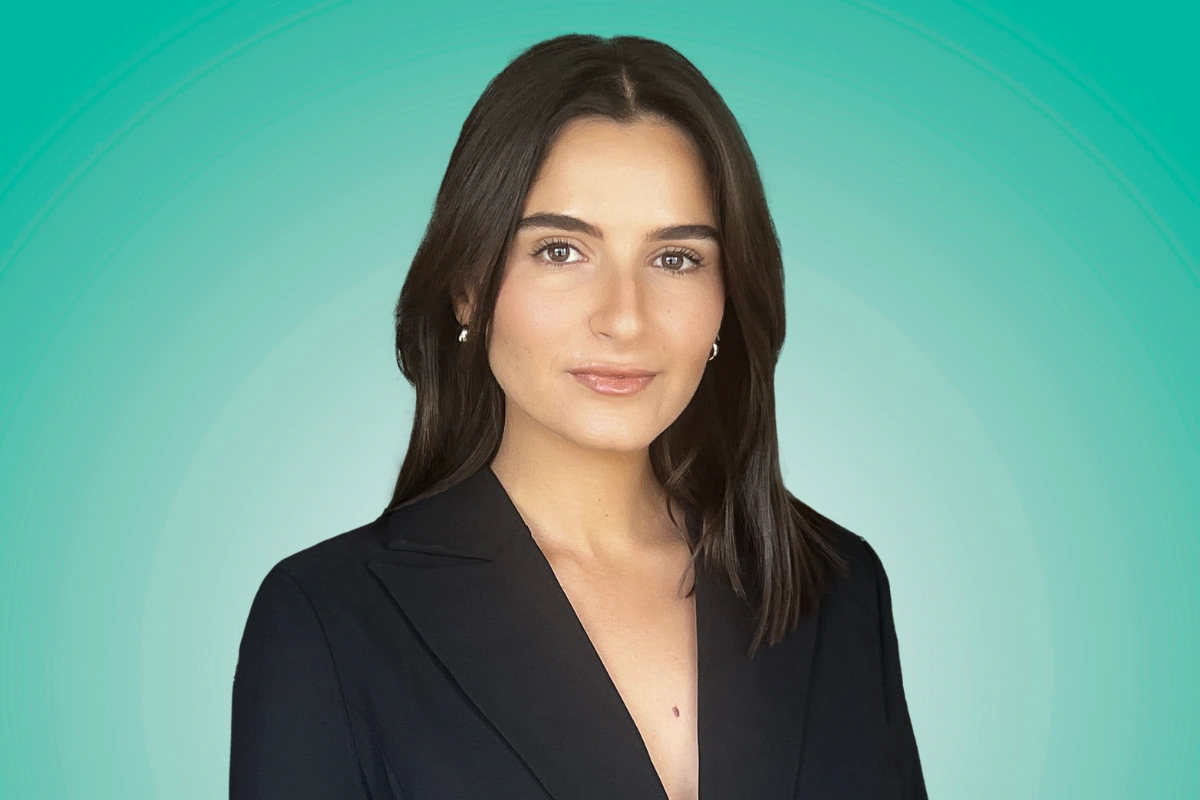
There are situations where an AI-generated image creates more risk than it removes. These are the scenarios where teams consistently choose real photographer-directed headshots:
Client-facing roles. Consultants, financial advisors, attorneys, account managers — anyone whose clients will see the headshot and then meet them on video or in person. A Ringover study of 1,087 recruiters found that 66% would be put off by an AI headshot once they learned the truth — even though 76.5% preferred AI headshots in blind comparisons (Ringover, 2024). The image looks fine until the disclosure moment. Then trust takes a hit.
Healthcare provider directories. Patients research their doctors before appointments. Provider photos need to accurately represent the person patients will meet. Healthcare systems like HCA Healthcare, Intermountain Health, and UnitedHealth Group use real photography for their provider pages — because “as much as my industry loves AI, I don’t think we’re going there for people,” as one healthcare marketing director told Capturely.
Enterprise teams managing brand consistency. BetterPic generates 20-120 images per person with varying quality across the batch. When you’re coordinating headshots for 200 people, you need uniform results — same background, same framing, same style, same quality level — across every single person. A live photographer applying consistent direction and standards delivers what AI batches can’t: guaranteed uniformity.

Companies with AI usage policies. A Cisco study (2024) found that 27% of organizations have banned generative AI entirely over privacy and data security concerns. JPMorgan Chase, Goldman Sachs, and Deutsche Bank all restricted employee use of generative AI tools in 2023. These broad bans typically cover AI-generated employee imagery. “Our company does not allow us to use AI anyway,” one prospect told Capturely directly.
Diverse teams. Karen Vaisman, a professional photographer with 25+ years of experience and a BFA from Syracuse University, warned that AI headshots are “a ‘look alike’ reminiscent of the person but it is a bit ‘off’ lacking authenticity” (Karen Vaisman Photography, 2025). For teams where every person needs to be represented accurately — regardless of skin tone, hair texture, body type, or features — real photography is the only approach that captures everyone as they actually are.
Real photos for teams that need authenticity. Capturely’s live photographers direct 10-minute virtual sessions via smartphone — 1,500+ reviews at 4.9 stars, used by Google, Netflix, McKinsey, and Capital One. See how it works →
How Do Virtual Headshots With a Real Photographer Work?
The alternative to AI headshots isn’t dragging everyone to a studio. Capturely delivers real, photographer-directed headshots through a virtual session that works from anywhere:
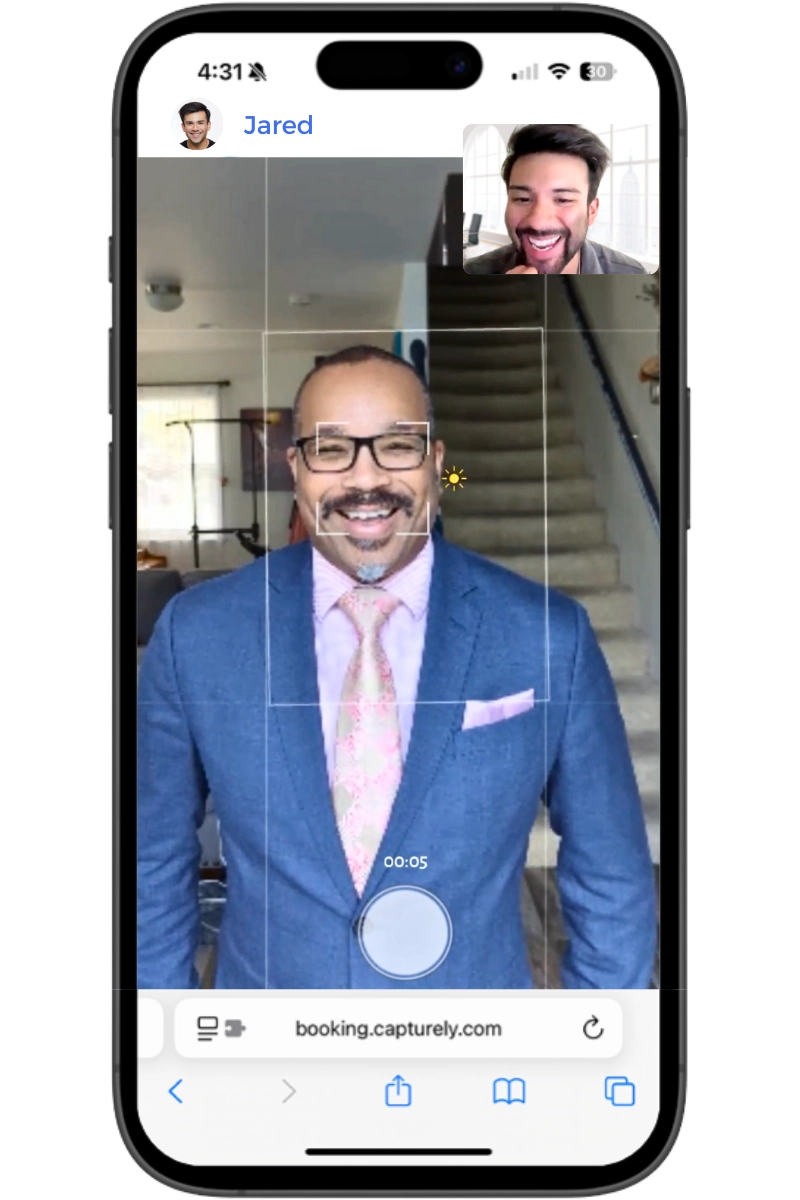
- Employee gets a secure link. No app download. Opens on any smartphone browser.
- A real photographer appears live. The photographer switches you to the rear camera — 36-48 megapixels, far sharper than the selfie camera AI generators rely on — and starts directing the session.
- 10 minutes of real-time coaching. Posture, expression, head angle, chin position, lighting adjustments for your specific environment. The photographer catches every detail you’d never notice yourself — the shadow across your face, the tension in your jaw, the slight squint.
- Professional retouching and delivery in 24 hours. Each session produces 3 fully edited photographs (left-facing, right-facing, straight-on). Human retouching, not AI filters.
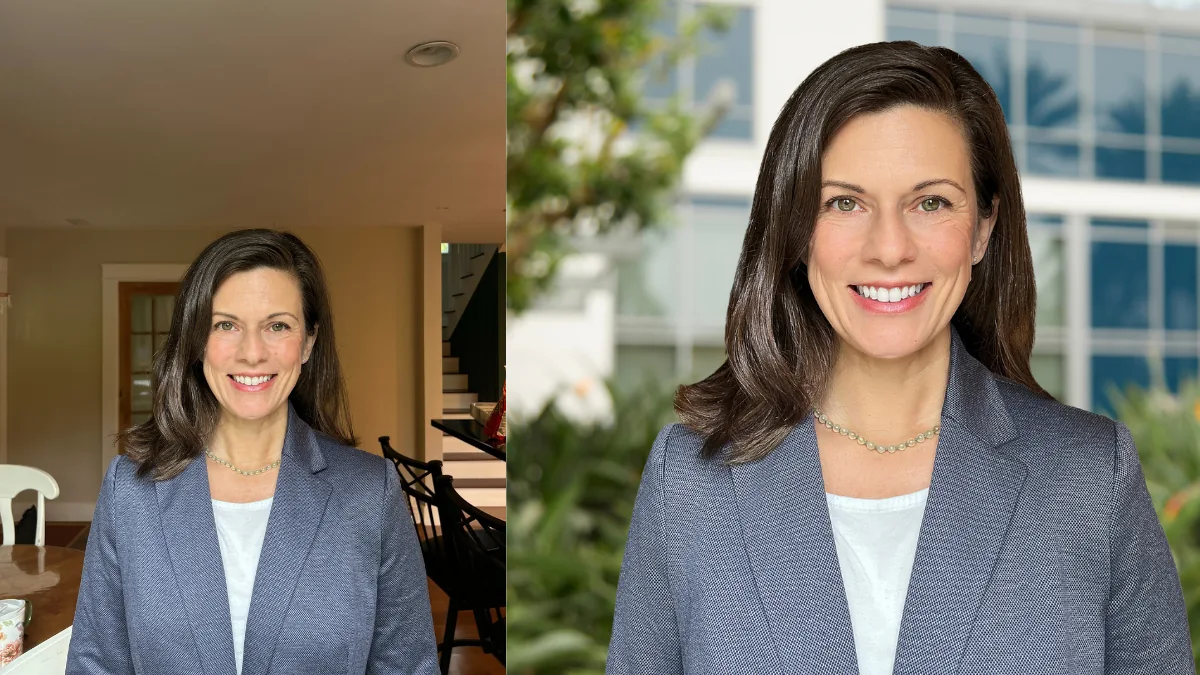
The result is a real photograph of you, taken by a real camera, directed by a real person, edited by a real retoucher. It looks like you. Because it is you.
This is the process used by companies like Google, Amazon, McKinsey, Netflix, KPMG, and Capital One for their distributed teams. Not because it’s cheaper than AI — it isn’t. Because when professionals have an average of 7 places where their headshot appears and people form trustworthiness judgments in 100 milliseconds (Willis & Todorov, Princeton, 2006), the gap between a generated image and a real photograph has real consequences.
How Much Does BetterPic Cost vs Real Photography?
BetterPic is cheaper for individuals. For teams, the gap is narrower than you’d expect.
| Scenario | BetterPic | Capturely | Traditional Studio |
|---|---|---|---|
| 1 person | $35–$79 | $79 | $150–$450 |
| 50-person team | ~$1,700–$2,450 | ~$2,750–$3,500 | $7,500–$22,500 |
| 200-person team | ~$6,800–$9,800 | ~$10,000–$13,000 | $30,000–$90,000 |
| What you get | 20–120 AI images per person | 3 real photos per person + admin dashboard | Varies by studio |
| Guaranteed likeness? | No | Yes | Yes |
Here’s what stands out: BetterPic’s Expert plan costs $79 per person — the exact same price as Capturely’s individual rate. For that $79, BetterPic gives you 120 AI-generated images with no photographer. Capturely gives you 3 real photographs with a live professional photographer directing every frame. Same price. Fundamentally different product.
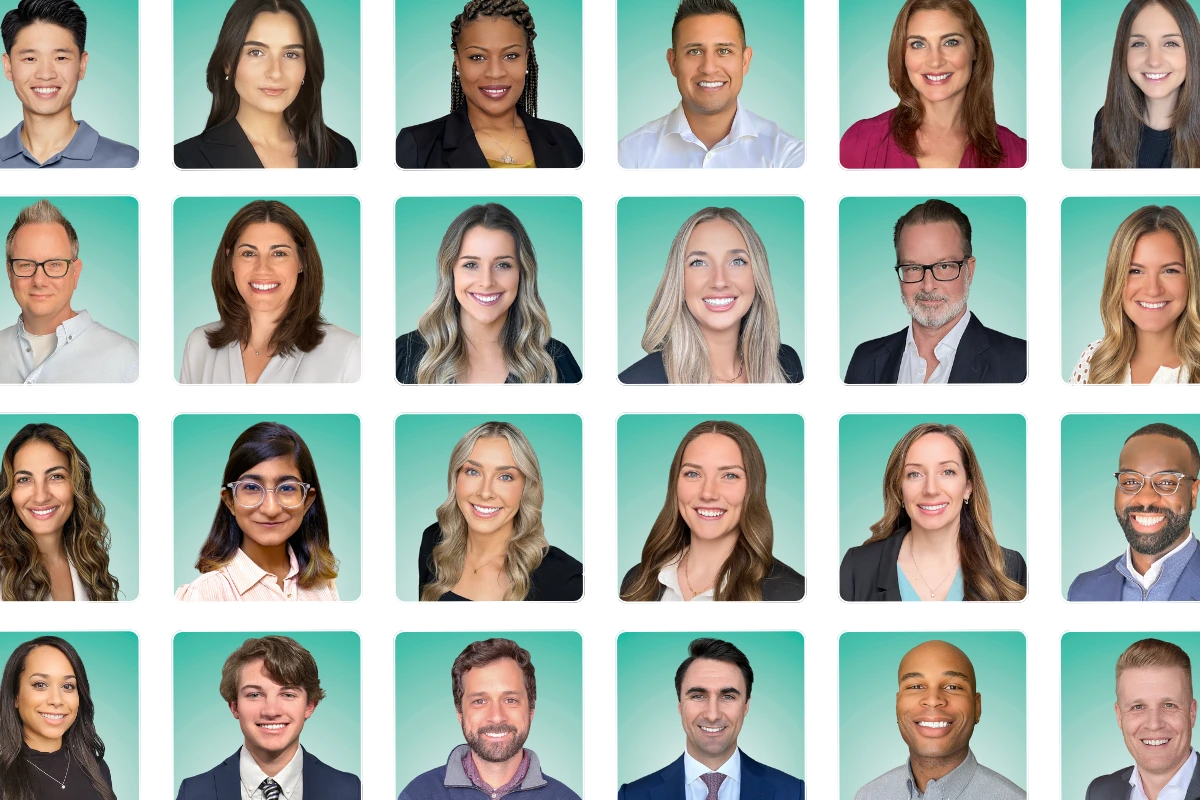
At the team level, the per-person gap narrows further. BetterPic’s team pricing starts at $34-$49/seat. Capturely’s team pricing starts at $45/person with volume discounts up to 45%. For a 200-person deployment, the difference is roughly $15-$25 per person — a fraction of what you’d save versus traditional studios, and a fraction of the brand cost if AI-generated headshots create trust issues with clients or compliance concerns internally.
For a full breakdown across every headshot method — studios, virtual, AI, DIY, and on-demand marketplaces — see our professional headshot cost guide.
Frequently Asked Questions
Is BetterPic worth it?
For individuals, usually yes. At $35-$39 for 20-60 AI-generated headshots, it’s a fraction of what a studio photographer charges and produces usable results for most buyers. BetterPic’s 4.7-star Trustpilot rating from 1,000+ reviews confirms that the majority of customers are satisfied. For teams, the value equation shifts — consistency is harder to control across many people, likeness accuracy varies, and the data retention (AI models stored up to 3 years) raises compliance questions.
How much does BetterPic cost?
BetterPic offers three individual plans: Basic ($35 for 20 headshots), Pro ($39 for 60 headshots across 3 styles), and Expert ($79 for 120 headshots across 6 styles with unlimited human edits on one photo). Team pricing starts at $34-$49 per seat with volume discounts. Additional human edits cost $8 each, and redos cost $10. Credits are non-refundable under any circumstances.
Is BetterPic safe? What happens to my photos?
BetterPic claims GDPR compliance, AES-256 encryption, and European-based data processing. However, their privacy documentation shows inconsistent retention timelines — some pages say photos are deleted within 7 days, others say 30 days, and the privacy policy allows up to 1 year. AI models trained on your facial data are stored for up to 3 years. Free tier users grant BetterPic rights to use uploaded and generated images for marketing purposes. If data privacy is a priority for your organization, review their terms carefully.
Does BetterPic actually look like you?
For the majority of users, BetterPic produces recognizable results — most positive reviews praise the likeness. However, the most common complaint across negative reviews is likeness failure: wrong facial structure, altered body type, added accessories that don’t exist, or features that don’t match the person. The accuracy depends on upload quality, your specific features, and the variability inherent in AI generation. Even satisfied users typically report that some images in a batch are unusable.
BetterPic vs HeadshotPro: which AI headshot generator is better?
Both are legitimate tools with strong reviews. HeadshotPro is cheaper ($29-$59 vs $35-$79), faster (as low as 10 minutes), and has a more generous 14-day refund policy. BetterPic offers 4K resolution at all tiers, human editing options, and uses Flux AI for potentially more realistic output. Aragon AI has the highest Trustpilot score (4.9 from 5,800+ reviews). For a detailed HeadshotPro comparison, see our HeadshotPro vs Real Photography analysis.
Can I get a refund from BetterPic?
BetterPic offers a 7-day refund window, but eligibility narrows quickly. A full refund is available only if “the order process has not been completed and no AI model specific to your request has been trained” — meaning once processing starts, your refund options shrink. Several Trustpilot reviewers have reported disputes over what counts as a “download,” with some alleging the system auto-queues images and counts them as downloaded. Credits are explicitly non-refundable.
Are AI headshots good enough for corporate teams?
It depends on how the headshots are used. For internal directories and low-visibility contexts, AI headshots can work. For client-facing websites, provider directories, marketing materials, and any context where someone will compare the headshot to the person’s real face, AI introduces risk. A Ringover study found that 66% of recruiters were put off once they learned a headshot was AI-generated (Ringover, 2024). A broader AI vs real headshots comparison breaks down the trust dynamics in detail.
BetterPic vs Capturely: which should I choose?
These serve different needs. Choose BetterPic if you’re an individual who needs an affordable headshot fast and is comfortable with AI-generated images. Choose Capturely if you’re managing team headshots, work in a trust-dependent industry, need guaranteed likeness, or want consistent results across every person. BetterPic generates AI images at $35-$79 per person. Capturely captures real photographs with live photographer direction at $45-$79 per person for teams. The per-person cost difference is modest; the quality, authenticity, and data privacy differences are significant.
The Bottom Line
BetterPic is the largest AI headshot generator in the market and it earned that position. The product works, the reviews are mostly strong, and for individuals who need a polished LinkedIn photo without the cost of a real photographer, it delivers genuine value. Ricardo Ghekiere and Miguel Rasero built something that over 100,000 people have paid for — that’s not nothing.
But BetterPic’s own product decisions tell you where AI headshots hit their ceiling. They added human editing because AI output alone isn’t always good enough. They offer redos because batches contain unusable images. They built enterprise features because team buyers have different requirements than individual buyers — requirements that AI generation strains to meet.
For teams, the calculus is straightforward. If headshots are low-stakes internal assets — Slack photos, intranet profiles — AI is fine. If they appear anywhere trust matters — your website, provider directories, client-facing materials, LinkedIn profiles that prospects check before meetings — real photography removes the risk. BetterPic’s Expert plan costs $79. Capturely’s individual rate is $79. Same price. One gives you 120 AI guesses at what you look like. The other gives you 3 real photographs of you, directed by a professional photographer, retouched by a human editor, delivered in 24 hours.
Capturely has delivered 100,000+ headshots for teams at Google, McKinsey, Netflix, Amazon, KPMG, and UnitedHealth Group — with 1,500+ reviews at 4.9 stars and a 98% satisfaction rate. Not because real photography is the cheapest option. Because when the average professional has 7 places to use a headshot and first impressions form in 100 milliseconds, the difference between generated and real has business consequences.
Your team deserves headshots that are actually them. Configure your look, choose from 98+ backgrounds, and get a free instant quote in 30 seconds. Get your instant quote →
Want to see how other headshot options compare? Read our AI headshots vs real headshots deep dive, our HeadshotPro vs real photography comparison, or explore the full professional headshot pricing guide.