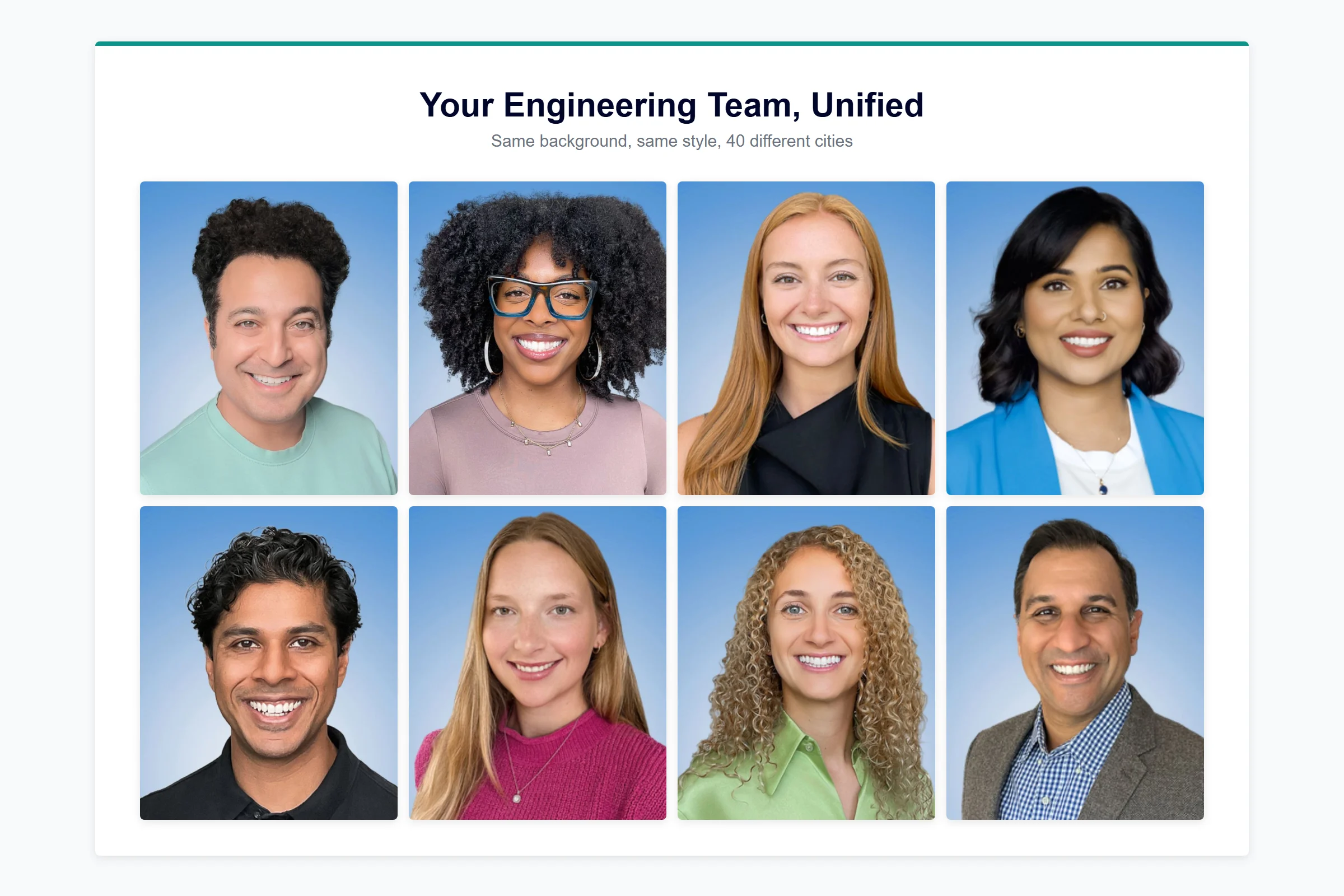
Professional headshots examples range from classic corporate portraits on solid backgrounds to creative industry shots with personality-forward styling. The best examples share five traits: controlled lighting, a genuine expression, clothing one level above your daily norm, a clean background that doesn’t compete with the face, and framing from the chest or shoulders up.
Last updated: February 2026
But “professional” doesn’t mean one look. A healthcare provider’s headshot and a tech startup founder’s headshot serve the same purpose — building trust before a handshake — but they look nothing alike. The doctor needs calm authority. The founder needs approachable energy. The attorney needs gravity. The real estate agent needs warmth.
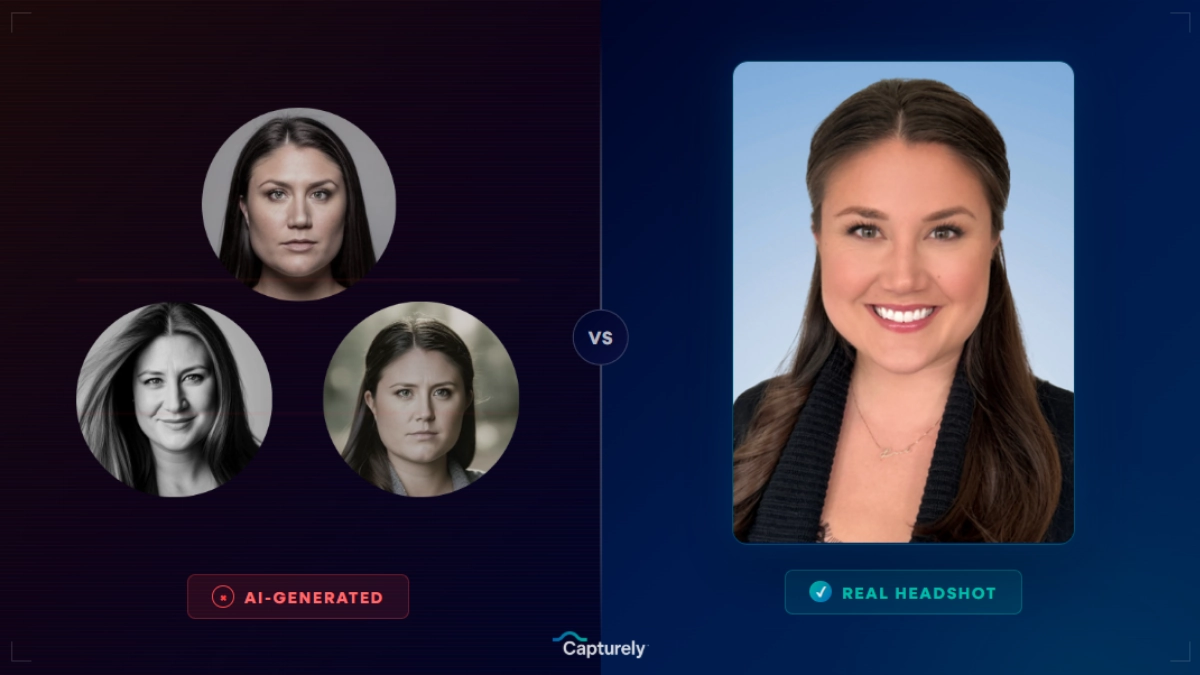
This gallery breaks down 50 professional headshot styles across eight industries, multiple style categories, and dozens of background options. Every example comes from real photoshoots — no AI-generated images, no stock photos. After delivering 100,000+ headshots to teams at Google, Netflix, McKinsey, Amazon, and hundreds of other organizations, Capturely has seen what works (and what doesn’t) across every field. For the full fundamentals, start with our complete professional headshots guide.
What Separates Great Professional Headshots from Bad Ones?
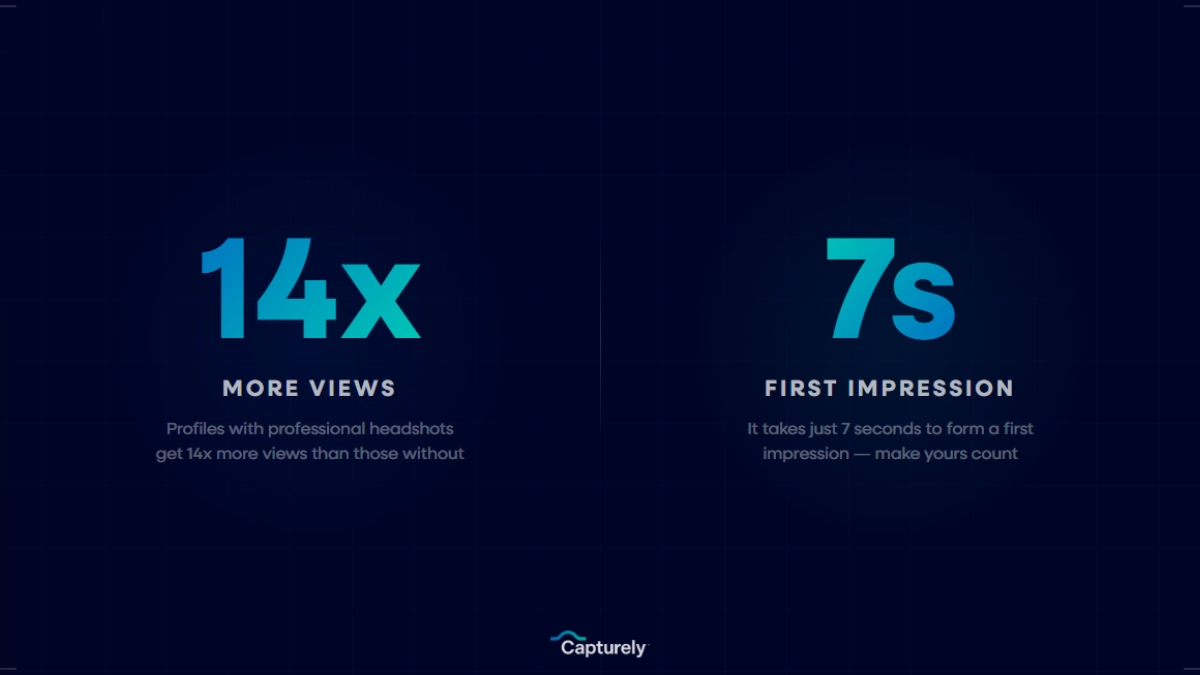
Before the gallery: the five elements that separate headshots people trust from headshots people scroll past. Researchers at Princeton found that people form trustworthiness judgments from a face in just 100 milliseconds — and those snap judgments rarely change with more time (Willis & Todorov, Psychological Science, 2006). Your headshot has to get it right instantly.
| Element | What Good Looks Like | What Bad Looks Like | Why It Matters |
|---|---|---|---|
| Expression | Genuine, relaxed, eyes engaged | Forced smile, tense jaw, dead eyes | Teeth-showing smile boosts likability +1.35 (PhotoFeeler, 2017) |
| Lighting | Soft, directional, even across face | Harsh overhead, raccoon shadows | Defined jawline shadow adds +0.24 competence (PhotoFeeler, 2017) |
| Framing | Head and shoulders, slight angle | Full body, extreme close-up | Full-body framing reduces competence by -0.29 (PhotoFeeler, 2017) |
| Background | Clean, non-distracting, consistent | Cluttered room, cropped-out people | 94% of first impressions are design-related (Missouri S&T, 2012) |
| Wardrobe | One level above daily norm, solid colors | Graphic tees, wrinkled, busy patterns | Formal dress adds +0.94 competence and +1.29 influence (PhotoFeeler, 2017) |
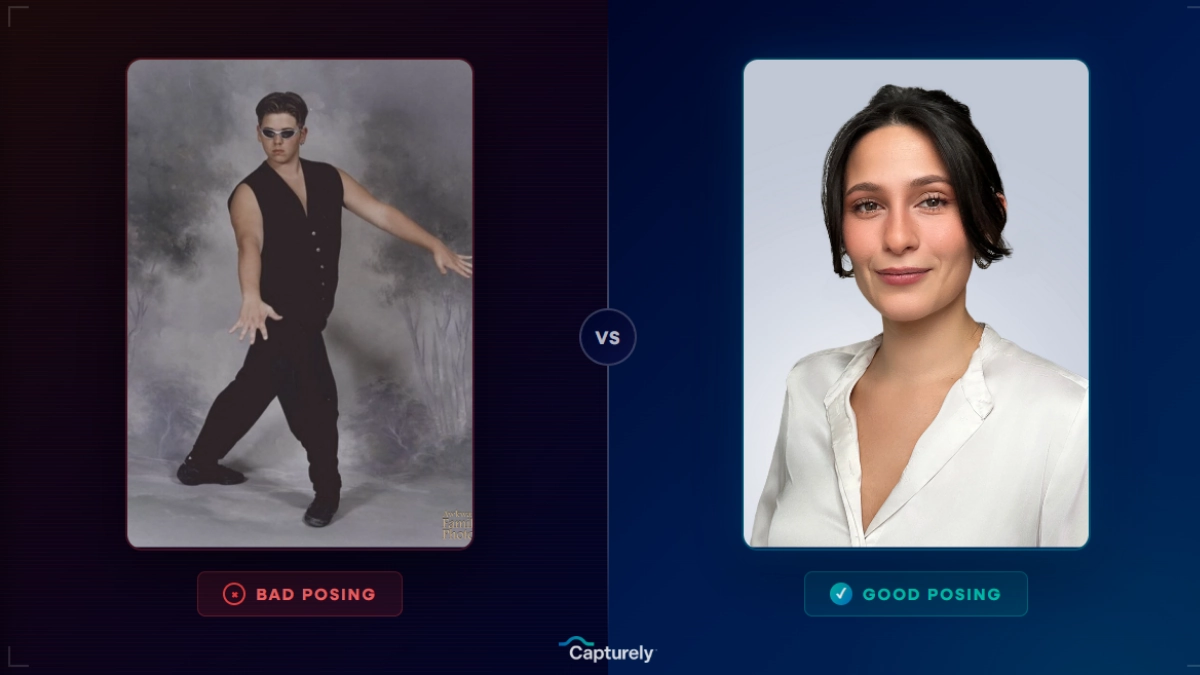
With those fundamentals locked, here’s what great headshots look like across every major industry.
Professional Headshot Examples by Industry
Every industry has unwritten rules about what a headshot should communicate. Finance says “I’m reliable.” Tech says “I’m innovative.” Healthcare says “I can be trusted with your life.” The wardrobe, expression, background, and overall energy shift based on who’s looking at the photo — and what they need to believe.
Corporate and Executive Headshot Examples
Corporate headshots are the standard: clean background, professional attire, confident expression. They appear on company websites, annual reports, board presentations, and press releases. The goal is gravity without coldness.

What defines the corporate look:
- Dark neutral backgrounds (navy, charcoal, near-black) — the fastest-growing background trend in corporate photography (Scott Lawrence Photography, 2026)
- Structured clothing: blazers, suits, dress shirts. Darker-valued clothing receives higher trust ratings than lighter values of the same style (IJERT, 2021)
- Direct eye contact, composed expression — slight smile or confident neutral
- Minimal accessories. The face is the focal point
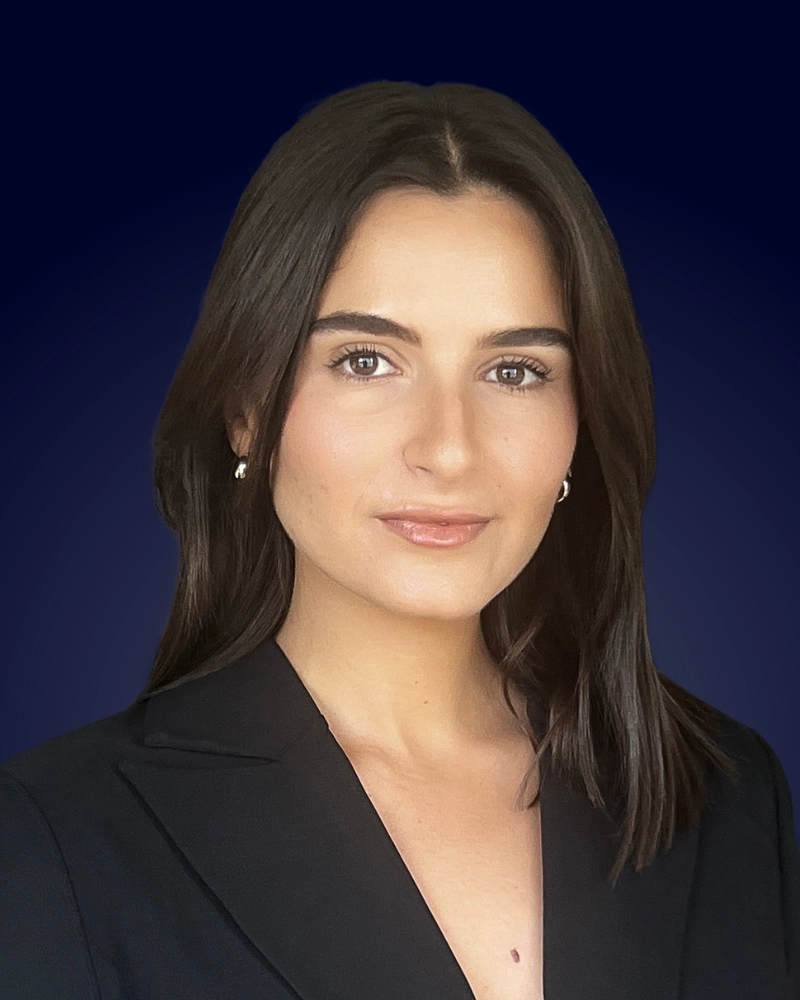
For C-suite and partner-level executives, the headshot carries extra weight. It shows up in investor presentations, conference bios, and press features. Executive portraits tend to use slightly tighter framing, more deliberate lighting, and a composed expression that signals authority without arrogance.
Healthcare Provider Headshot Examples
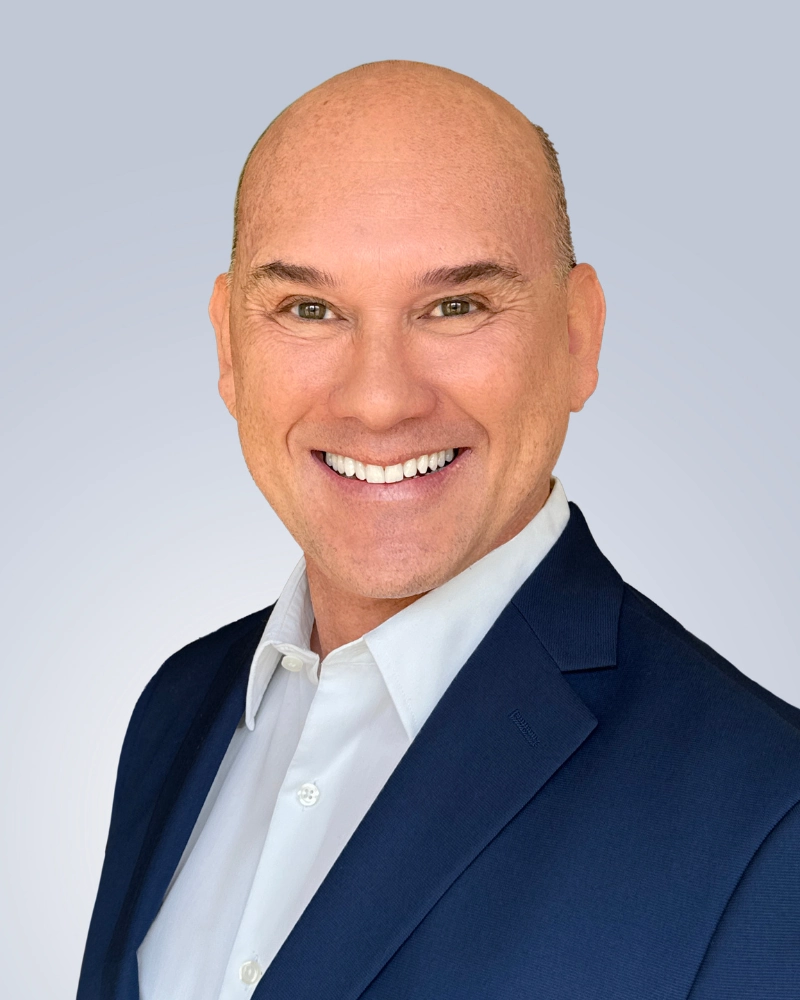
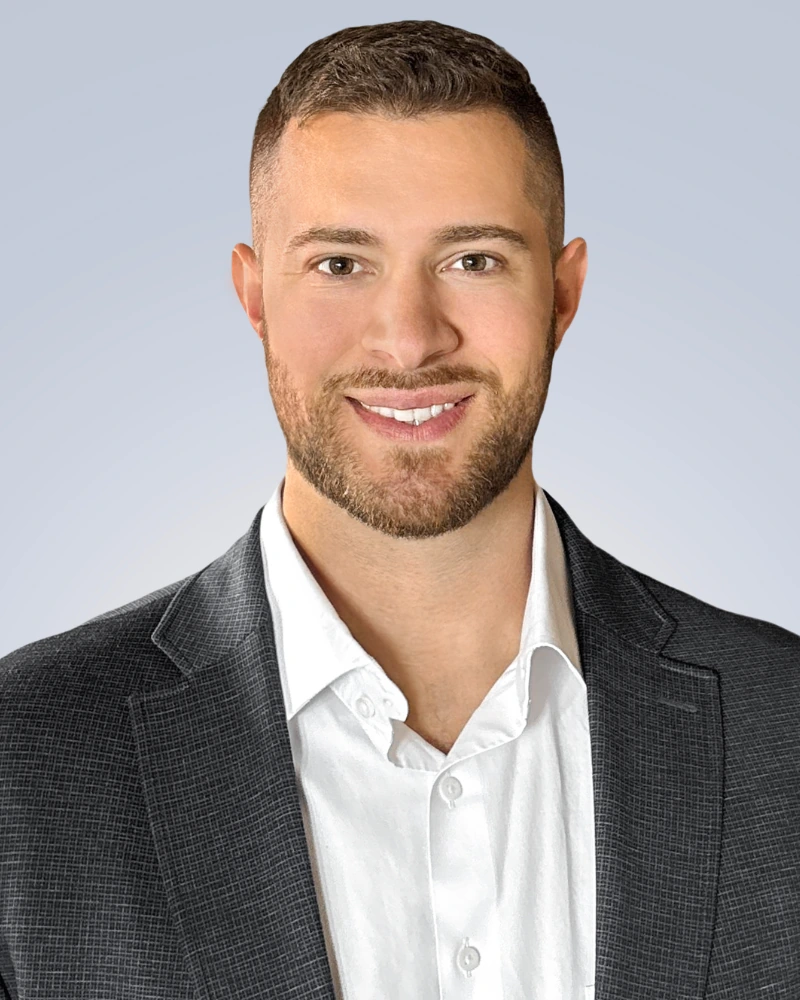
Healthcare headshots serve a specific function: build patient trust before the first appointment. A study published in Physicians Weekly found that 52% of consumers would choose a physician with a four-star rating and a photo over a five-star physician without one — the preference is strongest among parents (59%) and millennials (58%) (Doctor.com/Physicians Weekly, 2019).

What works in healthcare: Clean, light backgrounds (white, soft blue, teal) that feel clinical without being cold. Warm, approachable expression with a genuine smile — patients need to feel comfortable before they walk in. White coat is preferred by 69.9% of patients in professional photos (PMC Patient Preferences Study, 2013). Healthcare organizations like HCA Healthcare, Intermountain Health, and UnitedHealth Group use Capturely to standardize provider directory photos across hundreds of locations.
Legal and Law Firm Headshot Examples
Only 22% of U.S. survey respondents find lawyers trustworthy (The Florida Bar Professional, 2024). That makes the headshot one of the few chances an attorney has to shift perception before a consultation.
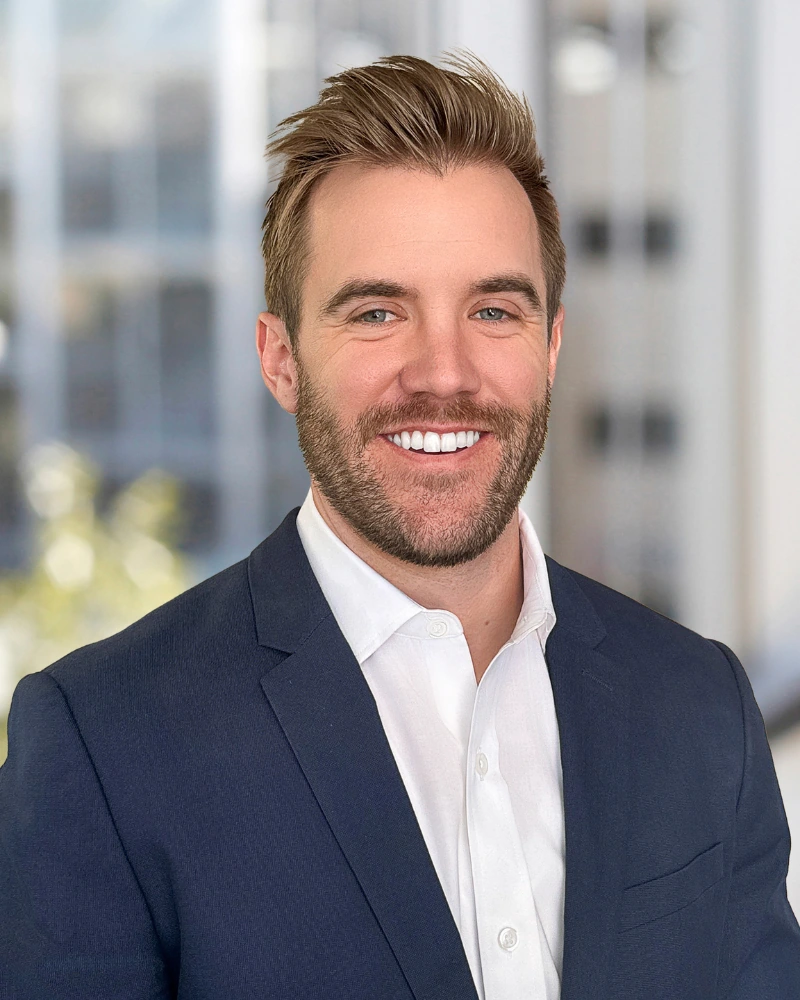
What works in law: Dark, structured suits — navy or charcoal. Squared shoulders for authority with a slight body angle for dimension. Neutral to dark backgrounds. Serious or restrained expression — a subtle closed-mouth smile works for family law and personal injury; corporate litigation often skips the smile entirely.
Real Estate Agent Headshot Examples
Real estate agents live and die by personal brand. Agents who use professional photography make double the average gross commission income compared to those who don’t (PhotoUp, 2025).
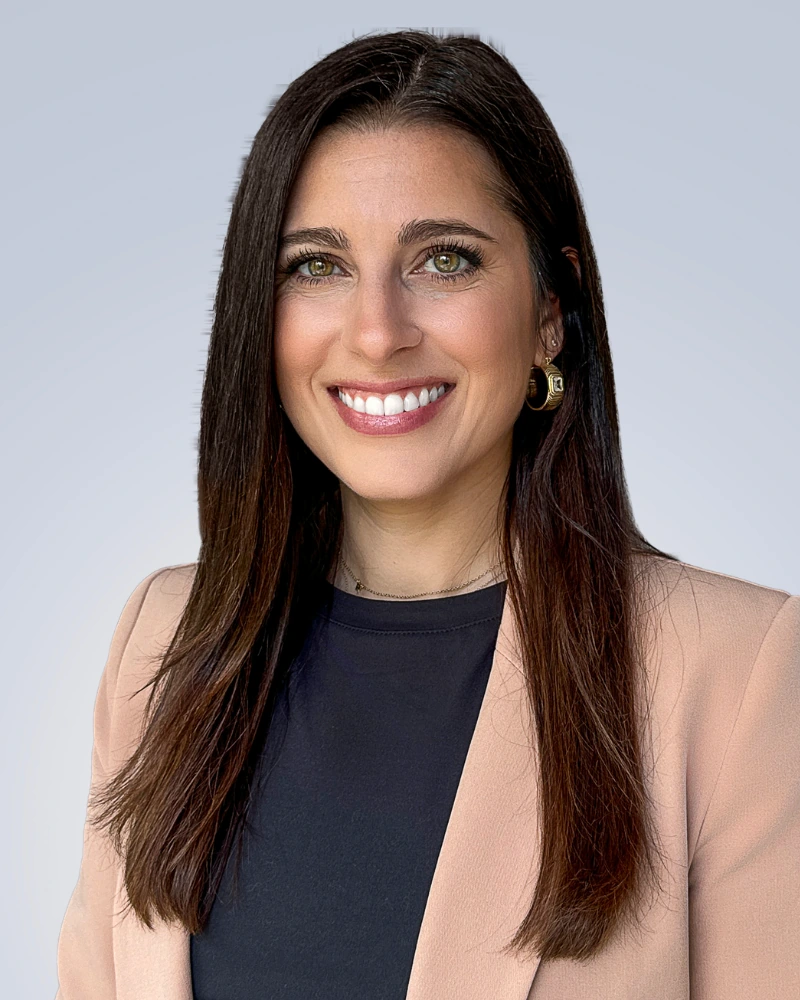
What works in real estate: Warm, genuine smile — big enough to feel welcoming, not so big it looks forced. Business casual: blazer with soft blouse or open-collar shirt. Warmer background tones or lifestyle settings. Colors that project approachability: warm blues, soft teals, neutral backgrounds. The headshot needs to say “you can trust me with the biggest purchase of your life.”
Need headshots for your team? Capturely delivers studio-quality headshots through 10-minute virtual sessions — no studio visit, no scheduling chaos. 24-hour delivery, 98+ background options, 765+ reviews at 4.9 stars. Get your instant quote →
Finance and Consulting Headshot Examples
Finance and consulting headshots split between two needs: authority for senior partners and approachability for client-facing advisors. The wardrobe stays conservative — this isn’t the industry for fashion risks — but the expression and background can shift.

What works in finance: Blue backgrounds are the industry standard — blue signals trust, calm, and dependability (Karen Vaisman Photography, 2026). Formal attire: suits, blazers, dress shirts. Direct eye contact, confident expression.

Technology and Startup Headshot Examples
Tech has moved past hoodies but hasn’t swung to suits. The rule: dress one level above your daily norm. Cashmere sweaters and layered looks are the current sweet spot for tech headshots.

What works in tech: Business casual — clean crew necks, fitted button-downs, optional blazer. Lighter, cleaner backgrounds (white, soft gray, subtle gradients). Open, genuine smile. Relaxed posing with a slight body angle — less rigid than corporate, more polished than casual.

Creative and Marketing Headshot Examples
Creative professionals get more room to play. Agency leaders, designers, writers, and marketing executives can push into bolder territory — textured clothing, statement colors, expressive backgrounds. The headshot itself becomes a portfolio piece.
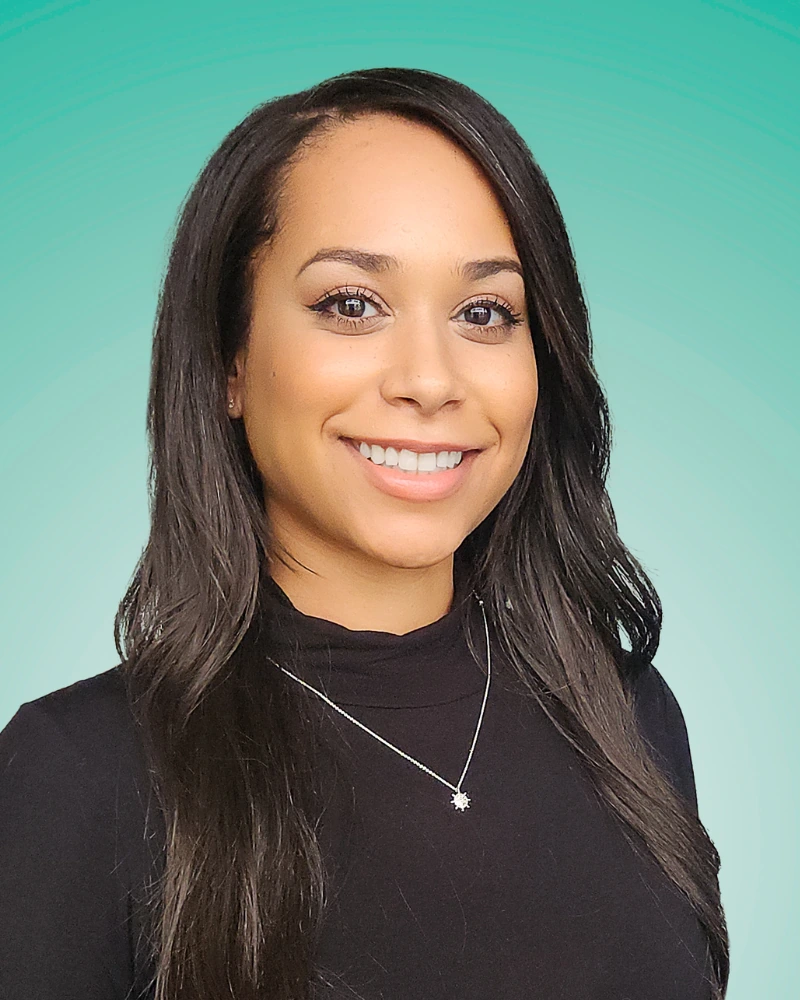
What works in creative industries: Bold background colors (teal, warm orange, deep red). Expressive clothing with statement pieces and jewel tones. Personality-forward expressions with wider smiles and visible energy. Can push into three-quarter framing or environmental elements.

Education Headshot Examples
Education headshots need warmth above all. Whether for a school staff directory, university faculty page, or conference presentation, the viewer is a student, parent, or colleague who needs to feel comfortable.
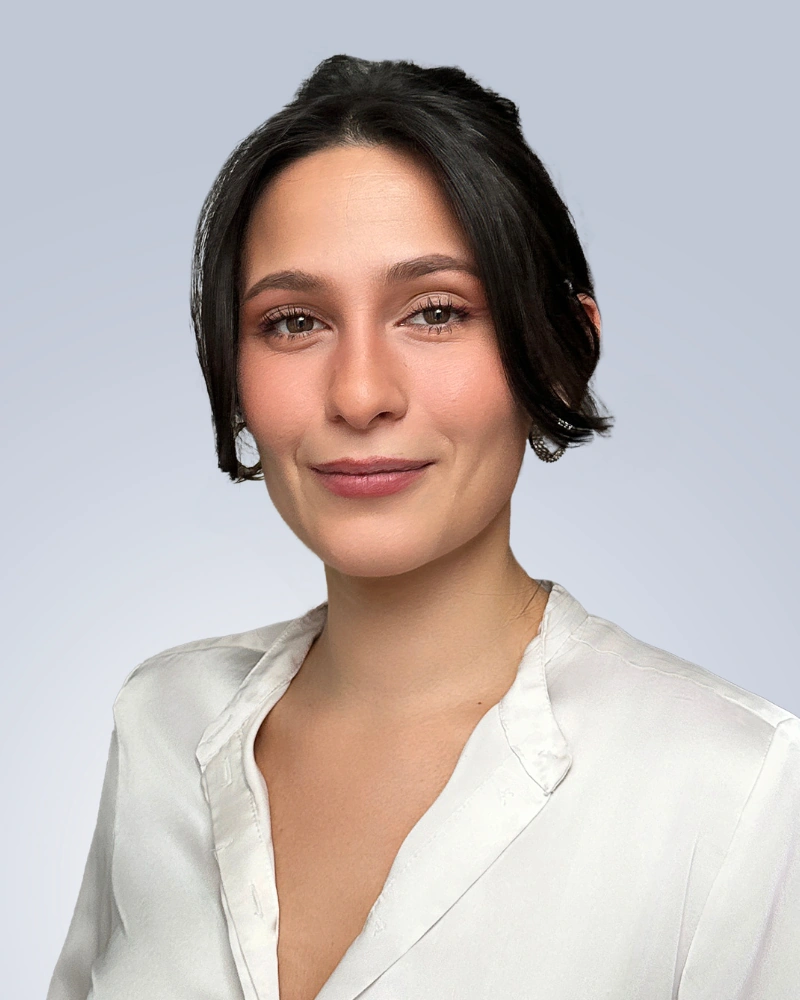
What works in education: Soft, warm backgrounds (gray, light blue, warm tones). Business casual to smart casual — soft knit sweaters, approachable layering. Genuine, warm smile. Natural lighting preferred. Overly corporate reads as cold in an academic setting.
For more on choosing the right outfit for your industry, see our full what to wear for professional headshots guide.
Modern Corporate Headshots vs. Traditional: What’s Changed
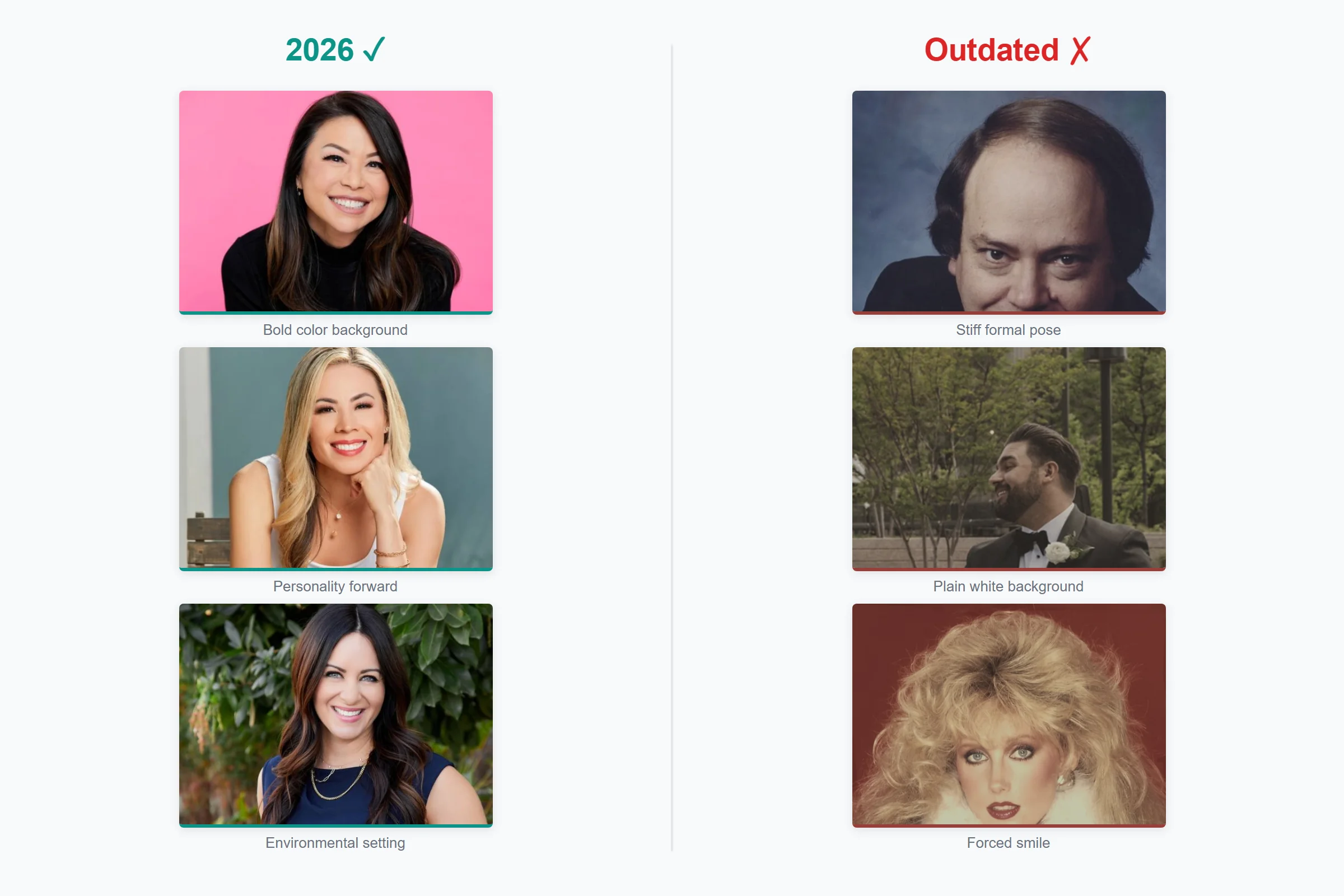
Modern corporate headshots have evolved away from the rigid, over-retouched studio portraits of the 2010s. Today’s standard leans toward authenticity, darker neutral backgrounds, and minimal post-processing that preserves natural skin texture.
| Element | Traditional (Pre-2020) | Modern (2024-2026) |
|---|---|---|
| Expression | Rigid smile, tense posture | Relaxed, genuine micro-expressions |
| Lighting | Harsh three-point studio setup | Soft, natural, or diffused studio light |
| Background | Bright white or mottled canvas | Dark neutrals, subtle gradients, brand-matched |
| Attire | Full suit and tie mandatory | Industry-appropriate; business casual accepted |
| Retouching | Heavy skin smoothing, “airbrushed” | Light touch — remove distractions, preserve texture |
| Framing | Head-and-shoulders only | Head-and-shoulders standard, three-quarter for marketing |
According to Peter Hurley, headshot photographer who has directed over 30,000 sessions: “Confidence is in the eyes; friendliness is in the mouth.” His “squinch” technique — a slight narrowing of the lower eyelids — is one of the defining characteristics of modern headshot photography, projecting confidence without hostility.
Creative Corporate Headshot Examples
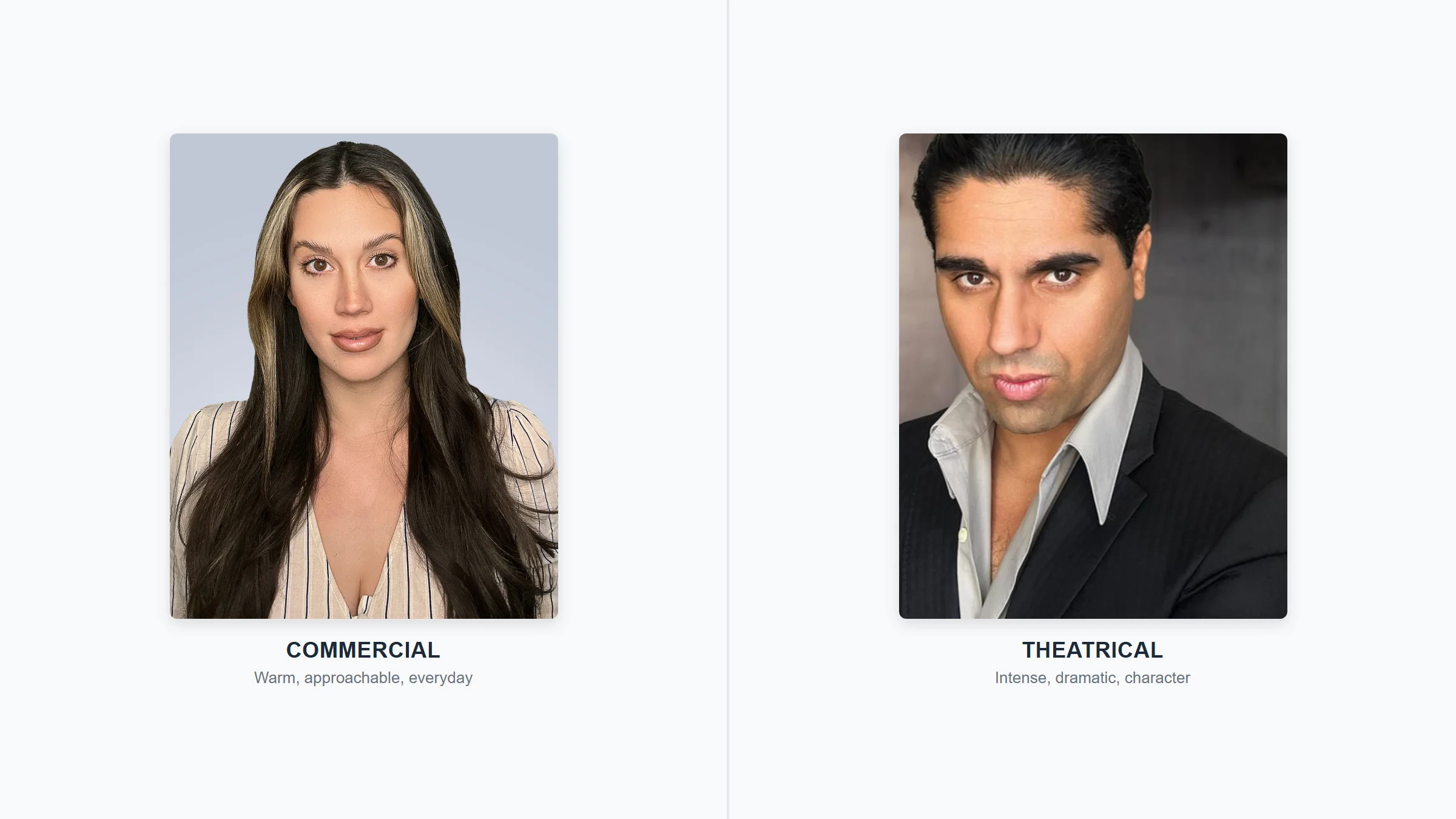
Creative corporate headshots break the mold without breaking professionalism. They work best in tech, startups, creative agencies, marketing, non-profits, and any organization that values personality alongside polish.

Creative approaches that still read as professional:
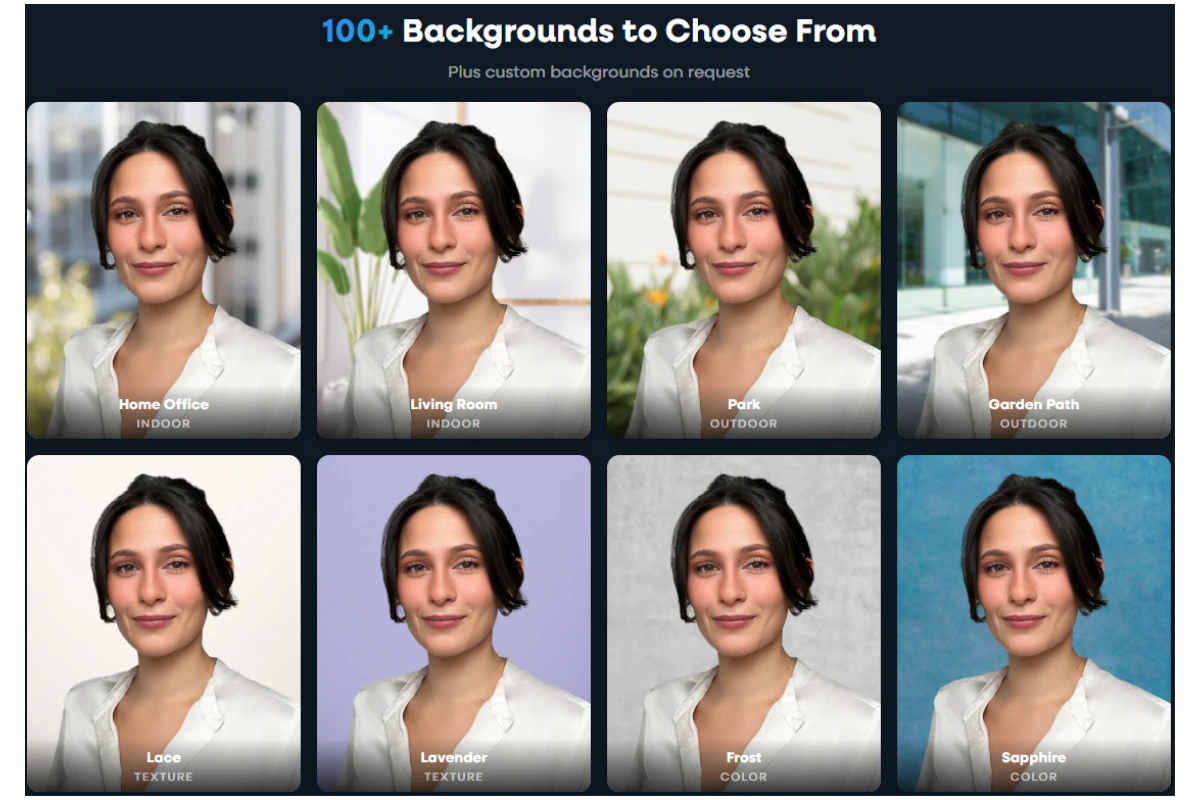
- Brand-colored backgrounds: Match your headshot background to your company’s brand palette. Capturely offers 98+ background options plus custom backgrounds for exact color matches
- Environmental and lifestyle shots: Photographed in context — an architect at a site, a chef in their kitchen, a coder at their desk
- Bold wardrobe choices: Statement pieces, textured fabrics, jewel tones that reflect creative identity
- Relaxed posing: Leaning, laughing, mid-conversation energy. Less rigid, more human
- Black and white: Timeless, eliminates color distraction, adds editorial quality. Works well for artists, authors, and executive profiles
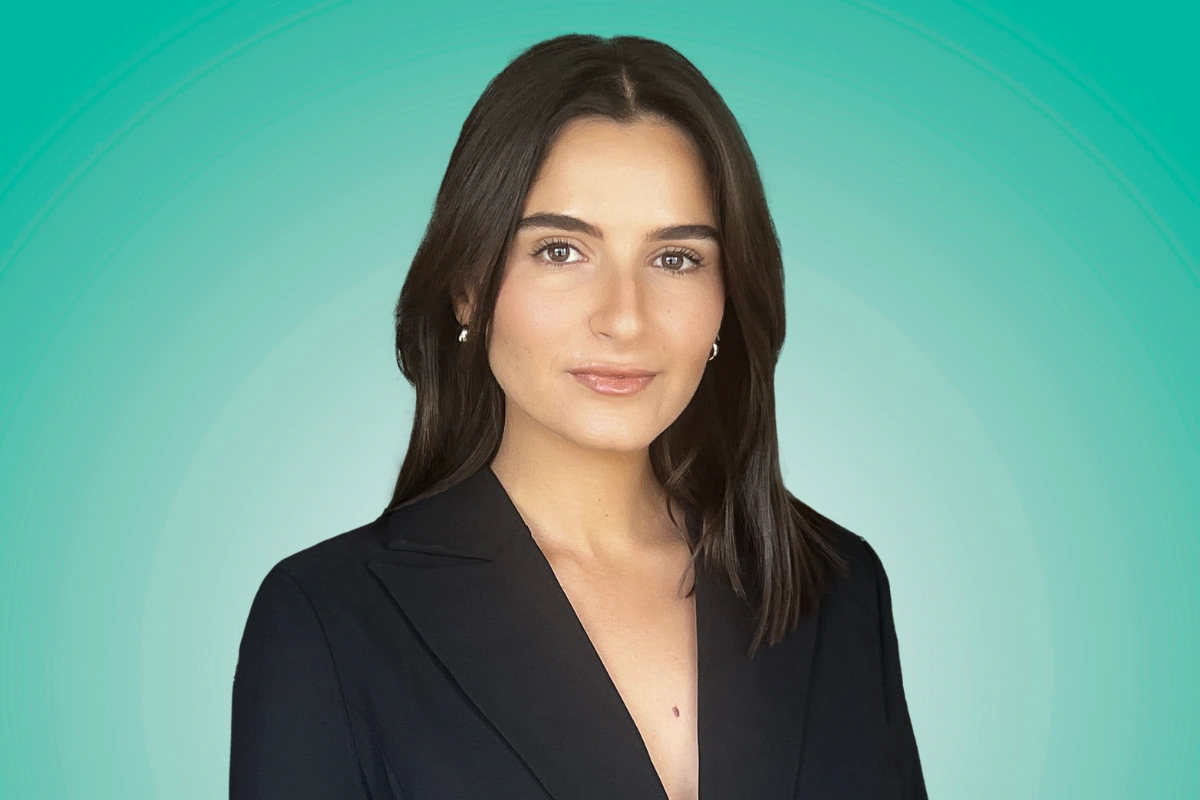
The line between “creative” and “unprofessional” depends on your industry. Law firms and banks stay conservative. But even traditionally formal sectors are loosening — the shift from suit-and-tie-mandatory to “industry-appropriate” has opened space for more personality-forward headshots across the board.
How to Choose the Right Headshot Background
The background sets the emotional tone of the entire image. The wrong choice can undermine an otherwise great headshot.
| Background | Best For | Mood | Industries |
|---|---|---|---|
| White / Light Gray | Provider directories, corporate standard | Clean, neutral, timeless | Healthcare, government, enterprise |
| Medium Gray | All-purpose professional use | Sophisticated, balanced | All industries |
| Navy / Dark Blue | Authority and trust | Trustworthy, stable, commanding | Finance, law, consulting, C-suite |
| Charcoal / Near-Black | Modern corporate, editorial | Dramatic, premium, distinctive | Tech, creative, executive portraits |
| Teal / Brand Colors | Brand identity, website consistency | Distinctive, on-brand, memorable | Tech, startups, creative, marketing |
| Environmental | Lifestyle branding, social media | Authentic, approachable | Real estate, non-profit, education |
For a deeper dive into background selection with side-by-side comparisons of all 15 options, see our professional headshot backgrounds guide.
Team Headshot Consistency: Why It Matters More Than Individual Quality
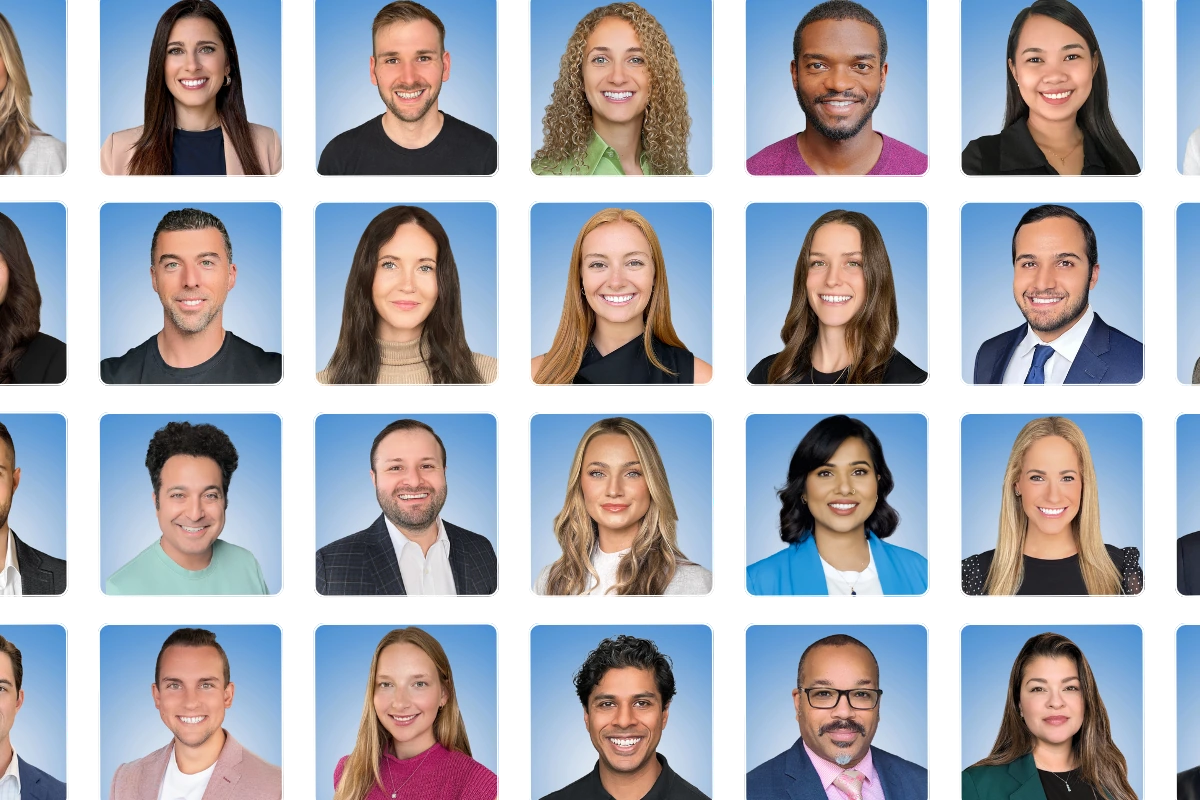
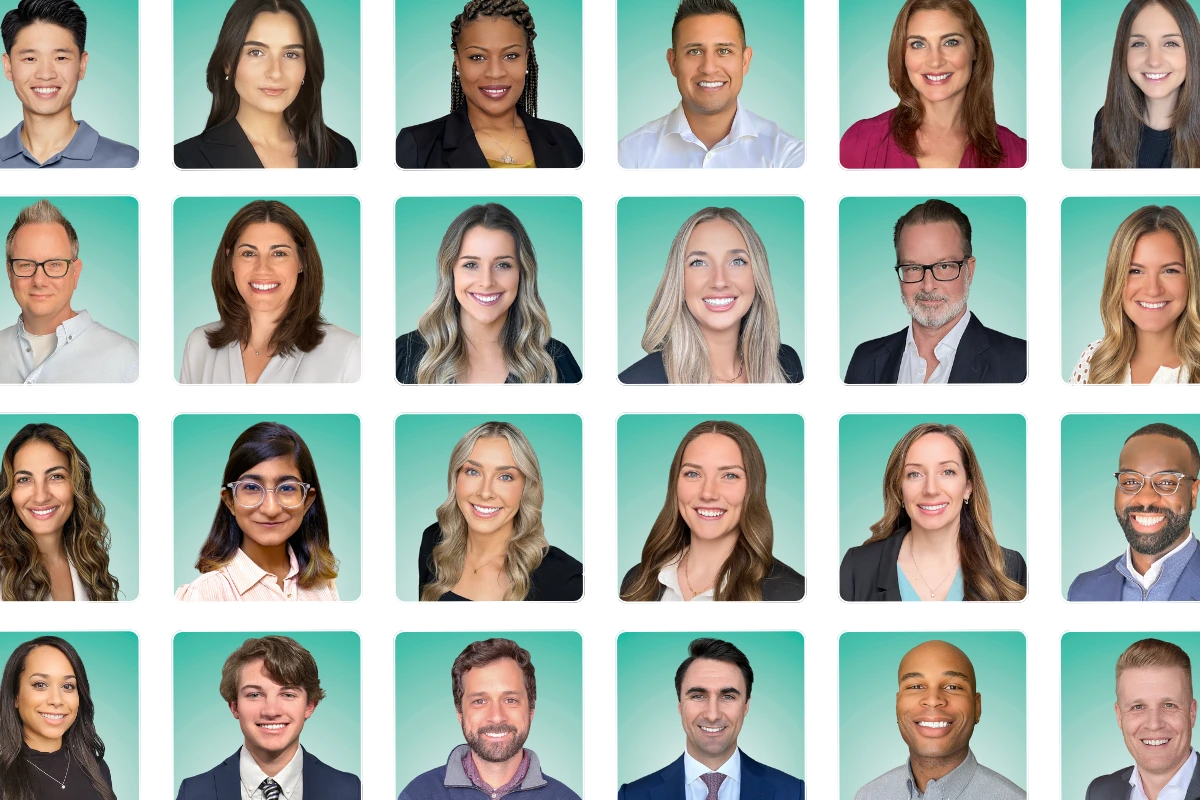
Individual headshot quality matters. But for organizations, consistency matters just as much. A team page where each person has a different background, different lighting, and a different crop looks disjointed — and that inconsistency undermines the brand before anyone reads a single bio.
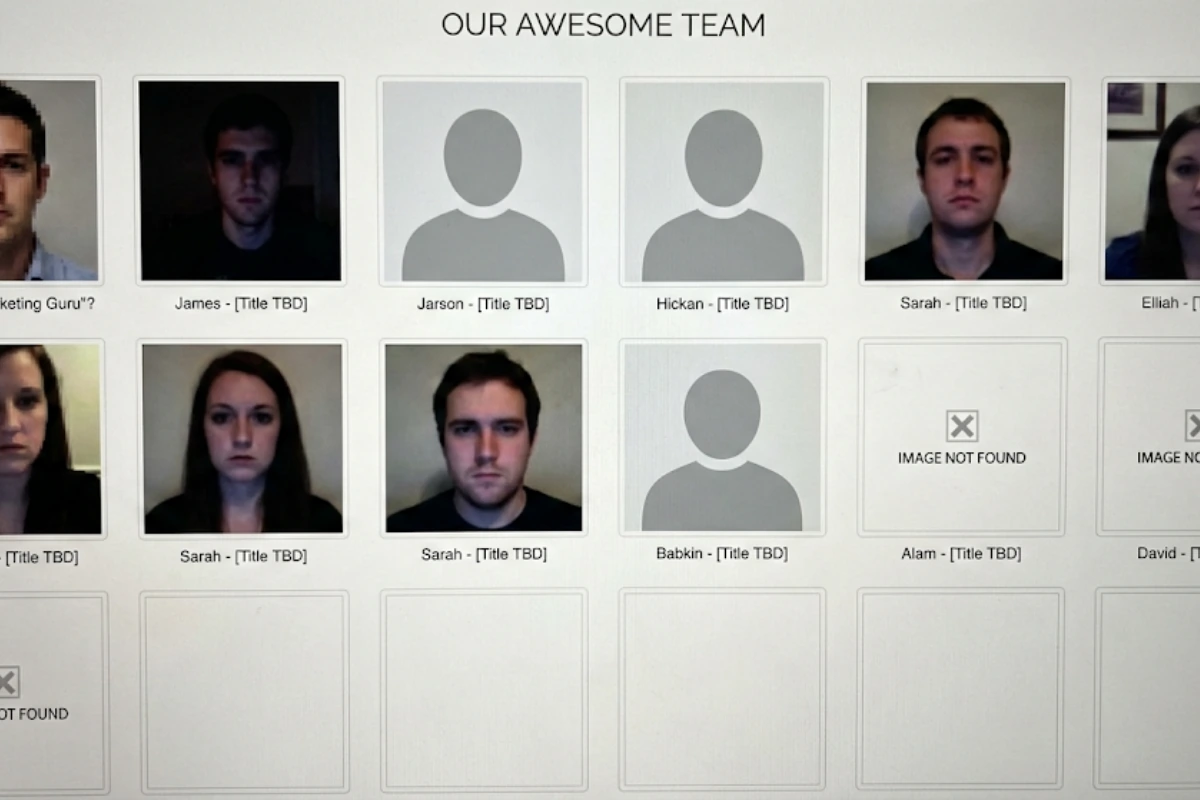
Consistent brand presentation across all platforms increases revenue by up to 10-20% (G2 Branding Statistics, 2025). That extends to team photography. When every headshot on your about page shares the same background, lighting quality, and retouching style, the visual signal is clear: this is a professional, cohesive organization.
As Jeff Maldonado at AmeriLife put it: “We had no mechanism to ensure their headshots met our brand standards. Capturely solves that. We now have standards of formatting, consistent delivery, and everyone’s been on the nose of where we needed to be.”
Capturely solves the consistency problem by letting admins set the standard once — background, cropping, retouching style — then distributing session links to every employee regardless of location. Whether you have 15 people or 5,000, every headshot matches.
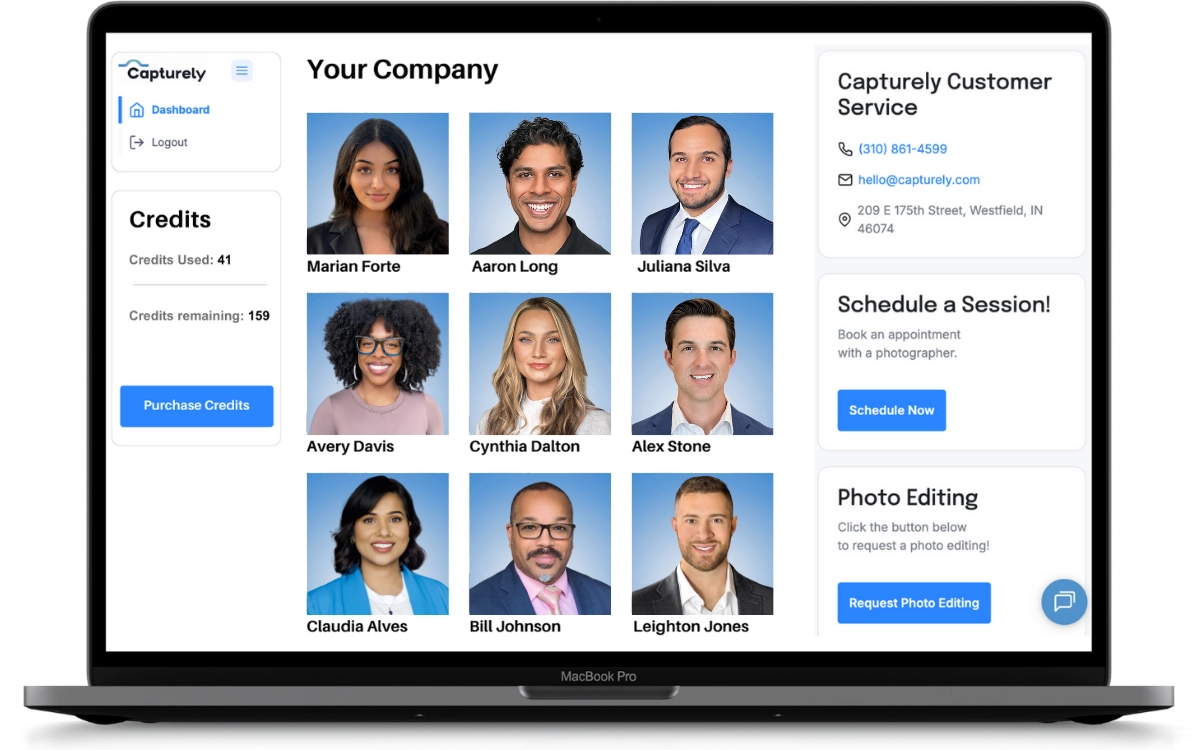
See the quality for yourself. Capturely offers free demo sessions so you can experience live photographer direction firsthand. 765+ reviews at 4.9 stars. 24-hour delivery. Teams save up to 45%. Book a free demo →
Virtual Headshot Examples: Studio Quality from a Smartphone
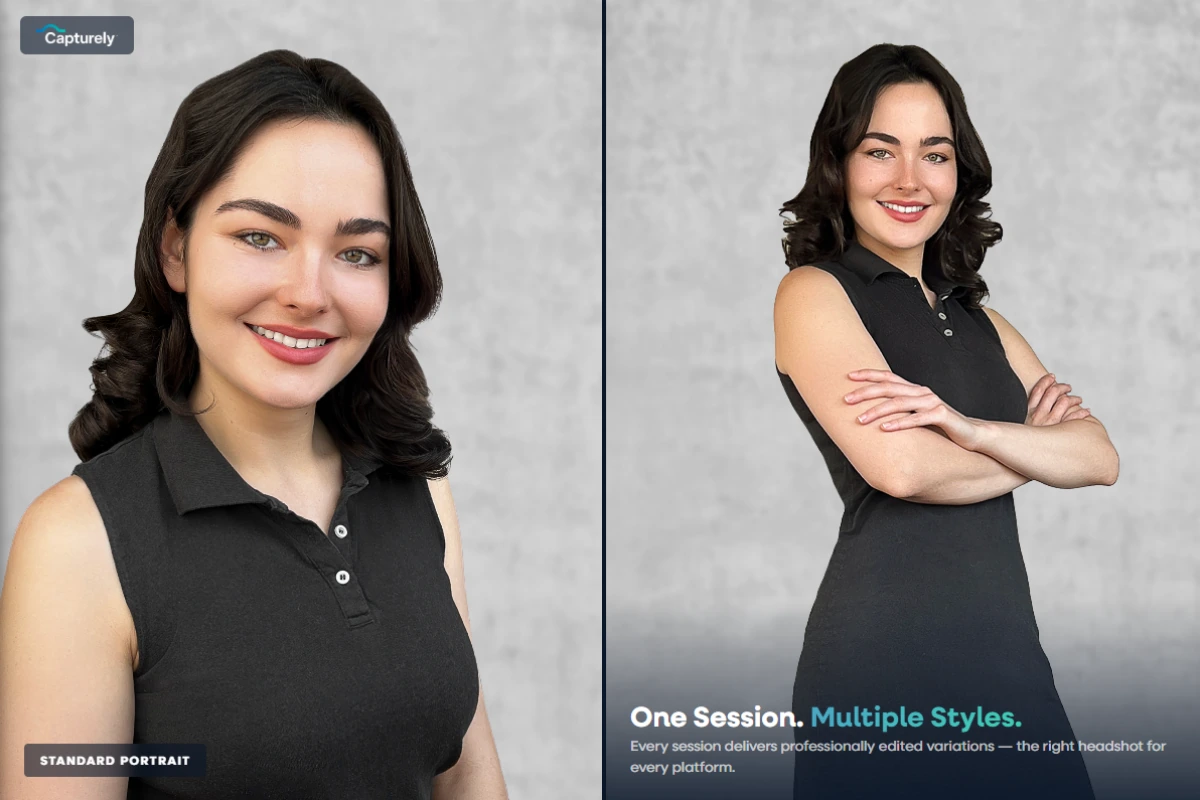
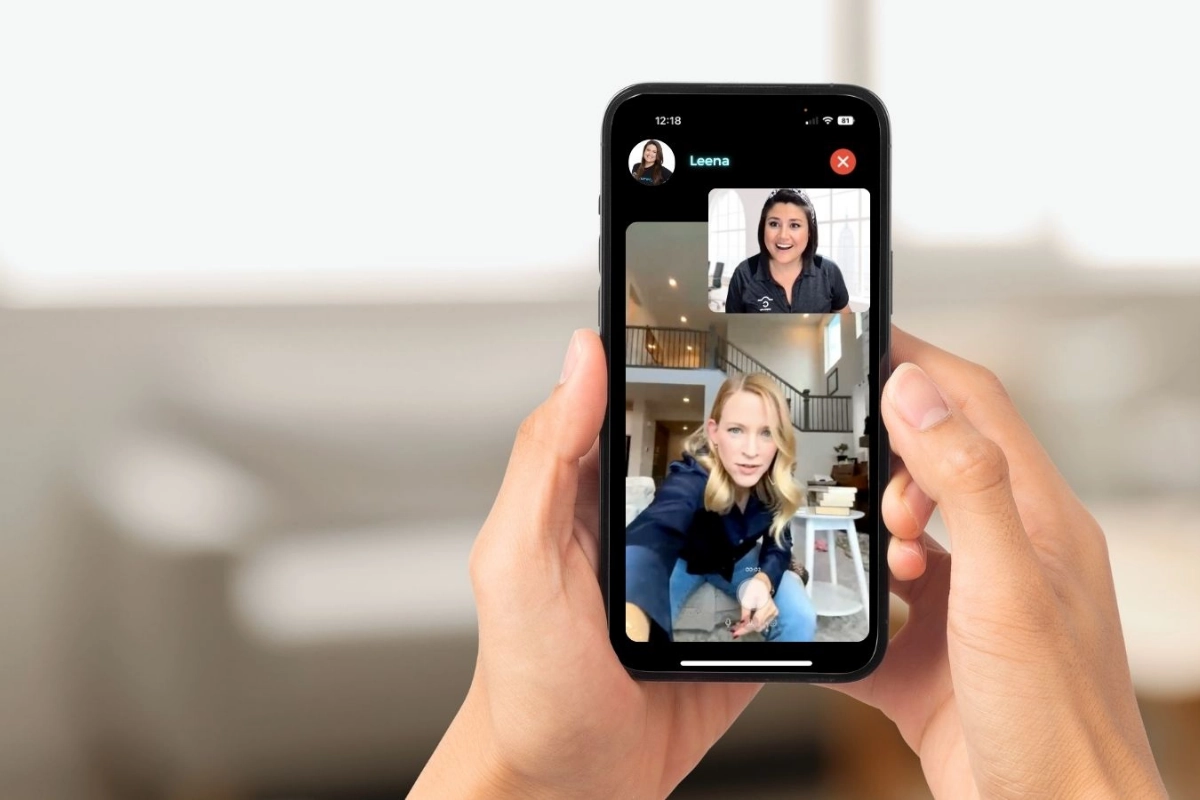
Virtual headshots are the fastest-growing category in professional photography — and the one competitors don’t show you. Every portrait-style image in this gallery was captured through a virtual process: real photographer, real-time direction, smartphone rear camera. No studio visit. No scheduling chaos.
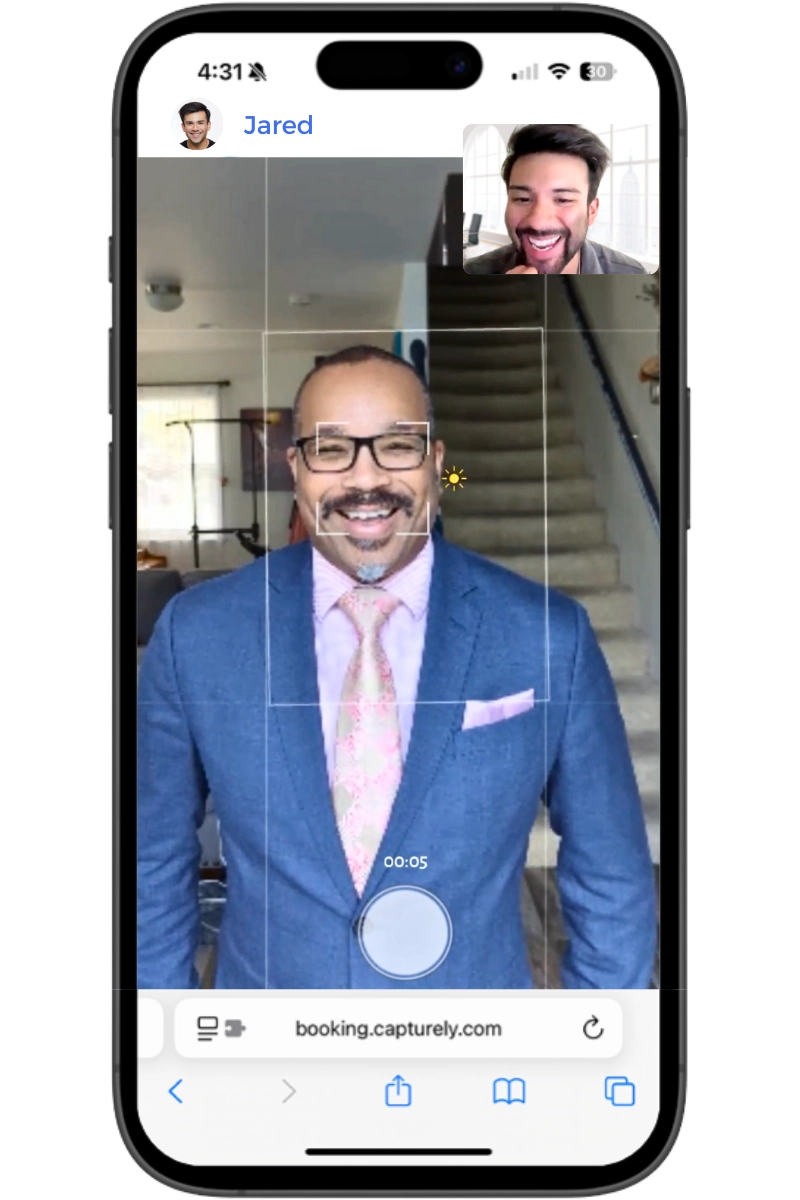
Modern rear cameras capture at 36-48 megapixels — more than enough for professional-quality headshots. The camera hardware isn’t the limitation. Lighting, composition, and direction are. That’s why Capturely pairs smartphone capture with a live professional photographer who coaches posture, expression, angle, and lighting in real time. The whole session takes about 10 minutes. Three retouched images are delivered within 24 hours.
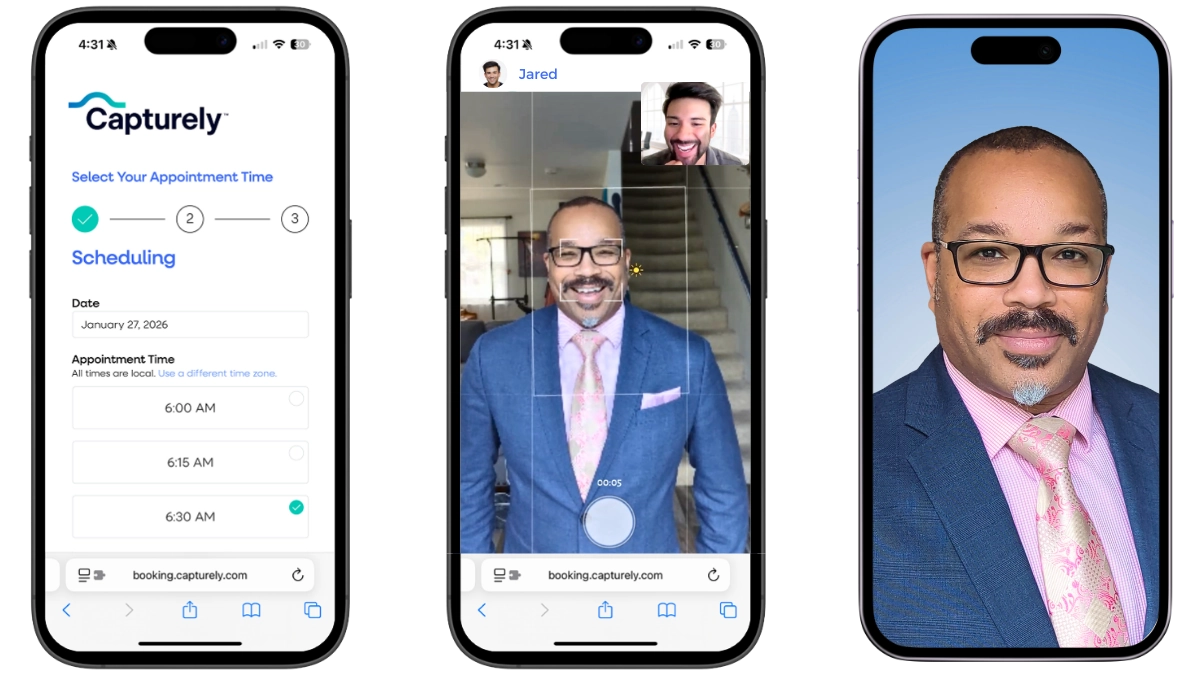
The quality speaks for itself — and it’s why Google, Netflix, McKinsey, Amazon, Microsoft, and hundreds of other organizations trust virtual headshots for their distributed teams.
How Much Do Professional Headshots Cost?
Professional headshot pricing ranges from free (DIY) to $450+ (traditional studio). The right choice depends on how the photos will be used, how many people need them, and whether team consistency matters.
| Method | Price Range | Live Direction? | Real Photos? | Best For |
|---|---|---|---|---|
| Traditional studio | $150-$450/session | Yes (in-person) | Yes | Individuals wanting maximum control |
| Virtual + live photographer (Capturely) | $45-$79/person | Yes (via phone) | Yes | Teams and remote professionals |
| Self-guided virtual (Headshots.com) | $40-$60/person | No | Yes | Budget-focused solo use |
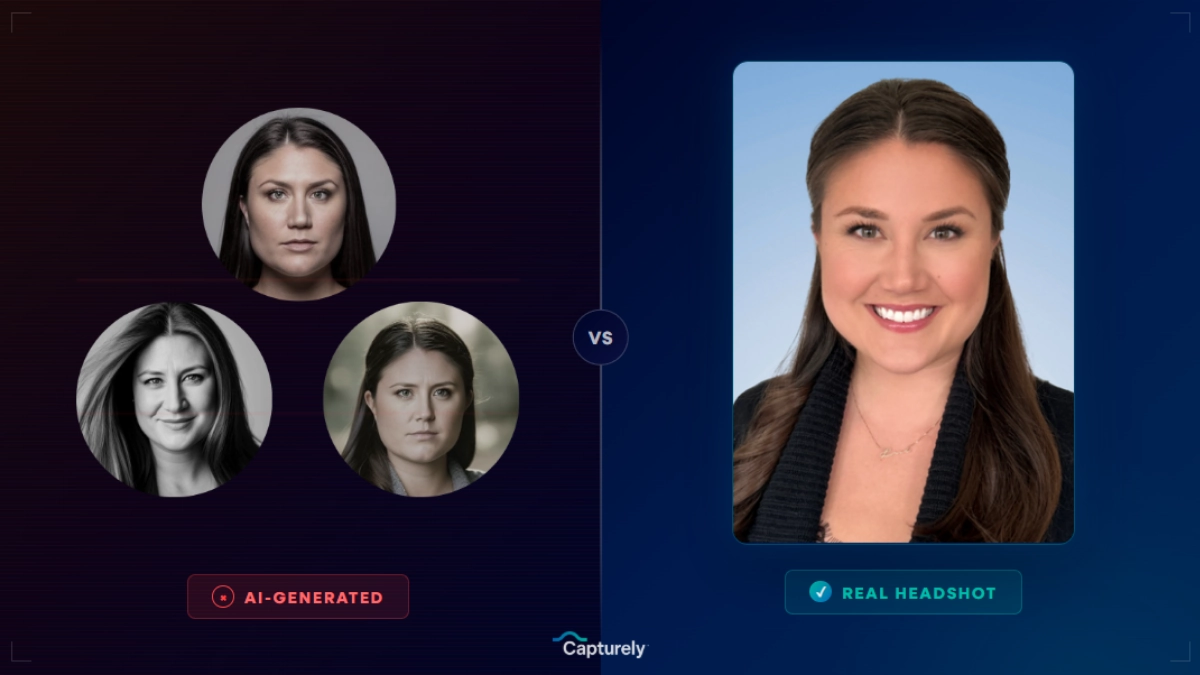
| AI headshot generator | $29-$59/person | No | No (AI-fabricated) | Low-stakes use only |
| DIY at home | Free | No | Yes | Better than no headshot |
A note on AI headshots: they’re the cheapest option, but they’re not photographs. They’re digitally fabricated images trained on selfies you upload. Consumer polls found 38% of respondents called AI-generated headshots “soulless,” and multiple enterprise organizations now prohibit AI-generated imagery for client-facing roles.
For the full pricing breakdown with volume discounts and cost-per-person analysis by team size, see our professional headshot cost guide.

Where to Use Your Professional Headshot
The average professional now has seven places to use a headshot. Getting all of them consistent from one session saves you from hunting down different photos for different platforms.
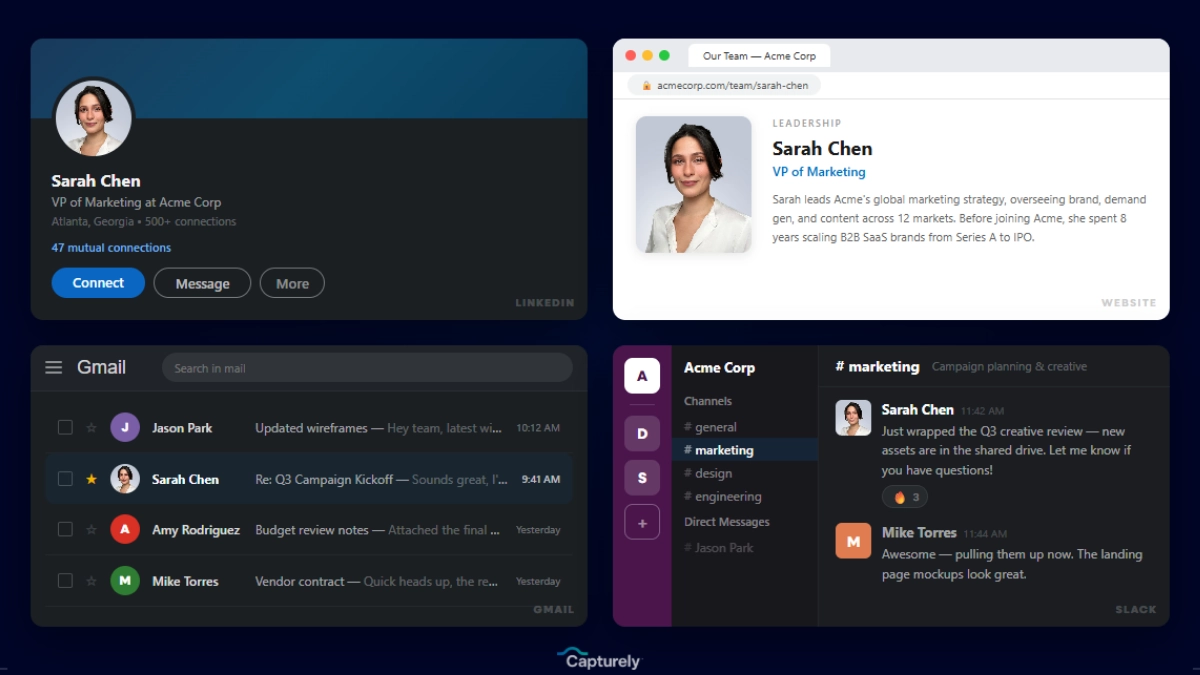
- LinkedIn profile — profiles with professional photos get 21x more views and 36x more messages (LinkedIn Talent Solutions, 2017)
- Company website and About page — often the second or third most-visited page on a corporate site
- Email signature — puts a face to every message you send
- Slack, Teams, and internal tools — builds connection in remote and hybrid teams
- Provider directories — 52% of patients choose a physician with a photo over a higher-rated one without (Physicians Weekly, 2019)
- Conference bios and speaker pages
- Proposals and client-facing materials
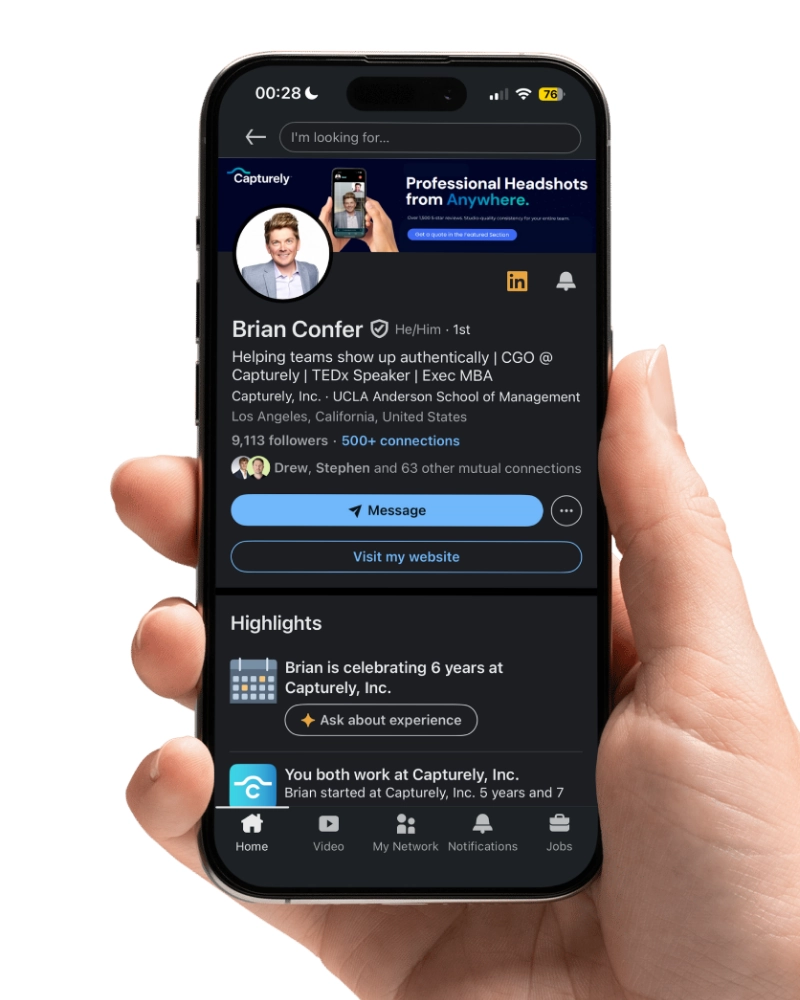
For more on how your headshot impacts LinkedIn specifically, see our guide on the best professional headshot for LinkedIn. And for women-specific styling, posing, and wardrobe recommendations, check out professional headshots for women.
Ready to update your team’s headshots? Capturely delivers professional, consistent headshots at scale — $45-$79/person for teams, 10-minute sessions, 24-hour delivery, 98+ backgrounds. Trusted by Google, Netflix, McKinsey, and Amazon. Get your instant quote →
Frequently Asked Questions
What is a good example of a professional headshot?
A good professional headshot is a head-and-shoulders photograph with controlled lighting, a genuine expression, a clean non-distracting background, and wardrobe one level above your daily norm. The subject’s eyes should be sharp and engaged, the jawline defined by directional light, and the image framed from chest or shoulders up. Formal dress adds +0.94 perceived competence and a genuine smile adds +1.35 likability (PhotoFeeler, 2017).
What should I wear for a professional headshot?
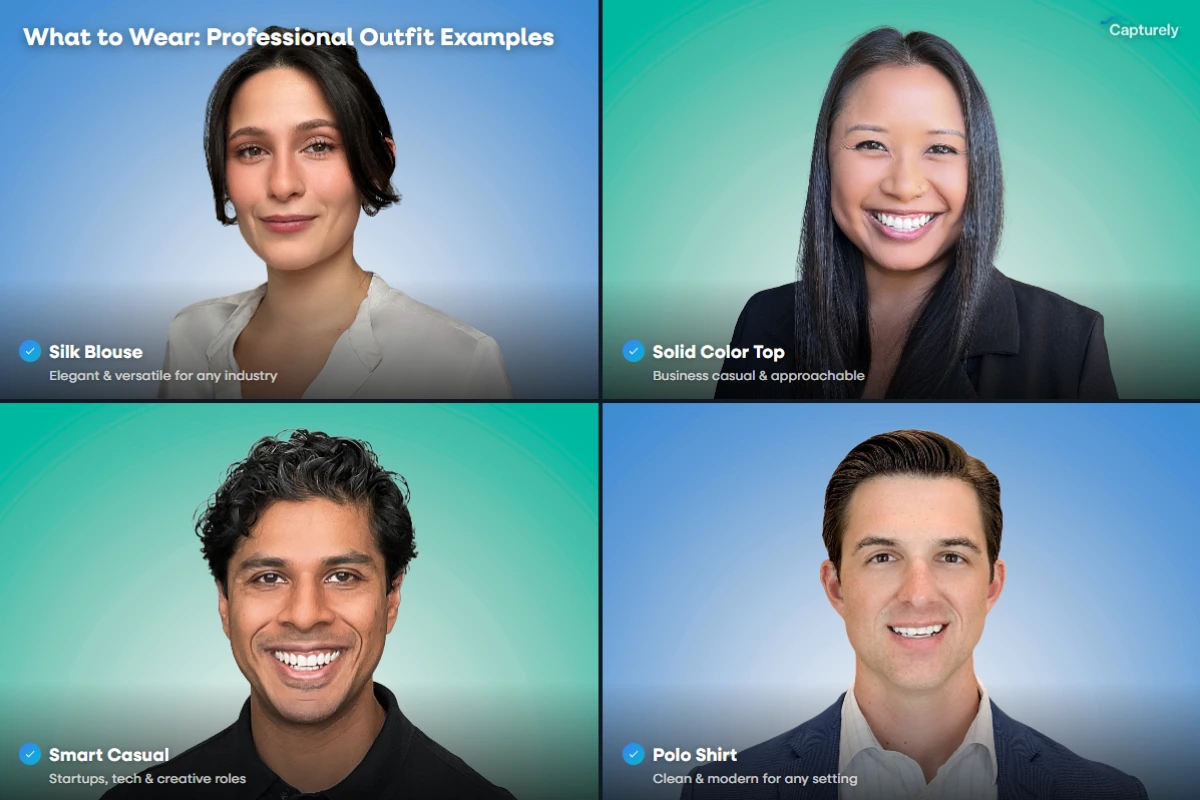
Wear solid colors one level above your daily norm — if you wear jeans to work, shoot in a blazer. Navy, charcoal, and jewel tones score highest for trust perception (IJERT, 2021). Avoid busy patterns, logos, and neon colors. Match formality to your industry: suits for finance and law, business casual for tech, bolder pieces for creative fields. For the full guide, see what to wear for professional headshots.
What makes modern corporate headshots different from traditional?
Modern corporate headshots use darker neutral backgrounds (charcoal replacing white), softer natural lighting, minimal retouching that preserves skin texture, and relaxed genuine expressions. The biggest shift is authenticity over perfection. Heavy airbrushing and rigid “cheese” smiles are out. Companies want headshots that look like the actual person in the room, not an over-retouched version of someone else.
Should I smile in my professional headshot?
In most cases, yes. PhotoFeeler’s analysis of 60,000+ ratings found a teeth-showing smile boosts likability by +1.35, competence by +0.33, and influence by +0.22 (PhotoFeeler, 2017). The exception: legal, finance, and executive contexts where a composed neutral projects more authority. The key is a genuine smile — forced smiles with clenched jaws read as uncomfortable and undermine trust.
What is the best background for professional headshots?
It depends on your industry. White or light gray works for healthcare directories and large enterprises. Navy and dark blue signal trust — ideal for finance, law, and consulting. Charcoal and near-black are the fastest-growing trend for modern corporate headshots (Scott Lawrence Photography, 2026). Teal and brand colors work for tech and creative fields. For 15 options compared, see professional headshot backgrounds.
Can I take a professional headshot with my phone?
Yes — modern rear cameras capture at 36-48 megapixels, more than enough for professional quality. The hardware isn’t the limitation; lighting and direction are. Virtual headshot services like Capturely pair smartphone capture with a live professional photographer who coaches posture, expression, and angle in real time. For DIY, use the rear camera (not selfie), face a large window for natural light, use a clean background, and have someone else hold the phone at eye level.
How often should I update my professional headshot?
Every one to two years, or whenever your appearance changes noticeably — new hairstyle, different glasses, weight changes. A study found 71% of recruiters have rejected qualified candidates based on their profile photo (Passport-Photo.Online, 2023). If your headshot doesn’t match how you look on a Zoom call, it’s overdue. Capturely’s session credits are valid for 12 months — built for ongoing updates as teams change.
How much do professional headshots cost?
Professional headshots range from $29 (AI generators) to $450+ (traditional studios). Virtual headshots with a live photographer like Capturely cost $45-$79/person for teams — a fraction of in-person studio pricing with comparable quality. Self-guided services charge $40-$60 without live direction. The right choice depends on how photos will be used, how many people need them, and whether consistency matters. See our full pricing guide.