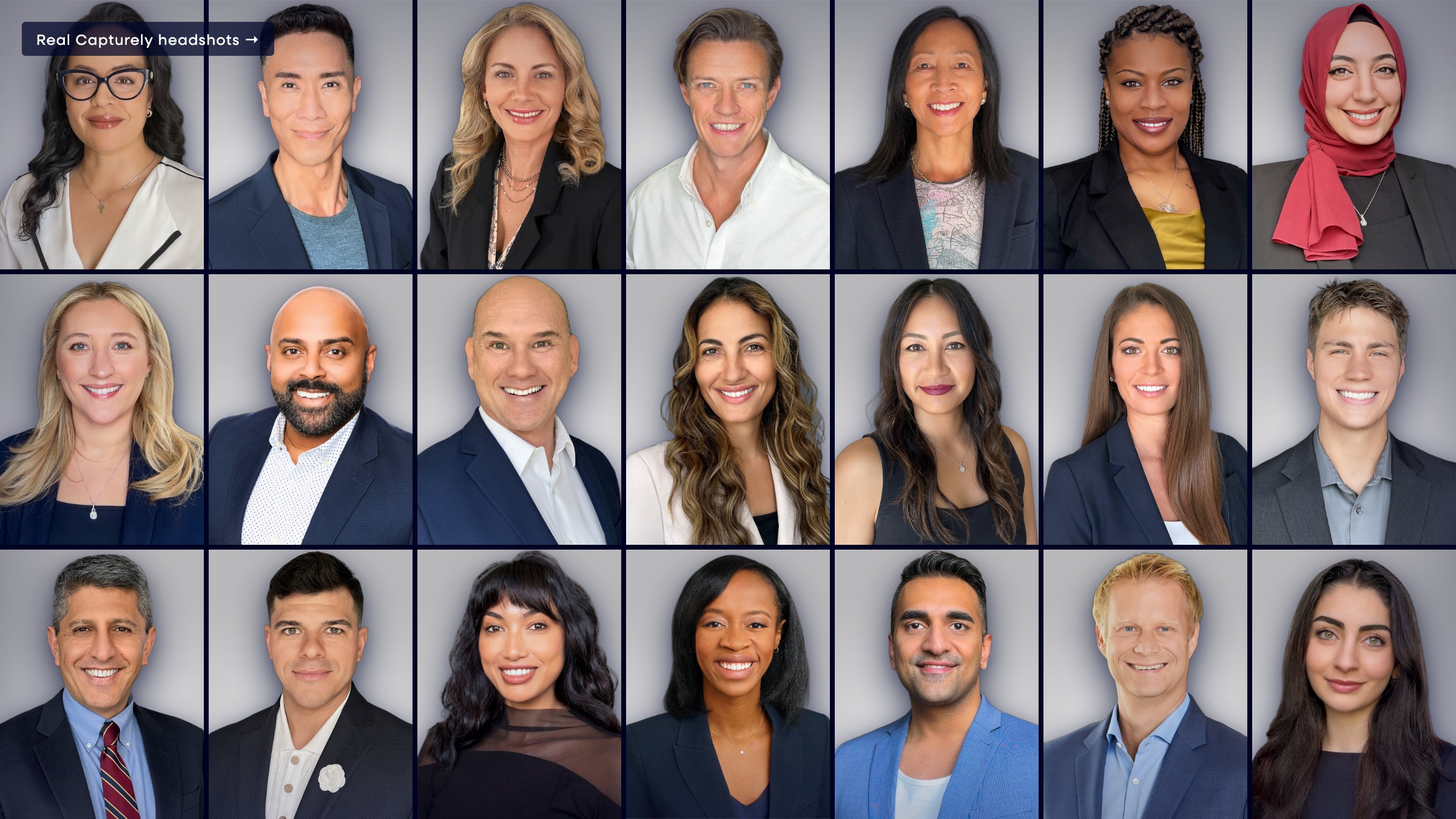
Author headshots are photos built to do four jobs at once: sell a book from the back flap, anchor an author website, fill out a press kit, and represent a writer on social media. The best ones favor personality over polish, allow environmental context a corporate headshot would avoid, and come in enough crops and formats to survive a designer’s layout, not just a LinkedIn thumbnail.
Last updated: July 2026 · Written by Brian Confer, Co-founder at Capturely
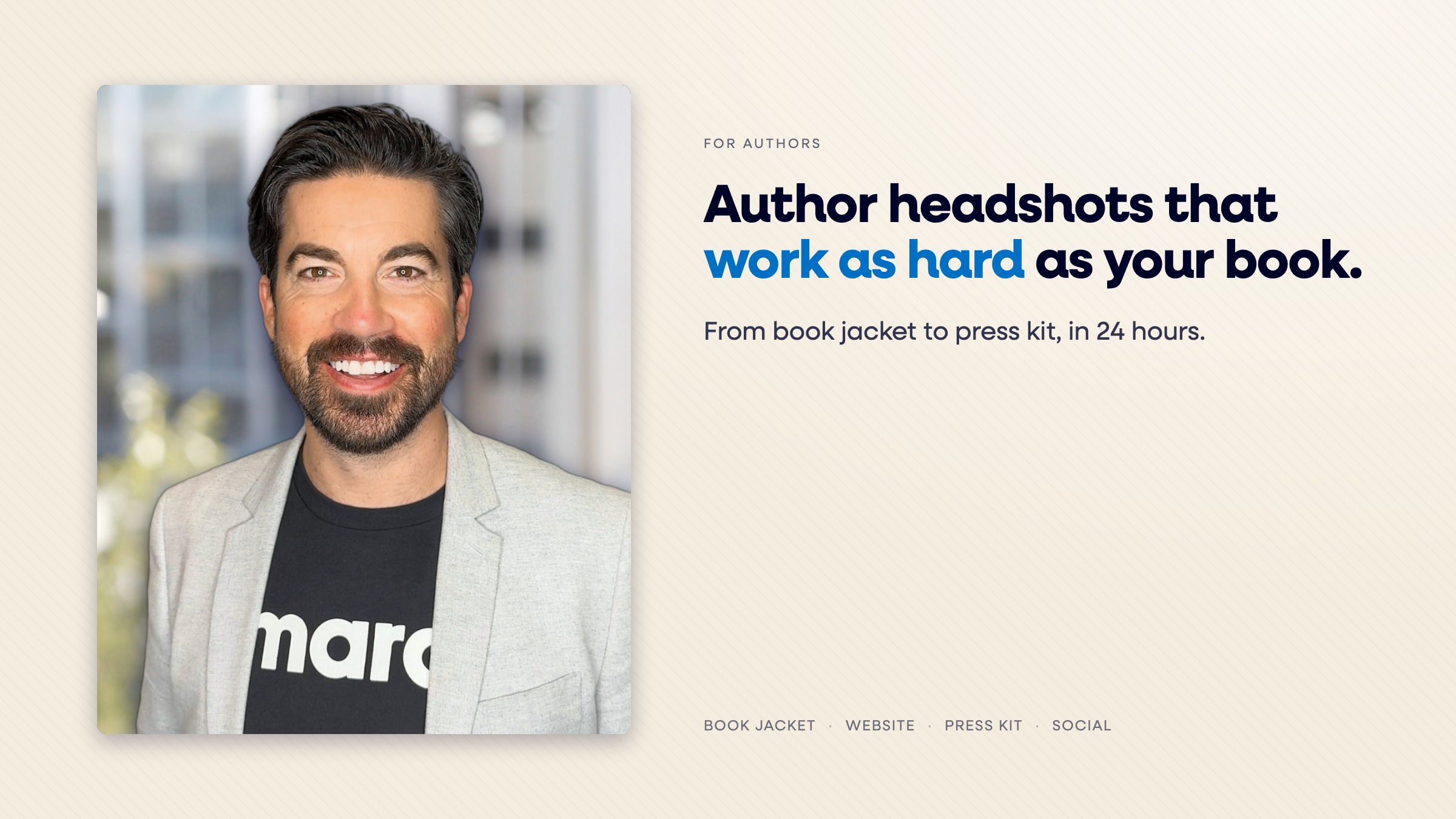
Publishers have a template for corporate headshots: neutral background, symmetrical crop, restrained smile. Author photos don’t follow that template, and treating them like a LinkedIn photo is the most common mistake first-time authors make. Capturely has shot professional headshots for more than 100,000 people, and the author requests that come through look nothing like the team-headshot requests: authors want to bring a bookshelf, a specific jacket, a dog, a coffee mug. That’s not vanity. It’s branding. A memoir writer’s photo should feel like the voice on the page; a thriller writer’s photo is allowed to look a little unsettled.
What Makes an Author Headshot Different From a Corporate Headshot?
An author headshot prioritizes personality and genre fit over the polish a corporate headshot demands, and it allows environmental context (a bookshelf, a writing desk, natural light) that a standard business headshot would crop out. This overlaps heavily with creative headshots more broadly: where a corporate headshot has to look consistent next to fifty coworkers on a team page, an author photo only has to look consistent with one thing, the book.
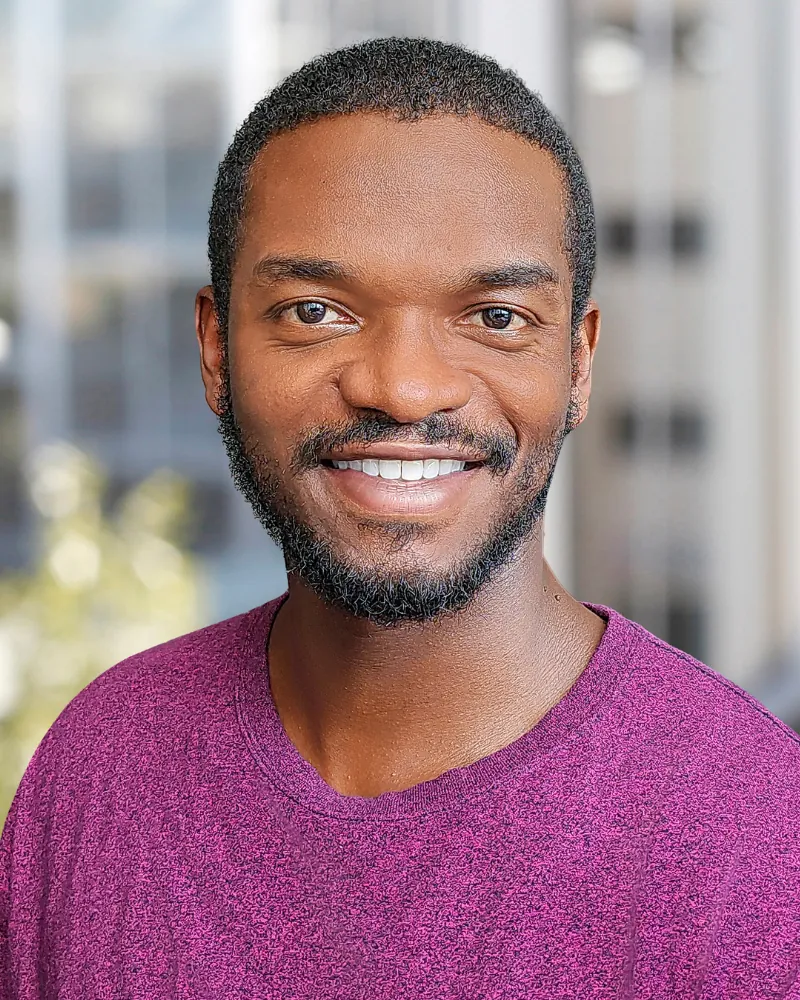
Arcadia Publishing’s guidance to its own authors makes the genre-matching point directly: a thriller author can lean into a dramatic, shadowed look, a children’s author benefits from something colorful and approachable, romance authors often go warm and elegant, and nonfiction authors tend to read better with a sharp, confident, business-adjacent tone (Arcadia Publishing, 2025). None of that is achievable with the same three-quarter turn and gray backdrop used for a corporate directory.
The other difference is who’s judging the photo. A corporate headshot gets approved by HR. An author photo gets judged by readers browsing a shelf, a journalist deciding whether to book an interview, and the author’s own sense of whether the photo looks like the person who wrote the book. According to Nick Lombardino of CultureCon, a Capturely client, “now I feel like I have the confidence behind my likeness to present it to the world in a way that’s representative of who I am,” which is a fair description of what an author photo has to accomplish before a single review comes in.
What Are the 4 Deliverables Every Author Needs?
Every author needs four versions of their photo: a book jacket crop (usually square or portrait, sized to the publisher’s flap), a website hero image (wide format, room for text overlay), a press kit set (both horizontal and vertical, high resolution), and a social/author-page crop (square, for Amazon Author Central, Goodreads, and profile photos). One photo, exported four ways, is enough. Four separate photoshoots is not necessary and usually looks inconsistent.
- Book jacket photo: The one your publisher or designer places on the back flap or author page. Traditionally published authors often don’t choose the final crop; the designer does, which is why shooting a little wider than you think you need matters.
- Author website photo: A wider, warmer version, usually the hero image on your homepage or About page. This is the one place environmental context (bookshelf, desk, outdoor setting) does the most work.
- Press kit photos: Media outlets need both a horizontal and a vertical version at print resolution, because they don’t know in advance whether your interview runs as a sidebar or a full feature.
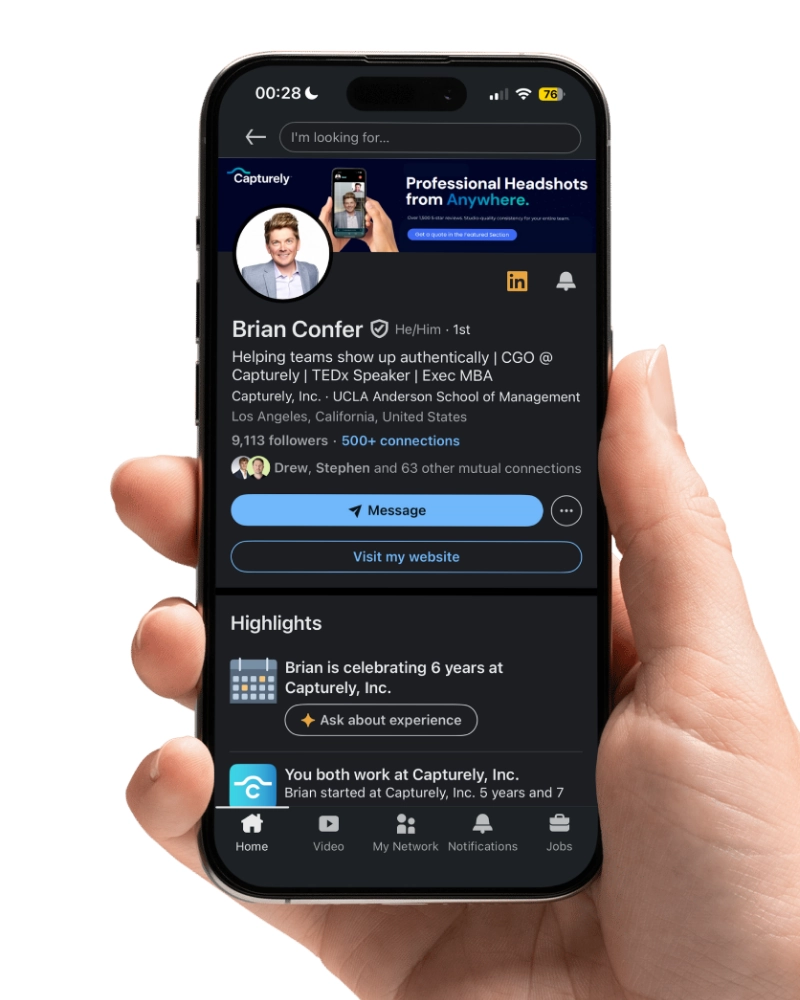
- Social and author-page photo: A square crop for Amazon Author Central, Goodreads, your LinkedIn profile picture, and Instagram, ideally the same photo across all four so readers recognize you consistently.
An author photo is really a form of personal branding photography with a narrower brief: it has to represent one book, not an entire career.
Real photos, no synthetic faces. Capturely delivers author headshots from a 10-minute virtual session with a real photographer directing you by phone, and three fully edited images in 24 hours, ready to crop for a jacket, a website, and a press kit. Get your instant quote →
What Size Should an Author Photo Be for a Book Jacket, Amazon, and Goodreads?
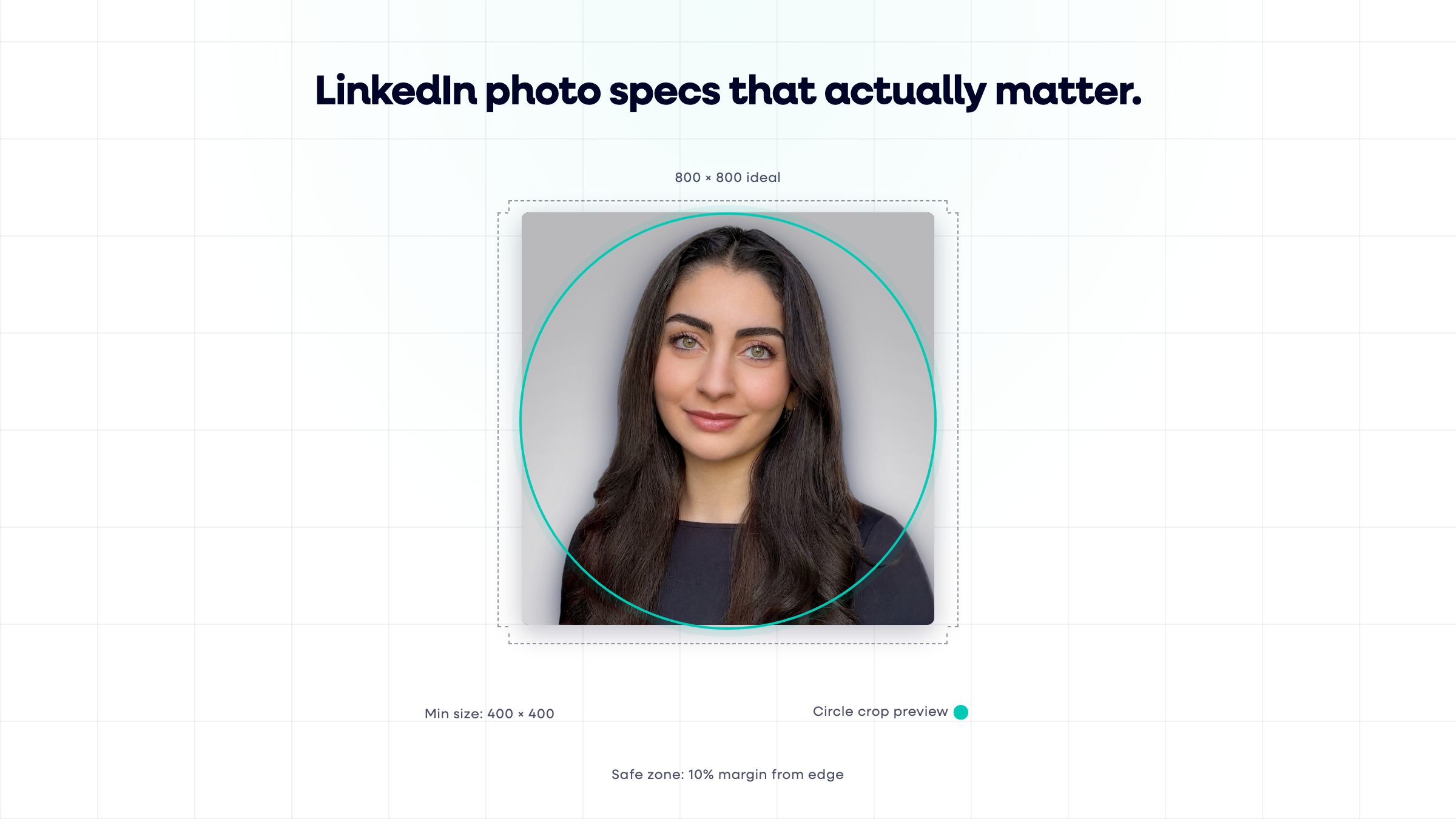
An author photo needs to work at several different sizes: at least 300 x 300 pixels and square for Amazon Author Central, 400 x 400 pixels and square for Goodreads, print resolution (300 DPI) with a 0.125 inch bleed for a printed book jacket, and both a horizontal and vertical crop for a press kit. Shoot at the highest resolution available and crop down. Cropping up from a low-resolution photo is the one mistake that’s impossible to fix after the fact.
| Where It’s Used | Recommended Size & Format | Source |
|---|---|---|
| Amazon Author Central | 300 x 300 px minimum, square, JPG/GIF/PNG | Kindlepreneur, 2026 |
| Goodreads author profile | 400 x 400 px, square (crops to a circle in some views) | Goodreads |
| Printed book jacket / cover | 300 DPI, 0.125 in bleed on all sides, 0.25 in safety margin from trim | IngramSpark, 2026 |
| Press kit | 3 to 5 images, both horizontal and vertical crops, high resolution | Publicity industry convention |
| Author website hero image | Roughly 1600 x 500 px desktop (wide), 800 x 1200 px mobile crop | Common web design practice |
Notice what’s missing from that table: a universal book jacket spec. There isn’t one. Every publisher and self-publishing platform sizes the flap photo to fit its own layout, which is exactly why authors need a high-resolution master image rather than a pre-cropped one. Shoot wide, square, and sharp, and let the designer crop from there.
Should an Author Photo Be Black and White or Color?
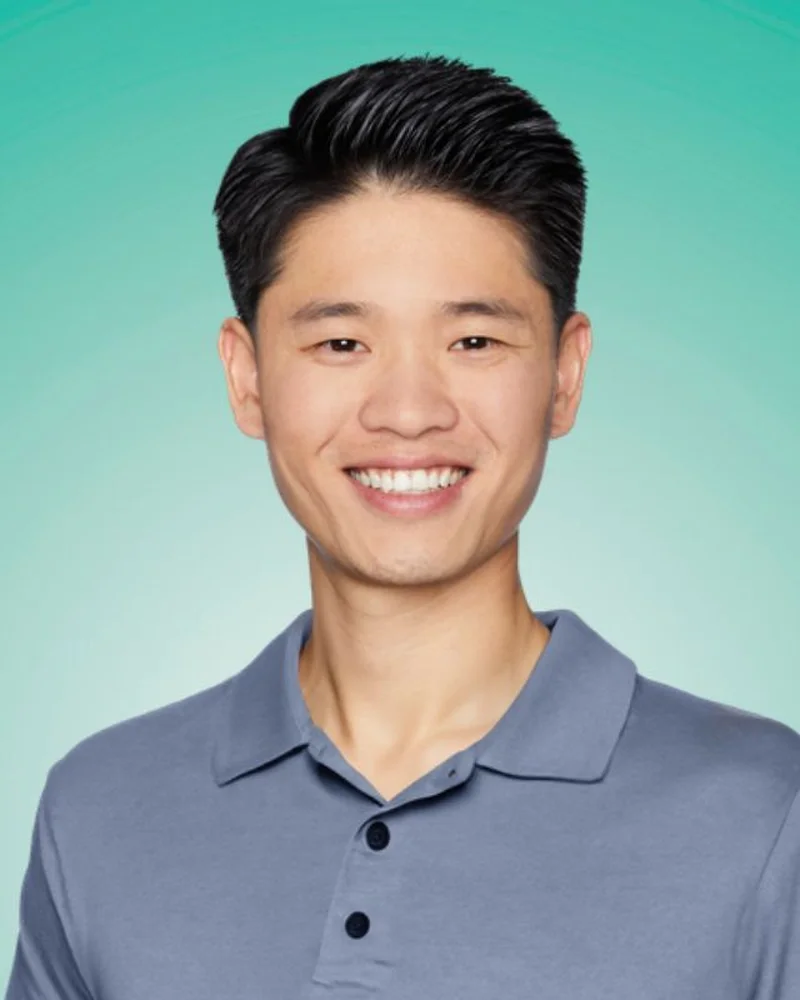
Black and white author photos read as literary and serious, which is why they’re the historical default for literary fiction and nonfiction. Color photos read as warmer and more approachable, which is why memoir, romance, YA, and genre fiction authors increasingly choose color, especially for web and social use where a jacket-style B&W crop isn’t required. Goodreads explicitly allows either format on an author profile, so the choice comes down to genre fit, not a platform rule.
| Genre | Common Photo Style | Why |
|---|---|---|
| Literary fiction / serious nonfiction | Black and white, tighter crop | Reads as gravitas and depth |
| Thriller / suspense | Dramatic, higher-contrast lighting | Matches the tone of the genre |
| Memoir / YA / romance | Color, warmer light | Reads as approachable and personal |
| Children’s books | Bright, colorful | Matches an audience that skews visual |
| Business / nonfiction with a public speaking angle | Color, sharp and confident | Doubles as an executive or speaker headshot |
This framework comes from how publishers actually brief their authors, not a formal study; there’s no research linking a specific color choice to book sales (Arcadia Publishing, 2025). Genre fit is a convention, not a rule, and a photo shot well in color can always be converted to black and white for the jacket. The reverse isn’t true, which is another reason to shoot in color when possible.
How Do You Use a Bookshelf or Writing Space Without It Looking Staged?
Environmental context works when it’s specific to the author and fails when it’s generic set dressing. A bookshelf with the author’s own books visible, a writing desk with an actual manuscript, or an outdoor setting tied to the book’s subject all read as authentic. A rented prop shelf, a staged coffee cup, or a background that could belong to any author reads as exactly that: staged.
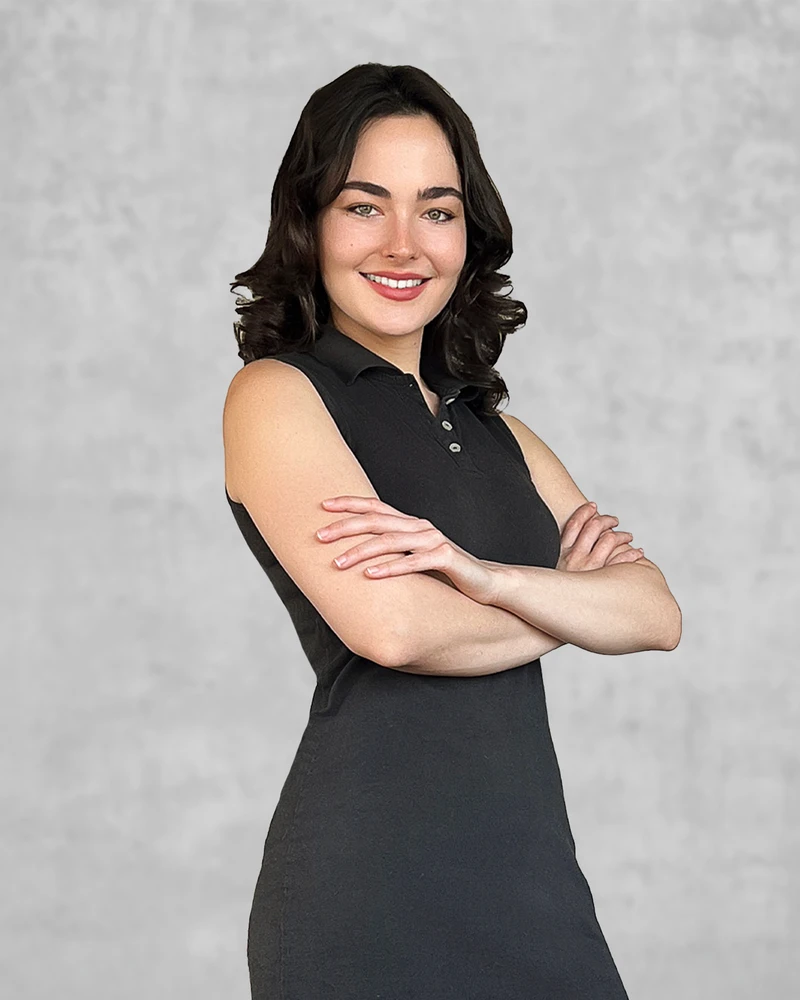
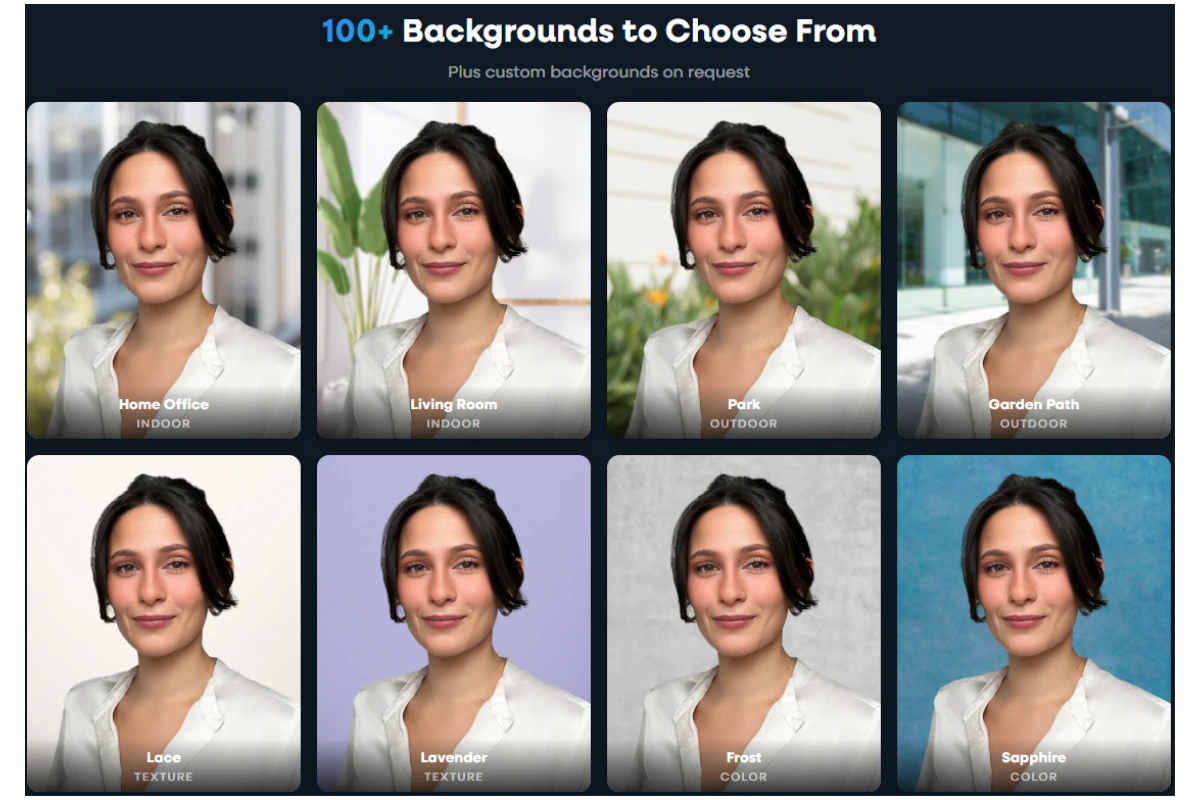
Two practical rules keep environmental photos from tipping into staged territory. First, the background should support the subject, not compete with it: a blurred bookshelf reads as context, a sharp, cluttered one reads as noise. Second, keep the pose loose. A hand resting on a desk or a slight lean against a doorway reads as natural; a stiff, seated-at-attention pose next to a prop undercuts the whole point of using a real setting. If in doubt, a clean, simple option from Capturely’s 98+ background choices still outperforms a poorly executed environmental setup, and it’s the safer default for the Amazon and Goodreads crops anyway.
How Much Do Author Headshots Cost?
A traditional author photo session with a professional photographer typically runs $150 to $2,000 depending on the market and the photographer’s tier, with lifestyle and personal branding sessions in major markets commonly landing between $300 and $1,500 (Jeff Palicki Photography, 2025). See Capturely’s full breakdown of professional headshot cost for how that compares across formats. A Capturely session runs $79, done virtually in about 10 minutes with a real photographer directing over a phone call, with three fully edited images delivered in 24 hours.
| Traditional In-Person Session | Capturely Virtual Session | |
|---|---|---|
| Cost | $150 – $2,000 | $79 |
| Time | 1 – 3 hours, plus travel to a studio | About 10 minutes, from anywhere |
| Delivery | 1 – 3 weeks typical | 24 hours |
| Deliverables | Varies by photographer, often 1–2 final images | 3 fully edited images (left, right, straight-on) |
| Reshoots | Usually a new booking and new fee | Covered by Capturely’s happiness guarantee |
Cost matters more for authors than it might for a salaried employee getting a corporate headshot, because most authors are paying out of pocket, often before the book has earned anything back. In the 2025 Written Word Media Indie Author Survey of 1,346 self-published authors, 44% reported earning $100 or less per month from writing (Written Word Media, 2025). A $79 photo that covers a book jacket, a website, a press kit, and a social profile is a materially different budget line than a $1,500 studio session that covers one crop.
One session, every format you need. Capturely author headshots come with 98+ backgrounds, unlimited retouching requests, and delivery in 24 hours, all for $79. Get your instant quote →
When Should You Get New Author Photos Before a Book Launch?
Start the author photo process about six months before launch and finalize the final crops about three months out, so the photo is locked before advance review copies, press kits, and pre-order pages go live. Waiting until a month before launch is the most common scheduling mistake, because the photo is usually needed for the book jacket file well before the release date.
- 6 months out: Schedule the session. This gives your publisher or designer time to place the final crop on the jacket before the cover reveal.
- 5 months out: Do the session and review the edited images. Pick the primary photo and confirm it works in both square and wide crops.
- 4 months out: Deliver the high-resolution file to your publisher, cover designer, and publicist so it’s in every file before advance copies go out.
- 3 months out: Finalize your website, Amazon Author Central, Goodreads, and social profiles with the same photo so readers see one consistent face across every channel.
- At launch: Keep the same photo in rotation through the press cycle. Switching photos mid-launch confuses readers who’ve already started recognizing you.
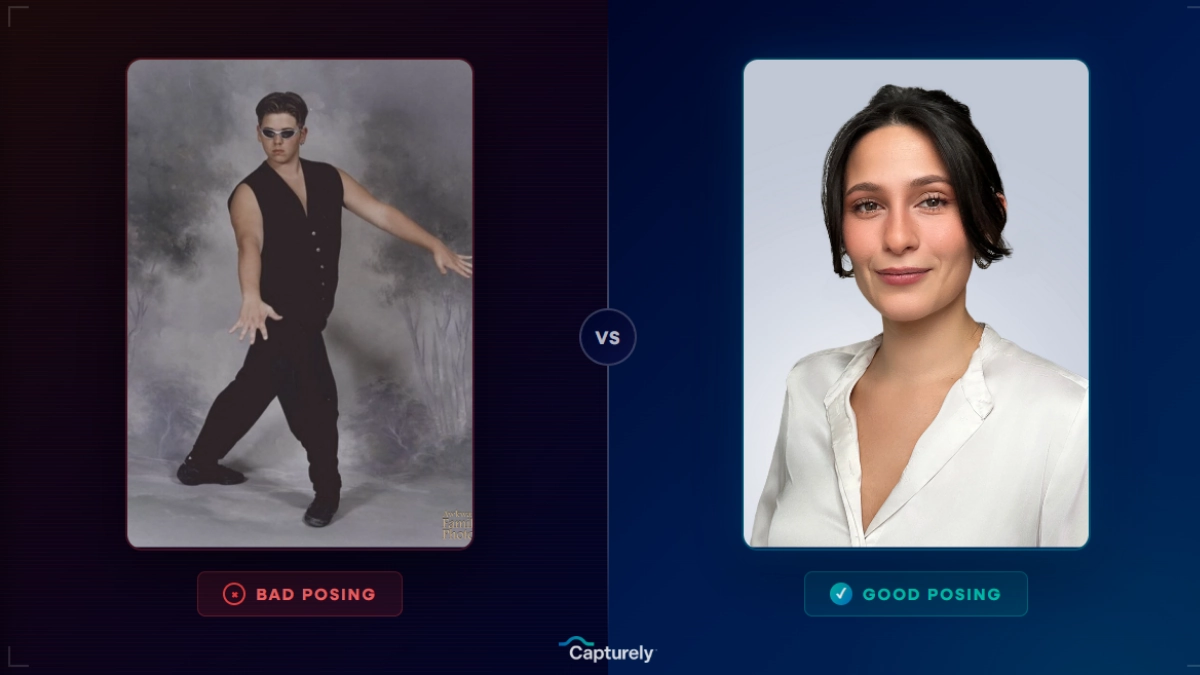
Arcadia Publishing’s standing advice to its authors is to refresh the photo if it’s more than five years old or no longer looks like the author currently does (Arcadia Publishing, 2025). For an author with more than one book, that usually means a refresh every 2 to 3 years, or with every major title, whichever comes first. A single $79 session makes that refresh cheap enough to actually do on schedule instead of running the same photo for a decade.
How Does a Virtual Author Headshot Session Work?
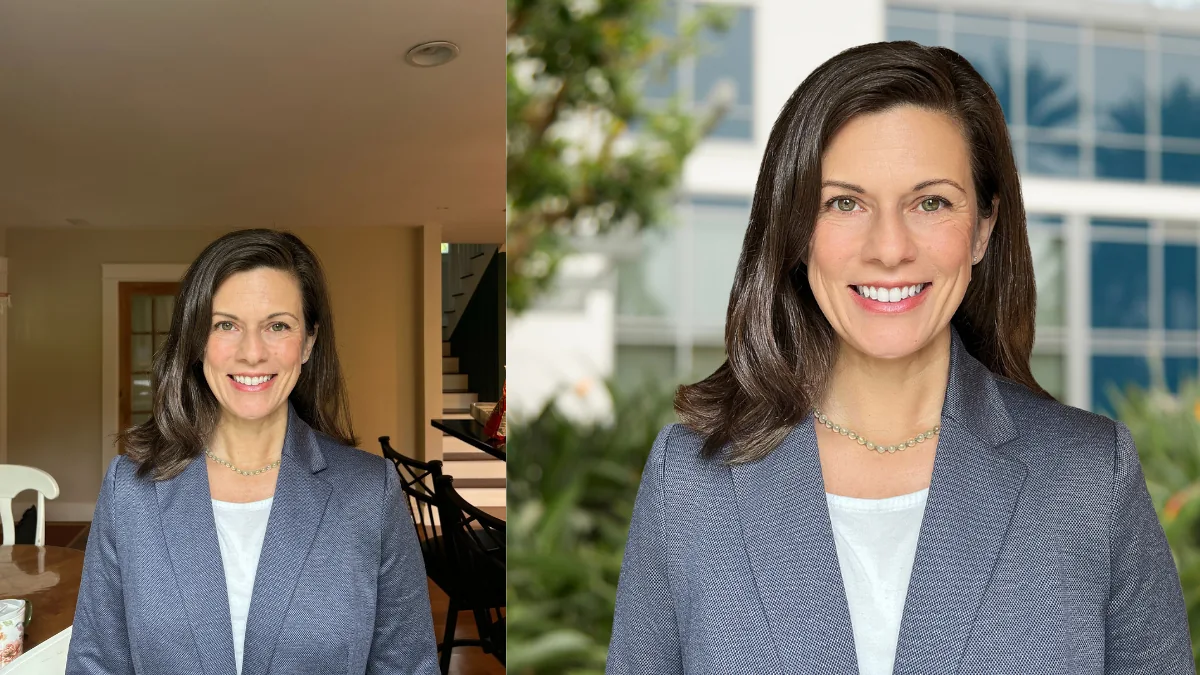
A Capturely session starts with a link, not a studio booking. You open it on your phone, a real photographer joins by video call (similar to FaceTime), positions your rear camera, and directs your pose, lighting, and expression in real time, the same way an in-person photographer would. The session runs about 10 minutes, no app download required, and you get three fully edited images in 24 hours: one straight-on, two angled, so you have options for a book jacket crop, a website hero shot, and a press kit without booking a second session.
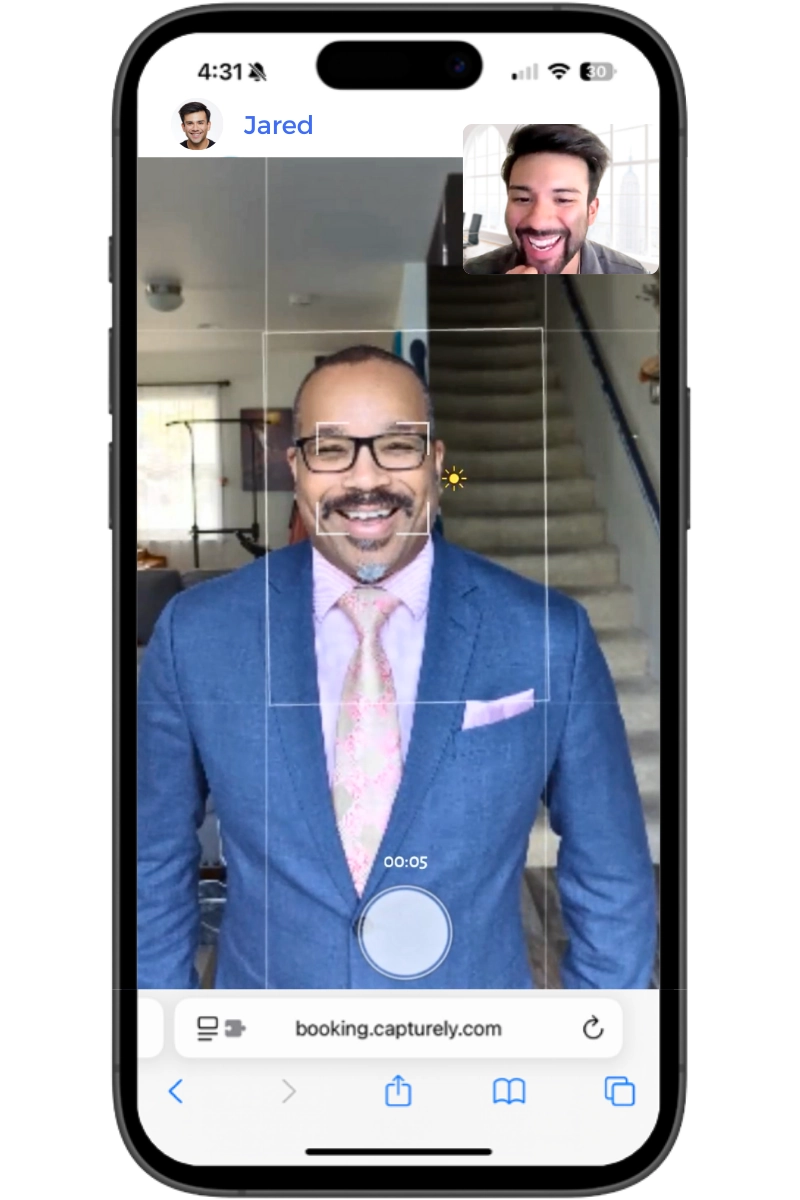
That live-photographer step is the part authors ask about most, because it’s the piece an AI headshot generator can’t replicate. A real photographer catches the moment a genuine expression happens, which is exactly the “you on your best day” look publishers ask authors for, and it’s not something a synthetic face can fake convincingly for a press photo that runs next to your real name.
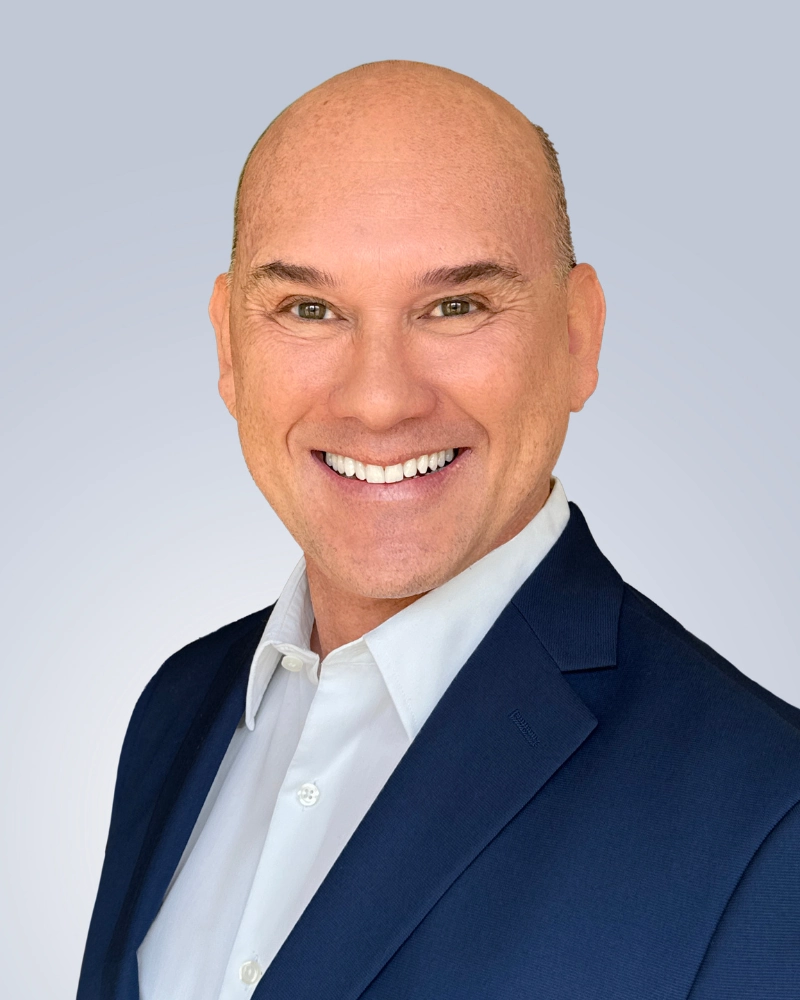
If you’re a nonfiction author who’s also a founder, consultant, or executive, the same session covers both needs at once: a sharper crop that works as an executive headshot or one of Capturely’s speaker headshots for conference bios, and a warmer crop for the book jacket and author website. Capturely handles both because the underlying photo, real, high resolution, and lit by a professional, works for either use once it’s cropped and retouched to fit.
Ready before your next deadline? Book a 10-minute virtual session, get three edited images in 24 hours, and walk away with everything you need for the jacket, the website, and the press kit. Get your instant quote →
Frequently Asked Questions
Do I need different headshots for different books?
No. One well-shot photo, exported as a square crop, a wide crop, and a print-resolution file, covers a book jacket, a website, a press kit, and social profiles across multiple books. Only reshoot when your appearance has meaningfully changed or the photo is more than a few years old.
How often should authors update their headshot?
Every 2 to 3 years, or with each major new title, whichever comes first. Arcadia Publishing advises authors to refresh a photo once it’s more than five years old or no longer reflects how they currently look, since an outdated photo undercuts reader trust at events and interviews.
Should my author photo match my book genre?
Yes, loosely. Literary fiction and serious nonfiction typically lean black and white and restrained, thrillers lean dramatic and high-contrast, and memoir, romance, and YA typically lean warm and color. It’s a convention publishers use to brief authors, not a strict rule.
How much do author headshots cost?
A traditional in-person session runs $150 to $2,000 depending on the photographer and market. A Capturely virtual session costs $79 and includes three fully edited images delivered in 24 hours, covering the jacket, website, press kit, and social formats from one shoot.
What size should my author photo be for Amazon and Goodreads?
Amazon Author Central requires at least 300 x 300 pixels, square. Goodreads recommends 400 x 400 pixels, square. Both platforms accept JPG or PNG files, and shooting at a higher resolution than either minimum gives you room to crop without losing quality.
Can I use my phone for an author headshot?
Yes, if a professional is directing the shot. Capturely sessions use your phone’s rear camera with a live photographer guiding pose, lighting, and expression in real time, which produces results comparable to an in-studio shoot without the studio.
Should an author use an AI-generated headshot instead?
It’s risky for a press photo tied to a real byline. Readers and journalists increasingly notice synthetic faces, and an author photo is one of the few places where authenticity matters as much as the writing. A real photographer removes that risk entirely.
Get an author photo that works everywhere your book does. Real photographers, real photos, 24-hour delivery, and pricing that makes a refresh before every launch realistic. Get your instant quote →