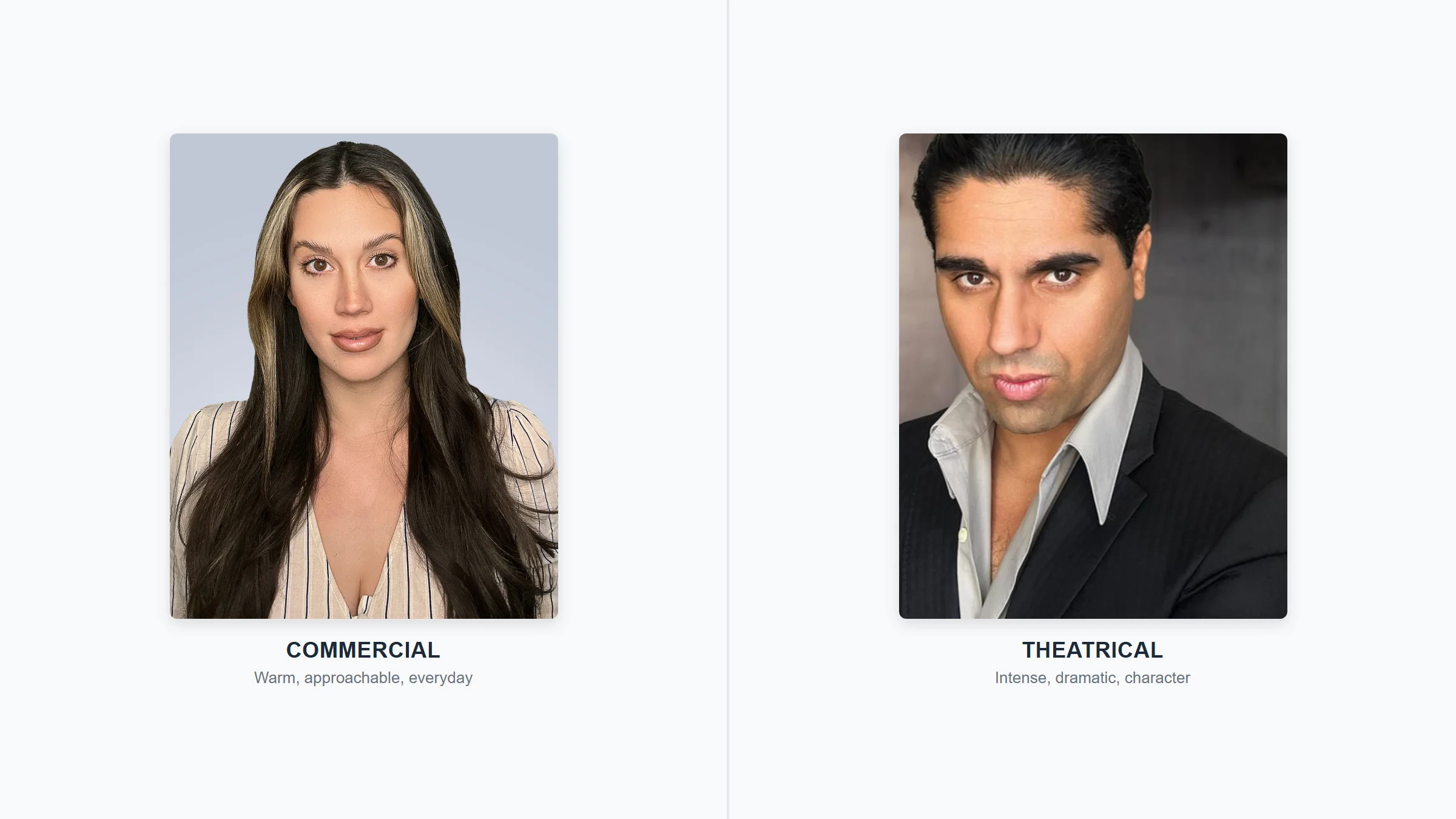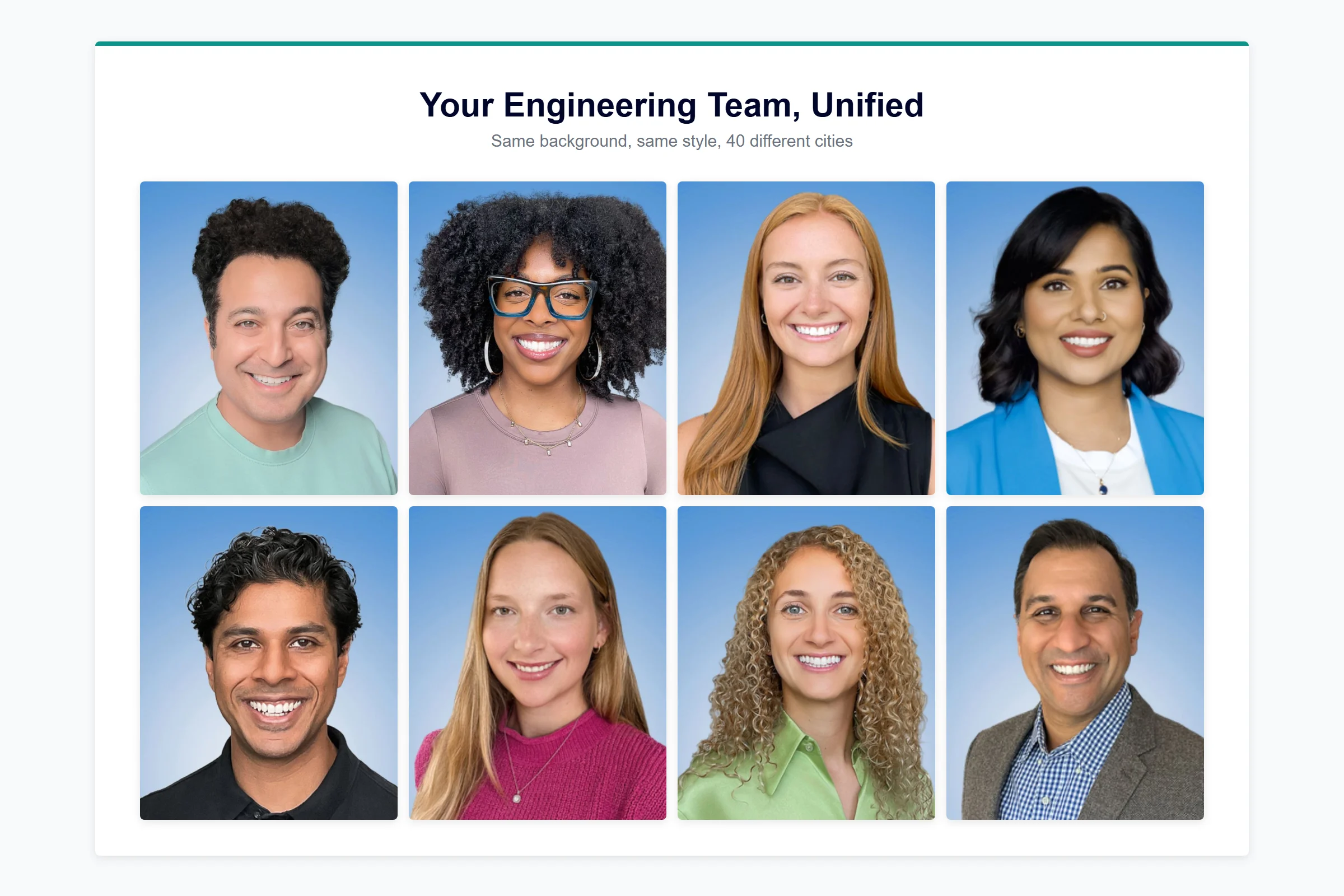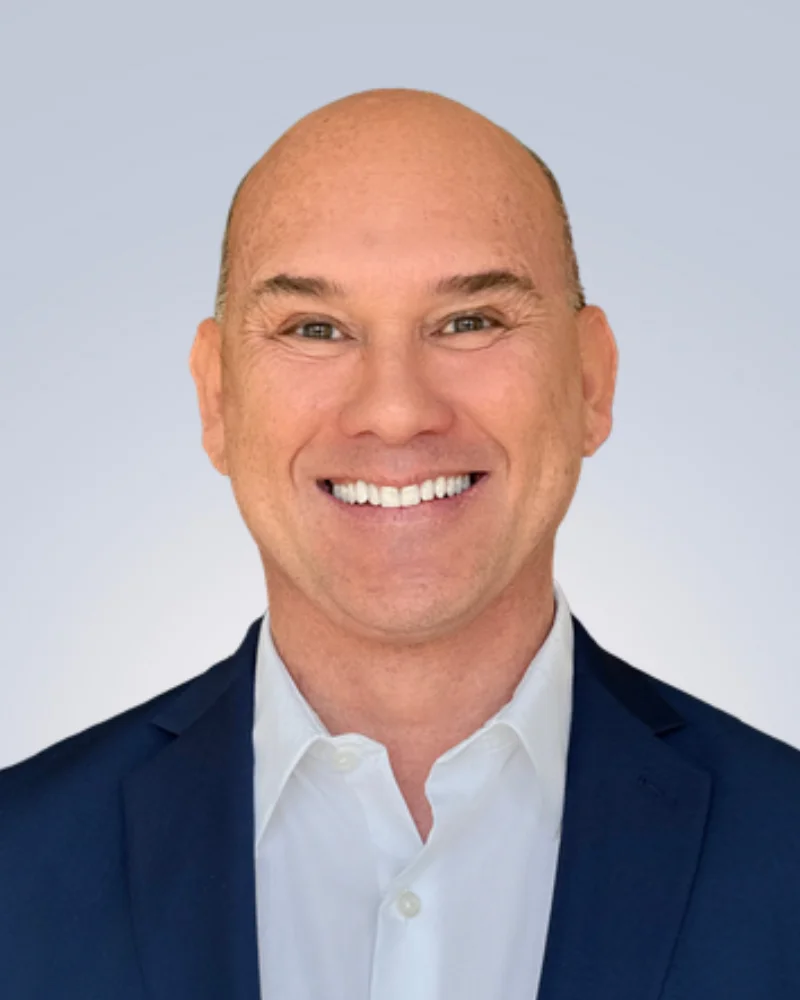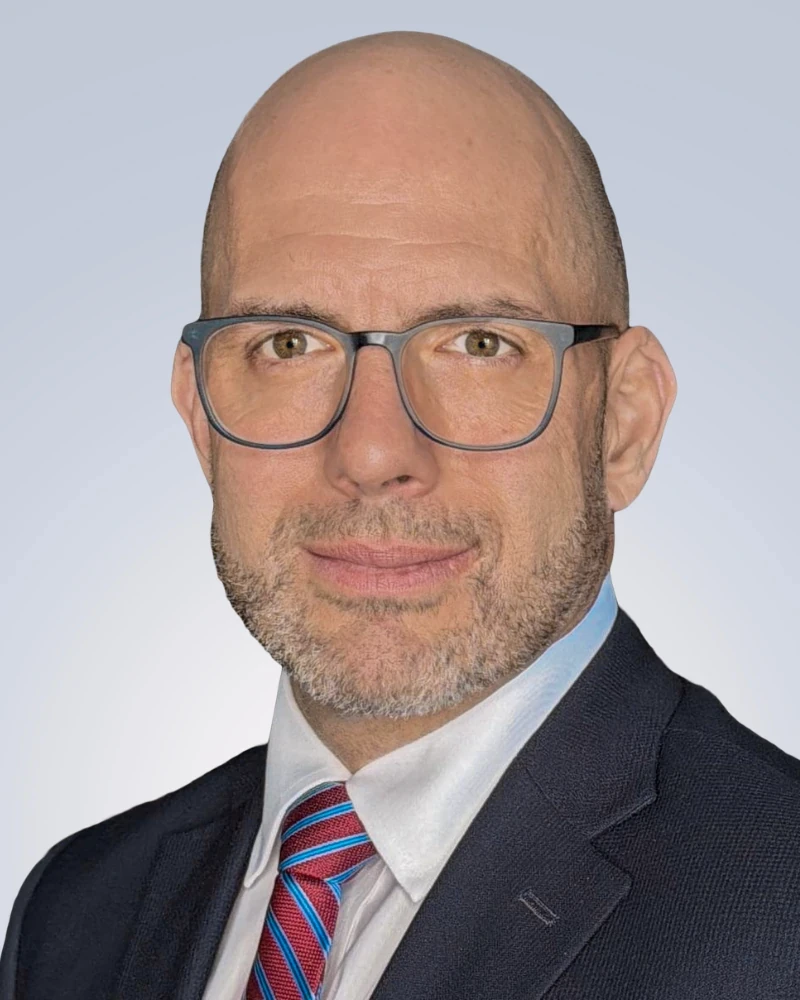
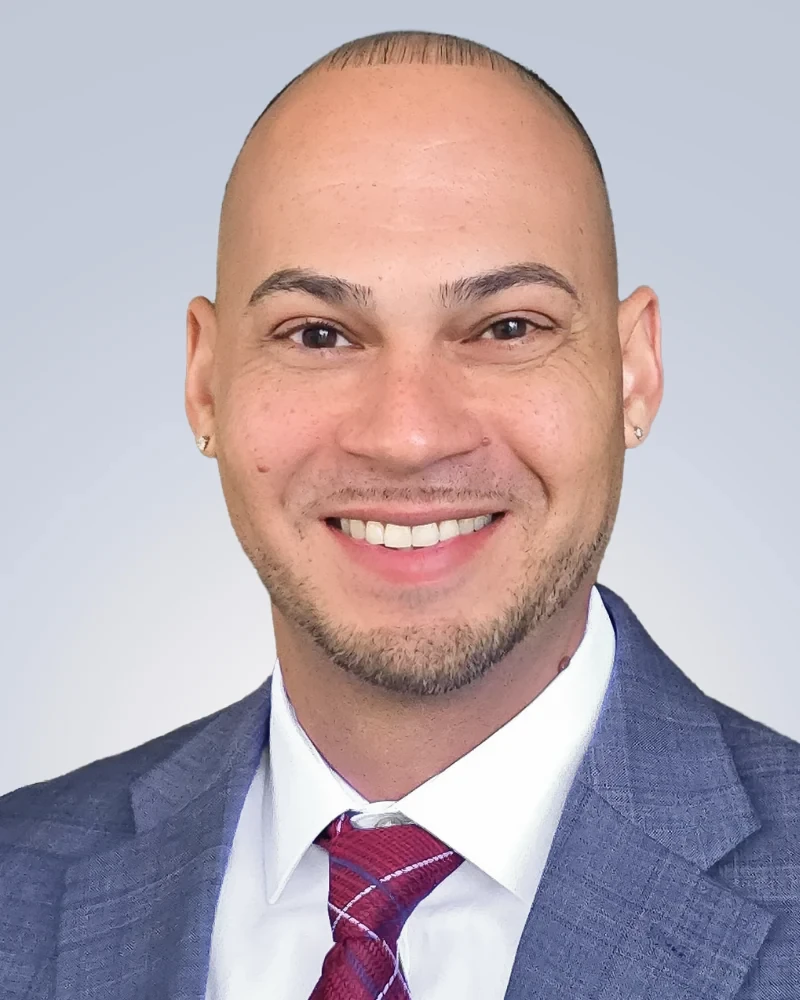
Financial advisor headshots are professionally photographed portraits designed to project trust, competence, and approachability—the three qualities clients evaluate before entrusting someone with their financial future. In an industry where 96% of prospective clients research advisors online before making a hiring decision (Wealthtender, 2025) and 60% rank trust as their single most important selection factor (YouGov, 2024), your headshot is working for or against you around the clock. Capturely has delivered headshots to financial services teams at Bernstein Private Wealth Management, Trilogy Financial, Crum & Forster, and Hub International—here’s what the best financial advisor headshots actually look like in 2026.
Last updated: March 2026
Why Headshots Matter More in Financial Services
Every industry claims first impressions matter. In financial services, the claim has actual dollar signs behind it.
Your clients aren’t buying a product they can test, return, or review on Amazon. They’re handing you their retirement savings, their children’s college funds, their estate. That’s a trust decision, and trust decisions start with faces. Princeton researchers Willis and Todorov found that people evaluate trustworthiness from a face within 100 milliseconds—one-tenth of a second (Psychological Science, 2006). Those milliseconds matter exponentially more when a fiduciary relationship is on the line.
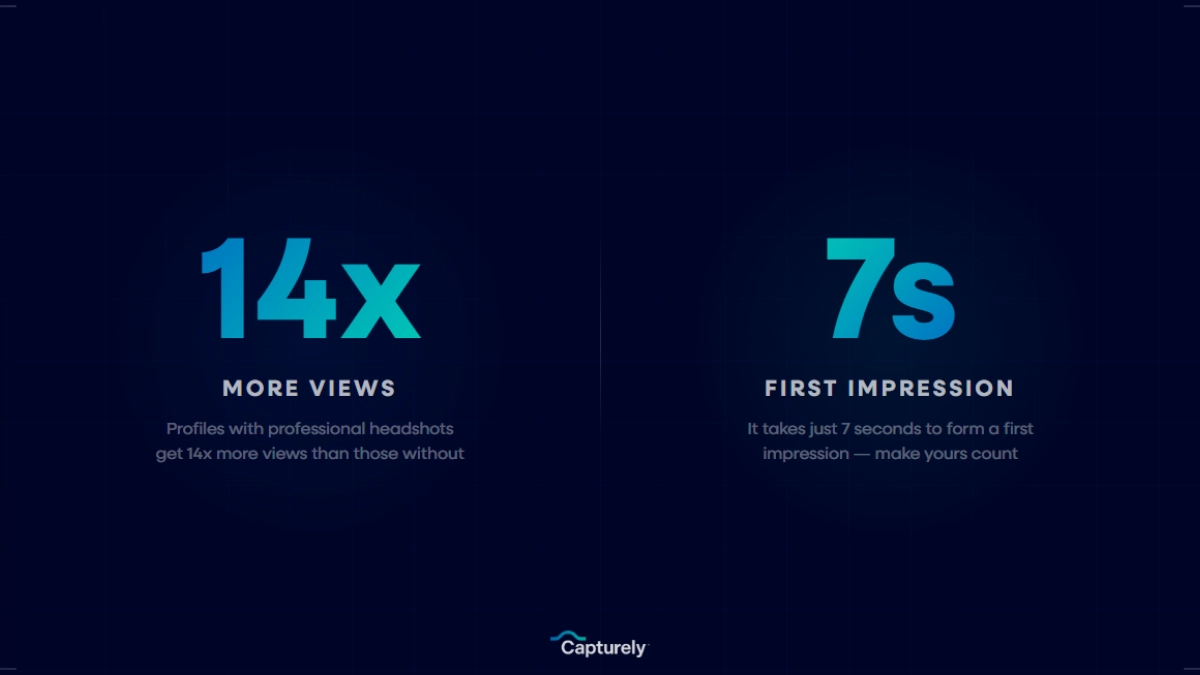
The numbers paint a clear picture. LinkedIn profiles with professional photos receive 21x more views and 36x more messages (LinkedIn, 2017). A professional headshot can increase perceived competence by 76% and perceived influence by 62% (PhotoFeeler, 2014). Websites with professional photos see a 35% increase in conversion rates (Chris Holt Photography, 2024). For an industry where the average client acquisition cost is $3,119 (Kitces Research, 2024), a bad headshot is an expensive mistake.
As Kelly Tareski, a professional photographer specializing in business headshots, puts it: “When I talk to my financial advisor clients, I find one central theme—the need to build relationships of trust, something a professional headshot can help accomplish before a client even meets you. Your headshot is your first line of communication. It tells your clients who you are and what you stand for before you’ve uttered a single word.”
And the audience is growing. Eighty-two percent of investors under 50 now use the internet to find or vet financial advisors (Cerulli Associates, 2023), and 33% of prospective clients say location doesn’t matter because they prefer to meet exclusively online (Wealthtender, 2025). Your headshot isn’t just for the firm website anymore. It’s on BrokerCheck results pages, LinkedIn searches, Google Business profiles, and every custodian platform your clients log into.
What Clients Actually Look For in a Financial Advisor’s Photo
The research on what makes a financial advisor headshot effective comes down to a specific balancing act: authority without coldness, approachability without casualness.
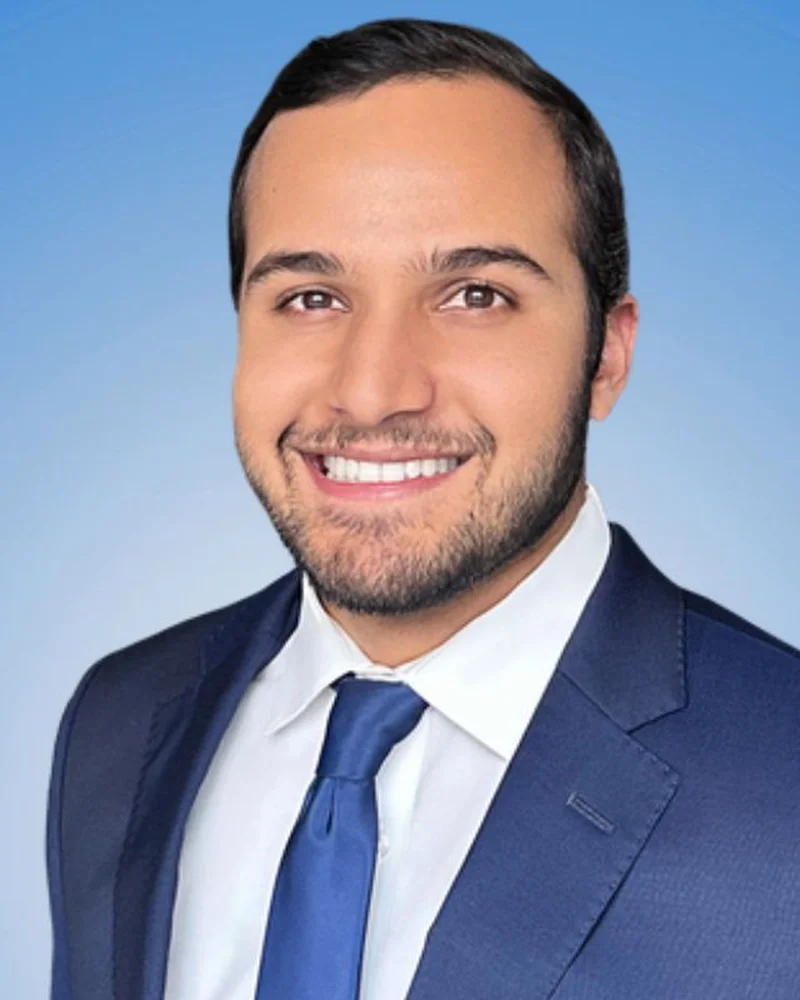
Gittings, the 90-year corporate photography firm that works with Morgan Stanley and Merrill Lynch, frames it this way: “In the professional services world, trust is a commodity and credibility is judged by the look of your portrait… [we] understand the nuances of the financial sector—where credibility is everything and first impressions matter—and expertly craft images that reflect the authority and approachability essential to financial professionals” (Gittings, 2025).
Clients look for three things:
- Competence. Does this person look like they know what they’re doing? Formal attire, clean grooming, and a composed expression all signal expertise. PhotoFeeler’s analysis of 60,000+ profile photo ratings found that formal dress alone increases perceived competence by +0.94 on a normalized scale.
- Warmth. Would I be comfortable sharing my financial anxieties with this person? A slight natural smile, relaxed shoulders, and soft lighting all contribute. Without warmth, competence reads as intimidating—the exact wrong emotion for a fiduciary relationship.
- Consistency with the real person. When a prospect walks into your office and you look nothing like your photo, the relationship starts with a credibility gap. This is why AI-generated headshots are especially dangerous in financial services—but more on that later.
The 2026 trend in financial advisor headshots is what photographers call “The Confident Neutral”—focused, present, approachable. Not a toothy grin. Not a stone face. A composed expression that says “I take your money seriously, and I’m someone you’d enjoy sitting across the table from.”
Financial Advisor Headshot Styles by Practice Type
Not every financial advisor needs the same headshot. A wealth manager serving ultra-high-net-worth families has different visual expectations than a financial planner working with young professionals building their first portfolios.
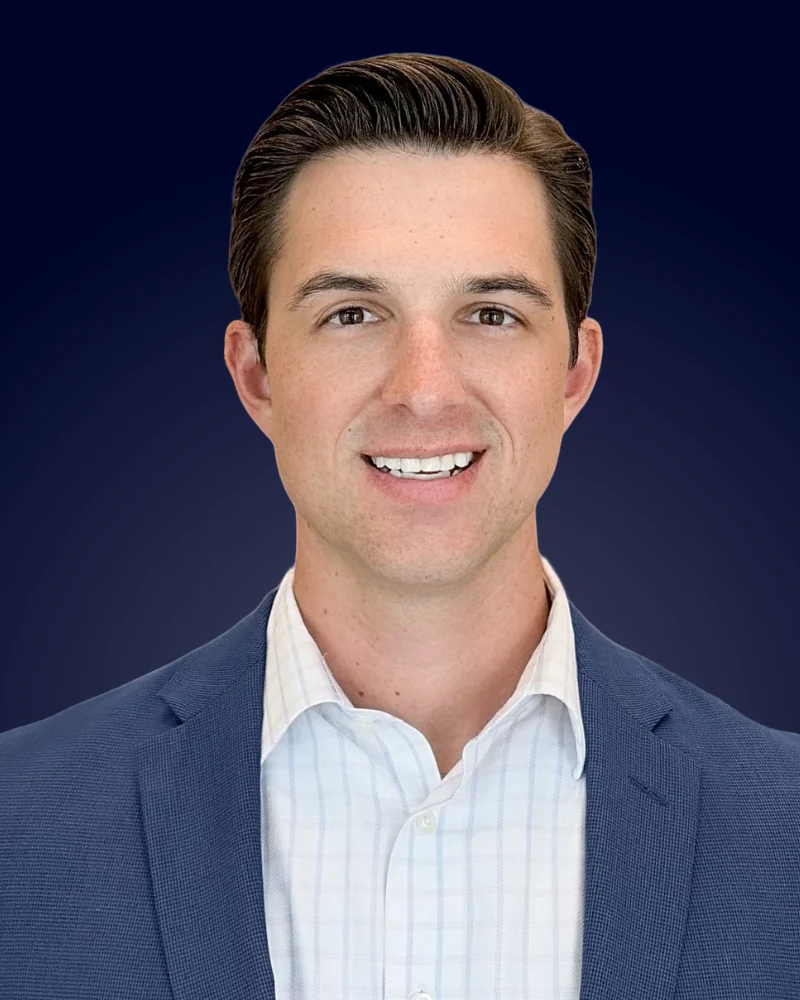
| Practice Type | Recommended Style | Why It Works |
|---|---|---|
| Wirehouse (Merrill, Morgan Stanley, UBS) | Traditional formal | Corporate brand dictates standards. Suit, dark background, consistent with firm visual identity across thousands of advisors. |
| RIA / Independent | Formal to modern relaxed | Full brand control. Match the headshot to your client demographic—HNW clients expect polish; younger accumulators respond to approachability. |
| Wealth management (HNW/UHNW) | Business formal | Sophistication, discretion, expertise. Clients entrusting seven-figure portfolios expect a serious presentation. |
| Retirement planning | Professional but warm | Expertise plus empathy. Clients approaching a major life transition need to feel both reassured and advised. |
| Financial planning (millennials/Gen Z) | Modern relaxed | Smart casual works. Personality-forward headshots resonate with a generation that values authenticity over formality. |
| Insurance-focused advisors | Professional, approachable | Trustworthy without intimidating. Insurance conversations are already uncomfortable—the headshot shouldn’t add to that. |
| CPAs / Tax advisors | Traditional to business casual | Competence-first. Clients need to believe you won’t make errors with their returns. Clean, detail-oriented visual presentation. |
One insight that doesn’t get enough attention: Michael Kitces, widely recognized as the leading voice in financial planning practice management, has written extensively about countersignaling—the idea that established, successful advisors can dress down (showing confidence by not showing off) because their reputation precedes them. A senior partner in a polo shirt signals confidence. A 26-year-old in the same polo signals inexperience. Newer advisors should lean more formal in their headshots. You earn the right to countersignal with track record, not tenure (Kitces.com).
For more on how headshot style maps to specific industries, see our guides to executive headshots, law firm headshots, and real estate team headshots.
Headshots your clients will trust. Capturely’s live photographers direct your session in real time—coaching expression, posture, and lighting for the financial services look that builds confidence before the first meeting. 10 minutes, 3 edited images, 24-hour delivery. Get started →
What to Wear for Financial Advisor Headshots
Navy blue is the single best wardrobe color for financial advisor headshots. Research on color psychology in client-facing environments confirms that blue projects trustworthiness and openness, making clients more willing to share information and build rapport (Advisor Perspectives, 2018). It’s not a coincidence that nearly every wirehouse brand book uses some shade of blue.
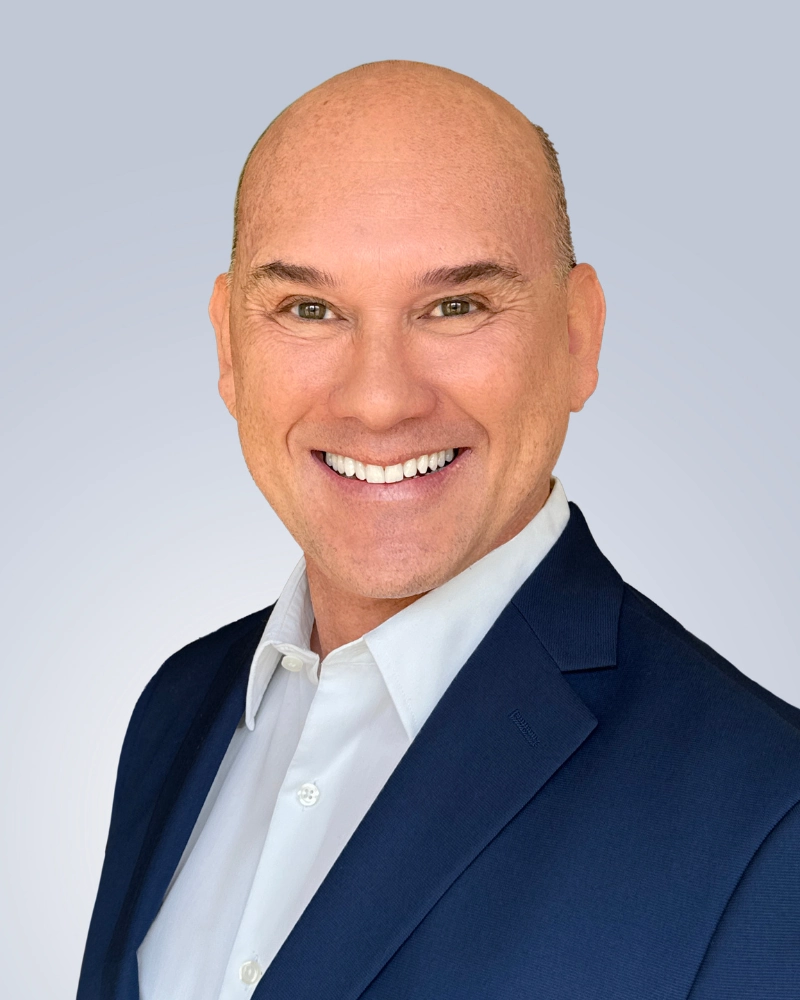
For men:
- Navy or charcoal suit with a solid or subtly patterned tie. Medium-to-light gray suits are the runner-up for first impression impact.
- White or light blue dress shirt underneath—lighter colors underneath darker layers create contrast that photographs well.
- Well-tailored fit matters more than the label. A perfectly fitted blazer from a mid-range brand photographs better than an ill-fitting luxury suit.
- Matte fabrics (wool blends, brushed cotton) over shiny ones. Satin and polyester create hot spots that look cheap on camera.
For women:
- Solid colors in navy, charcoal, deep jewel tones (teal, burgundy, plum, cobalt). Enough saturation to hold on camera without overpowering.
- Simple neckline. Avoid complex patterns, ruffles, or anything that draws the eye away from your face.
- Minimal jewelry—stud earrings, a classic watch, understated necklace. Nothing that catches light and creates glare.
- Clean, polished hairstyles. Whatever you’d wear to a client meeting is right for the headshot.
For both: Bring 2–3 outfit options. One dark/formal, one with a subtle pop of color, one business casual. Your photographer can advise based on lighting and background. For the complete wardrobe playbook, see our what to wear for professional headshots guide.
Where Financial Advisors Use Their Headshots
Your headshot appears in more places than you probably realize. Financial professionals have one of the highest headshot usage rates across any industry—the photo shows up everywhere from regulatory filings to client birthday cards.
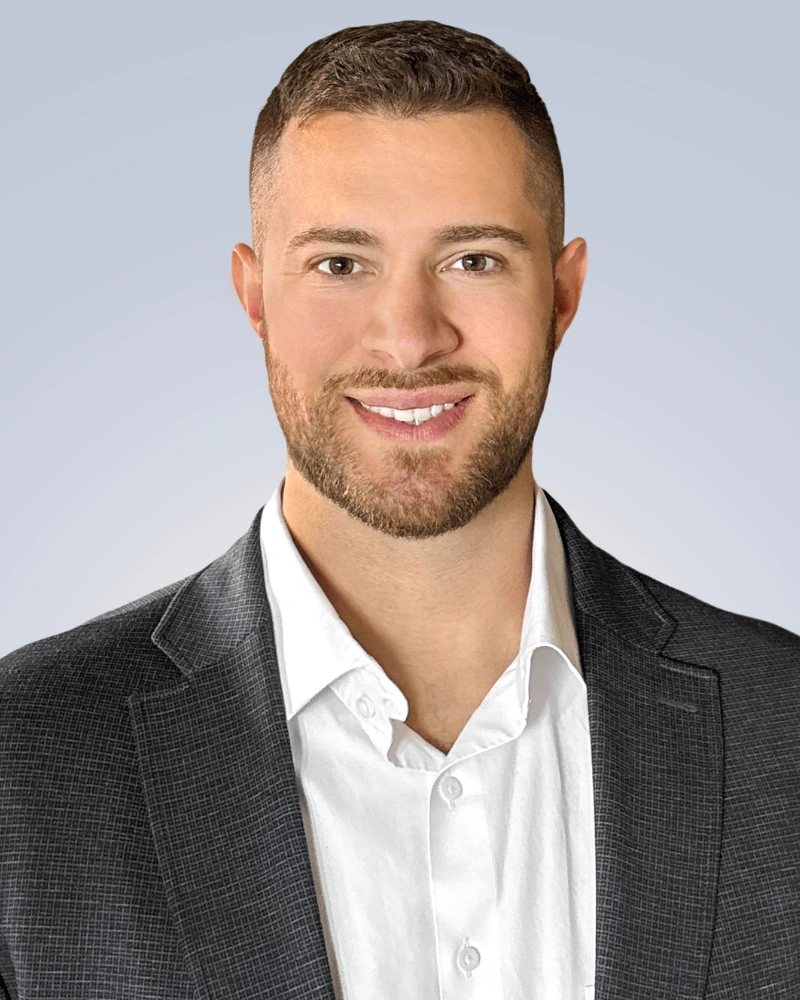
| Platform | Impact |
|---|---|
| Firm website / “Our Team” page | The most visible use. Prospects check team pages before scheduling a meeting. Inconsistent or missing headshots erode trust immediately. |
| LinkedIn profile | Profiles with professional photos get 21x more views, 36x more messages (LinkedIn, 2017). 68% of advisors invest in LinkedIn as a marketing tool (Broadridge, 2024). |
| Google Business Profile | Businesses with photos receive 42% more direction requests and 35% more website click-throughs. Clients are 2.7x more likely to trust a firm with a complete profile. |
| Email signatures | Professional headshots in email signatures increase response rates by up to 32% (marketing studies, 2024). Must include compliance disclaimers per broker-dealer requirements. |
| Client proposals and pitch books | Team intro pages with headshots, credentials, and values—common in RFP responses and wealth management proposals. |
| Custodian platforms (Schwab, Fidelity, Pershing) | Advisor-facing profiles on custodian platforms display your photo to clients logging in to view their portfolios. |
| Financial planning software (eMoney, RightCapital, MoneyGuide) | Client-facing portals show your profile photo during the planning process. |
| Industry directories (NAPFA, CFP Board, SmartAsset) | Key discovery channels. A professional photo on LetsMakeAPlan.org increases contact likelihood (CFP Board consumer research). |
| Conference programs and speaking bios | High-resolution headshots (300+ dpi) required. Financial advisor conferences number in the dozens annually (Kitces conference master list). |
For more on maximizing the places your headshot works for you, see our professional headshot examples gallery.
Compliance Considerations: FINRA, SEC, and CFP Board Marketing Rules
This is the section no other financial advisor headshot guide covers—and it matters more than most advisors realize.
FINRA Rule 2210 governs all broker-dealer communications with the public, including websites, social media, and digital marketing materials. The rule establishes six general content standards: communications must be fair, balanced, truthful, not misleading, contain no omission of material facts, and have a reasonable basis for claims. Professional headshots are not specifically regulated by FINRA—there is no explicit prohibition or requirement regarding advisor photos. But any marketing material containing your photo must comply with these standards and typically requires approval by a qualified registered principal before first use (FINRA, 2024).
Practical translation: your headshot itself won’t trigger a compliance issue. But the webpage, email, or social post it appears on might. Many broker-dealers require compliance review of advisor websites and social media profiles before publication—which means updating your headshot can trigger a review cycle that adds weeks of delay if you’re not prepared for it.
The SEC Marketing Rule (effective November 2022) expanded the definition of “advertisement” to cover nearly any direct or indirect communication offering investment advisory services. No specific guidance on headshots exists, but the rule’s prohibition against “untrue statements” and “misleading implications” means your photo should represent what you actually look like. An AI-generated headshot that makes you look 15 years younger could technically create a misleading implication under the rule’s broad language.
The CFP Board explicitly encourages CFP professionals to include photos on their LetsMakeAPlan.org profiles. Their consumer research found that profiles with photos are perceived as more trustworthy and receive more contacts than those without (CFP Board, ongoing research).
Bottom line for advisors: Get real, professional headshots. Have them ready in the formats and resolutions your compliance department requires. Submit them for review proactively—don’t wait until you need to update your ADV Part 2 or redesign the firm website. Some firms photograph advisors up to three times per year to maintain a library of fresh, pre-approved images.
Coordinating Headshots Across a Multi-Office Practice
This is where financial advisory firms struggle most—and where the gap between “we have headshots” and “our team page looks like one firm” is widest.
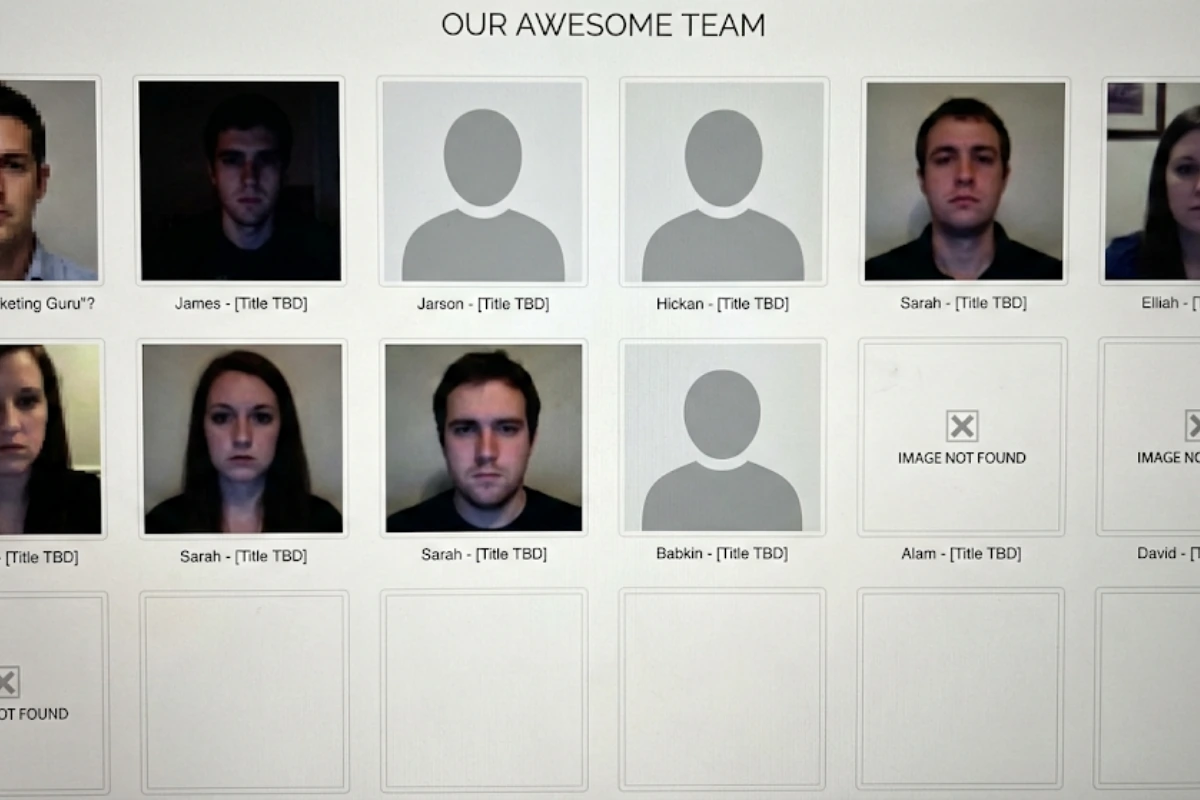
Consider the scale. There are 326,000 personal financial advisors in the US (Bureau of Labor Statistics, 2024) spread across 15,870 SEC-registered RIA firms (IAA/SEC, 2024). Edward Jones alone has 20,000+ advisors in 15,000+ branch offices spanning 68% of US counties. With 27% of finance professionals working hybrid and 9% fully remote (Robert Half, 2026), the old model of flying a photographer to each office simply doesn’t scale.
And the churn is constant. A record 366 RIA M&A deals closed in 2024 (Wealth Management, 2024), each creating a firm that needs to unify its visual identity. McKinsey projects 110,000 advisors—38% of the current total—will retire in the next decade (McKinsey, 2025), replaced by new advisors who need headshots on day one.
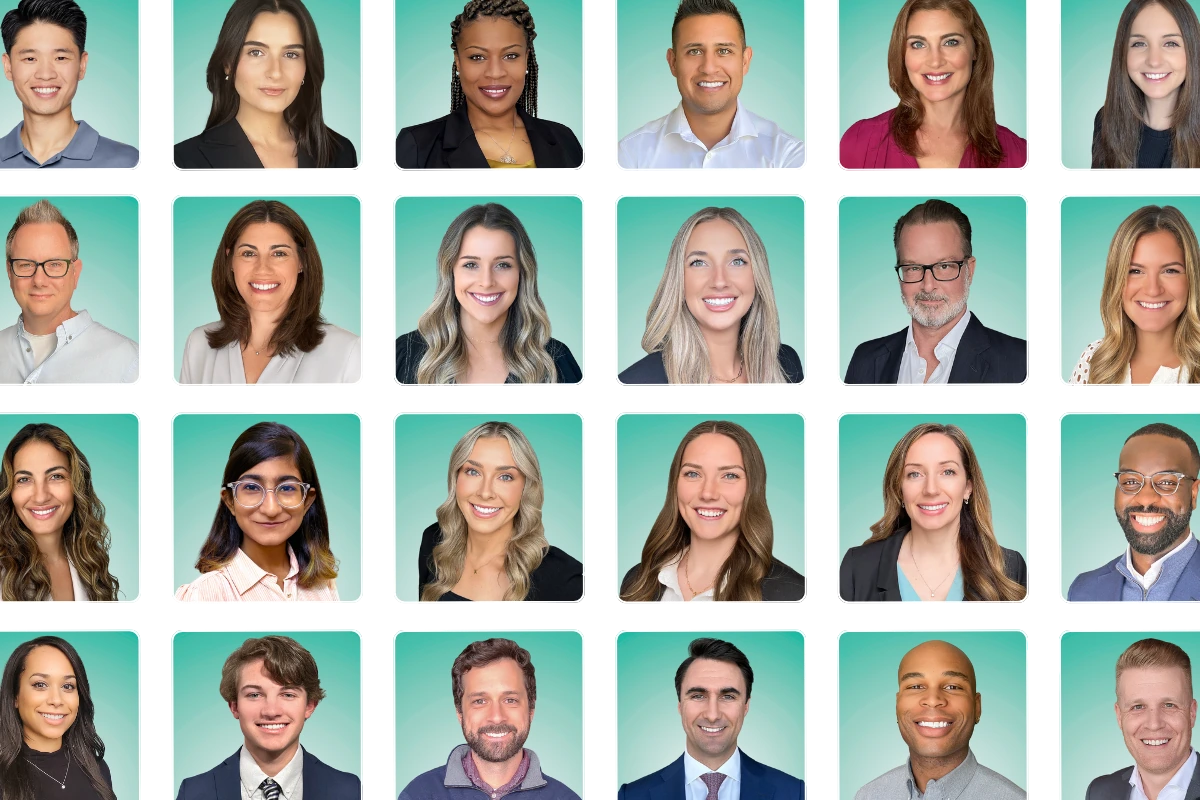
What consistency actually requires across a multi-office firm:
- Same background family. Not identical—but from the same palette. All dark tones, all neutrals, or all brand-matched.
- Same crop and framing. Head-and-shoulders for everyone. Mixing crops on a single team page signals disorganization.
- Same retouching standards. One advisor with heavy skin smoothing next to another with no retouching creates an uncanny disconnect.
- Same lighting direction. Consistent light direction makes a team grid look intentional rather than random.
- Wardrobe cohesion. Not a uniform, but a guideline. Professional attire in the same formality range.
Katie from Bernstein Private Wealth Management in Chicago summed up what multi-office coordination looks like in practice with Capturely: “All of our other offices have had a good experience. So I think it’s probably the easiest way to get it done as well” (2026).
JT Healy at Crum & Forster described the motivation behind rolling out new headshots company-wide: “Everyone’s really excited about this. I mean, this is kind of like company-wide. So, I think people are finally excited to get rid of their 1994 headshot” (2025).
For the full organizational playbook on managing headshot programs at scale, see our HR guide to team headshot programs.
Consistent headshots across every office, every advisor. Capturely delivers matching backgrounds, lighting, and retouching standards to distributed advisory teams—whether your advisors are in New York, Dallas, or working from home. Teams save up to 45%. Get a quote for your team →
How Much Do Financial Advisor Headshots Cost?
Cost varies dramatically depending on the method—and the hidden costs (travel, coordination, time) are usually bigger than the per-session price suggests.
| Method | Cost Per Person | Turnaround | Best For |
|---|---|---|---|
| Traditional studio (major metro) | $150–$400+ | 1–4 weeks | Solo advisors in cities with strong local photographers |
| On-site photographer (team day) | $125–$300/person (or $2,500–$6,000 day rate) | 2–4 weeks | Single-office firms where everyone is in the same location |
| Virtual session with live photographer (Capturely) | $45–$79/person | 24 hours | Multi-office firms, distributed teams, ongoing onboarding |
| AI-generated headshots | $9–$59 | Minutes | Not recommended for financial services (see below) |
At scale, the math shifts dramatically. A 200-advisor firm using traditional on-site photography at $200/person pays $40,000+ per round, plus travel and coordination overhead. The same firm using Capturely’s virtual sessions at $45–$79/person pays $9,000–$15,800—with 24-hour delivery, no travel logistics, and consistent quality across every office.
As one contact at Retirement Plan Advisors put it after seeing the Capturely process: “No, that’s a super simple process. I actually thought this included actually sending a professional photographer to the homes or to the offices. So this is great” (2026).
For a full breakdown of headshot pricing across every method, see our professional headshot cost guide.
Why AI Headshots Don’t Work for Financial Advisors
AI headshot generators cost $9–$59 and take minutes. For a mid-level employee’s Slack profile, they might be adequate. For a financial advisor whose entire business depends on trust? They’re a liability.
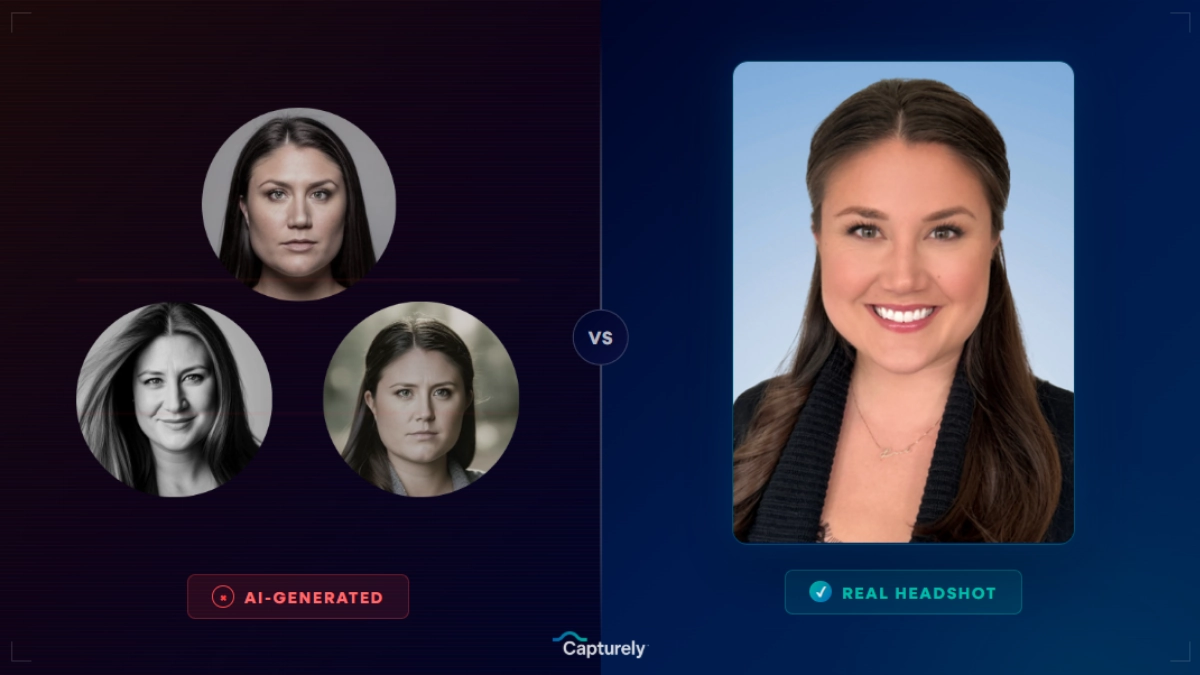
The problems compound in financial services:
- Clients can tell. AI headshots have an uncanny smoothness—identical lighting, too-perfect symmetry, a slightly plastic quality. When 97% of prospects plan to interview multiple advisors before hiring one (Wealthtender, 2025), any credibility flag gets you eliminated.
- They don’t look like you. When a prospect walks into your office expecting the person in the photo and meets someone who looks five years older with a different hairline, the relationship starts with a lie. In an industry built on fiduciary duty, that’s poison.
- Enterprise firms are banning them. Multiple Fortune 500 financial services companies now require genuine photographs for advisor profiles, website team pages, and compliance-reviewed marketing materials.
- Compliance risk. Under the SEC Marketing Rule’s broad prohibition against “misleading implications,” an AI headshot that significantly misrepresents your appearance could theoretically create a compliance question.
The 2026 trend across financial services photography is “real expression over AI perfection.” Authenticity, natural retouching, and genuine human connection are what clients respond to—not algorithmically generated perfection. For the full case against AI headshots, see our AI vs real headshots comparison.
How Virtual Headshot Sessions Work for Advisory Firms
Virtual headshots solve the specific coordination problem that plagues multi-office advisory firms: getting consistent, professional results across every location without the logistics of scheduling photographers, booking studios, or flying anyone anywhere.
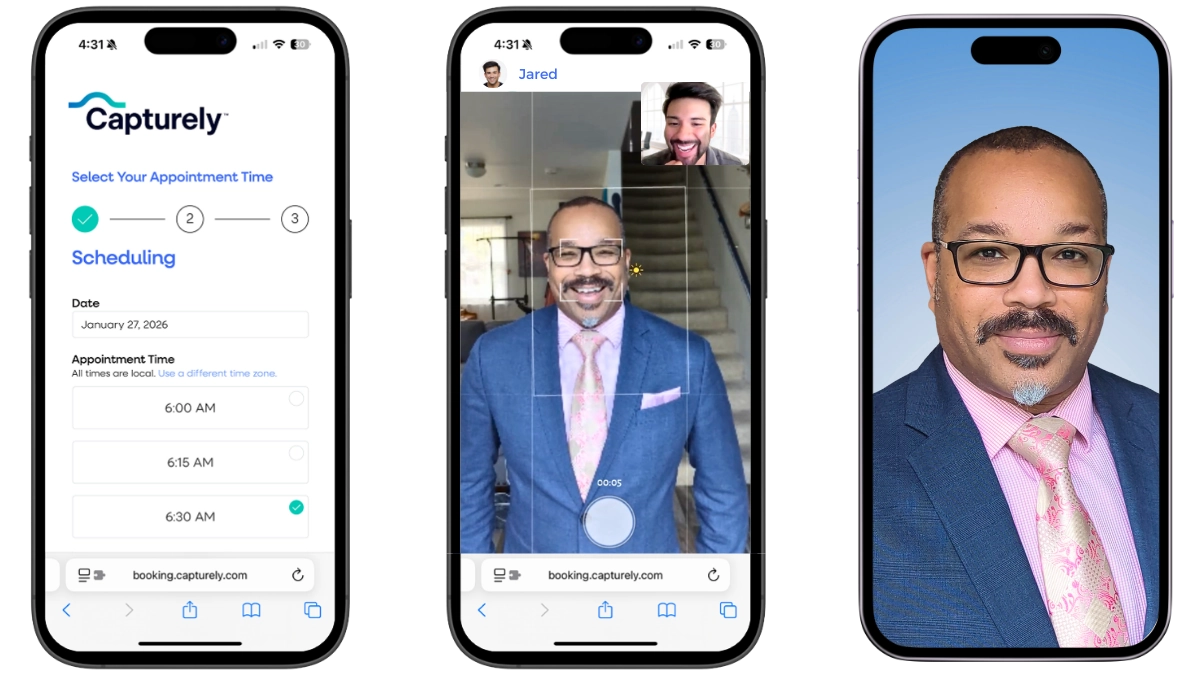
Here’s how Capturely’s process works:
- Click a link. No app download. No software installation. The advisor opens a secure link on their phone’s browser.
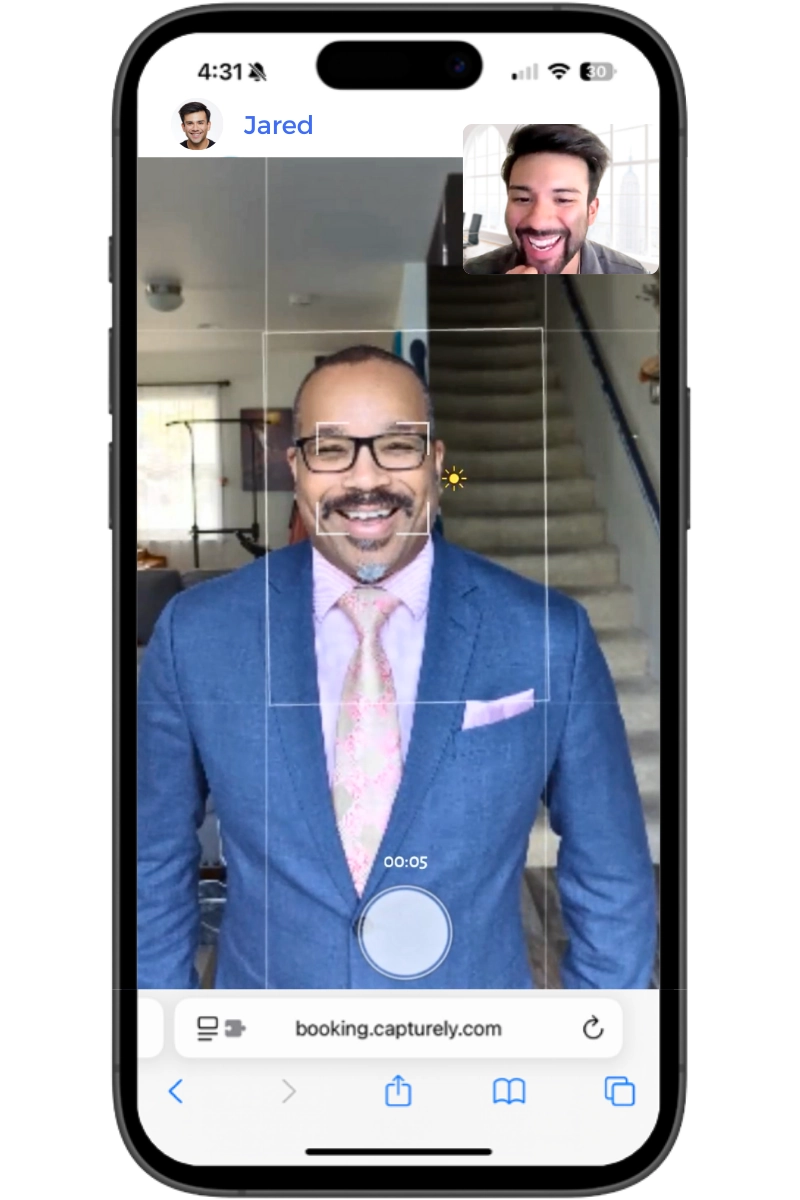
- Connect with a live photographer. A professional photographer directs the session in real time through the phone’s rear camera (36–48 megapixels). They coach posture, jaw angle, expression, and find the best natural lighting in whatever space the advisor is in. Ten minutes total.
- Get 3 edited images in 24 hours. Three professionally retouched headshots—left angle, right angle, straight-on—delivered the next day. 98+ background options, unlimited retouching revisions, and a happiness guarantee.
Aubree Plodinec at Hub International reacted to the quality after seeing the demo: “That was super helpful. Thanks for showing me that. And it looks like, you know, this is a great tool and like high quality photos for just being from someone’s phone” (2025).
And Piper at Vela Insurance (W.R. Berkley) captured what most multi-location firms discover: “I appreciate very cool technology. I mean it beats having a photographer go to each of our locations and then wait for them to edit it and handle all of that. So I mean, it’s so much easier. It’s quicker and simpler” (2026).
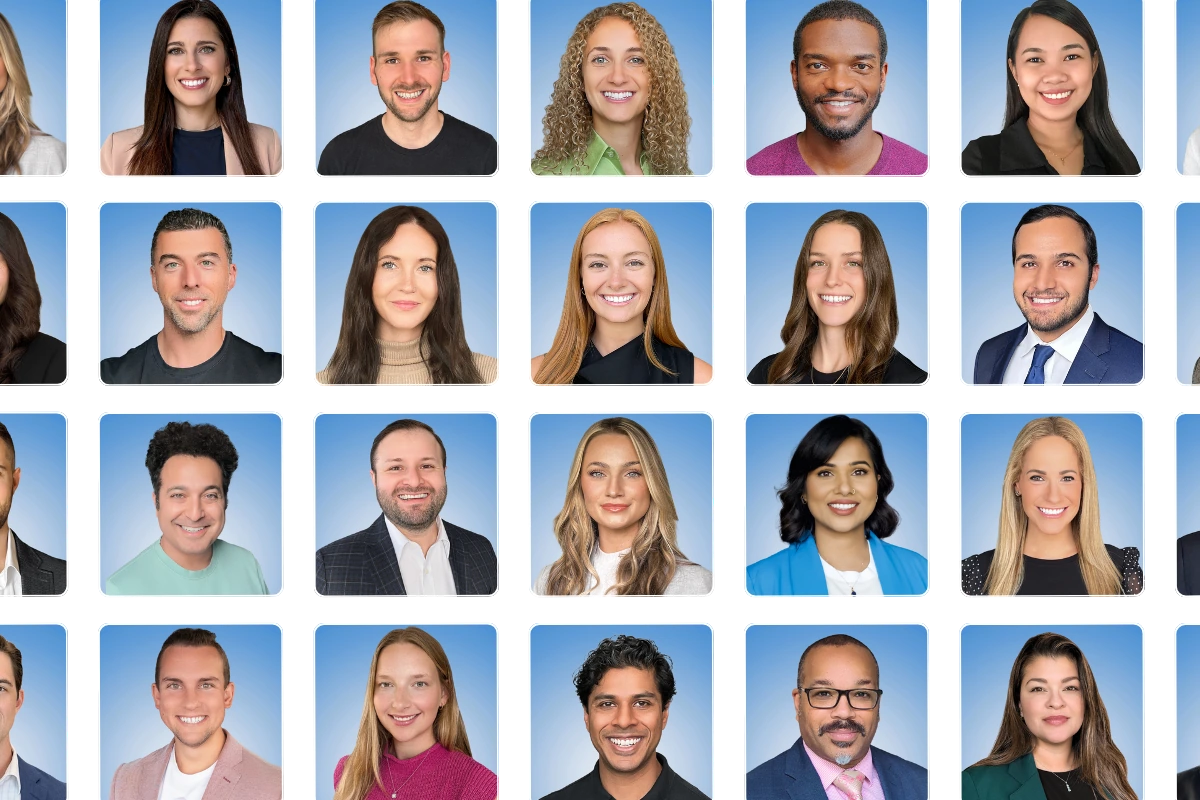
For firms building out their corporate headshot program, Capturely also provides an admin dashboard for managing scheduling, delivery, and branding across the entire organization. For the ROI case behind investing in team headshots, see our ROI of professional team headshots analysis.
765+ reviews at 4.9 stars. Capturely has delivered headshots to advisory teams at Bernstein Private Wealth Management, Trilogy Financial, Crum & Forster, Hub International, and hundreds more. $79/session for individuals, teams save up to 45%. Schedule your team →
Frequently Asked Questions
Why is a headshot important for financial advisors?
Financial advisors operate in a trust-first industry where clients entrust their retirement savings, estate plans, and children’s college funds. A professional headshot builds credibility before the first meeting—96% of prospective clients research advisors online before hiring one (Wealthtender, 2025), and people evaluate trustworthiness from a face within 100 milliseconds (Willis & Todorov, 2006). LinkedIn profiles with professional photos receive 21x more views.
What should a financial advisor wear for a headshot?
Navy blue is the top wardrobe choice for financial advisor headshots—research confirms it projects trustworthiness and openness (Advisor Perspectives, 2018). Men should wear a well-fitted suit or blazer in navy, charcoal, or medium gray with a solid or subtly patterned tie. Women should choose solid colors in dark or jewel tones with a simple neckline and minimal jewelry. Bring 2–3 options so your photographer can recommend based on lighting and background.
How much do financial advisor headshots cost?
Traditional studio sessions run $150–$400+ per person in major metros with 1–4 week turnaround. On-site team photography costs $125–$300 per person or $2,500–$6,000 per day. Virtual sessions with a live photographer through Capturely cost $45–$79 per person with 24-hour delivery. AI-generated headshots cost $9–$59 but are not recommended for financial services due to trust and authenticity concerns.
Should a financial advisor smile in their headshot?
Yes, but subtly. The 2026 standard is “The Confident Neutral”—a composed expression with a slight, natural smile that conveys both competence and approachability. PhotoFeeler research shows smiling increases likability but formal expression increases perceived competence. The ideal financial advisor headshot balances both—friendly enough to feel trustworthy, serious enough to feel capable.
How often should financial advisors update their headshots?
Every 12 to 24 months, or immediately when triggered by a promotion, firm merger, rebrand, or significant appearance change. Advisory firm M&A hit a record 366 deals in 2024, each requiring visual identity unification. At minimum, update whenever your headshot no longer looks like the person clients meet in person—that mismatch damages trust before the conversation starts.
Are AI-generated headshots appropriate for financial advisors?
No. AI headshots create authenticity risks in a trust-dependent industry. They don’t accurately represent your appearance, and multiple enterprise financial services firms now require genuine photographs for advisor profiles and compliance-reviewed materials. Under the SEC Marketing Rule’s prohibition against misleading implications, an AI headshot that significantly alters your appearance could create compliance questions. Real photography is the only credible option for advisors.
Do professional headshots help financial advisors get more clients?
The data says yes. LinkedIn profiles with professional photos receive 21x more views and 36x more messages (LinkedIn, 2017). Professional headshots increase perceived competence by 76% (PhotoFeeler, 2014). Websites with professional photos see 35% higher conversion rates. For an industry with an average client acquisition cost of $3,119 (Kitces Research, 2024), improving the first impression your headshot creates is one of the highest-ROI investments available.