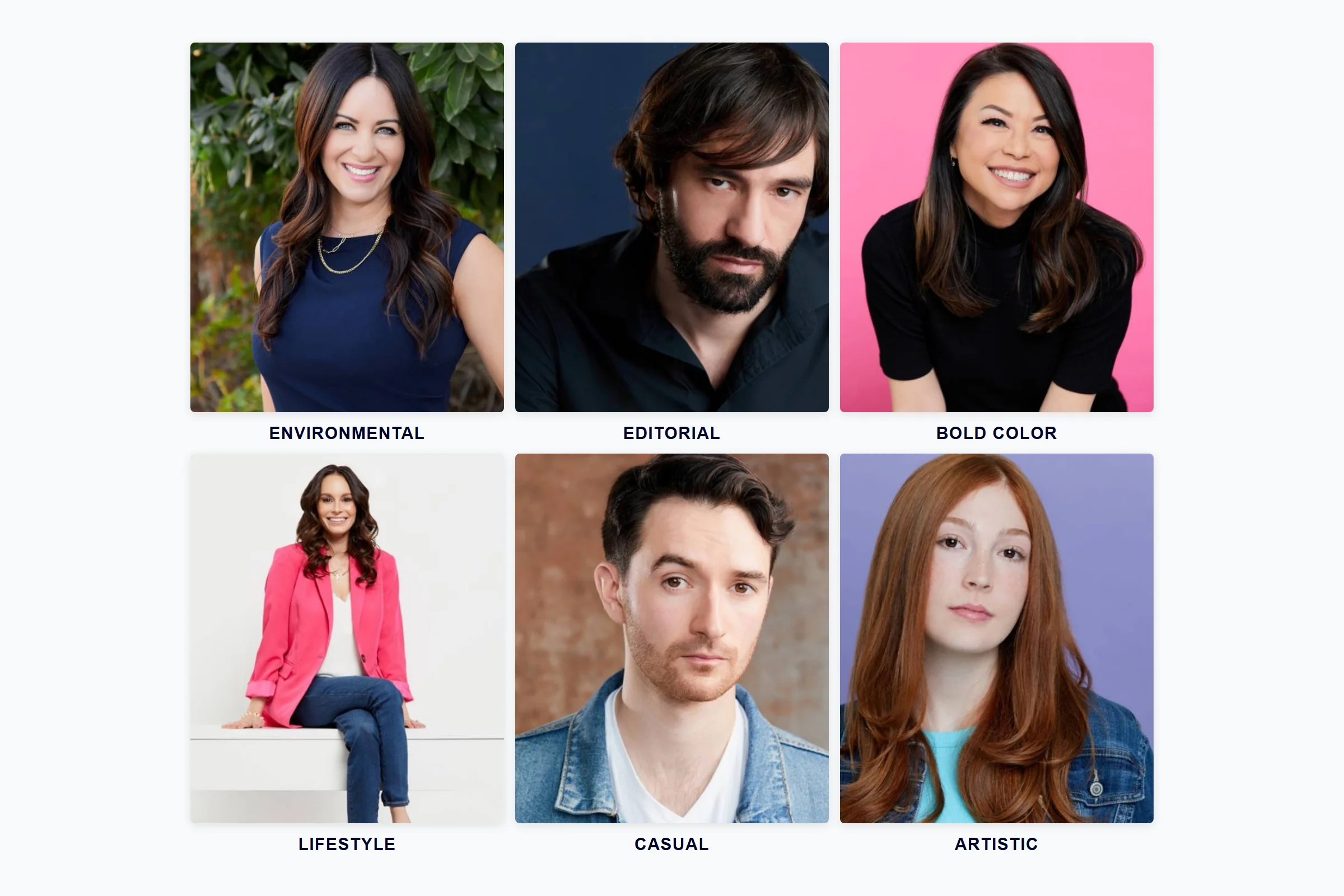
Acting headshots are professional head-and-shoulders photographs used by actors to submit for auditions, secure agent representation, and build casting profiles on platforms like Actors Access, Backstage, and Casting Networks. A strong acting headshot captures your authentic look and personality in a single frame — because casting directors reviewing thousands of submissions per role spend just seconds on each thumbnail before deciding who gets an audition.
Last updated: March 2026
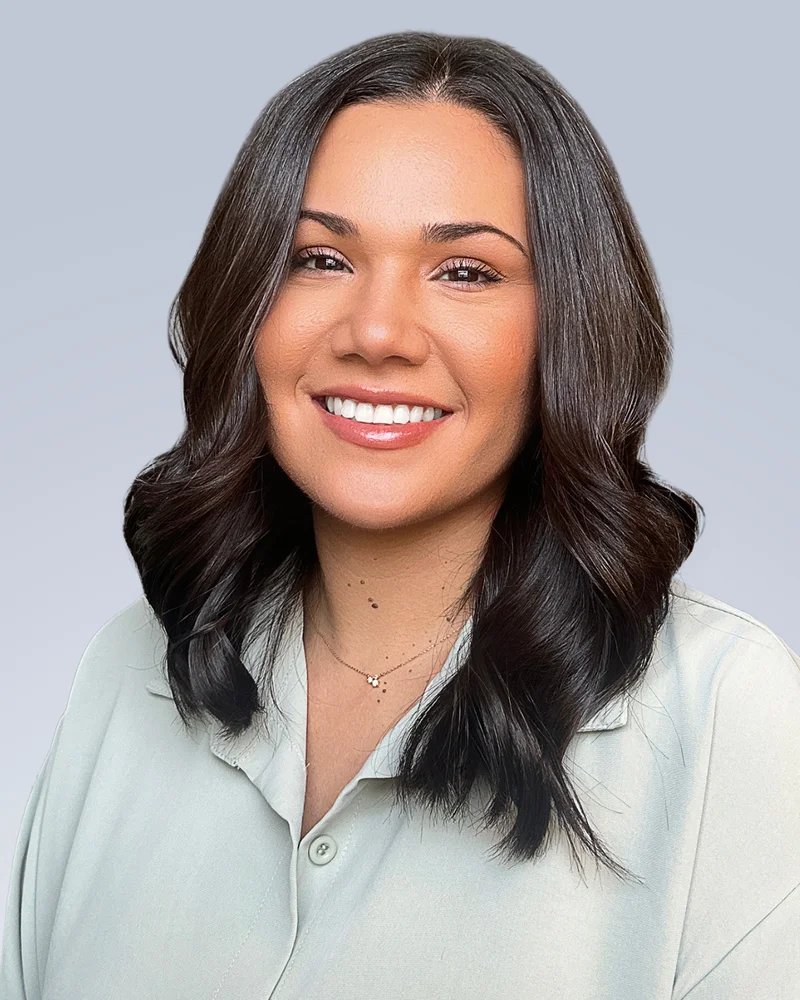
This guide covers the two headshot types every actor needs, what casting directors actually select for, how to prepare for your session, what it costs in 2026, and why virtual headshot sessions are quietly becoming the smartest option for actors who need to update their look without spending $500 every time. Everything here is sourced from casting director interviews, industry data, and patterns from over 100,000 headshots delivered by Capturely for organizations including Google, Netflix, and Amazon.
What Are Acting Headshots?
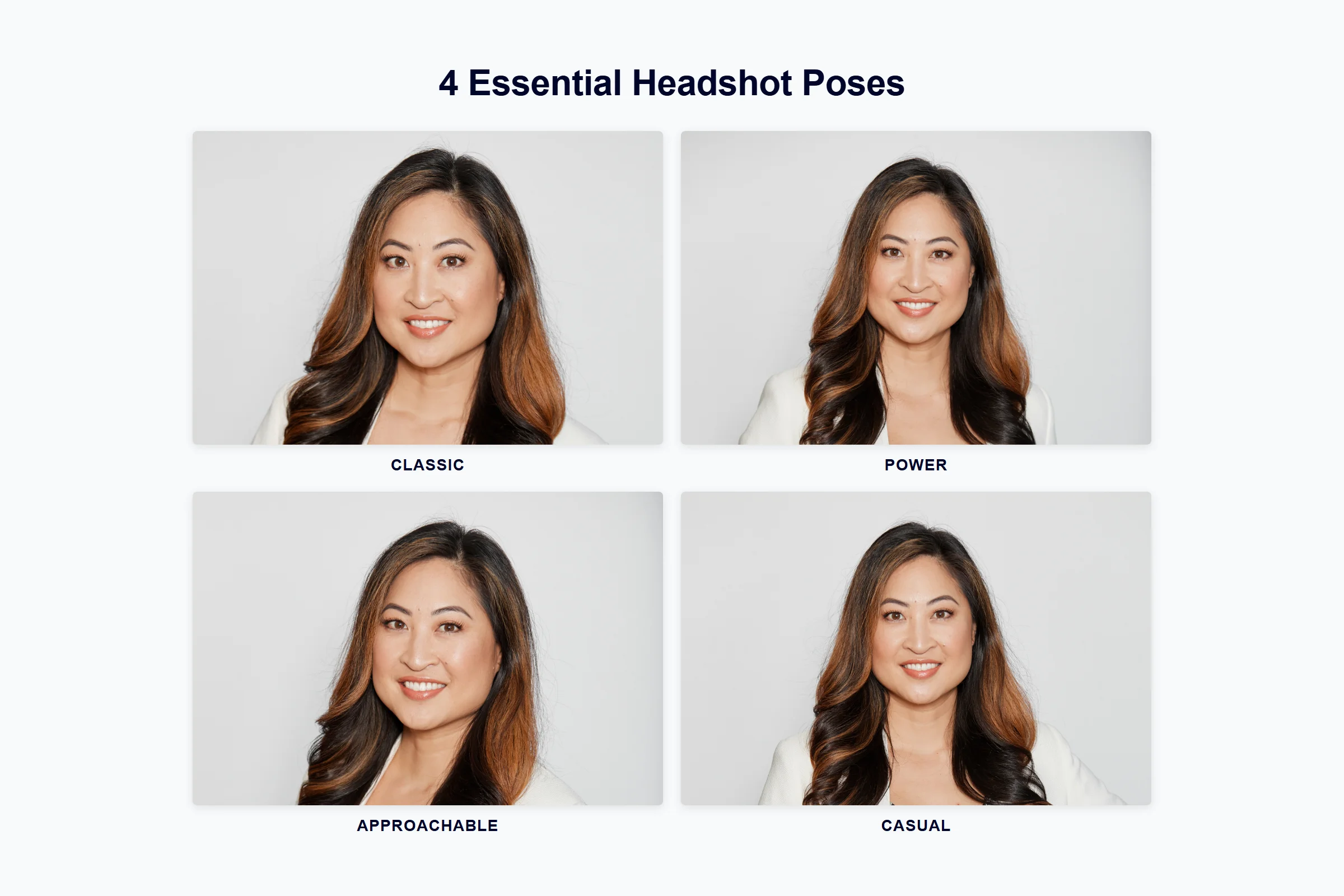
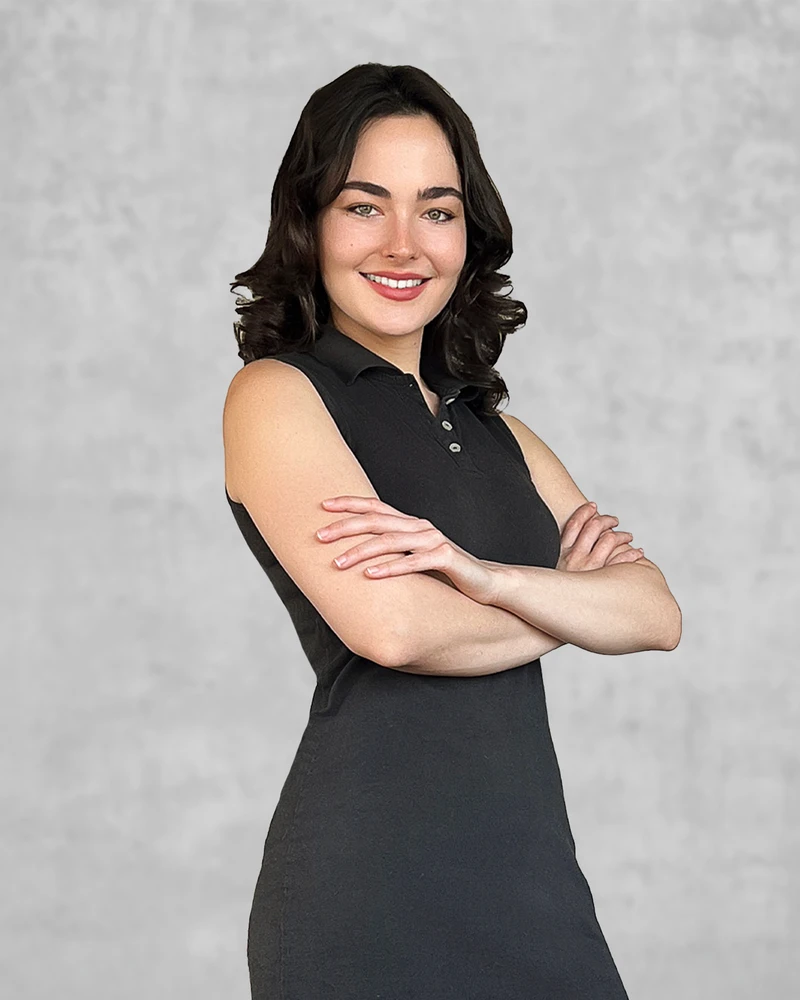
An acting headshot is a tightly cropped, professionally lit photograph — typically framed from the chest up — that represents how you look right now, today. Not how you looked two years ago. Not how you wish you looked. The version of you that will walk into the audition room or show up on set.
According to Daryl Eisenberg, CSA, a Casting Society of America member: “Your headshot should look like the person that will walk in the audition room or show up on set. Nothing else matters!”
That sounds obvious, but it is the single most common thing actors get wrong. Over-retouching, outdated photos, and flattering angles that don’t match reality all create the same problem: the casting director calls you in expecting one person and gets another. That trust gap ends auditions before they start.
Industry-standard acting headshots are:
- 8×10 inches (print) or vertical/portrait orientation for digital — 58% of casting directors prefer portrait layout, and 0% prefer landscape (BWAY Headshots Survey, 2024)
- Color — black and white headshots had their era, but color is now standard for casting submissions
- JPEG format for digital platforms — Actors Access accepts up to 3,000 x 3,000 pixels at 500KB–1MB
- Minimally retouched — blemish removal and color correction only, no smoothing or reshaping
- Your name on the front — 100% of casting directors surveyed expect to see the actor’s name on the headshot (BWAY Headshots, 2024)
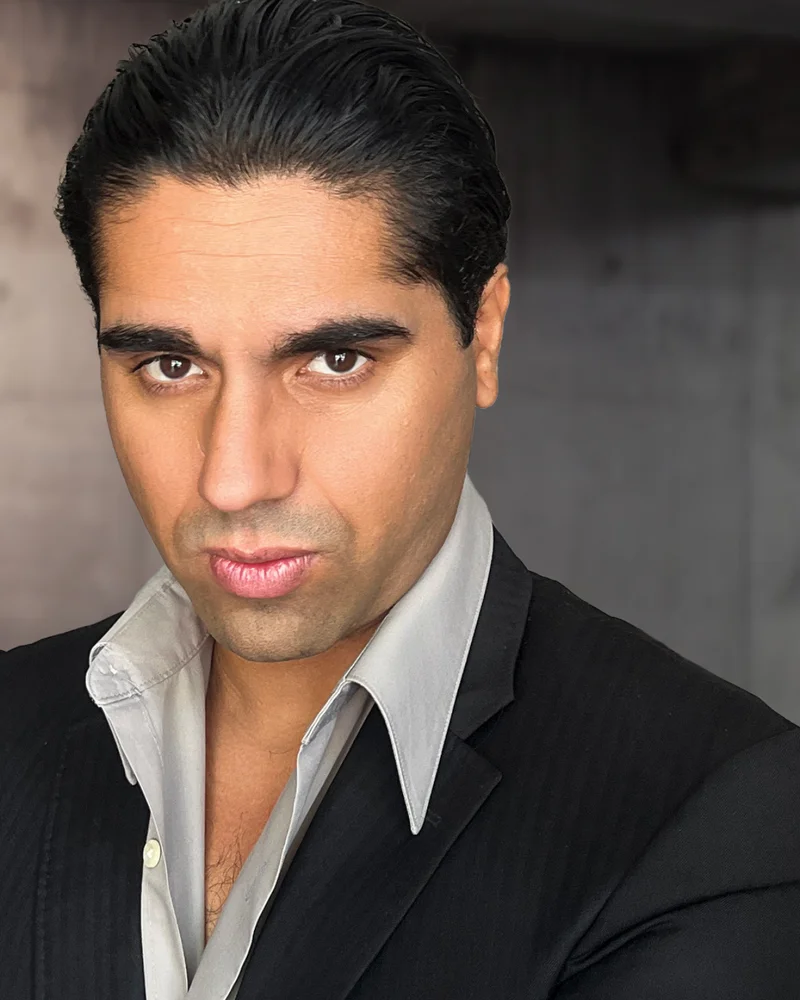
The purpose is simple: your headshot is your marketing material. Casting directors scrolling through 48 to 96 thumbnails per page on their screen need to see your face, read your energy, and decide in seconds whether you could be right for the role. As casting director Tree Petts puts it: “I’ll get 48 to 96 thumbnails a page. They need to have a strong, good headshot, and most importantly of all, they need to look like their headshot” (Spotlight, 2023).
The scale is staggering. For a standard smaller film role, a casting director might receive 7,000 submissions. For network TV guest star roles, 1,500–3,000 actors compete for a single slot (Scott Frank Ph.D., 2023). Only 10–15 of those actors get called in to audition. Your headshot is doing the filtering — not your reel, not your resume, not your agent’s pitch. The headshot.
If you’re new to professional headshots in general, our complete guide to professional headshots covers the fundamentals across all industries.
Commercial vs Theatrical Headshots: The Two Types Every Actor Needs
Commercial headshots and theatrical headshots serve different audition tracks, and casting directors expect to see both in your portfolio. Here is what separates them and when to use each.
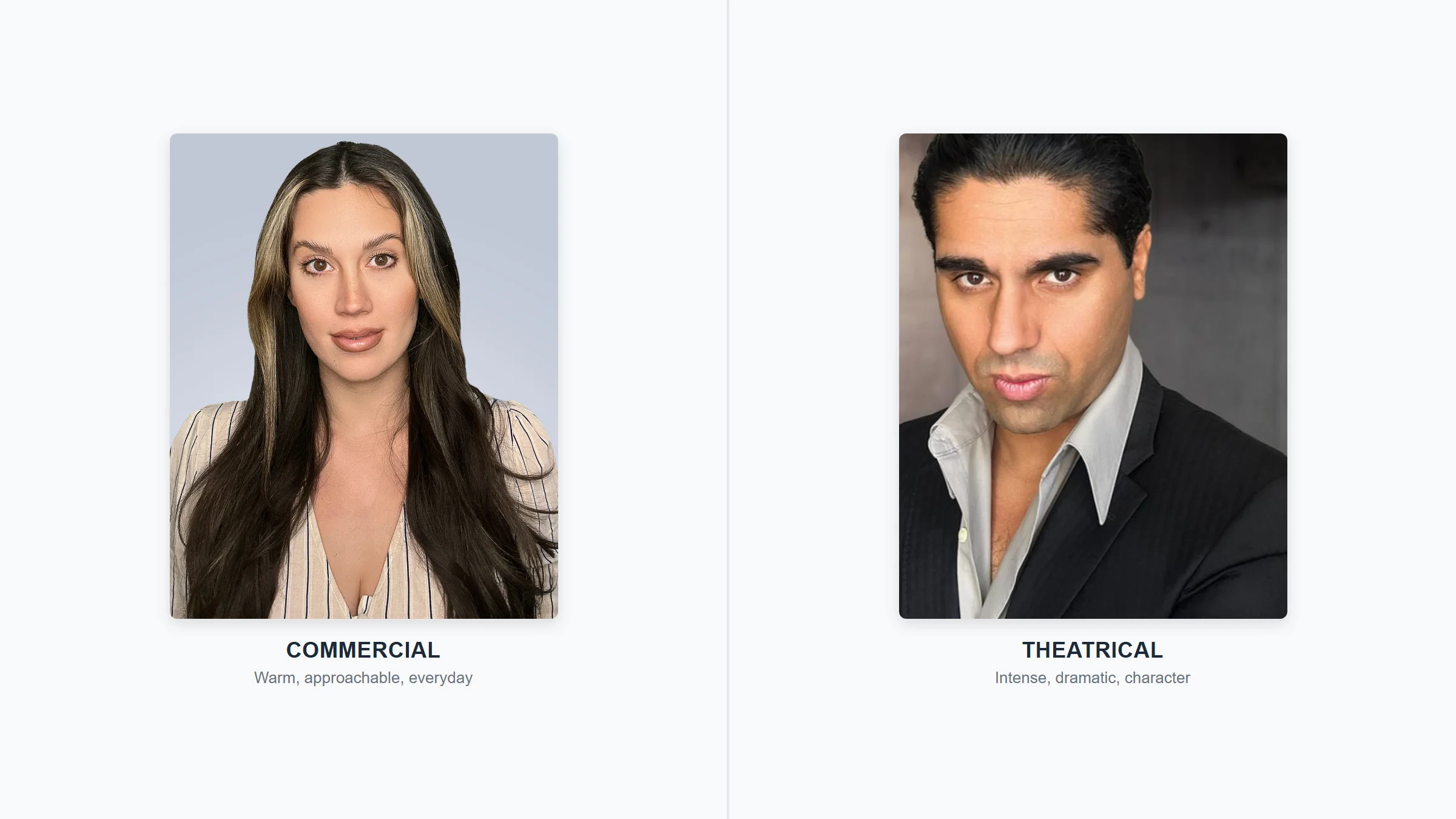
| Element | Commercial Headshot | Theatrical Headshot |
|---|---|---|
| Used for | TV commercials, print ads, spokesperson roles, corporate | Film, television drama, stage, episodic |
| Expression | Warm, genuine smile — friendly, approachable, relatable | Serious, intense, emotionally complex — showing depth and range |
| Lighting | Bright, even, minimal shadows | Dimensional, shadowed, dramatic — mimicking film lighting |
| Wardrobe | Vibrant solid colors, casual/professional blend | Darker tones, earthy solids, muted palette |
| Background | Light gray, white, or softly blurred environmental | Solid dark or charcoal, clean and minimal |
| Vibe | “I’d buy something from this person” | “I want to watch this person on screen” |
The boundaries between commercial and theatrical have blurred in recent years. The industry has shifted toward more natural, cinematic looks across both categories — less stiff posing, more authentic micro-expressions, and softer lighting that resembles how actors actually appear on camera. But the core distinction holds: commercial says “trust me,” theatrical says “watch me.”
Most working actors maintain 2–4 distinct headshot looks showing their casting range. One headshot no longer cuts it. If you’re submitting for both commercial and dramatic roles (and most actors are), you need at least one of each. We go deeper on this topic in our guide to commercial vs theatrical headshots.
What Casting Directors Actually Look For in Acting Headshots
Forget everything you think you know about “the perfect headshot.” Casting directors don’t pick headshots because the lighting is flawless or the composition is textbook. They pick based on instinct — and what triggers that instinct is personality.
Professional anthropologist Scott Frank, Ph.D., studied how casting directors interact with headshots and found something striking: “For all the time and energy put in by the actors and the photographers to make each shot perfect, the initial answer from casting people I spoke to was ‘I pick based on impulse and instinct.’” His research found that genuine personality comes through in only about 0.3% of all headshots — roughly 6 standout photos in a pool of 2,000 submissions (Vanie Poyey Photography, 2023).
Here is what actually makes the cut:
- Authenticity above everything. The headshot must look like you on your best day. Tree Petts, a casting director, warns: “There’s no point getting one that makes you look really beautiful and then you come in and I’m like ‘oh, well, you don’t really look like your picture’” (Spotlight, 2023).
- Eyes that are alive. Casting director Kelly Valentine Hendry describes what catches her attention: “Their eyes are alive. Or there’s a strength there, something that’s different from everyone else and it usually comes down to the eyes and someone inviting you in” (Spotlight, 2023).
- Current representation. Your headshot must reflect your look right now — current hairstyle, weight, facial hair. Update every 1–2 years for adults and every 6–12 months for child actors (Marc Cartwright Headshots, 2024).
- Range. Submit different looks for different role types. Casting directors want to think “she could play the doctor” based on your expression and wardrobe — not because you’re wearing a lab coat.
- Minimal retouching. 87% of casting professionals reject heavily filtered images (HeadshotsNEO, 2026). If the edit is noticeable, it has gone too far.
Need casting-ready headshots fast? Capturely connects you with a live photographer who directs your session in real time via your phone — 10-minute sessions, 3 edited images, 24-hour delivery, starting at $79. Book your session →
How to Prepare for Your Acting Headshot Session
Session prep makes or breaks the result. The photographer handles lighting and direction, but you control wardrobe, grooming, and energy. Here is what to get right before the camera comes out.
Wardrobe
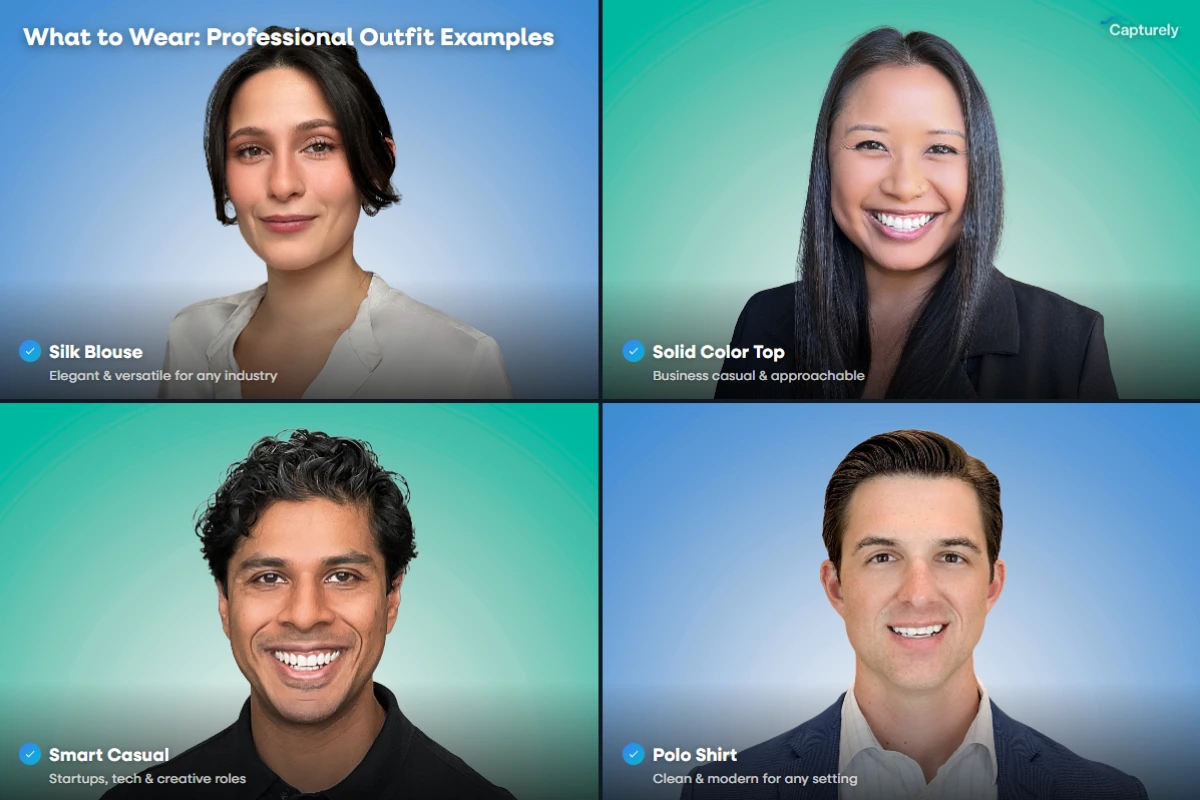
Solid colors photograph best. Navy, charcoal, forest green, burgundy, and muted blues work across skin tones and background colors. Avoid busy patterns, thin stripes (they create a visual distortion called moiré on camera), neon colors, and large logos.
Match the role type, not your personal style. Bring 2–4 outfit options spanning commercial and theatrical looks — a clean crew-neck or blouse for commercial warmth, a darker blazer or layered top for dramatic intensity. Your photographer will help you choose what works with your lighting and background.
Necklines matter. V-necks elongate the neck and slim the face. Crew necks work for casual/commercial headshots. Collared shirts add authority. Turtlenecks photograph better than most actors expect.
For detailed industry-specific wardrobe guidance, see our full guide on what to wear for professional headshots.
Hair and Grooming
Get your haircut 5–7 days before the session — not the day of. Fresh cuts look too sharp on camera. Style your hair the way you normally wear it. If you’re going to a commercial audition tomorrow, the casting director needs to see the same hairstyle they saw in your headshot.
Makeup should be minimal and natural. For women: foundation, concealer, neutral eye shadow, and a subtle lip color. For men: a light dusting of translucent powder to reduce shine is all you need. The goal is to look like yourself, not a made-up version of yourself.
Expressions and Energy

The difference between a good headshot and a great one is almost always in the expression. And expression starts before the camera comes out.
Arrive rested, hydrated, and warmed up. Do some facial exercises in the car — scrunch your face, open wide, move your jaw around. The tension shows up in your jaw and forehead if you walk in cold.
A good photographer will get you out of your head. They will talk to you, make you laugh, catch the natural expression that follows. But you have to be available for it. The best headshots happen when the actor stops performing “headshot face” and just shows up as themselves.
Matt Newton, an on-camera acting coach whose clients include Tony and Emmy winners, recommends: “Find a photographer who gets you. You have to vibe with the photographer and they have to make you feel very comfortable” (Backstage, 2023).
For more on posing technique that transfers directly to headshots, see our guide to headshot posing.
Acting Headshot Styles by Genre
Not every acting headshot serves the same casting track. The style you need depends on the roles you’re going after.
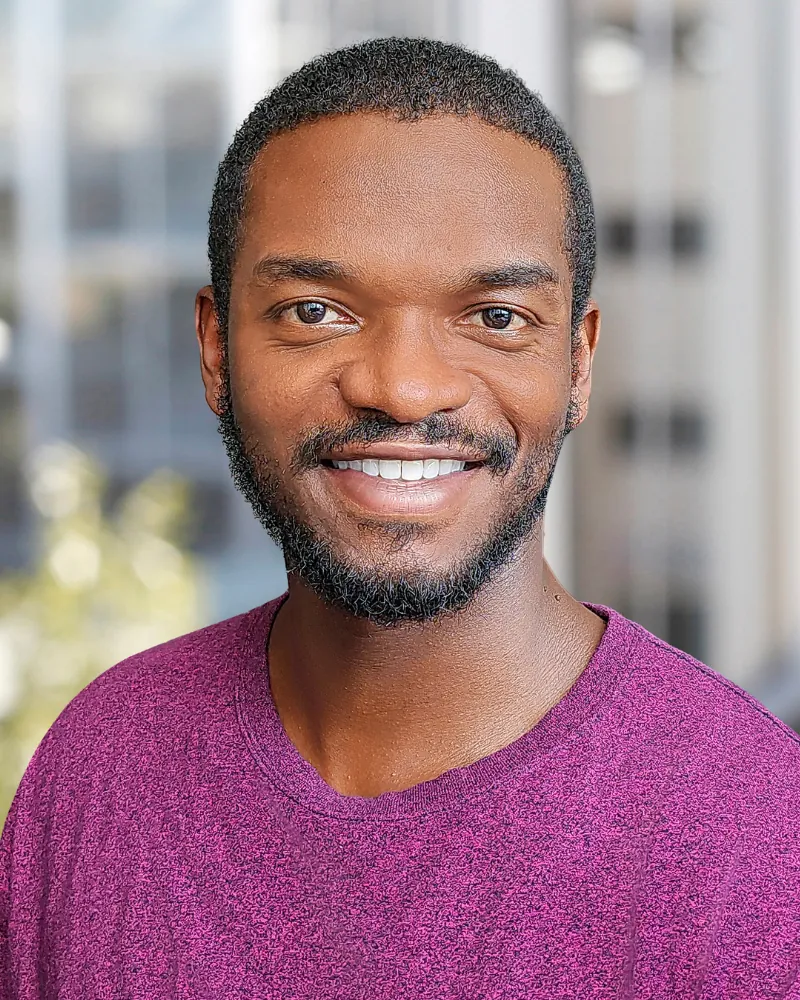
Commercial. Bright, warm, and approachable. The casting director needs to believe you could sell cereal, represent a bank, or play “happy neighbor #2.” Genuine smile, bright solid wardrobe, even lighting. This is the most commonly requested headshot type.
Dramatic/Theatrical. Moody and intense. Shadows create dimension. Your expression should suggest depth — you are carrying something the audience needs to unpack. Dark wardrobe, minimal smile, solid dark background. Think prestige TV, not dinner theater.
Comedic. Light, bright, and energetic. Your eyes should hint at the type of humor you bring — dry and sarcastic looks different from physical and slapstick. The key is not mugging for the camera. A slightly raised eyebrow or a knowing half-smile reads better than an exaggerated grin.
Character. This is the headshot that says “I am not the lead — I am the person the audience remembers.” Character headshots lean into what makes your face distinctive. Strong features, unconventional angles, personality-forward. If you consistently get cast as the eccentric professor or the tough-love coach, your headshot should telegraph that.
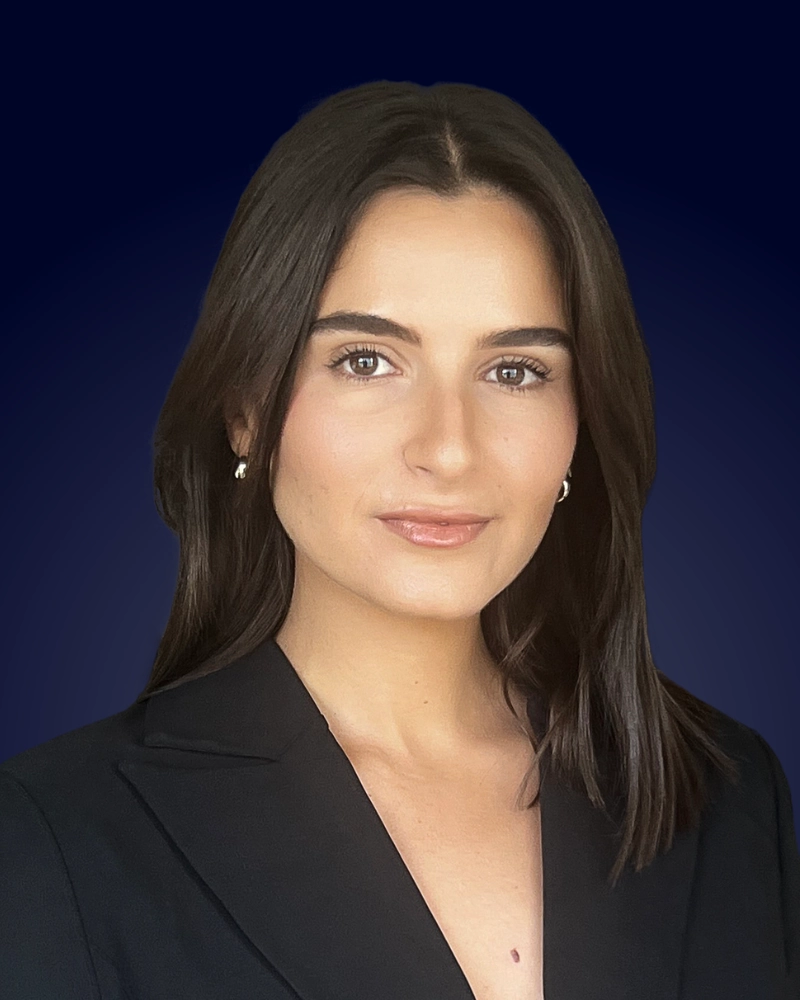
Most working actors need at least a commercial and a theatrical headshot. If you have strong character type or comedic range, add those too. The actors who book consistently are the ones who show casting directors exactly what they bring — before they walk in the room.
Black and white headshots had their moment, but color is now the standard for casting submissions. B&W can still work for specific artistic or theatrical contexts, but do not submit a black and white headshot for a commercial audition unless you have been specifically asked to. For actors interested in B&W as a creative option, see our guide on black and white headshots.
For more on how creative professionals approach headshots differently, see our guide to creative headshots. And if you are a parent with a child pursuing acting, headshot requirements for kids are different — we cover that in our child actor headshots guide.
How Much Do Acting Headshots Cost in 2026?
Acting headshot pricing in 2026 varies dramatically depending on how you get them done. Here is an honest pricing breakdown with no sugarcoating about what you get at each tier.
| Method | Cost Per Session | What You Get | Best For |
|---|---|---|---|
| Budget Studio | $150–$400 | 30–45 min session, 1–2 looks, 3–5 retouched images | Actors in smaller markets with limited budgets |
| Mid-Range Studio | $400–$750 | 45–60+ min session, 2–3 looks, 5–8+ retouched images, coaching included | Working actors who need strong portfolio shots |
| Premium Studio (LA/NYC) | $750–$1,500+ | 1–2 hours, 4+ looks, hair/makeup artist, studio + outdoor, extensive retouching | Actors with agent representation investing in career-level imagery |
| Virtual with Live Photographer | $79 (individual) / $45–$79 (teams) | 10-min session, 3 edited images, professional retouching, 24-hour delivery | Actors needing quick, affordable updates between major sessions |
| AI Headshot Generators | $29–$79 | AI-generated images from uploaded selfies, delivered in minutes | Temporary placeholder only — most casting platforms discourage AI images |
Regional pricing matters. In NYC, the state average runs $925 per session (Professional-Headshot.com, 2026). In LA, Anthony Mongiello, a professional headshot photographer, notes: “Most good headshot photographers charge somewhere between $300 and $1,200 in Los Angeles” (Backstage, 2024). Smaller markets run $150–$350.
Additional costs to budget for: hair and makeup ($100–$300 extra), additional retouching ($10–$50 per photo), and extra looks ($100+ per additional wardrobe change at some studios). Some photographers also charge a travel fee if they come to you.
Here is the reality check most headshot guides skip: 90% of actors are unemployed at any given time, and only 12% of SAG-AFTRA members earn more than $1,000 in a year (Bernard Hiller, 2025). Spending $800 on headshots is a serious investment when you are working a restaurant job between auditions. That does not mean you should go cheap — a bad headshot costs you more in missed auditions than a good one costs in dollars. It means you should be strategic about where the money goes.
Mongiello offers this perspective: “A bunch of money in the bank and a subpar headshot will never help your acting career, but a great headshot that might have cost a fortune will really save you time, money, rent, while you’re trying to get your foot in the door” (Backstage, 2024).
For a complete pricing breakdown across all headshot methods, see our professional headshot cost guide.
Virtual Acting Headshots: A New Option for Actors on a Budget
Here is the part no other acting headshot guide covers — because most of them are written by studio photographers who want you in their chair.
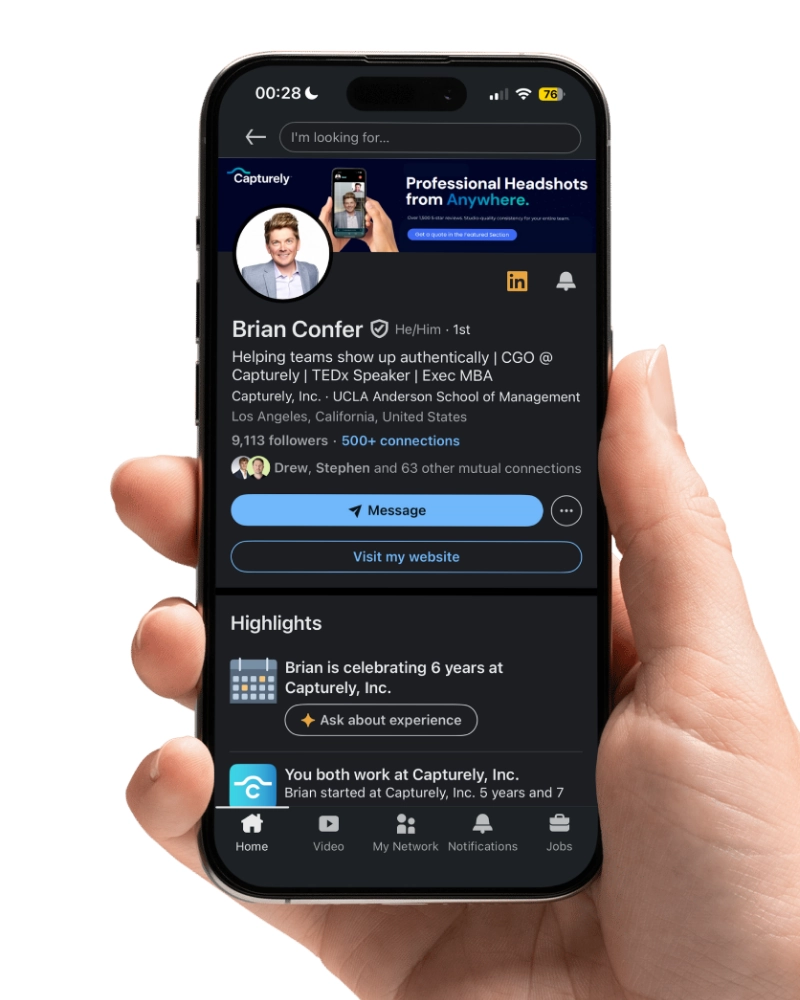
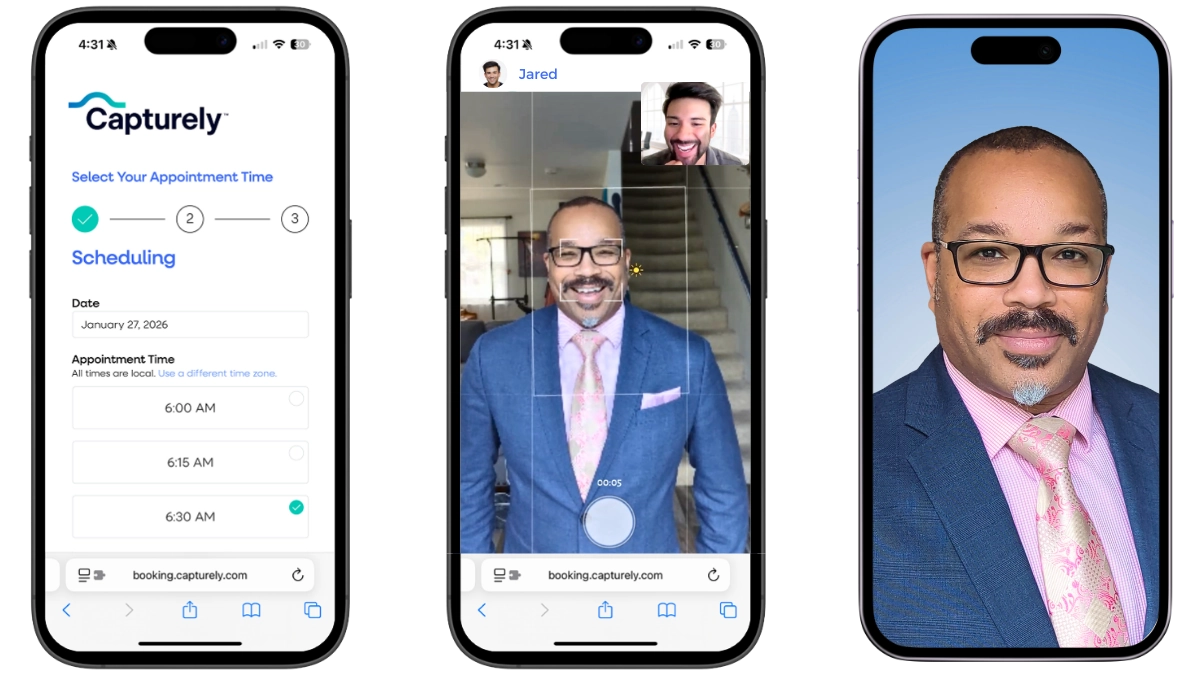
Virtual headshot sessions connect you with a live professional photographer through your phone. Not the selfie camera — the rear camera, which shoots at 36–48 megapixels on modern smartphones. That is more resolution than the professional DSLRs that photographers were using ten years ago at $3,000+ per camera body.
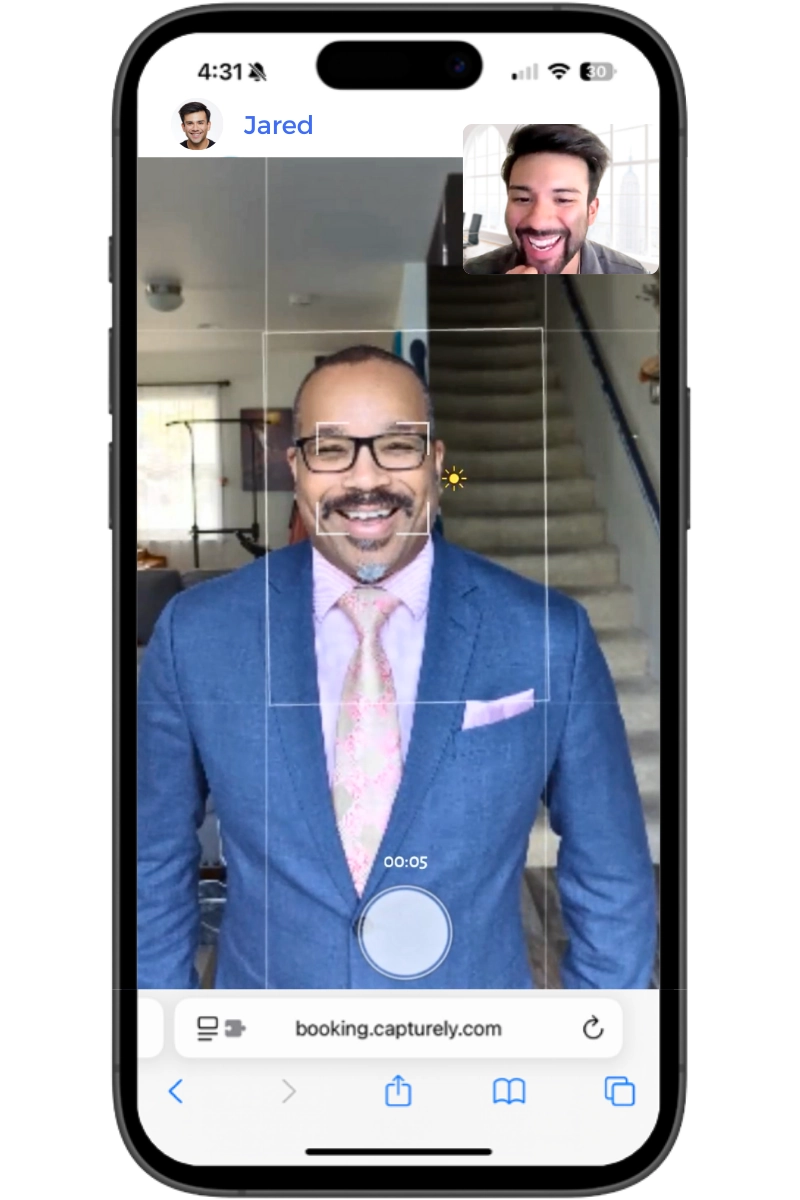
The photographer directs everything in real time: posture, head angle, chin position, shoulder drop, expression, where to position yourself relative to the window light. You get the two things that actually make headshots work — professional direction and a real photograph of you — without the studio visit, the travel, or the $500+ price tag.
Why this matters for actors specifically:
- Frequent updates become affordable. Casting directors demand current headshots. At $250–$600 per studio session, updating every time you change your hair or lose weight is financially brutal — especially when only 12% of SAG-AFTRA members earn more than $1,000 in a year (Bernard Hiller, 2025). At $79, updating becomes realistic.
- Multiple looks in one session. Change your wardrobe between shots at home. No studio wardrobe-change awkwardness.
- Self-tape familiarity. 60% of initial casting now happens via self-tape (Acting Magazine, 2025). Actors are already comfortable performing to camera via phone. The mental model transfers directly.
- No geographic limitation. You do not need to live in LA or NYC to work with a skilled photographer. Capturely’s photographers handle hundreds of sessions per month and know exactly how to direct expression, lighting, and posing through the screen.
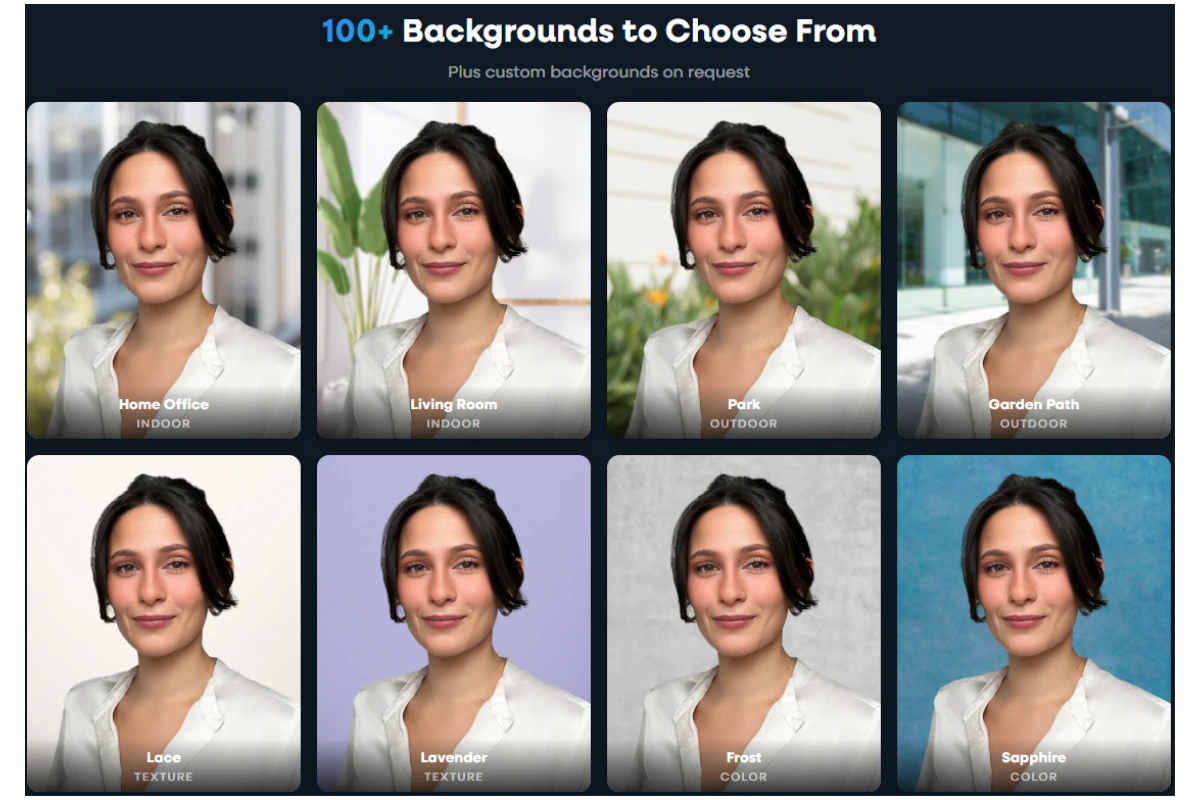
Capturely delivers professional headshots with a live photographer, 24-hour retouching and delivery, 98+ background options, and 765+ reviews at 4.9 stars. It is not a replacement for your career-defining $800 studio session — it is the option that keeps your headshots current between those sessions without draining your bank account.
Get casting-ready headshots in 10 minutes. A live photographer directs your session, you get 3 professionally edited images in 24 hours, and it starts at $79. No studio, no travel. Book your virtual headshot session →
Acting Headshot Requirements by Platform
Every major casting platform has specific technical requirements for headshot uploads. Get these wrong and your image either gets rejected, compressed into a blurry thumbnail, or cropped in a way that cuts off your chin. Here are the specs that matter:
| Platform | Format | Max Resolution | File Size | Orientation |
|---|---|---|---|---|
| Actors Access | JPEG | 3,000 x 3,000 px | 500KB – 1MB | Portrait (vertical) |
| Backstage | JPEG, PNG | No strict max | Under 10MB | Portrait preferred |
| Casting Networks | JPEG | 1,500–3,000 px | Under 5MB | Portrait (vertical) |
| Spotlight (UK) | JPEG | Min 400 x 600 px | Under 10MB | Portrait (vertical) |
Key rules across all platforms: Upload the highest resolution you have (within the max). Multiple headshots per profile are expected — at minimum two showing different looks. Use your actor name on the image file, not “IMG_4872.jpg.” And make sure your profile headshots match what you look like today. Casting directors also check Instagram and other social media before callbacks (Marketing4Actors, 2024), so visual consistency across platforms matters.
Common Acting Headshot Mistakes (and How to Avoid Them)
After seeing tens of thousands of actor headshots, these are the mistakes that kill audition chances before they start.
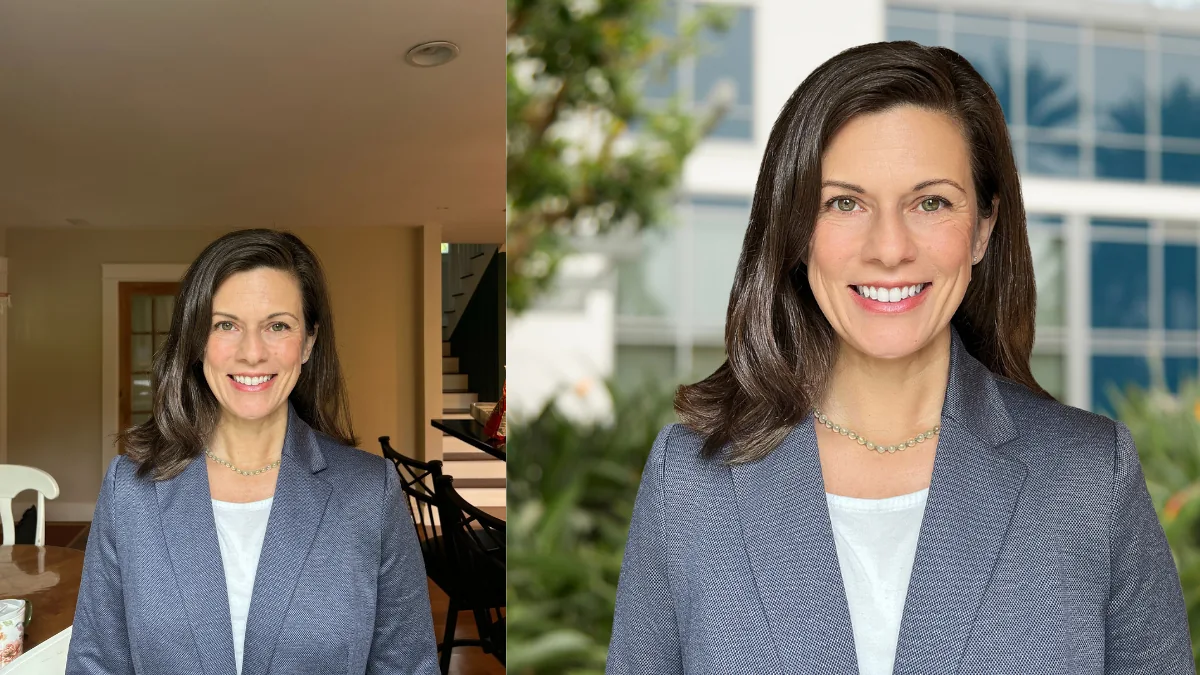
- Over-retouching. This is the most common and most damaging mistake. If the casting director meets you and you look different from your headshot, trust evaporates instantly. 87% of casting professionals reject heavily filtered images (HeadshotsNEO, 2026). Minor blemish removal and color correction are fine. Smoothing skin texture, reshaping your jaw, or whitening teeth three shades is not.
- Outdated photos. Casting director Thom Hammond puts it bluntly: “Headshots are really, really important. They should be fairly recent. You’ll need to change them quite often, every couple of years, even if you don’t think you do” (Spotlight, 2023). If your headshot is from three years and two haircuts ago, replace it.
- One-size-fits-all approach. Submitting the same headshot for a comedy commercial and a prestige drama tells the casting director you don’t understand the difference. Invest in at least two distinct looks.
- Wrong background for the genre. A bright white background reads commercial. A dark, moody background reads theatrical. Submitting a theatrical headshot for a toothpaste commercial creates cognitive dissonance. Match the background to the role type. For more on background selection, see our headshot backgrounds guide.
- Performing instead of being present. The actors with the worst headshots are often the ones trying hardest to “look like an actor.” Stop performing “headshot face.” The 0.3% of headshots that truly convey personality do so because the person forgot they were in a photo session for a moment.
- Using AI-generated headshots for serious submissions. AI headshots are digital fabrications, not photographs. They approximate your appearance but cannot capture the micro-expressions and personality that casting directors respond to. Most casting platforms and agencies now discourage or prohibit AI-generated images for professional submissions.
- DIY without direction. The camera on your phone is good enough. What is missing is the photographer telling you to drop your chin, relax your shoulders, and turn 15 degrees to the left. Without direction, you get tension, awkward framing, and that deer-in-headlights expression that kills the shot.
See more professional headshot examples (good and bad) across industries including acting.
Frequently Asked Questions About Acting Headshots
How much do acting headshots cost?
Acting headshots range from $150–$400 for budget studios, $400–$750 for mid-range sessions, and $750–$1,500+ for premium photographers in LA and NYC. Virtual headshot sessions with a live photographer start at $79 per session. AI generators cost $29–$79 but produce digital fabrications, not photographs. Budget for additional hair and makeup at $100–$300 if needed.
What is the difference between commercial and theatrical headshots?
Commercial headshots feature bright, even lighting and a warm, genuine smile — designed for advertising, commercials, and spokesperson roles. Theatrical headshots use dramatic, shadowed lighting with a more intense or emotionally complex expression — designed for film, television, and stage work. Most working actors maintain both types in their portfolio to cover different casting tracks.
How often should actors update their headshots?
Every 1–2 years for adults, or immediately after any significant appearance change such as a new hairstyle, weight change, or facial hair. Child actors should update every 6–12 months due to rapid physical changes. LA photographer Anthony Mongiello recommends getting new headshots every 6 months until you have 6–10 shots that work well for the roles you typically play (Backstage, 2024).
Should I smile in my acting headshot?
It depends on the headshot type. For commercial headshots, yes — a warm, genuine smile signals approachability and likability. For theatrical headshots, a composed or intense expression is more appropriate. The key for both is authenticity: a real expression that shows personality, not a forced or held pose. Casting directors consistently say they respond to “alive” eyes over any specific facial expression.
Can I take acting headshots with my phone?
Yes. Modern smartphone rear cameras capture at 36–48 megapixels, which exceeds the resolution of professional DSLRs from a decade ago. The camera hardware is not the limitation — direction, lighting, and composition are. That is why virtual headshot services pair phone capture with a live professional photographer who directs posture, expression, and positioning in real time, producing results comparable to studio sessions.
Are AI headshots acceptable for acting submissions?
For most professional contexts, no. AI-generated headshots are digital fabrications that approximate your appearance but cannot capture the authentic personality and micro-expressions that casting directors respond to. Most casting platforms and agencies discourage or prohibit AI-generated images. They may work as a temporary placeholder for a social media profile, but should not replace real photography for serious audition submissions.
What background color is best for acting headshots?
It depends on the headshot type. Light gray or white works best for commercial headshots — bright and clean. Dark gray or charcoal works best for theatrical headshots — dramatic and focused. Softly blurred environmental backgrounds are trending for commercial work. The most important thing is that the background does not compete with your face for attention. Capturely offers 98+ background options including custom backgrounds for $200.
How many headshots do actors need?
At minimum, two — one commercial and one theatrical. Most working actors maintain 2–4 distinct headshot looks showing their casting range across different role types: commercial, dramatic, comedic, and character. Casting platforms like Actors Access allow you to upload multiple headshots to your profile, and casting directors expect to see variety that demonstrates your range beyond a single expression.
Your headshot is your audition before the audition. Make it count with a professional, live-directed session — 10 minutes, 3 edited images, delivered in 24 hours. Get your casting-ready headshot →