Child actor headshots are professional head-and-shoulders photographs that casting directors and talent agents use to evaluate young performers for roles. A strong child headshot captures natural personality — not glamour, not over-production — and needs updating every 6 to 12 months as kids grow. Sessions typically run $150 to $500 at traditional studios, with virtual options starting at $79.
Last updated: March 2026
Here’s what most headshot guides for parents get wrong: they focus on the photography and forget the casting. Your child’s headshot isn’t a portrait for the mantel. It’s a business tool — one that competes against thousands of other thumbnails on a casting director’s screen. Marci Liroff, the casting director behind E.T., Mean Girls, and Footloose, puts the scale in perspective: “Agents and managers often submit as many as 3,000 actors for a single role on the first day” (Backstage, 2020).
This guide covers what actually matters for child actor headshots in 2026 — from what casting directors scan for at thumbnail size, to age-specific guidelines, session costs by market, update frequency, and why virtual headshot sessions are quietly replacing the traditional studio for kids. Everything here draws from casting director interviews, talent agency requirements, and patterns from over 100,000 headshots delivered by Capturely. For a broader overview of headshot fundamentals, see our professional headshots guide.
When Do Kids Need Acting Headshots?
The short answer: before they submit for anything. No headshot, no audition — that’s how every major casting platform works in 2026.
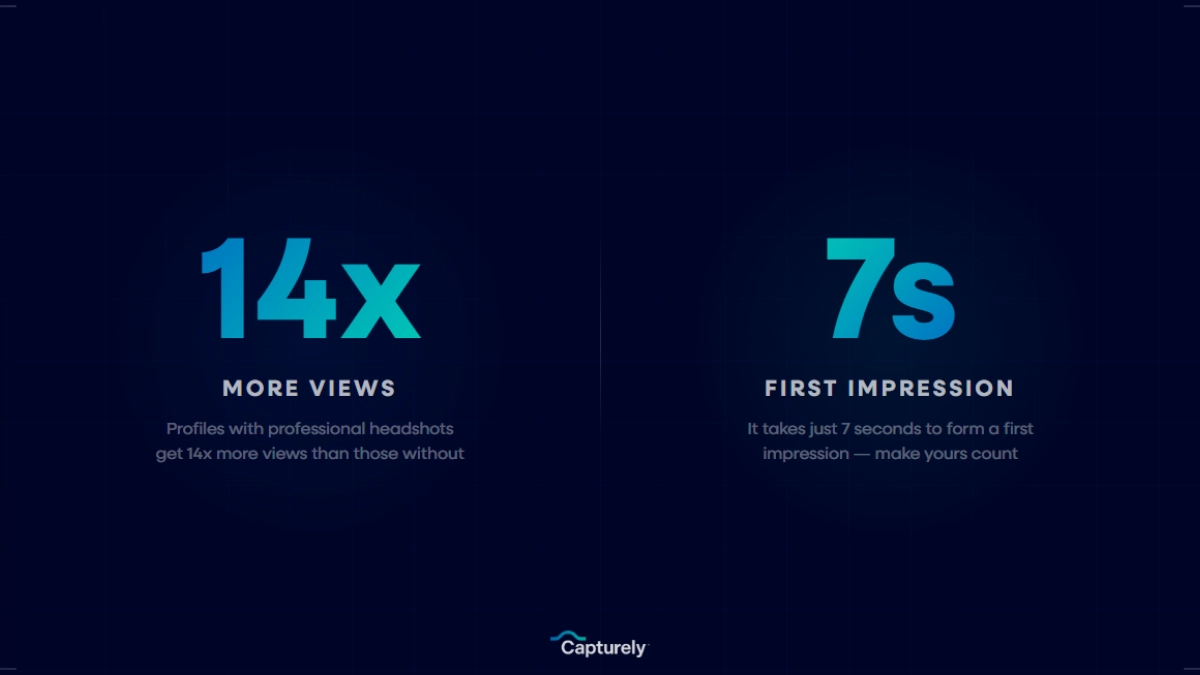
Three triggers that mean it’s time:
- Agency submissions. Talent agencies require professional headshots before they’ll consider representing your child. Most agencies accept parent-taken smartphone photos for initial inquiries with children under 5, but once they sign your kid, professional shots are expected within weeks.
- Casting platform profiles. Backstage, Actors Access, KidsCasting, and Casting Networks all require uploaded headshots to submit for roles. Without them, your child’s profile is invisible.
- Portfolio building. Even before agency representation, a strong headshot opens doors — community theater, student films, local commercials, and modeling calls all expect a professional look.
One reality parents don’t hear enough: self-tapes have replaced in-person auditions for roughly 99% of television casting (Film & TV Casting Calls UK, 2025). That means a casting director often sees your child’s headshot before they press play on the tape. Less than 5% of self-tapes submitted per role lead to a booking (Jen Rudolph, 2026). The headshot is the first filter.
What Casting Directors Look For in Kids’ Headshots
Casting directors reviewing child headshots want three things: natural personality, big expressive eyes, and a photo that actually looks like the kid who walks into the room (or appears on the self-tape).
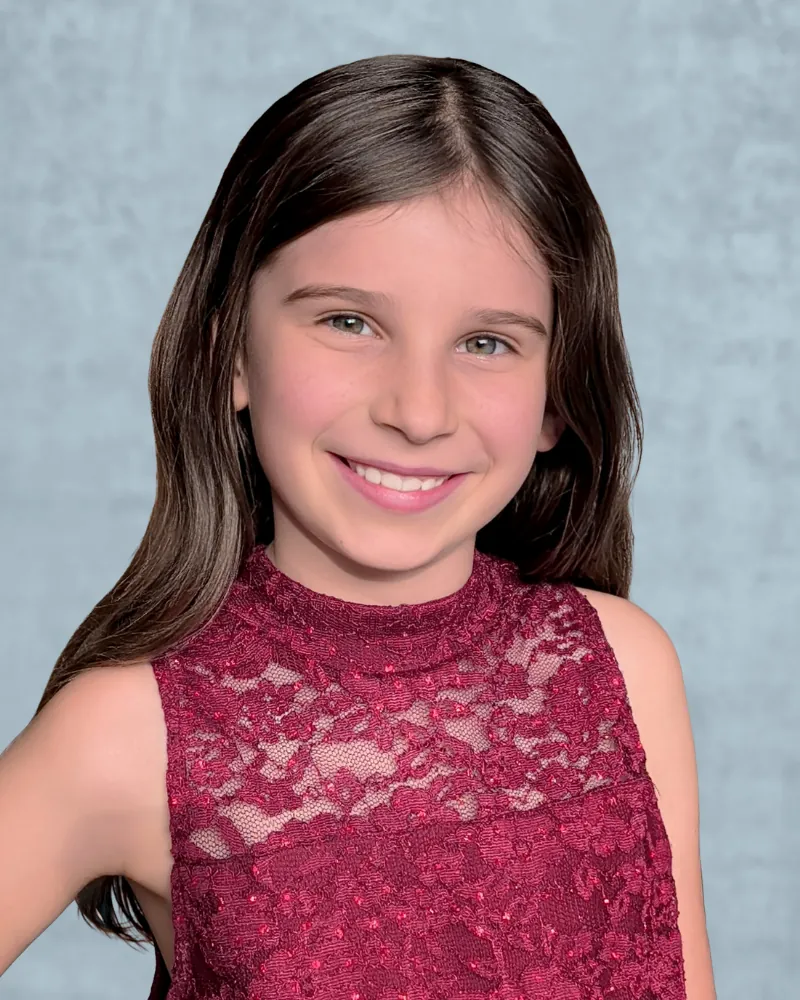
Personality Over Polish
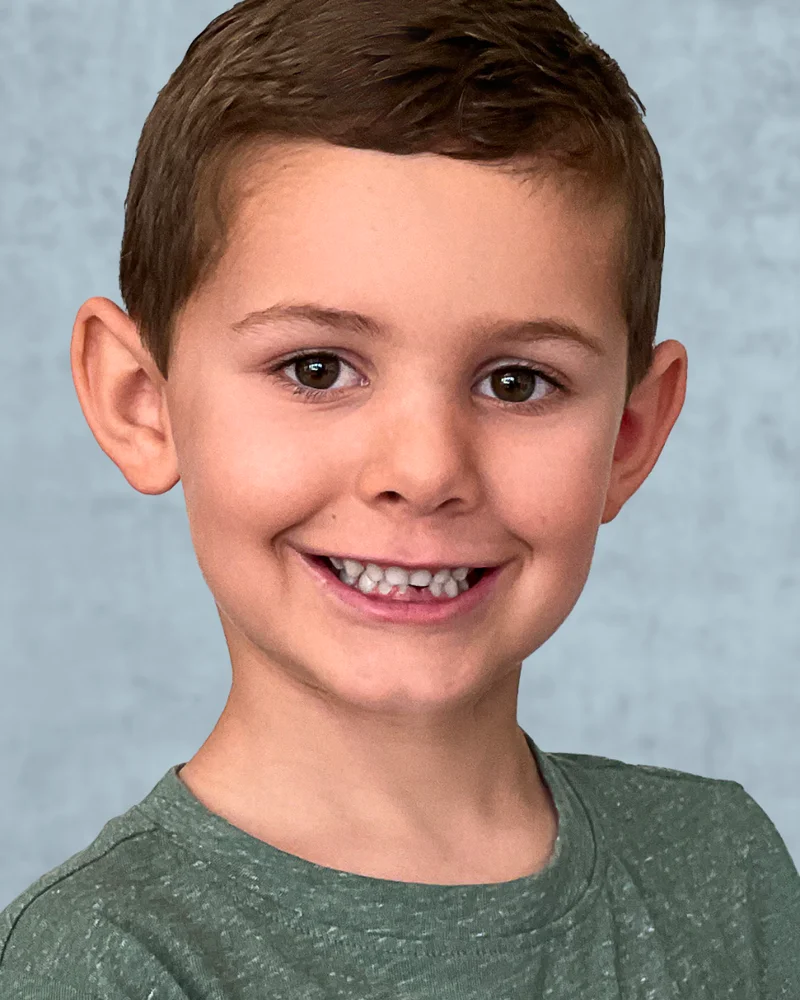
The biggest mistake parents make is treating a child’s headshot like a glamour portrait. Kids don’t need to look “pretty” — they need to look like themselves on a good day. Talia Perregaux, director of modeling agency MMG New York with over a decade of experience, explains: “For commercials, headshots should be full of personality with big smiles, bright eyes, and playful energy. For TV and film roles, a more serious tone may be required depending on the role” (KidsCasting, 2023).
Andrea Kelly of Unlimited Talent Management looks for “their personality to come out in the shot, but not be forced or over the top” (Poyey Photos, 2023). Forced expressions are a red flag. If your child looks like they’re performing a smile rather than genuinely smiling, the headshot isn’t working.
Eyes That Pop at Thumbnail Size
Casting directors review submissions as tiny thumbnails — sometimes 48 to 96 per page. At that size, only the eyes communicate. Lisa Berman of Berman/Sacks Talent Agency looks for “BIG, OPEN EYES so I can see eye color, full heads (not cut off at top of head)… and open body language. Casting looks at several tiny photos in thumbnails on one screen at a time, and our eyes read from left to right” (Poyey Photos, 2023).
Kenneth and Nelson of Brick Entertainment, a commercial agency in LA, are even more direct: “CLEAR, CRISP PHOTOGRAPHY. Vibrant color. Above all, we want Casting to be able to SEE you in a thumbnail-sized photo” (Poyey Photos, 2023).
Zero Over-Retouching
If your child has freckles, braces, a gap in their teeth, or a cowlick — leave it. Oliver Carnay of International Artists PR and Talent Management says it plainly: “It is also important that it is not obviously retouched. If an actor has freckles, it should also be intact. The actor should appear exactly how he looks like in person” (Poyey Photos, 2023).
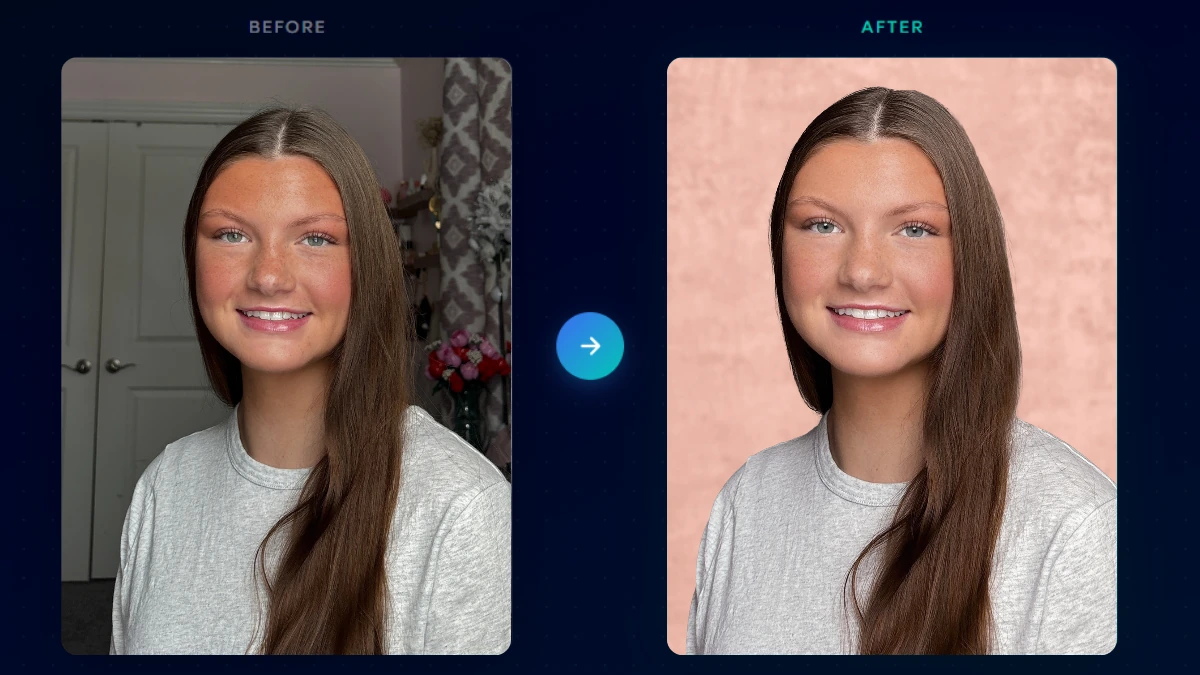
Over-retouched headshots create a mismatch problem. When your child shows up to a callback and doesn’t look like their headshot, casting directors notice — and they don’t like it. Professional retouching should correct lighting and remove temporary blemishes. It should never reshape features, smooth all texture, or erase braces. For examples of what proper retouching looks like, see our headshot examples gallery.
Commercial vs. Theatrical Headshots for Kids
Even young actors need both types eventually, though commercial headshots should come first for most kids.
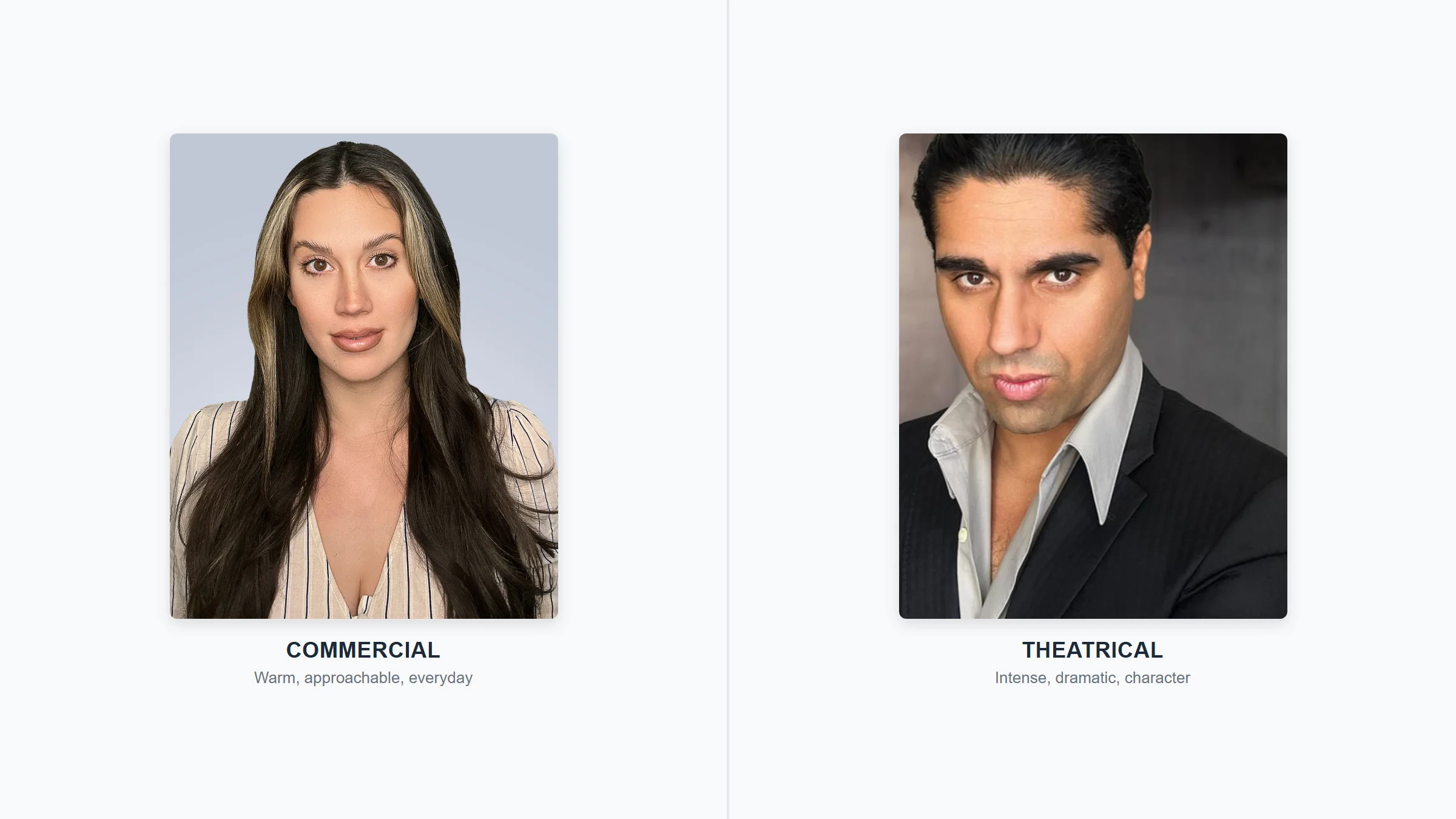
| Element | Commercial Headshot | Theatrical Headshot |
|---|---|---|
| Expression | Big smile, playful energy, bright eyes | Grounded, thoughtful, emotionally layered |
| Wardrobe | Bright solid colors — coral, blue, green | Earthy muted tones — navy, olive, charcoal |
| Mood | Fun, relatable, castable for ads | Character-driven, suited for film/TV drama |
| Used For | TV commercials, print ads, branded content | Film, TV drama, theater |
| Priority for Kids | Start here — most kids’ early work is commercial | Add after building some commercial portfolio |
Commercial work is the primary entry point for most child actors — it’s more accessible, auditions happen more frequently, and roughly 50% of commercial work casts non-union performers (The Playground, 2026). For the full breakdown of both headshot types, including wardrobe and lighting specifics, see our commercial vs. theatrical headshots guide.
Comfortable at-home headshots for young actors. Capturely connects your child with a live photographer who directs the entire session via phone — parent present the whole time. 3 edited images in 24 hours. Book a session →
Age-Appropriate Headshot Guidelines
A 4-year-old’s headshot needs are drastically different from a 14-year-old’s. Here’s what matters at each stage.
Toddlers (Ages 3–5)
At this age, most talent agencies accept parent-taken smartphone photos for initial submissions. Professional headshots become necessary once an agency signs your child. Keep sessions very short — 15 to 20 minutes maximum. Focus on genuine smiles and bright eyes. Zero makeup. Comfortable clothing they can move in. Rafael Larin, an award-winning LA headshot photographer, advises going for “happy and joyful expressions” first and foremost with young kids (Backstage, 2022). Update every 6 months — at this age, they change fast.
Elementary (Ages 6–10)
Prime commercial casting territory. Kids are old enough to follow direction but young enough for the “cute kid” roles that dominate advertising. Professional headshots are expected. Start with commercial looks (big smiles, personality) and add 1–2 theatrical options. Plan 3 to 5 outfit changes per session. No makeup. Clean, natural hair. Update every 6 to 12 months.
Tweens (Ages 11–13)
The transition years. Casting shifts from “cute kid” to character-specific roles, and headshots need to reflect that range. Both commercial warmth and theatrical depth matter now. Very light makeup is acceptable for older tweens — blush, lip gloss. Braces? Include them. Casting directors need to see the child who shows up, not the child who existed before orthodontia. Update every 12 months, or immediately when braces go on or come off.
Teens (Ages 14–17)
Teen headshots approach adult standards. The challenge: your teen now competes with young adults who can play younger, so the talent pool gets deeper. Multiple looks are non-negotiable — 3 to 5 minimum. Commercial, theatrical, and at least one character-specific look (student, athlete, etc.). Light natural makeup is fine. Wardrobe gets more role-specific. Update every 1 to 2 years, unless growth spurts, voice changes, or dramatic appearance shifts happen sooner.
| Age Group | Headshot Priority | Looks Needed | Update Frequency | Professional Required? |
|---|---|---|---|---|
| Toddlers (3–5) | Commercial only | 1–2 | Every 6 months | Smartphone OK initially |
| Elementary (6–10) | Commercial first, add theatrical | 2–3 | Every 6–12 months | Yes |
| Tweens (11–13) | Commercial + theatrical | 3–4 | Every 12 months | Yes |
| Teens (14–17) | Commercial + theatrical + character | 3–5 | Every 1–2 years | Yes — adult standards |
How to Prepare Your Child for a Headshot Session
A great headshot session with a kid depends more on preparation than photography technique. Get these right before the camera turns on.
Wardrobe
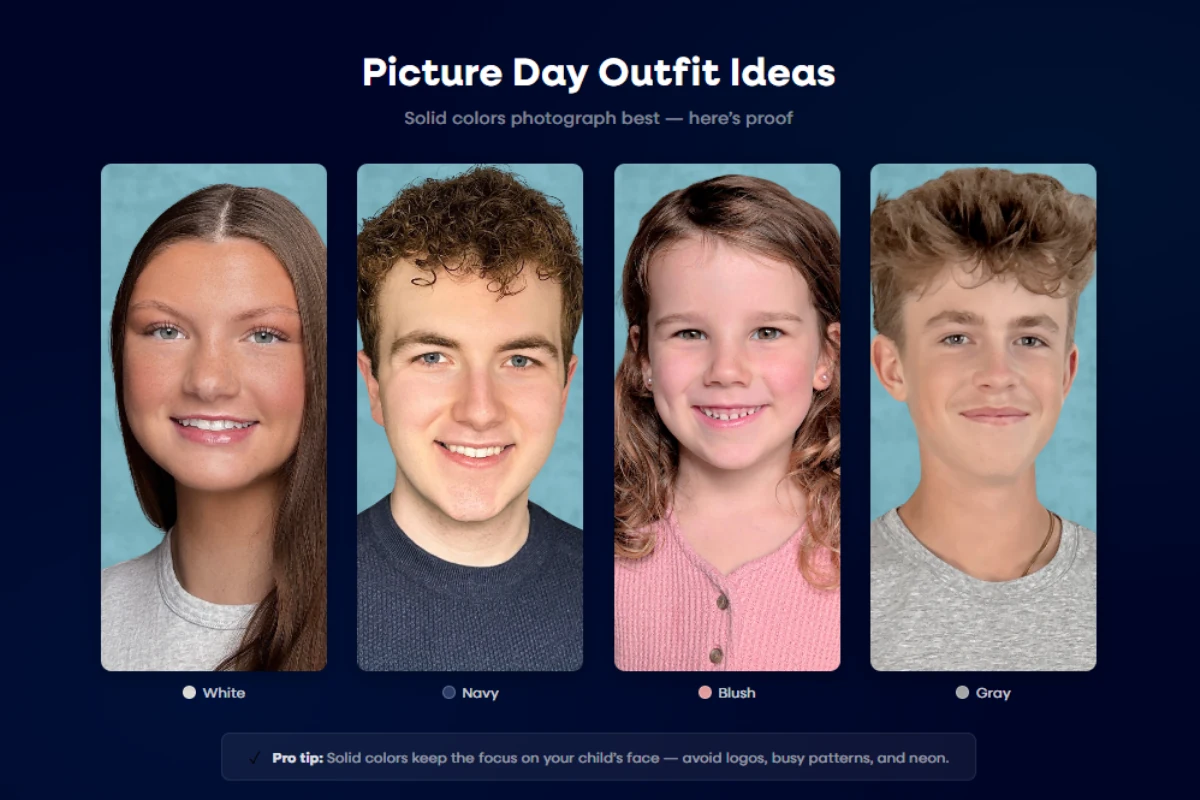
Solid colors. Always. Avoid logos, patterns, stripes, and text. For commercial looks, bright jewel tones — coral, soft blue, green, yellow — project warmth and energy. For theatrical looks, shift to muted earth tones — navy, olive, charcoal, deep brown. Bring 3 to 5 outfit options so you and the photographer can pick what works best against the background. Everything should be ironed, fitted, and age-appropriate — avoid anything that makes your child look older than they are. For more wardrobe guidance, see our what to wear for headshots guide.
Hair and Makeup
For kids under 12: no makeup. Period. Clean, natural hair styled the way they normally wear it. For teens, very light natural makeup is acceptable — concealer, light blush, lip gloss. The rule from casting: your child should look exactly like themselves. If they walk into a callback with different hair than their headshot, it creates confusion. No drastic haircuts the week before a session.
Managing Nerves and Energy
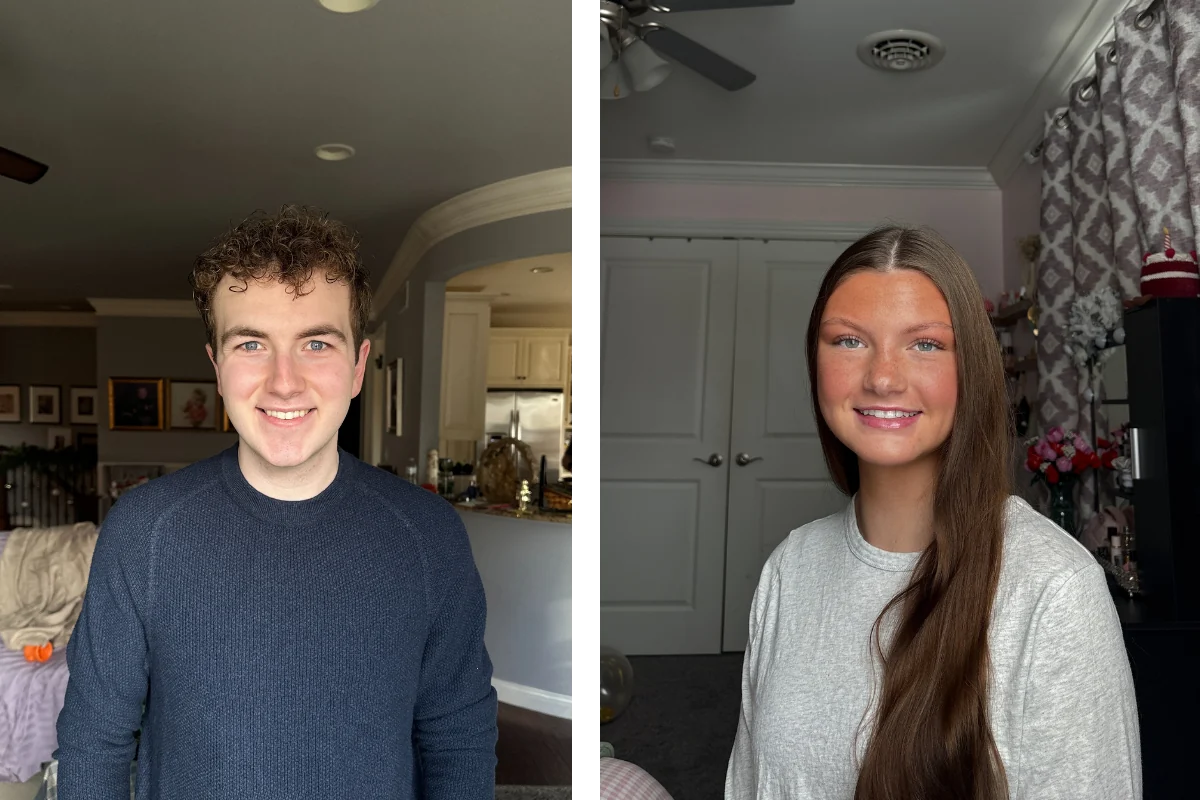
The number one killer of good child headshots is a stressed kid. Schedule sessions when your child is naturally energetic — usually mid-morning after a good meal and rest. Avoid post-school sessions when they’re tired. Larin recommends splitting sessions across multiple days for children ages 5 to 8 if energy fades (Backstage, 2022). Bring snacks, a favorite toy, and zero pressure. The best expressions happen when kids forget they’re being photographed. For posing fundamentals that transfer to acting headshots, our how to pose for headshots guide covers the basics.
How Much Do Child Actor Headshots Cost?
Pricing depends on the market, the photographer, and how many looks you need. Here’s what parents should expect in 2026:
| Market | Price Range | Typically Includes |
|---|---|---|
| Los Angeles | $300 – $1,500+ | 2–4 looks, 3–8 retouched images |
| New York City | $149 – $600+ | 1–3 looks, 2–6 retouched images |
| Atlanta | $195 – $625 | 1–3 looks, 3–6 retouched images |
| Chicago | $195 – $400 | 1–2 looks, 3–6 retouched images |
| National Average | $250 – $500 | 2 looks, 3–4 retouched images |
| Virtual (Capturely) | $79 per session | 3 retouched images, 24-hour delivery |
Pricing data from Brandon Andre Photography (2024), Tals Studio NYC (2025), and photographer listing aggregators. Some photographers offer dedicated kids’ packages at lower prices (Tals Studio charges $149 for kids in NYC vs. higher adult rates), while others charge the same or more for children due to the extra patience and session management required.
The number most parents don’t calculate upfront: annual cost. Young child actors (ages 3–7) need updates every 6 months, which means two sessions per year. At $250–$500 per session, that’s $500 to $1,000 annually just for headshots — before acting classes ($2,400–$7,200/year), casting platform subscriptions ($100–$250/year), and self-tape equipment ($100–$500 one-time). The total cost of entry for an active child actor easily reaches $3,000 to $9,000+ per year before they earn anything. These are parental expenses — the Coogan Law’s 15% trust requirement applies only to the child’s actual earnings, not pre-career investments (SAG-AFTRA, 2025). For a full pricing breakdown across headshot types, see our professional headshot cost guide.
How Often Should You Update Kids’ Headshots?
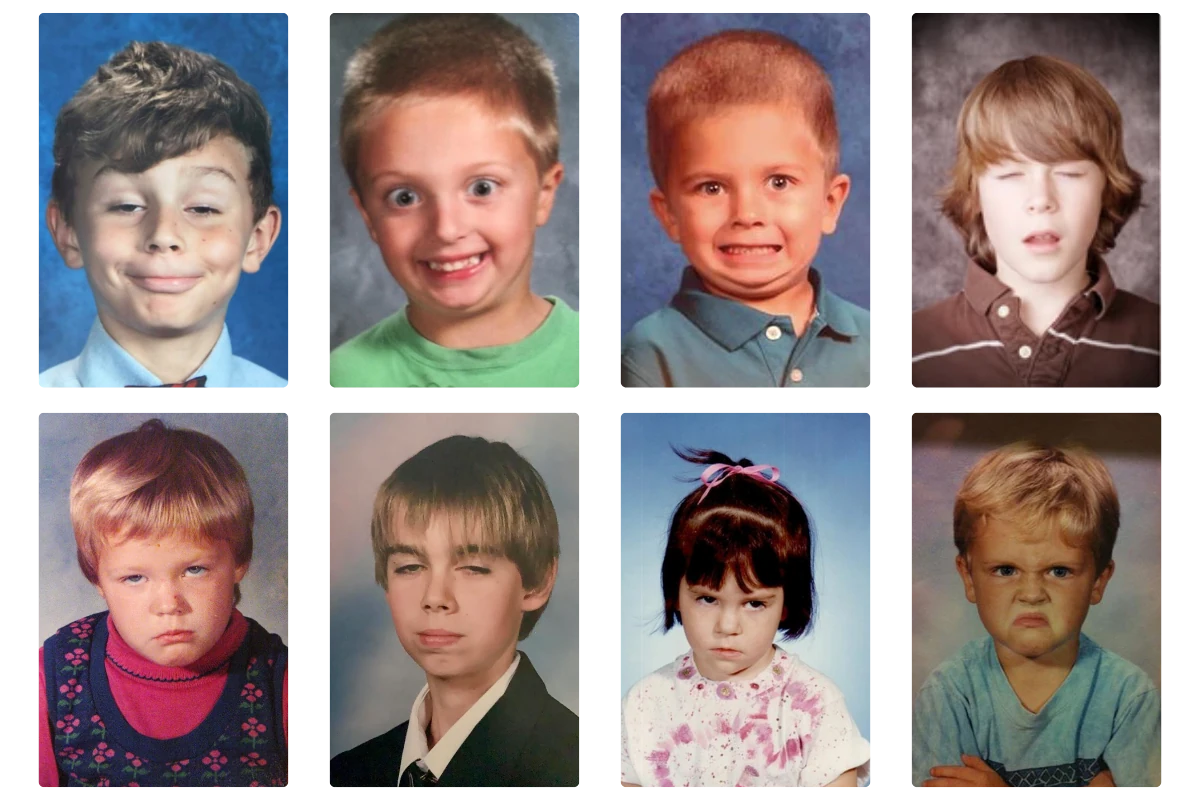
Kids change fast. A headshot from six months ago can look like a different child. Jeremy Bustin of Top Shelf Headshots in Atlanta (220+ five-star Google reviews) recommends that “for child actors just starting in the industry (typically around ages 3-7), it’s recommended to update their headshots every six months” (Jeremy Bustin Photography, 2025).
| Age Range | Recommended Frequency | Immediate Update Triggers |
|---|---|---|
| 3–7 | Every 6 months | Lost or gained front teeth, major haircut |
| 8–12 | Every 12 months | Braces on/off, growth spurt, significant weight change |
| 13–17 | Every 1–2 years | Braces on/off, facial hair, dramatic style change |
The rule from the casting side is unforgiving: if your child doesn’t look like their headshot, the audition is effectively over before it starts. Marc Cartwright, an LA headshot photographer, puts it simply: “You want to stay current and make sure your headshot reflects how you look today” — and he specifically recommends every six months for children (Vickie Gray Images, 2024).
Update headshots without the hassle. At $79 per session with 24-hour delivery, keeping your child’s headshots current doesn’t have to drain the budget. Capturely’s live photographers work with kids of all ages — parent present the entire time. Get fresh headshots →
Why At-Home Virtual Sessions Work Better for Kids
Traditional studio headshot sessions ask a lot of a child: unfamiliar location, bright lights, a stranger with a camera, pressure to perform. Virtual headshot sessions flip every one of those variables.
Comfortable Environment
Your child is at home. Their room. Their backyard. Wherever they feel most like themselves. No commute, no waiting room, no sterile studio setting. Kids who freeze up in a studio often come alive when they’re in a familiar space.
Parent Present the Entire Time
With a virtual session, you’re there — not in a waiting area, not behind a curtain, right there. You can see and hear everything the photographer says to your child. For parents of young performers, this is a safety and comfort factor that studio sessions rarely offer.
How It Works
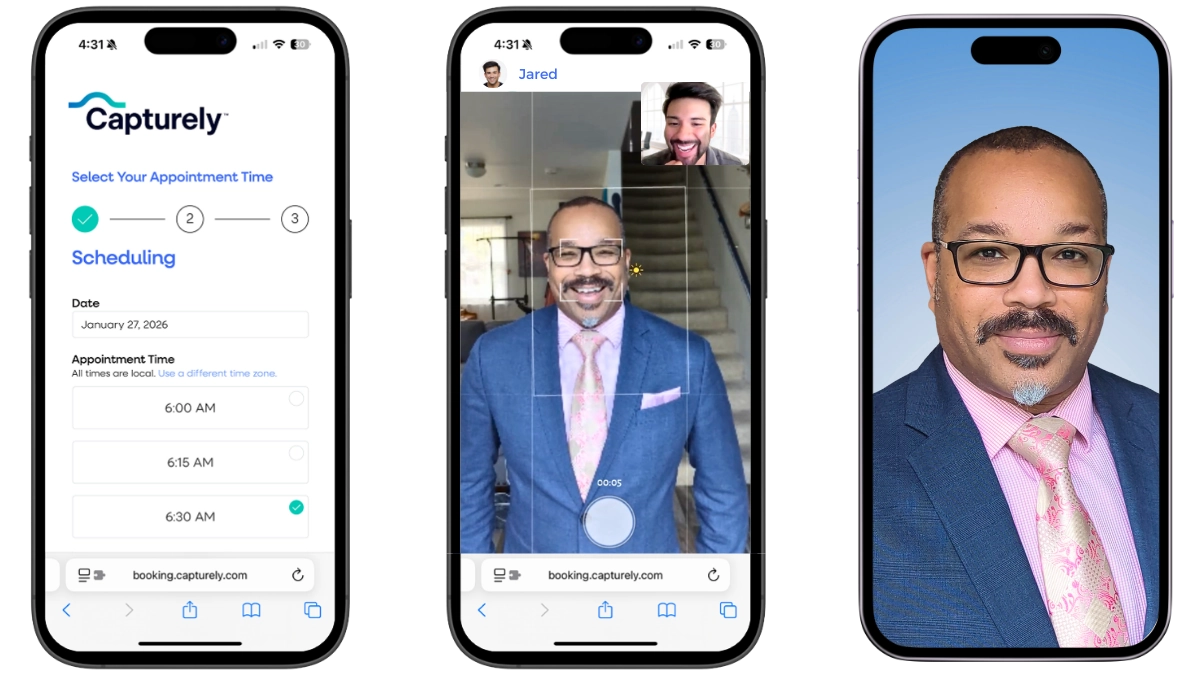
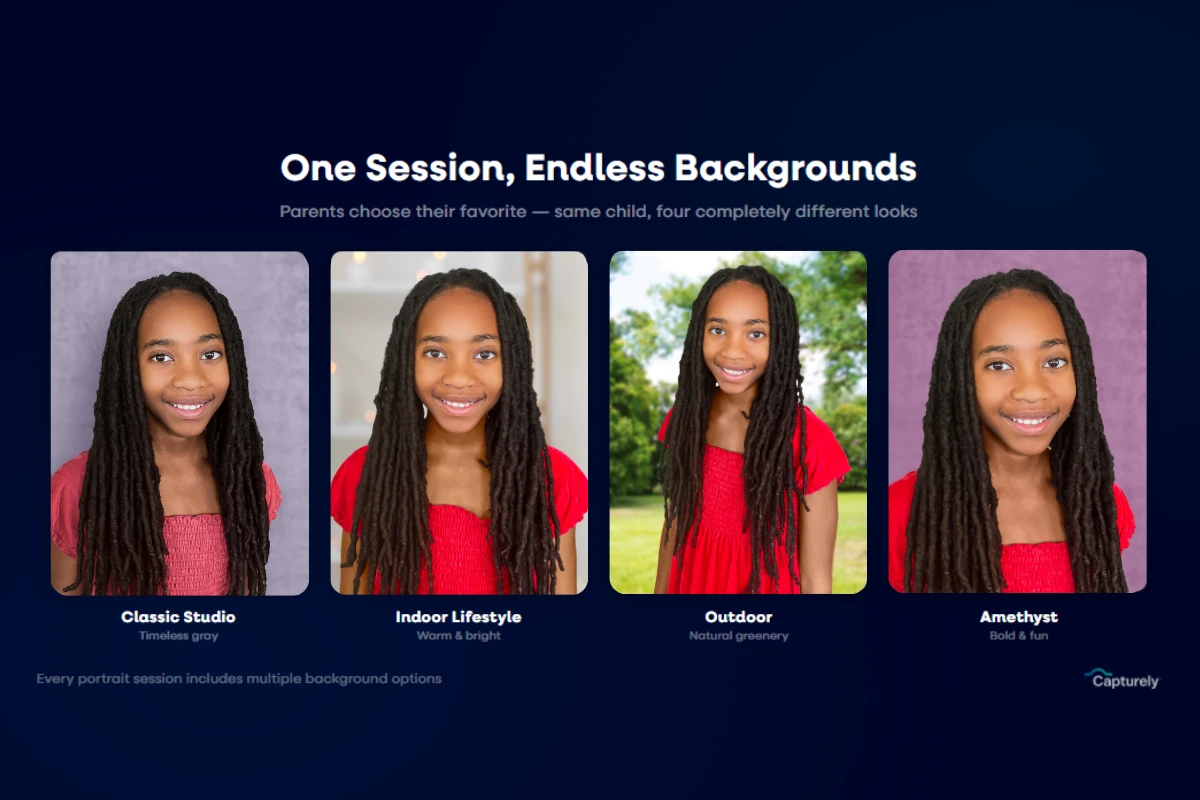
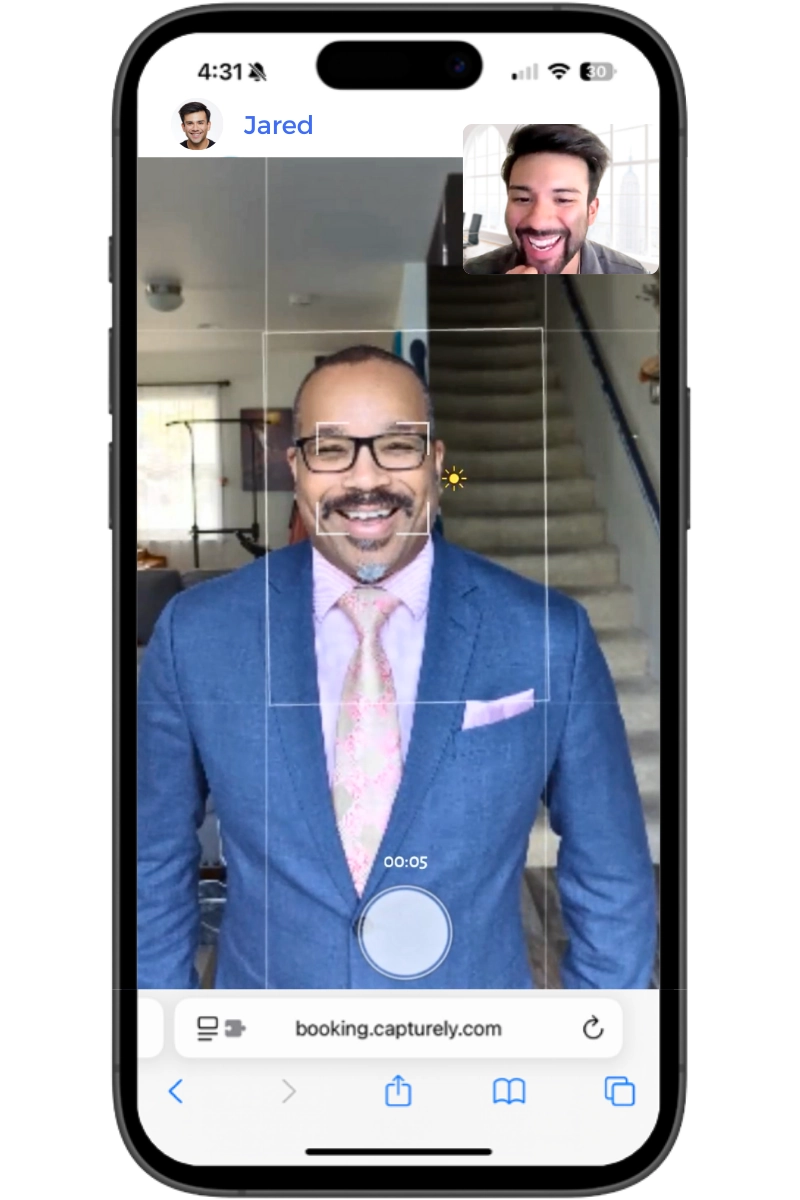
With Capturely, the process is simple: open a secure link on your phone (no app download required), a live professional photographer appears, and they direct your child’s session in real time — coaching posture, expression, and lighting. The phone’s rear camera captures at 36 to 48 megapixels, exceeding the resolution requirements for Actors Access, Backstage, and Casting Networks. Three professionally retouched images are delivered within 24 hours. The whole session takes about 10 minutes. With 98+ background options and professional retouching included, the results match studio quality at a fraction of the cost.
For parents budgeting for frequent updates (every 6 months for young kids), the math matters. Two virtual sessions per year at $79 each = $158. Two studio sessions per year at $250–$500 each = $500 to $1,000. That’s $342 to $842 saved annually — money that can go toward acting classes, self-tape equipment, or casting platform subscriptions instead.
Your child’s next headshot, from your living room. A live Capturely photographer directs the session while you watch. 10 minutes. 3 edited images. 24-hour delivery. No studio, no stress, no app. Book your child’s session →
Frequently Asked Questions
How much do child actor headshots cost?
Child actor headshots cost $150 to $1,500 depending on market and photographer. Los Angeles averages $300–$1,500; New York City runs $149–$600; Atlanta and Chicago range from $195 to $625 (Brandon Andre Photography, 2024). Virtual headshot services like Capturely start at $79 per session with live photographer direction and 24-hour delivery of 3 retouched images.
How often should child actors update their headshots?
Children ages 3 to 7 should update headshots every 6 months. Ages 8 to 12, every 12 months. Teens (13–17) can wait 1 to 2 years unless their appearance changes significantly. Update immediately after braces go on or come off, lost front teeth, major haircuts, or significant growth spurts (Jeremy Bustin Photography, 2025).
Should kids smile in acting headshots?
For commercial headshots, yes — a genuine, warm smile is the default. Commercial work (TV ads, print, branded content) demands approachable, friendly energy. For theatrical headshots, a more grounded, thoughtful expression works better. Most child actors should prioritize commercial headshots first, which means smiling shots are the top priority. Avoid forced grins — the expression should look natural and unperformed.
What should a child wear for acting headshots?
Solid colors only — no logos, patterns, stripes, or text. For commercial headshots, choose bright jewel tones like coral, soft blue, or green. For theatrical headshots, shift to muted earth tones like navy, olive, or charcoal. Bring 3 to 5 outfit options. Everything should be ironed, well-fitted, and age-appropriate. Avoid anything that makes the child look older than they are. See our full wardrobe guide for details.
Do child actors need professional headshots?
Children under 5 can often start with parent-taken smartphone photos for initial agency inquiries. Once an agency signs your child, professional headshots are expected within weeks. For children 5 and older submitting on casting platforms like Backstage and Actors Access, professional headshots are effectively required. Casting directors review thumbnails by the hundreds and can spot amateur quality instantly.
Can I take my child’s acting headshots at home?
You can — and for very young children (under 5), parent-taken photos may be acceptable initially. But for serious casting submissions, professional direction makes a meaningful difference in expression, lighting, and composition. Virtual headshot services offer a middle ground: your child stays home while a professional photographer directs the session remotely via phone, combining home comfort with studio-grade quality.
What is the difference between commercial and theatrical headshots for kids?
Commercial headshots are bright, smile-forward photographs designed for advertising, branded content, and sitcom casting. Theatrical headshots show emotional depth and character complexity for film, TV drama, and stage roles. Most child actors should get commercial headshots first, since commercial work is the primary entry point for young performers. See our full comparison guide for specifics on wardrobe, expression, and lighting.