Update your professional headshot every one to three years — or immediately after a significant appearance change like a new hairstyle, weight shift, or glasses. The exact timeline depends on your industry: actors need fresh shots every 12 months, real estate agents every one to two years, healthcare providers annually, and corporate professionals every two to three years.
Last updated: March 2026
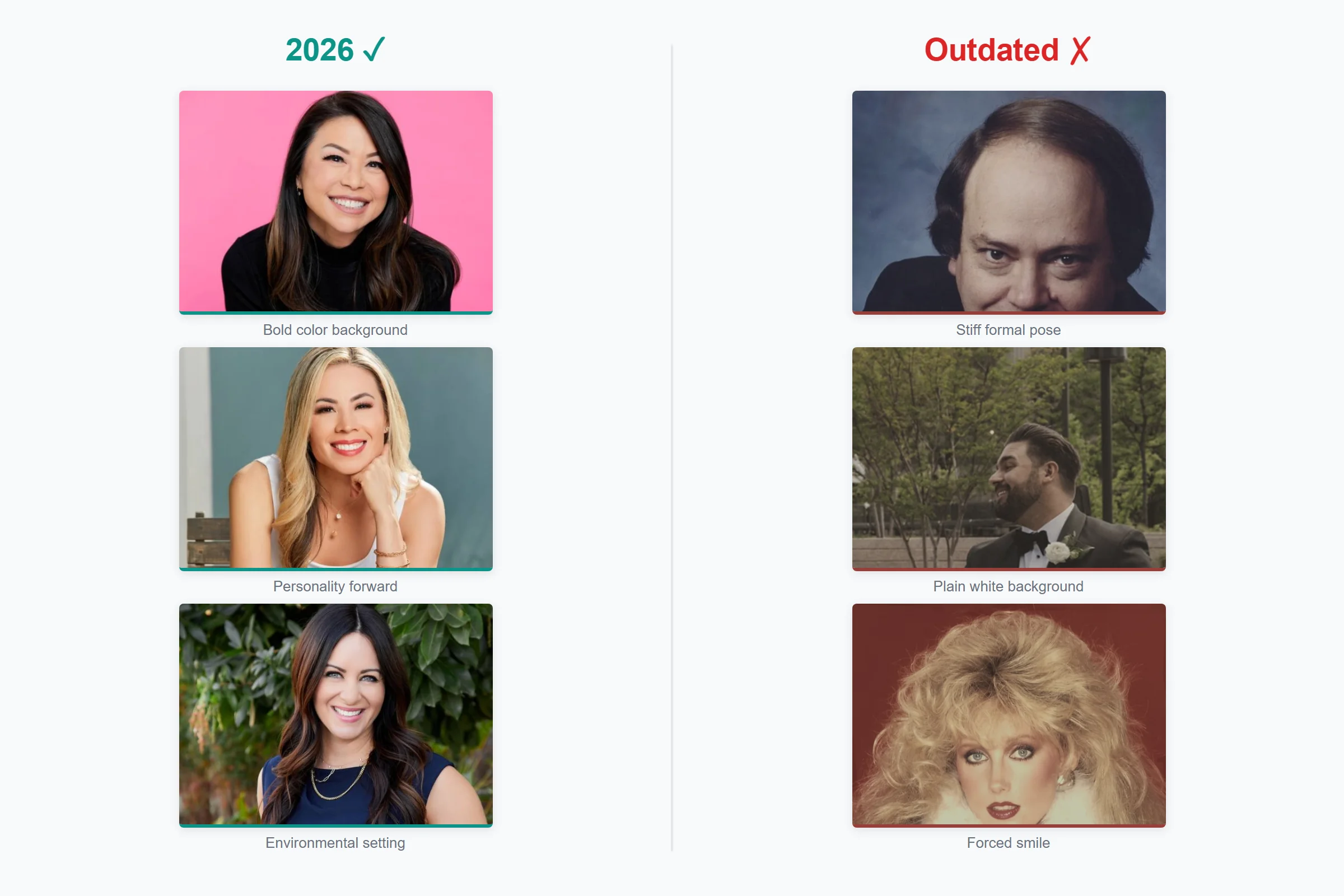
Half of LinkedIn users have been using the same profile photo for three to six years or longer (Passport Photo Online, 2023). Meanwhile, 56% of professionals have met someone in person who looked significantly different from their headshot (same study). That gap between “my photo is still fine” and “you look nothing like your picture” is where trust erodes — and it happens before you say a word.
At Capturely, we’ve directed over 100,000 headshots for teams at Google, Netflix, McKinsey, and Capital One. The most common thing we hear from new clients? “It’s blurry. It’s like 15 years old and you look kind of scary.” Here’s what we’ve learned about when to update your headshot — and what an outdated photo actually costs you. For the foundational primer on what makes a great headshot in the first place, start with our professional headshots guide.
The General Rule: Update Every 1–3 Years
The standard recommendation from photographers, branding experts, and career coaches is to refresh your headshot every one to three years. That’s not a random window — it reflects the pace of natural change. Your face shifts subtly year over year: jawline definition, skin texture, hair, the way you carry yourself. After two to three years, most people look meaningfully different from their photos.

Where you fall in that range depends on two factors: how visible your role is and how quickly your industry moves. A real estate agent whose headshot appears on yard signs, MLS listings, and Zillow needs to stay current more aggressively than a backend engineer whose photo lives in an internal Slack directory.
Here’s a fast self-check: show your current headshot to someone who hasn’t seen you in a year. If they hesitate before recognizing you, you need a new one. No hesitation? You probably have another year of runway.
7 Signs Your Headshot Needs an Update Right Now
Age alone doesn’t determine when you need a new headshot. These specific triggers do.
1. Your Appearance Has Changed Significantly
New hairstyle, different hair color, facial hair you didn’t have before (or facial hair you no longer have), new glasses or contacts — any of these can make your headshot unrecognizable. Casting director Thom Hammond puts it directly: “The fundamentals of photos are that they should look like you. They should be fairly recent. You’ll need to change them quite often, every couple of years, even if you don’t think you do. Get rid of the old ones” (Spotlight, 2022).
2. You Changed Roles, Titles, or Companies
A new title often means new visibility. The headshot that worked when you were an individual contributor may not match the authority a VP or director role demands. A company switch often comes with a different visual brand — the headshot on a navy background that matched your old firm’s palette may clash with your new employer’s identity. This is especially true for executive headshots where board and investor-facing appearances matter.
3. Your Company Rebranded
A rebrand touches everything: website, marketing collateral, internal comms. Team headshots that don’t match the new brand stick out. Brand consistency increases revenue by up to 33% (Lucidpress, 2019), and mismatched headshots on a freshly redesigned team page undermine the entire investment.

4. The Photo Is More Than 3 Years Old
Even without dramatic changes, three years is the practical maximum shelf life for a professional headshot. Subtle aging, weight fluctuation, and style evolution accumulate. As one of our clients described the typical scenario: “I get a dollar for every wedding photo that was like 15 years old with the wife or the husband cut out.”
5. It Was Shot on a Front-Facing Camera or Looks Low-Resolution
Photo quality standards have risen fast. If your headshot was taken on a 2019-era phone front camera (12 MP or less), it looks dated now — especially next to colleagues with clean, high-resolution photos. Modern rear cameras shoot at 36–48 megapixels. The difference is visible at every display size, from LinkedIn thumbnails to full-screen conference bios.
6. You’re Pivoting Industries or Career Tracks
Moving from finance to tech? Leaving law for consulting? Your headshot should reflect where you’re going, not where you’ve been. The suit-and-tie shot that worked for a financial advisory firm sends the wrong signal at a startup. For the full strategy behind aligning your visual identity with your career direction, see our guide to personal branding photography.
7. People Don’t Recognize You From Your Photo
This is the clearest signal. If a client, colleague, or interviewer meets you on Zoom or in person and does a visible double-take because you look different from your headshot, you’ve already lost trust before the conversation starts. Fifty-six percent of professionals have experienced this mismatch with someone else’s photo (Passport Photo Online, 2023). Don’t be on the wrong side of that stat.
How Often to Update Your Headshot by Industry
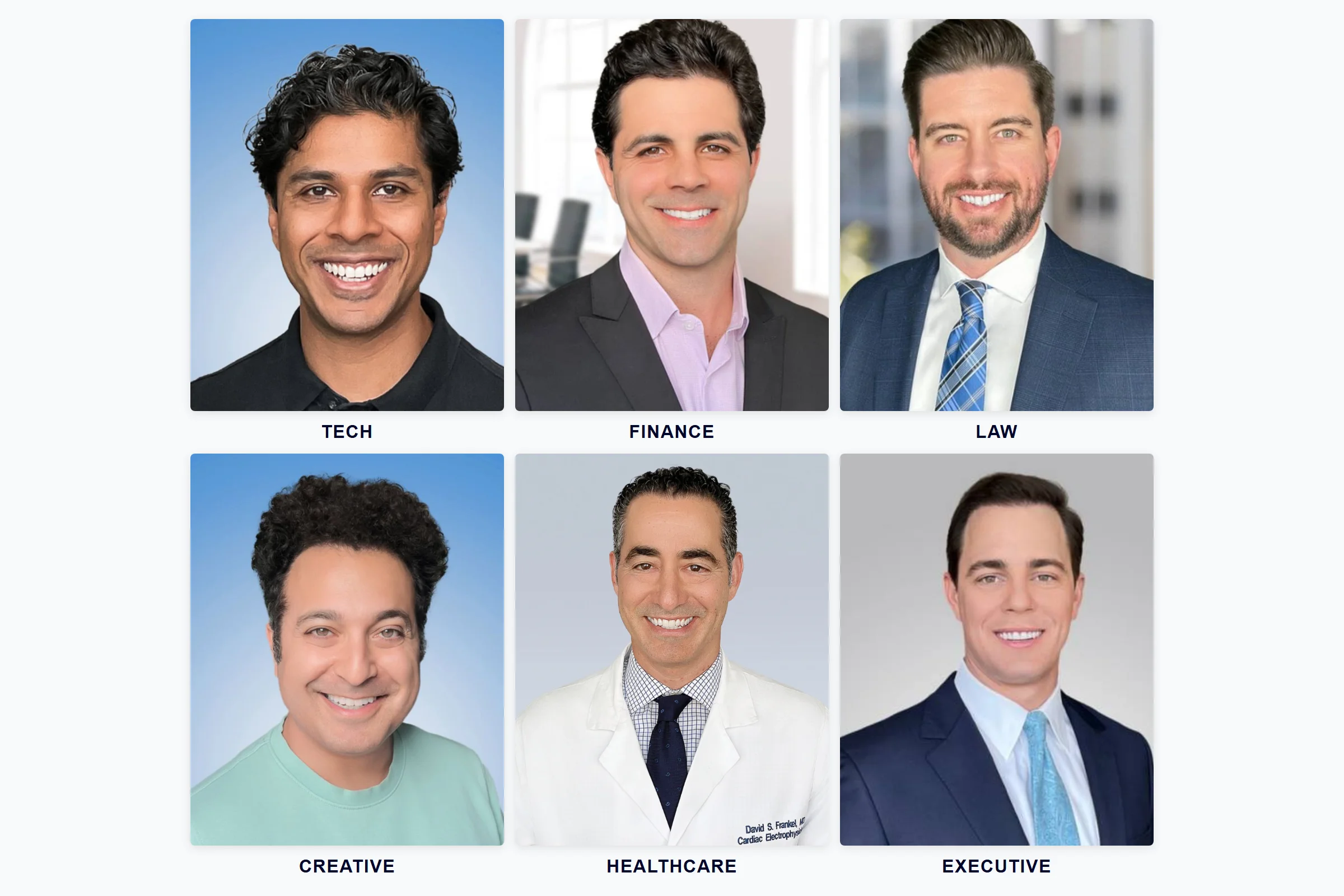
Different industries have different standards. A casting director won’t wait three years for your headshot to expire — they need to see the person who walks into the audition room. A university professor on a five-year tenure track has more runway. Here’s what the data and industry norms suggest.
| Industry | Update Frequency | Key Driver |
|---|---|---|
| Acting / Entertainment | Every 1–2 years (children: 6 months) | Casting directors reject mismatches on sight |
| Healthcare | Annually for patient-facing roles | 52% of patients choose providers based on photo |
| Real Estate | Every 1–2 years | Agents with pro photos earn 2x commission |
| Financial Services | Annually to every 2 years | Trust-first field; FINRA “not misleading” standard |
| Law | Annually to every 2 years | Attorney profiles with photos get 45% more clicks |
| Executive / C-Suite | Annually (annual report cycle) | Investor materials, board governance optics |
| Consulting | Every 1–2 years | Headshot appears in 7+ places per professional |
| Technology | Every 2–3 years | LinkedIn-heavy; startup culture values currency |
| Education | Every 2–5 years | University directories; USI enforces 5-year max |
These are guidelines, not rigid rules — individual circumstances always override general timelines. Someone in a low-visibility role who hasn’t changed much in four years is probably fine. Someone who lost 40 pounds and changed careers needs a new headshot yesterday, regardless of what industry they’re in.
Acting and Entertainment: Every 1–2 Years
Actors face the strictest standards. Broadway casting director Benton Whitley (credits include Hadestown, Chicago, and Pippin) says it plainly: “You’ve got to go through every year and reassess how you’re being displayed online and make sure it is actually a valid and helpful and good representation of you” (Backstage, 2022).
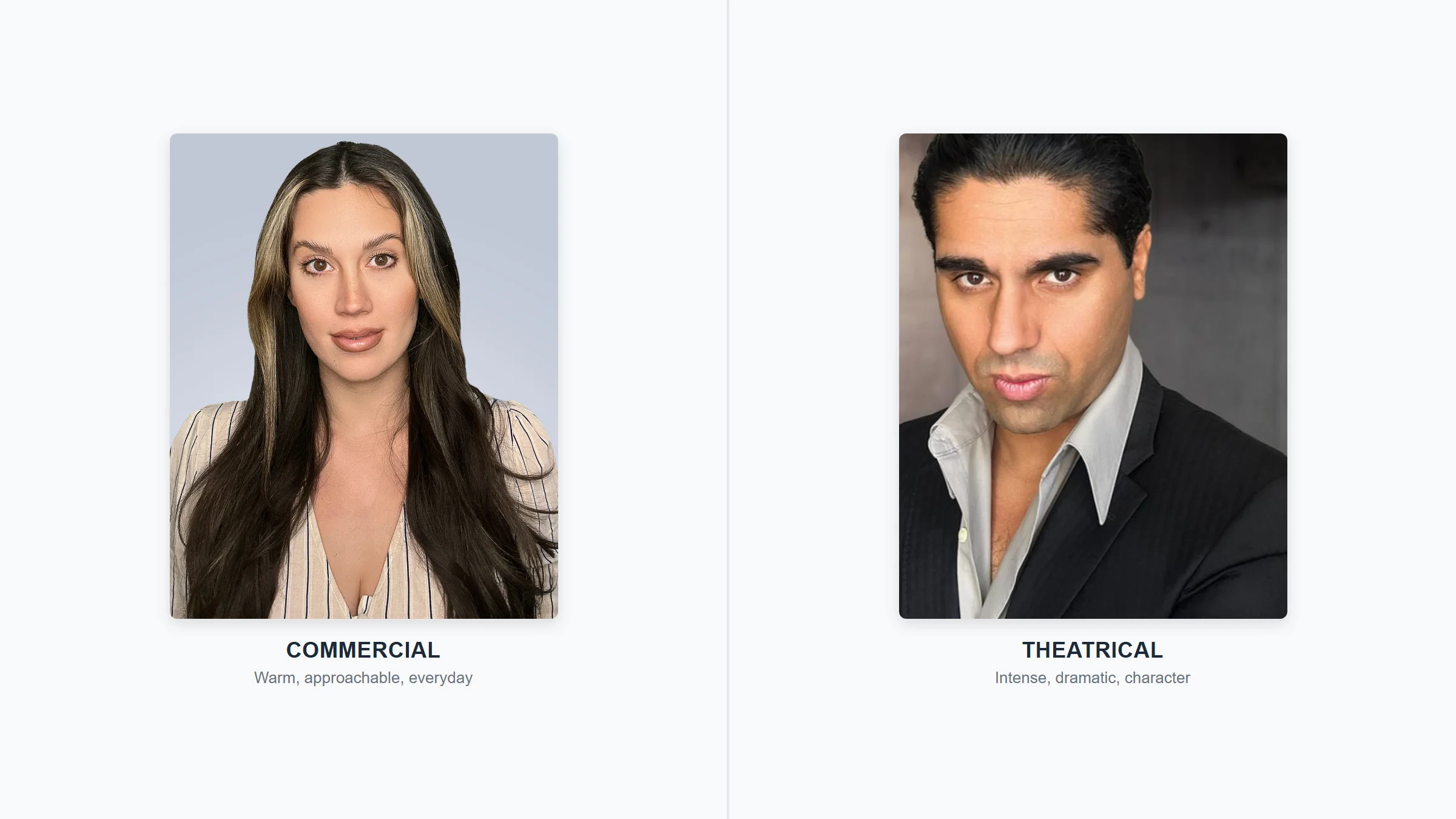
Child actors need even more frequent updates — headshot photographer Marc Cartwright recommends every six months for children, since their faces change rapidly (Backstage). For the full breakdown between commercial and theatrical shot requirements, see our guide on commercial vs. theatrical headshots.
Healthcare: Annually for Patient-Facing Roles
Here’s the stat that gets hospital administrators’ attention: 52% of patients will choose a provider with a professional photo and a 4-star rating over a provider with no photo and a 5-star rating (Heliyon/PMC, 2024). In provider directories — where 46% of patients start their search — your headshot is the deciding factor. For healthcare headshots, annual updates keep directories accurate and patient trust high.
Real Estate: Every 1–2 Years
Real estate agents with professional photography earn double the average gross commission income (PhotoUp, 2025). Your headshot is on yard signs, business cards, MLS listings, Zillow, and Realtor.com. When a buyer pulls up to a listing and the agent who greets them looks nothing like the sign in the yard, the relationship starts with a flinch.
Financial Services: Annually to Every 2 Years
Financial advising is a trust-first profession. Clients are entrusting their stability, retirement, and their family’s future. While FINRA Rule 2210 doesn’t explicitly mandate headshot freshness, it does require that all communications be “fair, balanced, and not misleading” (FINRA) — and a decades-old photo in marketing materials arguably crosses that line. For industry-specific guidance, see financial advisor headshots.
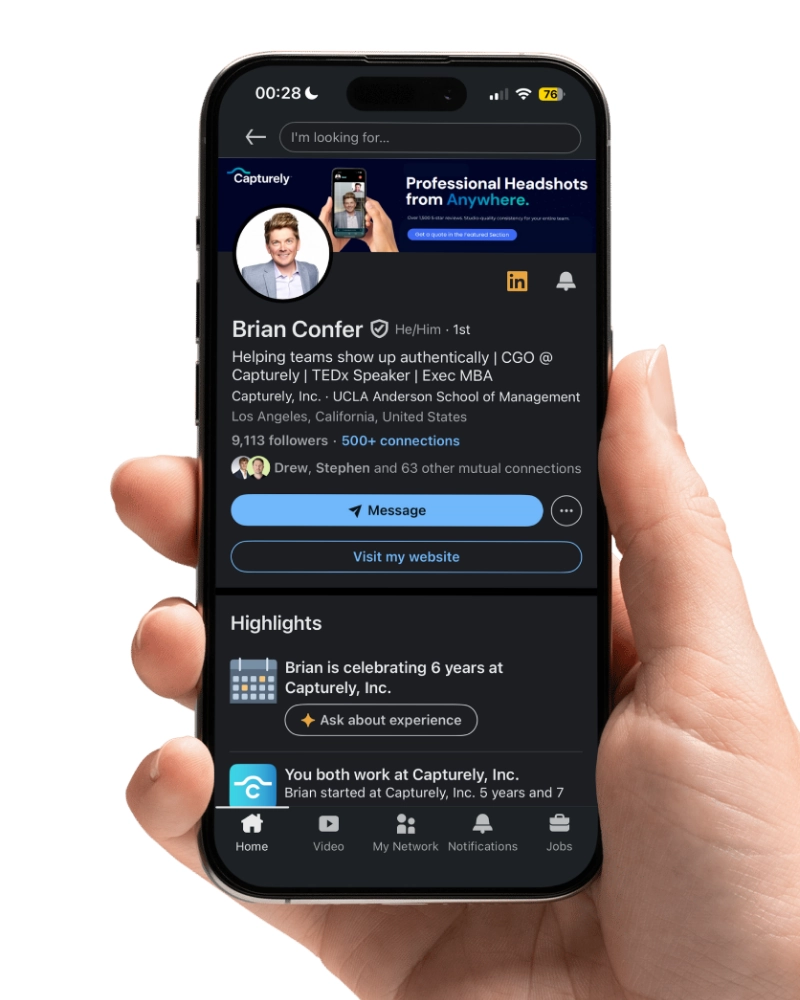
Overdue for an update? Capturely’s 10-minute virtual sessions deliver 3 professionally edited headshots in 24 hours. No studio visit, no scheduling headaches, no app download. Book your session →
The Hidden Cost of an Outdated Headshot
An outdated headshot isn’t just unflattering. It actively costs you opportunities, connections, and trust — in ways you can measure.
The 100-Millisecond Judgment
Princeton psychologists Janine Willis and Alexander Todorov proved that people form trustworthiness judgments from a face in just 100 milliseconds — one-tenth of a second. Longer viewing time didn’t change the judgment; it only increased confidence in it (Willis & Todorov, Psychological Science, 2006). Your headshot gets less than a blink to make its case. For more on the research behind this, we break down the full science in the science behind headshot first impressions.
The LinkedIn Math
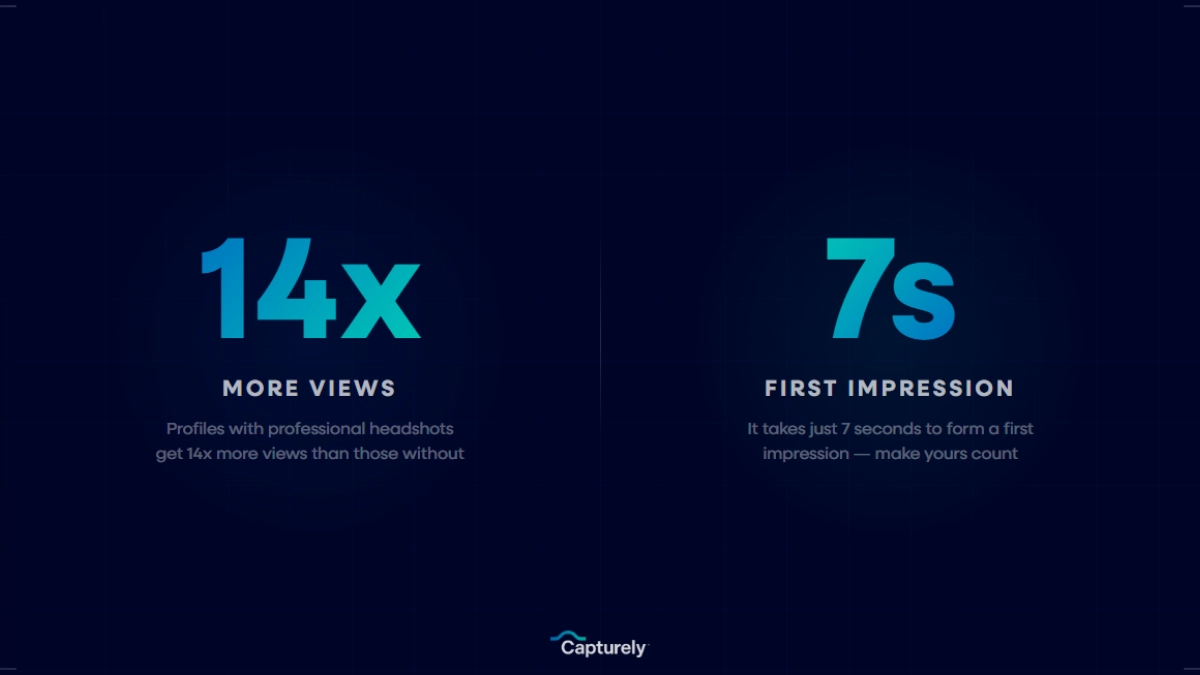
Profiles with a professional headshot receive 21x more views and up to 36x more messages from recruiters (LinkedIn, 2018). But that multiplier only works if the photo represents who you are today. An outdated headshot that gets views but creates a recognition disconnect on the first video call is worse than no photo at all — because you’ve now burned trust with someone who was interested enough to reach out.
The numbers get worse from there: 71% of recruiters have rejected a qualified candidate based on their LinkedIn profile picture (Passport Photo Online, 2025). And 86% of recruiters screen profiles in 30 seconds or less (SalesSo, 2025). Your headshot is doing more work than your resume summary. For a complete guide to optimizing your LinkedIn headshot, we cover the 7 research-backed rules that drive profile performance.
The Recognition Disconnect
Casting director Victor Jenkins describes what happens when someone walks in looking nothing like their photo: “You see many photos where the actor would come in the room and you look at the photo and it’s not the same person or it’s 10 years old” (Spotlight, 2022). This isn’t just an acting problem. It happens every day on Zoom calls, at conferences, and in client meetings across every industry.
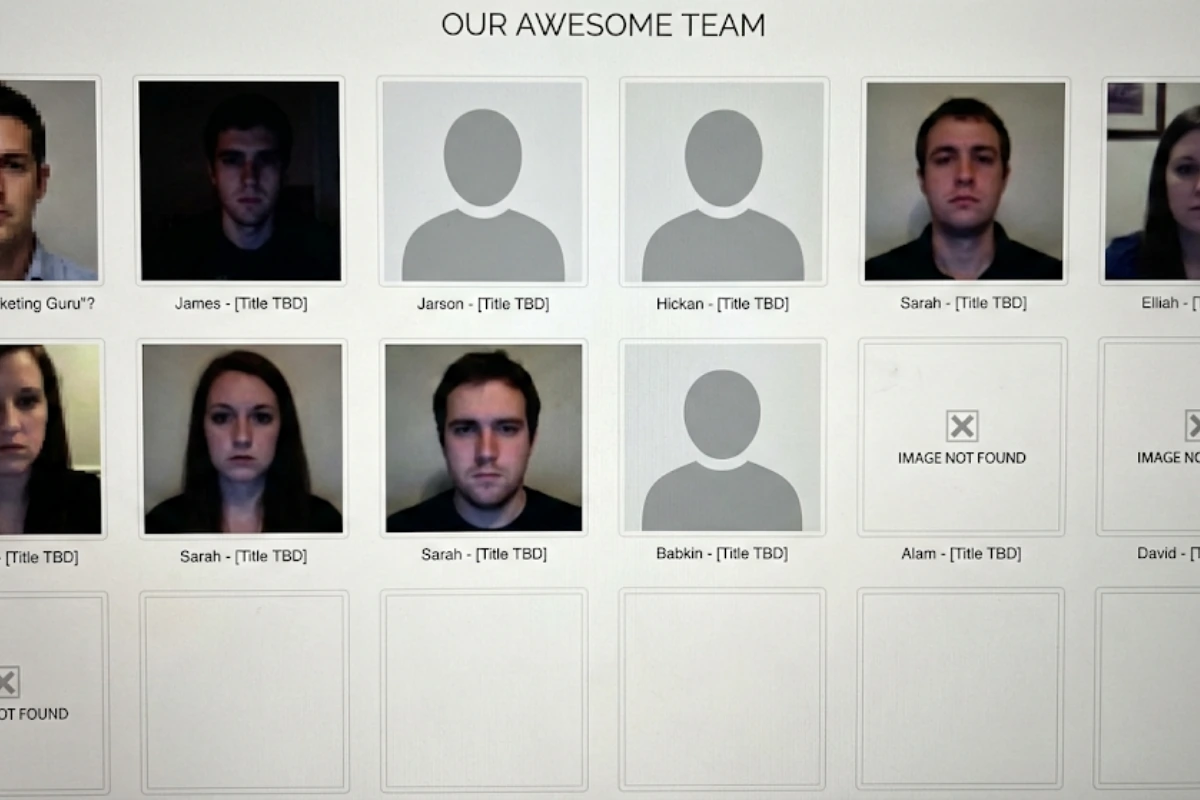
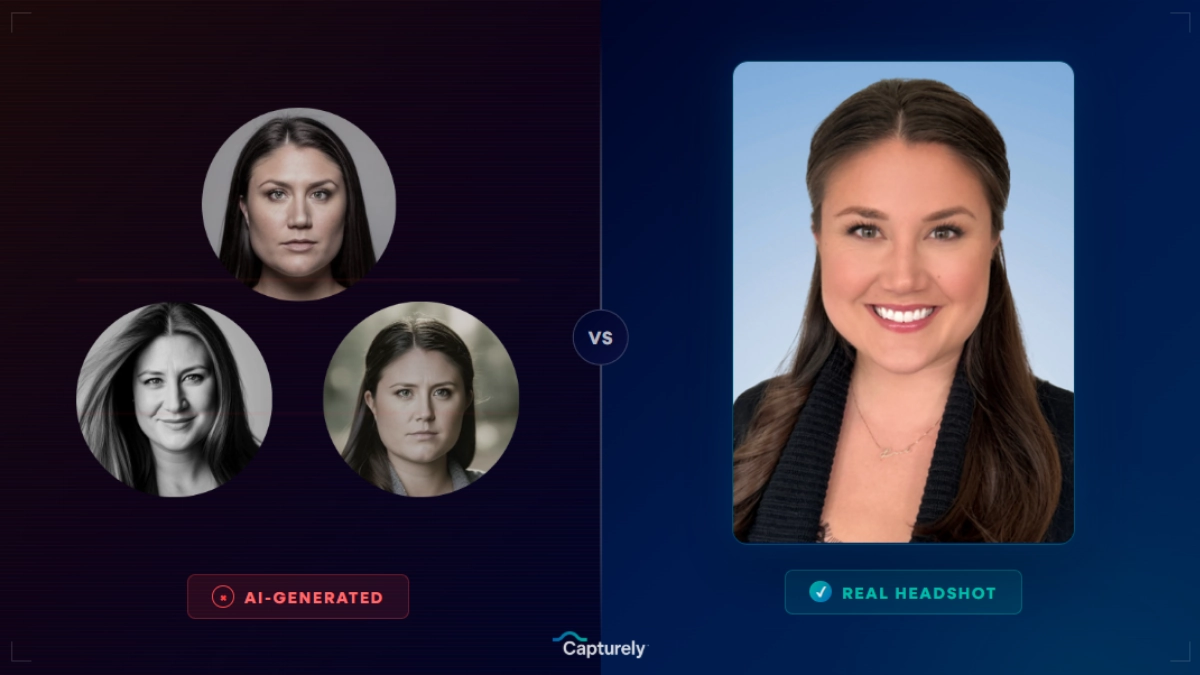
When your headshot doesn’t match how you currently look, the other person’s brain registers a discrepancy. Even if they can’t articulate it, it creates friction. It’s the same reason AI-generated headshots trigger backlash: 66% of recruiters report “trust destruction” after discovering photos were AI-generated (SalesSo, 2026). Inauthenticity — whether from AI fabrication or a 10-year-old photo — breaks the same trust circuit.
The Team-Level Problem
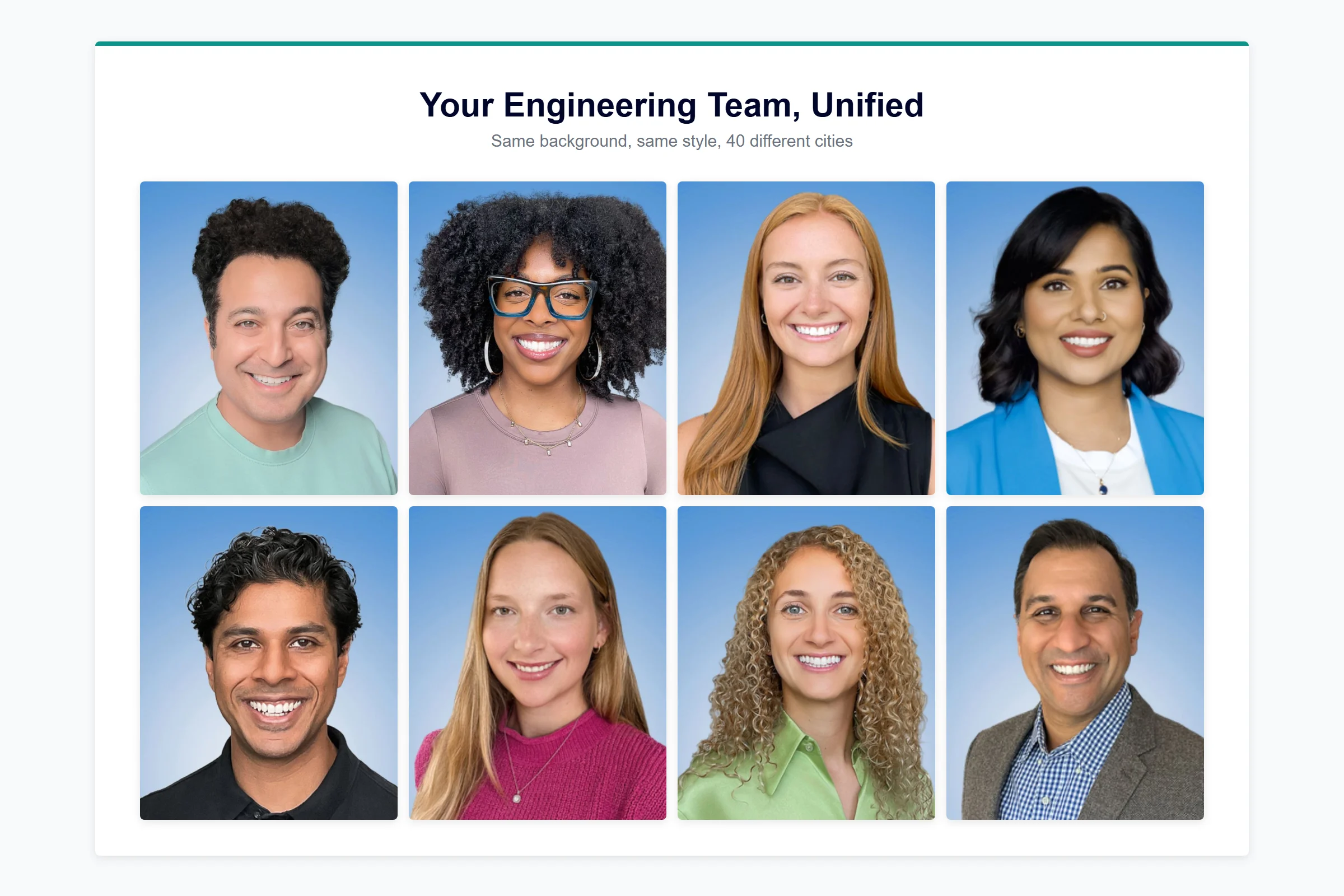
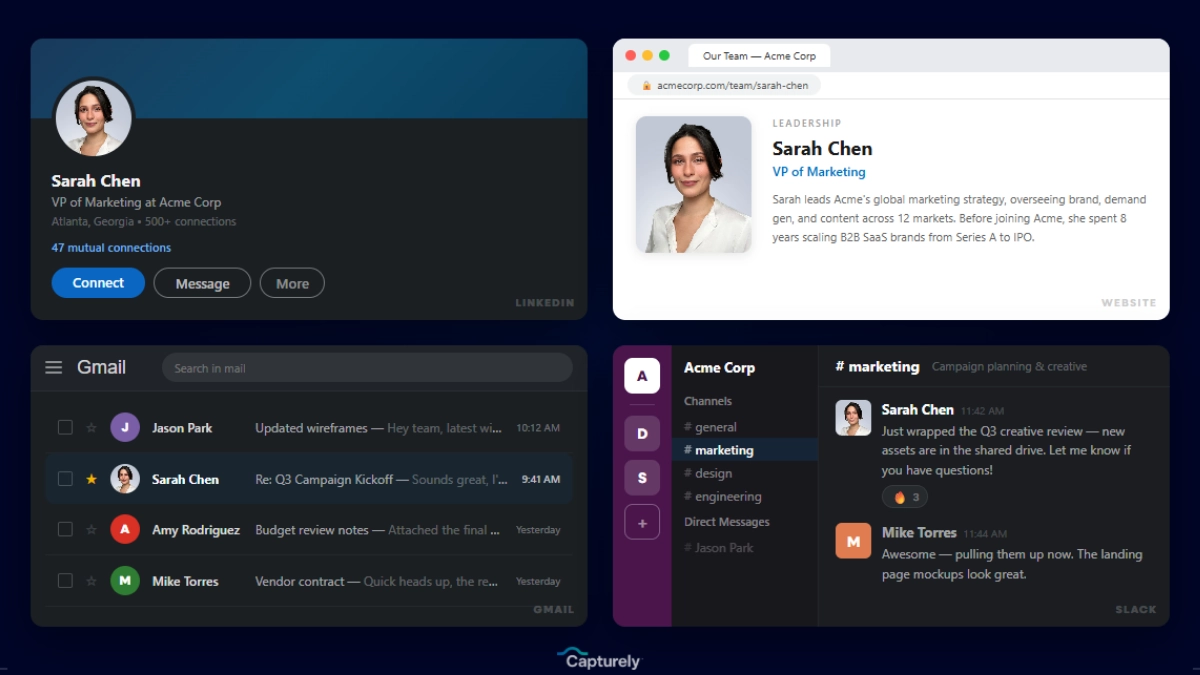
For organizations, outdated headshots compound. When a company website shows team photos from three different eras — some on white backgrounds, some in offices, some clearly shot on phones — it signals disorganization at the brand level. Consistent team headshots increase perceived trustworthiness by 58% (Iris Booth).
As one HR director told us: “I think this is something that we’re going to do just because it’s really going to help us update our presence without having to get everybody together. It’s long overdue, honestly.”
For the full ROI case behind keeping team headshots current, see our breakdown of the ROI of professional team headshots.
Why People Keep Outdated Headshots (And Why It Backfires)
If the data is this clear, why do half of professionals still use years-old photos?
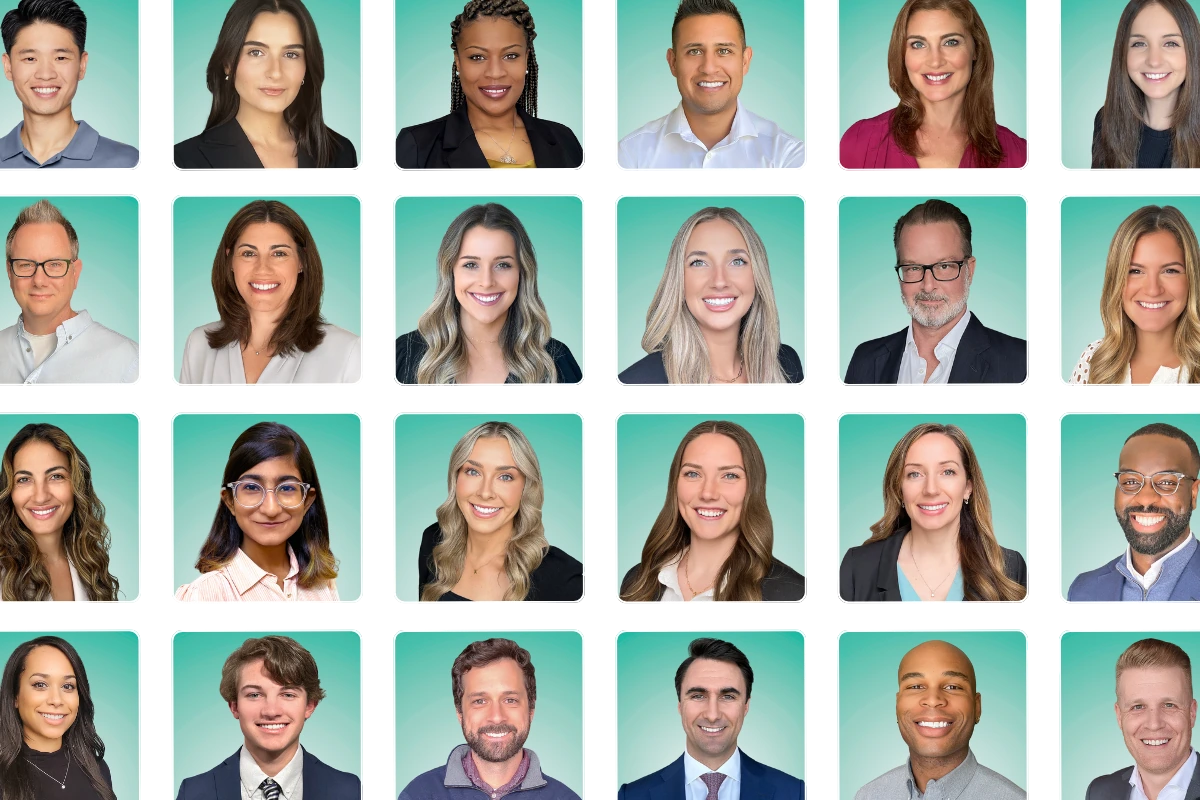
They don’t think they’ve changed. Seventy-five percent of LinkedIn users believe their current profile photo is “on point” (Passport Photo Online, 2023). But since 56% of professionals have met someone who looked different from their photo, the math doesn’t work. We see ourselves every day and don’t register gradual change. Others see it immediately.
They’re attached to a better-looking version. This is the most common reason people hold onto old photos. You liked how you looked three years ago. Your hair was different. The photo was taken on a good day. Letting go of that image feels like admitting something you’d rather not. But the person on the other end of the Zoom call isn’t seeing the 2021 version of you — they’re seeing the current version and wondering why it doesn’t match.
Getting a new headshot feels like a hassle. Traditional in-person headshot sessions involve scheduling, travel, outfit planning, and a 2–4 week wait for delivery. For teams, multiply that friction by every employee. No wonder companies put it off. As one prospect described their experience: “The cost and the time and the scheduling just threw us.”
They don’t think it matters enough. It’s easy to deprioritize a photo when there are quarterly targets to hit and clients to manage. But consider where your headshot appears: LinkedIn, company website, email signature, Slack, Teams, Zoom, client proposals, speaker bios, provider directories. The average professional uses their headshot in seven or more places. It’s not one photo — it’s your entire professional visual identity working in the background.
Skip the hassle. Capturely’s virtual sessions eliminate every excuse: 10 minutes from your home or office, a live photographer directing via your phone’s rear camera, 3 edited photos in 24 hours. Teams at Google, Amazon, and KPMG trust it. Get your updated headshot →
How to Make Updating Your Headshot Easy
The number-one reason professionals procrastinate on headshot updates is friction. Booking a studio, driving there, sitting through a session, waiting weeks for delivery. Virtual headshot sessions have collapsed that entire process into something you can do between meetings.
The 10-Minute Virtual Session
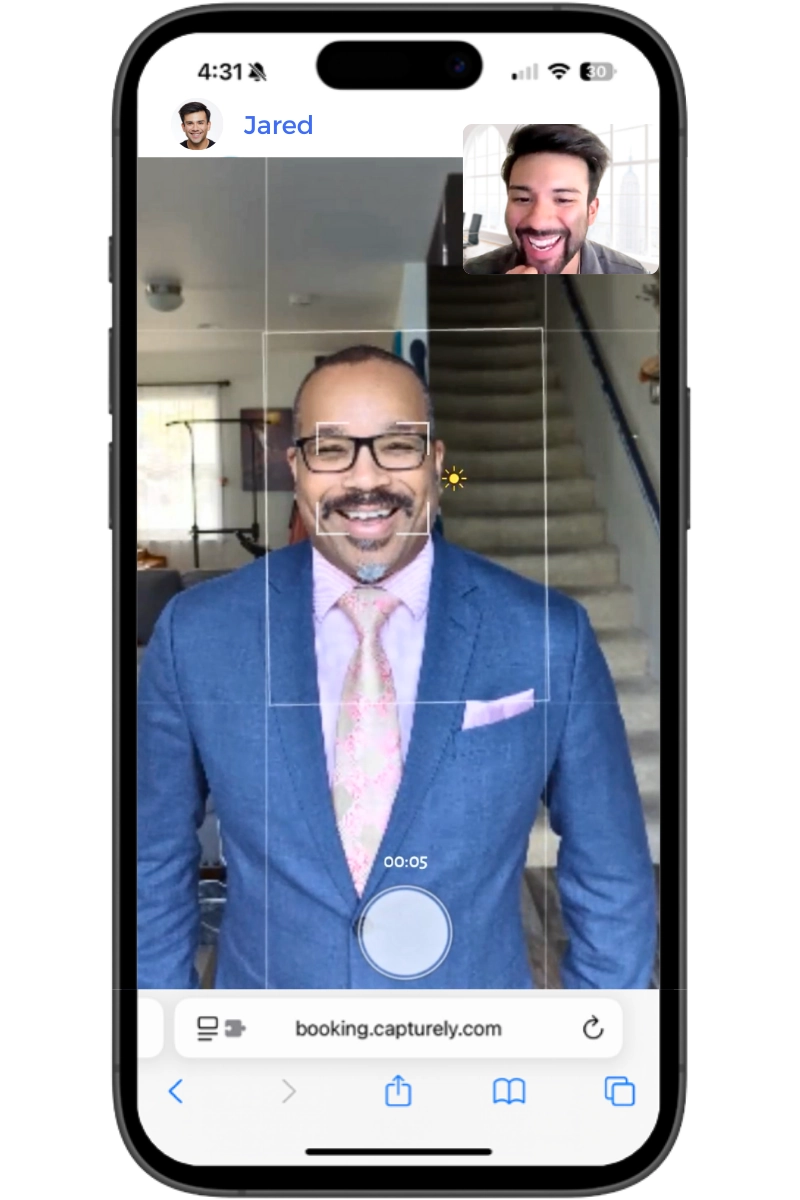
With Capturely, the process works like this: you receive a link, open it on your phone, and connect with a live photographer who directs your posture, expression, and lighting in real time using your rear camera (36–48 megapixels on modern phones). No app download required. Three fully edited headshots delivered within 24 hours. Choose from 98+ backgrounds or upload a custom branded one for $200.
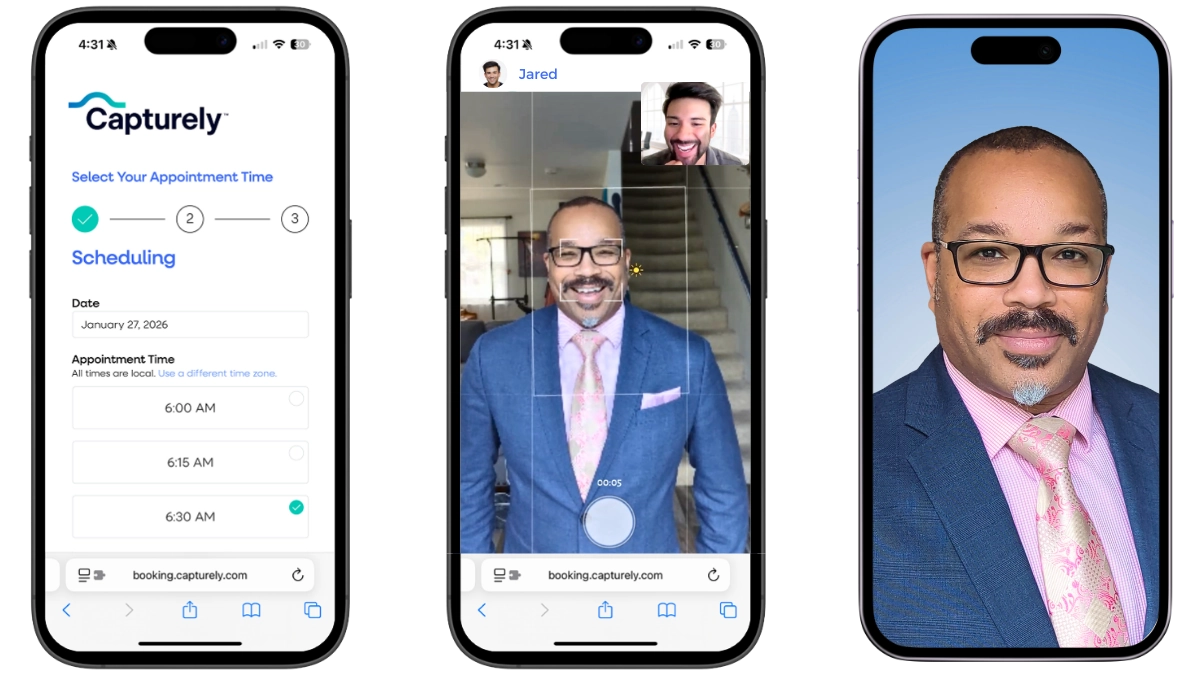
The live direction is what separates this from self-guided services. You can’t see your own face while holding a phone. You don’t know if the light is casting a shadow under your chin, if your head is tilted too far, or if your smile looks forced. A photographer sees all of that and corrects it in real time — which is why Capturely maintains a 98% satisfaction rate across 100,000+ sessions. At $79 per session for individuals (teams save up to 45%), it removes the cost and logistics barriers that cause most professionals to delay updates.
Build It Into Your Annual Calendar
The easiest way to keep headshots current is to stop treating updates as one-off projects. Schedule them. Many Capturely clients purchase session credits valid for 12 months and build headshot sessions into their onboarding process. As one HR director told us: “I have a template that I send to new hires saying, the first thing you do please set up a session. And then it’s nice because we’re notified when the session is complete and the picture’s ready.”
For organizations managing team-wide headshot programs, our corporate headshots guide covers the full rollout strategy. And for the specific question of getting your whole team’s LinkedIn photos updated, see how to update your team’s LinkedIn headshots.
What to Do When You Update
- Update everywhere, not just LinkedIn. Your headshot appears in more places than you think: LinkedIn, company website, email signature, Slack, Teams, Zoom, provider directories, speaker bios. Change all of them at once. For the full list, see where to use your professional headshot.
- Match your current wardrobe and style. Wear what you actually wear to work now, not what you wore three years ago. Our what to wear guide covers industry-specific recommendations.
- Delete the old versions. Old headshots floating around on platforms and directories create the recognition disconnect. Replace them everywhere, then let go of the old file.
- Set a reminder for 18–24 months out. Put a recurring calendar event. When it fires, run the self-check from above. Don’t wait until the photo is embarrassingly outdated.
Frequently Asked Questions
How often should you update your professional headshot?
Every one to three years, depending on your industry and role visibility. Actors and healthcare providers should refresh annually. Real estate agents and financial advisors every one to two years. Corporate professionals every two to three years. Any significant appearance change — new hairstyle, weight shift, glasses, facial hair — warrants an immediate update regardless of timeline.
How old is too old for a professional headshot?
Three years is the practical maximum for most professionals. After three years, subtle changes in your face, hair, and style accumulate to the point where the photo no longer accurately represents you. In client-facing industries like real estate, healthcare, and financial services, two years may be the upper limit. If someone meeting you would hesitate to match you to your photo, it is too old.
Does an outdated headshot affect job opportunities?
Yes. Seventy-one percent of recruiters have rejected a qualified candidate based on their LinkedIn profile picture (Passport Photo Online, 2025). Profiles with professional photos receive 21x more views and 36x more messages (LinkedIn, 2018). An outdated or low-quality headshot reduces your visibility in LinkedIn search and creates a trust gap when recruiters compare your photo to your video call appearance.
Should I update my headshot after weight loss or gain?
Yes, if the change is noticeable enough that someone seeing your headshot might not immediately recognize you. The goal is accuracy, not vanity. Your headshot should look like you on a normal day — not a version of yourself from 30 pounds ago. An accurate photo prevents the recognition disconnect that damages trust in first meetings, video calls, and client introductions.
How often do actors need new headshots?
Adults should update every one to two years. Child actors need new headshots every six months due to rapid physical changes (Backstage). Beyond aging, actors should get new headshots when their casting type shifts, they change representation, or current photos stop generating callbacks. Casting directors expect the person who walks into the room to match the submitted headshot exactly.
Can I use the same headshot for LinkedIn and my company website?
Yes, and you should. Consistency across platforms reinforces recognition and trust. When someone finds you on LinkedIn, then visits your company’s team page, seeing the same headshot confirms they have the right person. The same photo should appear on your email signature, Slack profile, and Zoom avatar. Consistent team branding increases perceived trustworthiness by 58% (Iris Booth).
What is the fastest way to get an updated professional headshot?
A virtual headshot session. With Capturely, you open a link on your phone, connect with a live photographer directing via your rear camera, and receive three fully edited headshots within 24 hours. The session takes 10 minutes. No app download, no studio visit, no multi-week wait. At $79 per session for individuals and up to 45% off for teams, it removes the cost and logistics barriers that cause most professionals to delay.
Ready to update? Capturely makes it simple: one link, 10 minutes, 3 edited headshots in 24 hours. 765+ reviews at 4.9 stars. Teams at Google, Netflix, McKinsey, and UnitedHealth Group trust it. Schedule your session →