



Government and Public Safety Headshots
Every shift, every station, no photo day
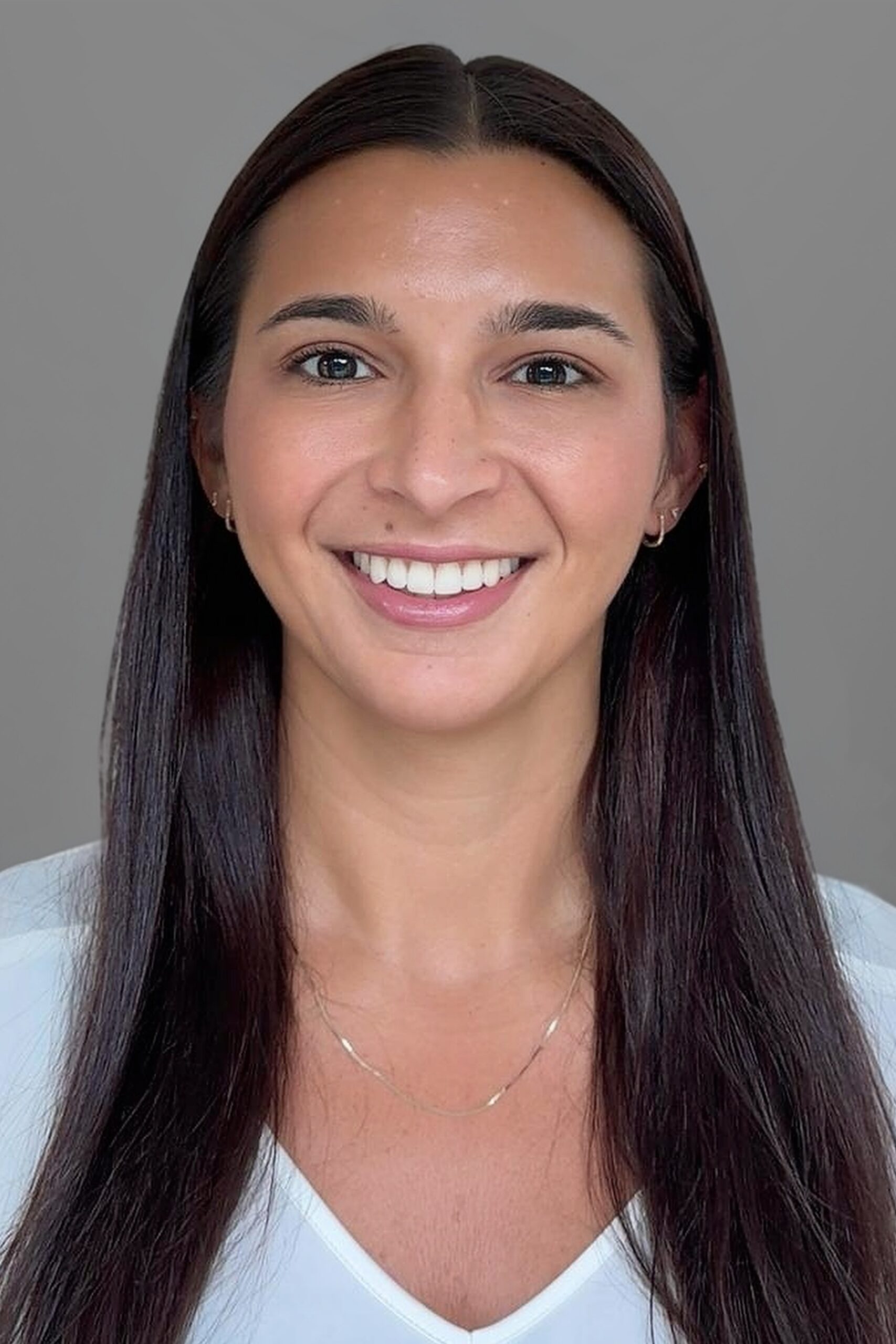
Government and public safety headshots are professional portraits used on agency websites, department directories, press releases, ID credentials, recruiting materials, and official bios. Capturely captures them virtually. Each person opens a link on their phone, a photographer directs the session live, and edited images arrive within 24 hours, matched to one standard across every station, shift, and department. No studio, no travel, and no photo day that half the roster misses. We have delivered more than 100,000 headshots to date.
Why a Photo Day Cannot Photograph a Department
Because a department is never all in one place, and it is never all awake.
Patrol runs rotating shifts. Fire runs platoons, which in a common schedule means a third of the department is on duty on any given day. Dispatch runs around the clock. Corrections runs around the clock. The people who are off today were on last night, and the people who are on today will be off when you reschedule.
So a photo day does not photograph a department. It photographs one shift. The result is the team page every agency already has: some people current, some people missing, some people in a photo from two ranks ago, and one person whose picture is a cropped group shot from a retirement party.
This does not get solved with better scheduling, because it is not a scheduling problem. It is a structural one. The only thing that fixes it is removing the appointment: a session that runs at three in the afternoon or three in the morning, on duty or off, from the station or from home, and produces the same photograph either way.
Are Government Employee Headshots Public Records?
Often, yes, and it is worth understanding before you commission them rather than after.
Public records laws vary by state and by agency, and photographs of public employees are frequently treated as releasable records, which is why news outlets are able to publish an officer’s or an official’s department photo. Many states carve out exemptions, commonly for undercover officers, for certain investigative personnel, and sometimes for employees who have an active safety concern on file. Some agencies restrict release by policy even where the law would permit it.
The practical consequence is simple and it is the reason to do this properly. If your agency’s photo of someone may end up in a newspaper, on a television broadcast, or attached to a public report, it should be a photograph you would be content to see there. The alternative is not “no photo.” The alternative is a surveillance still, a decade-old academy portrait, or a cropped snapshot, chosen by someone outside your agency under deadline.
We are not your legal advisor, and your agency counsel or records officer should tell you how your state’s statute and your own policy apply. But the operational lesson holds regardless of the answer: the photo you control is better than the photo someone else picks.
Built for How Agencies Actually Buy
Most headshot vendors are built for a company with a credit card. Agencies do not work that way, and pretending otherwise wastes everyone’s time.
Formal quotes. We will provide a written quote suitable for a purchase requisition, with line items, quantities, and terms spelled out, rather than a checkout page.
Purchase orders and invoicing. We can work against a PO and invoice on your terms instead of requiring payment at the point of sale.
Fiscal year timing. Budget that has to be used before the year closes can be used on a program that is scheduled to deliver in the window you have, because delivery does not depend on photographer travel calendars.
Quote thresholds. Tell us the dollar threshold above which your agency has to bid, and we will size a proposal with that number in mind rather than making you discover it later.
Cooperative and multi-agency buying. A county that wants to cover its sheriff’s office, its fire districts, and its administrative departments under one engagement can do that, with one standard applied across all of them and separate billing where each entity needs its own.
Who This Covers
Law Enforcement Headshots
The photo is operational, not decorative. It appears on credentials, in press releases, and in the news when something happens, which means its quality matters most on the worst day of the year.
Firefighter and Fire Department Headshots
The hardest scheduling problem in public service. Platoon schedules mean no single day reaches the whole department, and volunteer departments cannot be scheduled at all.
Military and Veteran Headshots
Two different needs under one word: serving members who want a professional photo for civilian-facing use, and service members leaving the military who need one for the job search.
Everyone Else in the Agency
Administration, finance, planning, public works, parks, clerks, and elected officials, shot to the same standard so the agency directory reads as one organization.
Two Ways to Shoot It
Live Photographer or Agentic Photographer
Capturely offers two capture methods with the same delivery standard, the same editing team, and the same 24-hour turnaround. What changes is who directs the session.
Live Photographer Sessions. A professional photographer directs your session live over video. They adjust framing, light, posture, and expression in real time, exactly as they would in a studio, and they shoot when it is right. Best for command staff, chiefs, elected officials, and anyone whose photo carries the agency’s name.
Agentic Photographer Sessions. Our agentic photographer directs the session instead. It reads the frame, coaches position and expression, and captures when the shot is right. It runs on demand at any hour, which is the part that matters here: a firefighter coming off a night shift and an officer starting a day shift can both be photographed without either one adjusting their schedule. Best for whole-department rollouts, academy and recruit classes, and continuous onboarding.
Neither one generates a face. AI headshot generators are trained on millions of other people and produce an image of someone who does not exist wearing your approximate features. Capturely never does that. Our agentic director does what a human photographer does: it runs the shoot. It coaches framing, posture, angle, and expression, and the camera captures what is actually in front of it. Real camera, real light, real you. It directs the shoot. It never invents the picture.
In public service this distinction is not a preference, it is close to a requirement. A photograph that may become a public record, appear in a press release, or accompany a court filing has to be a photograph of the person. A synthesized likeness is not that, whatever it looks like.
From Setup to Delivery
How It Works
Background, crop, uniform guidance, rank and insignia handling, retouching level, and the exact formats your website, your records system, and your credentialing system each require. We load them once.
They get a link. No app, no account, nothing for your IT department to review and approve, which in a government environment is not a minor consideration.
From a station, a desk, a vehicle, or home. On duty or off. The phone’s rear camera does the capturing, because it is the better lens. The session is directed the whole way through.
Consistent across every shift, station, and department, in every format you asked for.
The standard is stored, so a recruit who graduates in March matches an officer photographed last June.
Frequently Asked Questions
Are government employee headshots public records?
Frequently yes, though it varies by state and by agency, and most states have exemptions for undercover and certain investigative personnel. Your records officer or agency counsel should confirm how your statute applies. The practical point is that a photo which may be released publicly should be one your agency chose deliberately.
Can you photograph people on different shifts?
Yes, and it is the main reason departments come to us. Sessions run on demand at any hour, so night shift, swing shift, and day shift are all photographed to the same standard without anyone changing their schedule or coming in on a day off.
Do you work with purchase orders?
Yes. We can provide a formal written quote for a requisition and invoice against a purchase order rather than requiring card payment at checkout.
Can one engagement cover multiple departments?
Yes. A city or county can photograph police, fire, and administrative staff under one standard, with separate billing where each entity requires it.
Are the photos AI generated?
No. The photos are real. Our agentic photographer directs the session, coaching framing and expression the way a human photographer does, and the camera captures what is actually in front of it. We never synthesize a face.
Can you handle uniform and rank consistency?
Yes. Uniform guidance, crop, and insignia placement are part of the standard we store before the first session, so every photo in the department matches regardless of when it was taken.
One Standard, Every Shift, Every Station
Tell us how many people you need photographed across your agency and we will put together a plan and a formal quote. Groups qualify for a complimentary session so you can see the output before you commit.

Looking for an individual session? Click here