



Firefighter Headshots for Every Shift and Every Station
Every platoon and every volunteer, no photo day
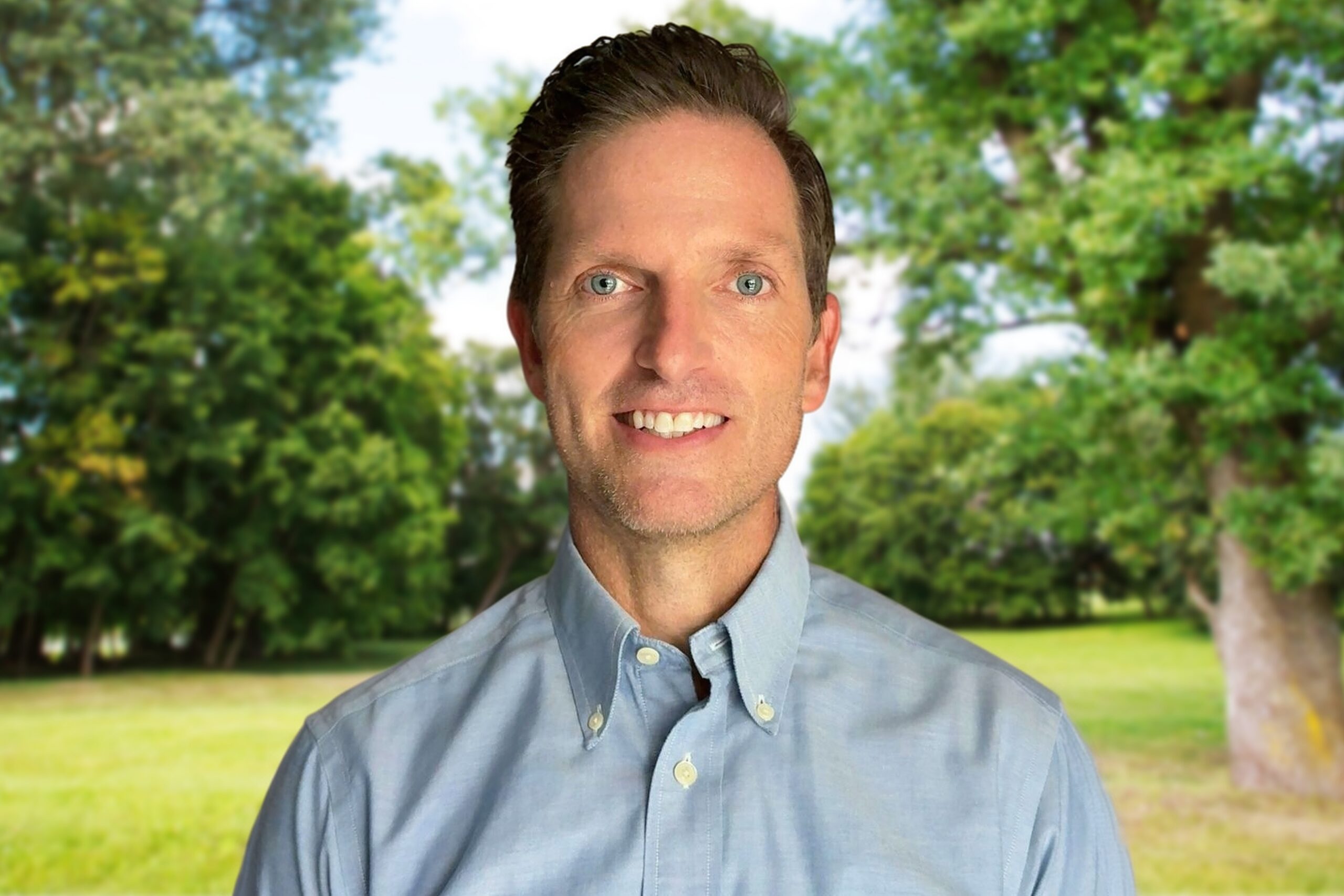
Firefighter headshots are professional portraits used on fire department websites, station rosters, press releases, recruiting and volunteer drives, community outreach materials, and officer bios. Capturely captures them virtually. Each firefighter opens a link on their phone, a photographer directs the session live, and edited images arrive within 24 hours, matched to one department standard across every shift, station, and platoon. No studio, no travel, and no photo day that two thirds of the department misses. We have delivered more than 100,000 headshots to date.
A Photo Day Reaches One Shift
This is the whole problem, and every fire chief already knows it.
On a three-platoon schedule, about a third of the department is on duty today. The rest are off cycle, which in fire service does not mean “at their desk somewhere else.” It means asleep after a night of calls, or working a second job, or two days into a four-day break.
So a photo day held on Tuesday photographs A shift. To reach B and C you hold two more, which means three sessions spread across weeks, in different light, with whatever the photographer recalls of the first one. The department ends up with a roster where you can tell which shift someone is on by looking at their picture, which is the opposite of the point.
Then the calls come. A session scheduled for ten in the morning competes with whatever the tones do at nine fifty, and in fire service the tones win every time. The crews that get interrupted are the busiest companies, which are usually the ones a department most wants represented.
Removing the appointment removes all of it. A firefighter photographs at the start of a shift, after a quiet night, at the kitchen table on a day off, or at eleven at night when the station finally goes still. Same direction, same standard, same result, and A, B, and C shift come out matching. That is the model behind our government and public safety headshots program.
Volunteer and Combination Departments Cannot Be Scheduled at All
Most fire departments in the United States rely on volunteers, either entirely or in combination with career staff. If that describes your department, every scheduling-based approach fails before it starts.
A volunteer has a job somewhere else. There is no shift to catch them on, no station hour when they are reliably present, and no realistic way to ask thirty people with thirty different employers to take a weekday afternoon off for a photograph. What happens in practice is that the chief gets photographed, a few officers get photographed, and the roster page shows eight people out of forty.
On-demand capture is the only method that actually reaches a volunteer roster. A volunteer photographs at nine at night from home, directed through the session the same way the career staff were, and the finished image matches. For a combination department this matters twice over, because the alternative is a website where paid staff have professional photos and volunteers do not, which is a message no chief wants to send.
Fire Departments Are Public-Facing in a Way Most Employers Are Not
Fire service does an enormous amount of work that puts faces in front of the community, and almost all of it is better with photographs.
Station open houses. School visits and fire prevention week. Public education programs. Fundraising and benevolent association drives. Recruitment and volunteer drives, which for a combination department are a continuous effort rather than an occasional one. Annual reports to a city council or a fire district board. Awards, promotions, and line-of-duty recognition.
Every one of those draws from the same file, and in most departments that file is thin. A current portrait of every member turns all of it from a scramble into a lookup.
There is also a harder case, and it should be said plainly rather than danced around. Departments occasionally need a photograph of a member under the worst possible circumstances, and what exists at that moment is what the department has on file. Having a proper portrait of every member is, among other things, a kindness prepared in advance.
Fire Department Photography, Beyond the Portrait
Departments searching for a fire department photographer are usually solving several problems: recruit academy class photos, company and apparatus group shots, promotion and badge-pinning ceremonies, chief and command staff portraits for the department website, and annual report imagery.
Our model handles the portrait side of all of it without travel and reaches every member rather than only those on duty. Apparatus photography and live event coverage genuinely need someone physically present, and we will say so rather than imply otherwise. For a city or county photographing fire and police together under one engagement, see our guide to law enforcement headshots.
Ranks, Promotions, and New Members
Fire service runs on rank, and rank changes.
A firefighter makes engineer or driver. An engineer makes lieutenant. A lieutenant makes captain. A captain makes battalion chief. Each step changes the collar insignia, and a department directory that shows people at the wrong rank is both inaccurate and quietly disrespectful of the promotion.
Recruit classes arrive on their own schedule, and probationary members usually need a photograph well before the next time a photographer would have been coming around.
With a stored standard, each of these is a ten-minute task in the week it happens, matched to a department standard set years earlier, rather than something that waits for a session that may not be scheduled for another eighteen months.
Two Ways to Shoot It
Live Photographer or Agentic Photographer
Capturely offers two capture methods with the same delivery standard, the same editing team, and the same 24-hour turnaround. What changes is who directs the session.
Live Photographer Sessions. A professional photographer directs the session live over video, adjusting framing, light, posture, and expression in real time. Best for the chief, command staff, and anyone whose photo represents the department itself.
Agentic Photographer Sessions. Our agentic photographer directs the session instead, reading the frame, coaching position and expression, and capturing when the shot is right. It runs on demand at any hour, which for a fire department is the entire proposition: C shift at two in the morning and a volunteer at nine at night are both ordinary sessions. Best for full-roster rollouts, recruit classes, and volunteer departments.
Neither one generates a face. AI headshot generators are trained on millions of other people and produce an image of someone who does not exist wearing your approximate features. Capturely never does that. Our agentic director does what a human photographer does: it runs the shoot. It coaches framing, posture, angle, and expression, and the camera captures what is actually in front of it. Real camera, real light, real you. It directs the shoot. It never invents the picture.
For a fire department this matters more than it might appear. These photographs go into press releases, community materials, award presentations, and occasionally into memorial programs. Every one of those requires a photograph of the actual person. A generated likeness has no place in any of them.
From Setup to Delivery
How It Works
Background, crop, uniform and insignia guidance, Class A versus duty uniform, retouching level, and the formats your website, your records system, and your annual report each require. We load them once.
They get a link. No app, no account, nothing for city or district IT to review and approve.
From the station, the apparatus bay, a desk, or home. On duty, off cycle, or volunteering around a day job. The phone’s rear camera does the capturing, because it is the better lens.
Matched across every shift, station, and rank, in every format you specified.
The standard is stored, so a probationary firefighter photographed in March matches a captain photographed two years earlier.
Frequently Asked Questions
How do you photograph all three shifts?
Sessions run on demand at any hour, so each platoon photographs on its own time without anyone coming in off cycle. Because every session runs against one stored standard, A, B, and C shift come out matching even though they were photographed weeks apart.
Can you photograph volunteer firefighters?
Yes, and it is one of the strongest reasons volunteer and combination departments use us. A volunteer photographs from home at whatever hour suits them, directed through the session, and the result matches the career staff exactly.
Can you handle Class A versus duty uniform?
Yes. Uniform guidance is part of the standard stored before the first session, including which uniform applies to which group, so the department gets a consistent set rather than a mix.
What about rank insignia and promotions?
The stored standard covers insignia placement and crop, so a promotion photo taken years later still matches. New photos can be taken the week a promotion happens rather than waiting for a scheduled session.
Do you photograph paramedics and EMS personnel?
Yes, whether they are fire-based EMS or a standalone ambulance agency. Clinical staff employed by a hospital are covered on our healthcare pages instead.
Are the photos AI generated?
No. The photos are real. Our agentic photographer directs the session, coaching framing and expression the way a human photographer does, and the camera captures what is actually in front of it. We never synthesize a face.
Reach Every Shift and Every Volunteer
Tell us how many members you need photographed and we will put together a plan and a formal quote. Groups qualify for a complimentary session so you can see the output before you commit.

Looking for an individual session? Click here