Companies are moving away from AI headshots because the images create measurable trust gaps, amplify racial and gender bias in professional settings, and violate a growing number of enterprise authenticity policies. A 2024 Ringover survey of 1,087 recruiters found that 66% would be put off by a candidate’s AI-generated headshot once they knew it was fabricated—even though 76.5% preferred AI images in blind tests (Ringover, 2024).
Last updated: March 2026
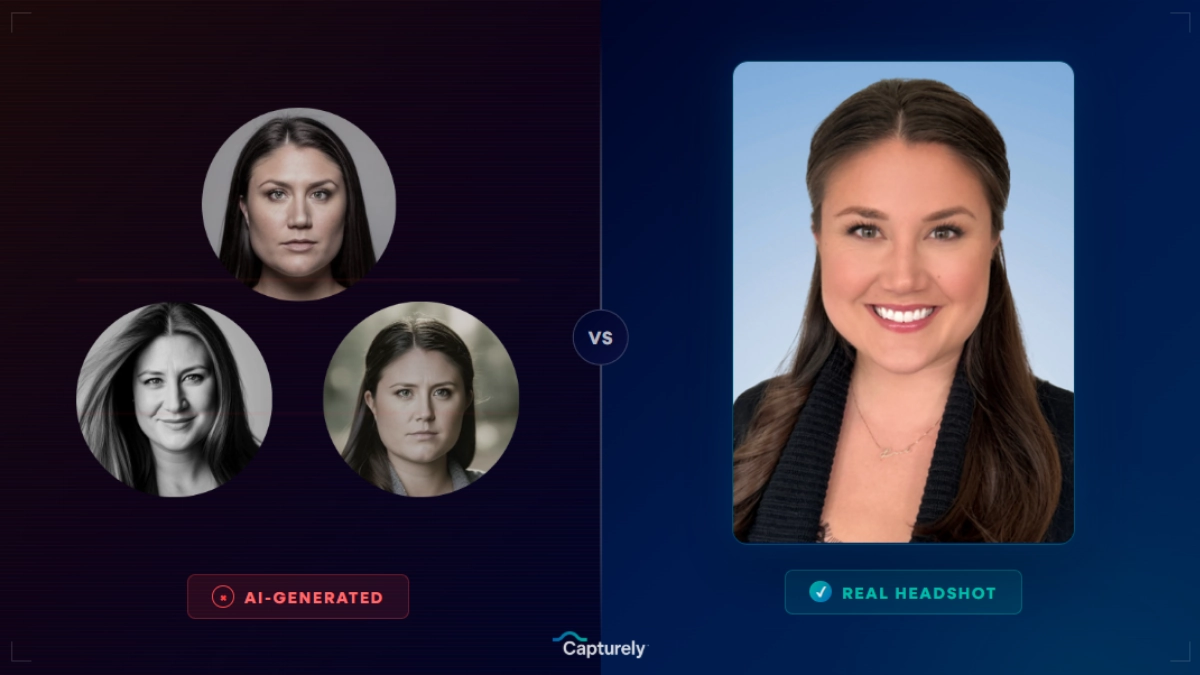
AI headshot generators exploded between 2023 and 2025. Tools like HeadshotPro, Aragon AI, and BetterPic promised professional headshots in minutes for under $50. For individuals updating a LinkedIn profile, the pitch made sense. For companies managing headshots across hundreds or thousands of employees, the cracks showed up fast.
The problems aren’t hypothetical. An MIT graduate asked an AI tool for a “professional” headshot and received an image with lightened skin and blue eyes. Bloomberg tested Stable Diffusion across 17 occupations and found 80% of “inmate” images had the darkest skin tones (Bloomberg, 2023). Greentarget UK, a PR agency, formally banned AI-generated images from company assets after testing one on LinkedIn. This isn’t an anti-technology argument. It’s a practical one. Here’s what’s actually happening—and what companies are doing instead.
The AI Headshot Boom (2023–2025)
The AI headshot market grew from almost nothing to an estimated $350–$500 million by 2025, driven by three forces: cost (as low as $29 per person), speed (results in minutes), and the remote work explosion that made traditional photo days logistically impossible for distributed teams.
HeadshotPro alone has generated over 17.9 million headshots for 196,000+ customers. Aragon AI claims 2 million users. BetterPic raised a $2.5 million seed round in August 2025 on the strength of $3.2 million in projected revenue. The broader AI image generation market hit $8.7 billion in 2024 and is projected to reach $60.8 billion by 2030 (MarketsandMarkets, 2024).
| Platform | Users/Customers | Pricing | Key Claim |
|---|---|---|---|
| HeadshotPro | 196,000+ customers | $29–$69/person | 17.9M+ headshots generated |
| Aragon AI | ~2M users | $29–$69/session | “Most realistic” generator |
| BetterPic | Not disclosed | $29+/session | $2.5M seed round (Aug 2025) |
| Secta Labs | Not disclosed | Varies | 20M+ generations |
| Try It On AI | Not disclosed | $24–$47/session | 150+ headshot styles |
The appeal is obvious. Upload a few selfies, pick a style, and get 40+ “professional” images without leaving your desk. For a solo consultant updating their LinkedIn, the math works. But enterprises—the companies buying headshots at scale—started running into problems that individuals never noticed. For a full breakdown of AI vs. real photography, see our AI headshots vs. real headshots comparison.
Skip the AI gamble. Capturely connects your team with live photographers for real headshots—10 minutes per session, 24-hour delivery, 98+ backgrounds. No fabrication, no trust gap. Get a quote for your team →
Why Companies Are Rejecting AI Headshots
The Recruiter Paradox
A Ringover survey of 1,087 recruiters produced a result that perfectly captures the AI headshot dilemma: 76.5% preferred AI-generated headshots over real ones in a blind comparison (Tech.co, 2024). The AI images were more polished, more consistent, more “professional” by conventional standards.
But here’s the catch. Eighty-eight percent of those same recruiters said AI headshot use should be disclosed. And 66% said they’d be put off once they knew a headshot was AI-generated. Recruiters correctly identified AI headshots only 39.5% of the time—which means the deception works until it’s discovered. And in professional contexts, discovery is inevitable.
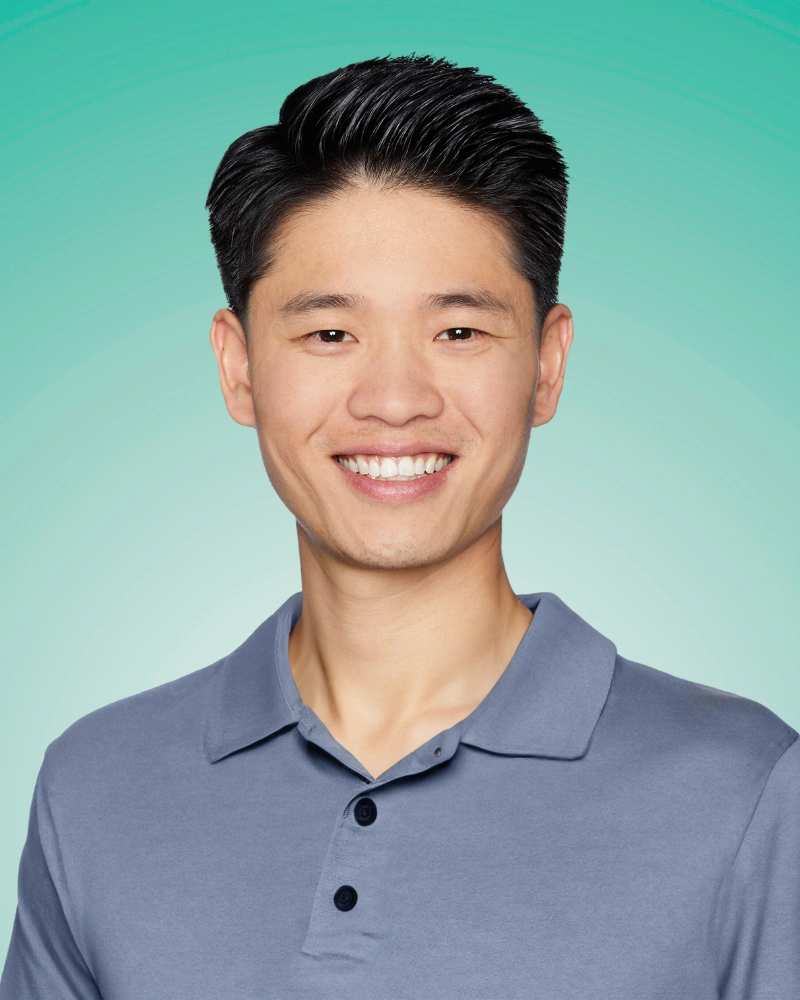
You’ll show up on a video call. You’ll meet someone at a conference. You’ll interview in person. The moment your face doesn’t match your photo, the trust you built with that polished headshot reverses. A PhotoFeeler study found that professional headshots increase perceived competence by 75.93% (PhotoFeeler, 2023)—but only if the photo actually looks like you. LinkedIn profiles with professional headshots get up to 21x more views and 36x more messages (LinkedIn, 2017). Those numbers assume the photo is real. When the headshot is an AI fabrication, the engagement boost becomes a ticking clock—you’re attracting attention to an image that will eventually be compared to your actual face.
Enterprise AI Policies Are Spreading
Companies aren’t just quietly uncomfortable with AI headshots. They’re writing policies against them.
Anna Lawlor, Director and Head of Digital and Social Media at Greentarget UK, tested an AI headshot on her own LinkedIn as an experiment. When she disclosed it, colleagues flagged it as inauthentic. The agency’s leadership then formally decided “it is not appropriate to share an AI-generated image on company assets,” including the website, press releases, and marketing materials (Greentarget, 2025).

This pattern is repeating across industries:
- Financial services: Firms are prohibiting AI-generated imagery in client-facing materials, citing trust and compliance requirements
- Healthcare: Provider directories require genuine photographs for patient trust—you can’t have a fabricated image next to a “Find a Doctor” listing
- Legal: The North Carolina Bar Association published AI policy guidance for law firms in January 2026, and professional ethics rules around misrepresentation apply directly to headshots (NC Bar Association, 2026)
- Government: The U.S. Department of State warned that AI-altered photographs on government IDs constitute a “national security concern” (DCReport, 2025)
The consumer data supports these policies. A Getty Images/VisualGPS report surveying 30,000+ adults across 25 countries found that 90% of consumers want to know if an image was created using AI, and 98% say authentic images are pivotal for establishing trust (Getty Images, 2024). When nearly every consumer demands authenticity, putting AI-generated headshots on your company website is a calculated risk.
Even within Capturely’s own prospect conversations, the shift is visible. “Our company does not allow us to use AI anyway,” one prospect at a major firm told our team. A healthcare marketing director put it bluntly: “As much as my industry loves AI, I don’t think we’re going there for people.”
Do AI Headshots Have a Diversity Problem?
Yes. And the evidence isn’t anecdotal—it’s peer-reviewed, replicated, and damning.
When “Professional” Means “White”
In 2023, Rona Wang, an MIT Computer Science graduate, asked Playground AI to generate a “professional” version of her headshot. The tool lightened her skin, gave her blue eyes and freckles, and effectively made her appear Caucasian.
“I was like, ‘Wow, does this thing think I should become white to become more professional?’” Wang told the Boston Globe (2023).
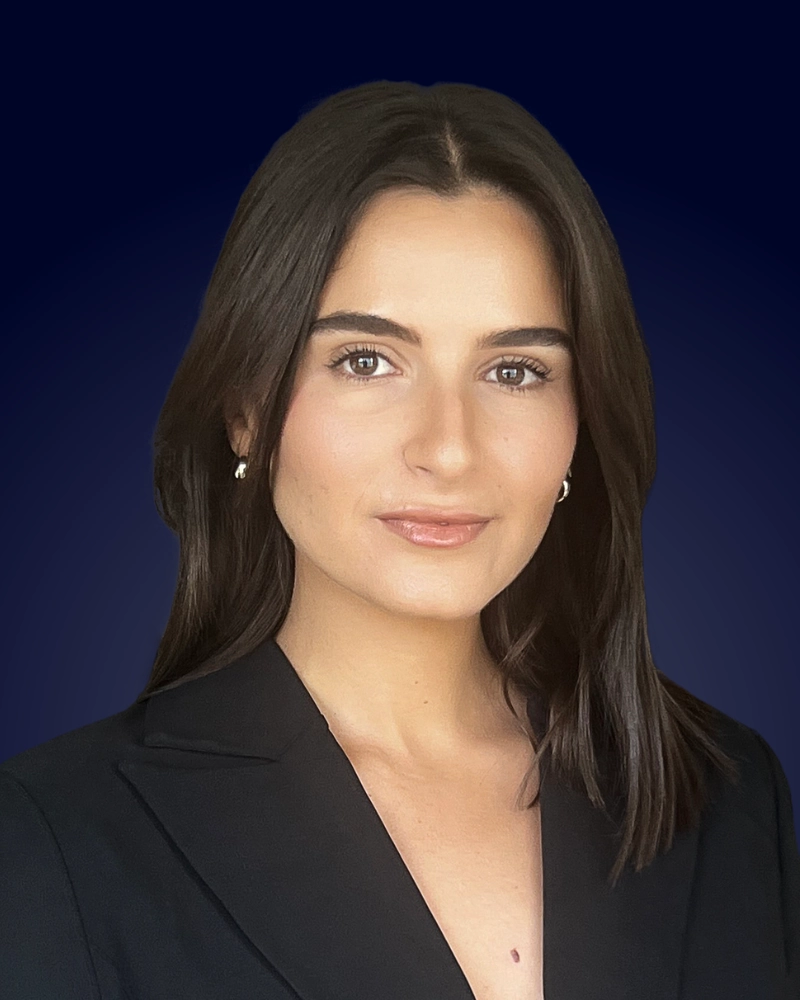
She’s not an outlier. CNW Media reported that Black users routinely experience AI tools “whitening their images”—lightening skin, narrowing noses, and straightening hair textures (CNW Media, 2024). The training data behind these tools overrepresents whiteness, especially in “professional” imagery. So the AI’s definition of “professional” skews toward Eurocentric features by default.
What the Research Shows
MIT’s Gender Shades study by Joy Buolamwini and Timnit Gebru tested facial analysis systems and found accuracy was 99%+ for white men but dropped to 65.3% for darker-skinned women—a failure rate of more than one in three (MIT, 2018).
Bloomberg tested Stable Diffusion across 17 occupation categories by generating 5,100 headshot images (Bloomberg, 2023). The results were stark:
- 80%+ of “inmate” images had the darkest skin tones
- Women comprised only 3% of “judge” images (reality: 34% of U.S. judges are women)
- Women were overrepresented in low-paying occupations, underrepresented in high-paying ones
- The report concluded: “The world according to Stable Diffusion is run by White male CEOs”
John Villasenor, a Nonresident Senior Fellow at the Brookings Institution, tested DALL-E by asking it to generate 20 images of “a successful person.” Every single image was white, male, young, and dressed in Western business attire. “These images are laden with biases, reflecting stereotypes that successful people are white, male, young, dress in Western business attire, work in an urban office tower, and share a common hairstyle” (Brookings Institution, 2024).
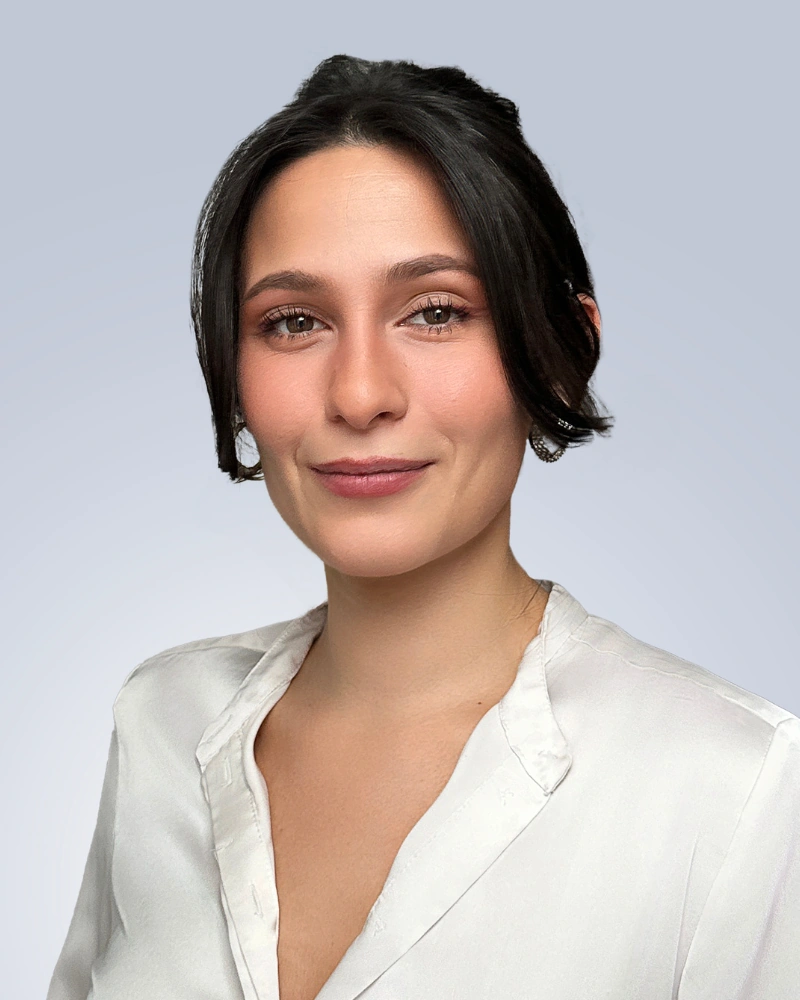
What This Means for Company Teams
If your team includes people of color, women, employees with textured hair, visible disabilities, or non-Western features, AI headshot tools may produce images that don’t accurately represent them. In some cases, the tools actively alter appearance toward a Eurocentric standard of “professional.”
For a company investing in DEI, using a tool that lightens skin tones or homogenizes features isn’t just a quality problem—it’s a values problem. Real photography with human photographers who adjust lighting, direction, and editing for every skin tone and face shape simply doesn’t have this issue. That’s why enterprise clients in industries like corporate headshots are choosing photographers over generators.
What Goes Wrong With AI-Generated Headshots?
The diversity issue gets the headlines. But even setting bias aside, AI headshots have a catalog of practical failures that make them unreliable for professional use at scale.
Physical Artifacts and the Uncanny Valley
AI-generated faces still exhibit tells that trained eyes—and increasingly, untrained ones—can spot. These artifacts get worse with non-standard features, unusual lighting conditions, or accessories like glasses.
| Problem Area | What Happens | Why It Matters |
|---|---|---|
| Eyes | White highlights don’t match lighting direction; lashes look painted on | The first place people look. Gets noticed immediately. |
| Teeth | Uneven, extra, or clearly not your actual teeth | Especially obvious when you smile on a video call |
| Skin | Over-smoothed, waxy, lacks pores and texture | Makes the image look like a digital rendering, not a photograph |
| Hair | Style changes between uploads; texture inconsistencies at edges | Colleagues notice when your headshot hair doesn’t match |
| Clothing edges | Blurring, warping, or mismatched earrings/accessories | Signals fabrication even to casual viewers |
| Background bleed | Artifacts where hair meets background; smudged transitions | Professional headshots have clean background separation |
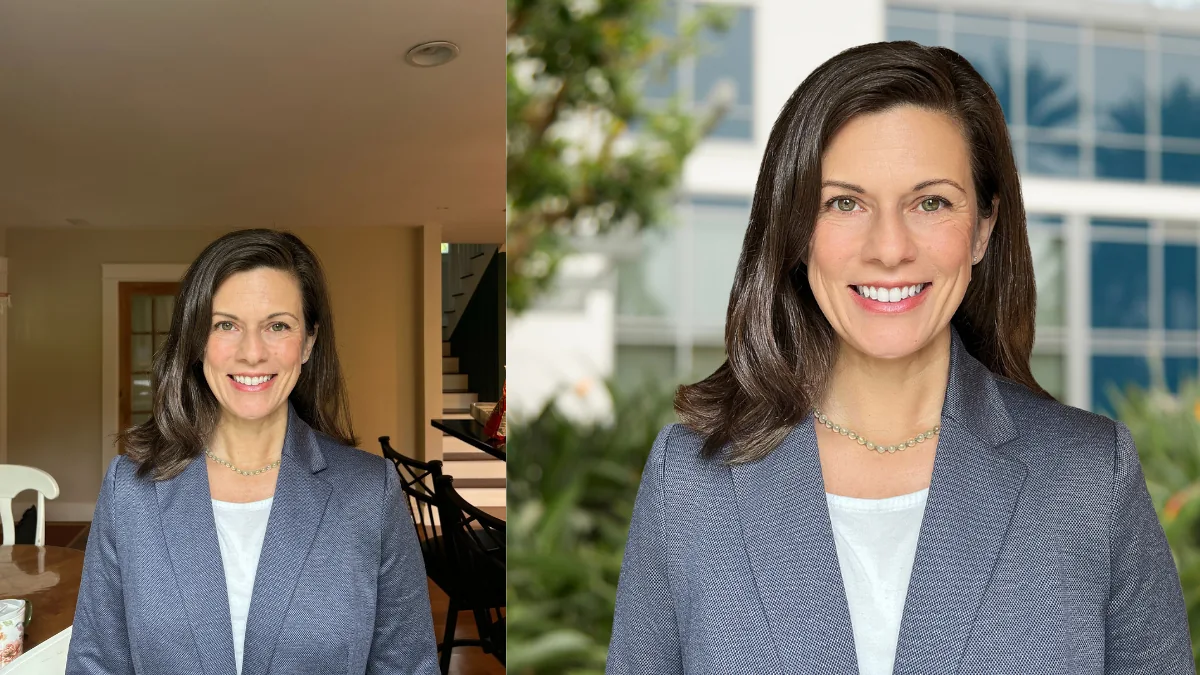
Professional retouching by a human editor addresses real imperfections—a stray hair, a temporary blemish, uneven lighting—while preserving the actual person. AI generation doesn’t retouch. It fabricates. There’s a difference. For details on what good retouching looks like, see our HeadshotPro vs. real photography comparison.
The “Doesn’t Look Like Me” Problem
This is the most common complaint about AI headshots, and it’s the most damaging in professional contexts. Andrea, an IT decision-maker at VES, told Capturely’s team: “We do like the fact that you guys don’t just use AI. The AI headshots always look kind of weird.”
Her team had tried AI tools individually. “Different people throughout the department have tried them out and they always turn out a little odd looking. You can call it AI.”
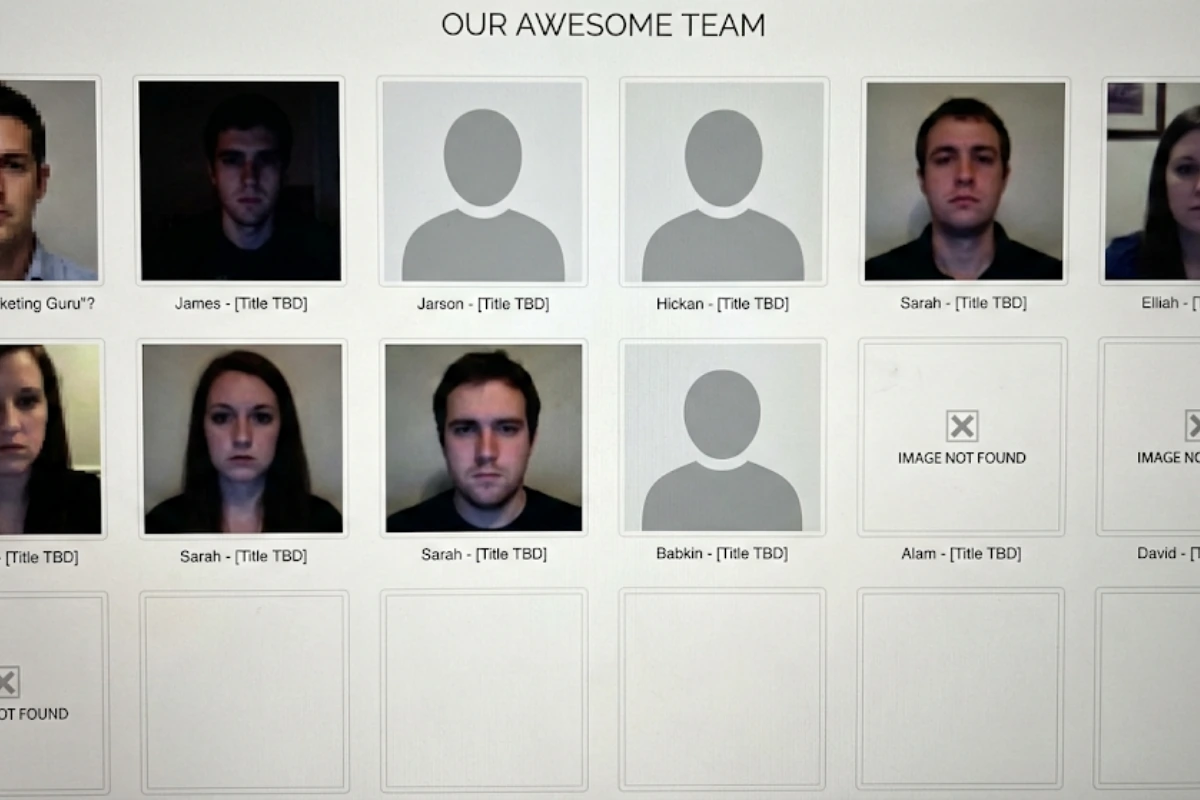
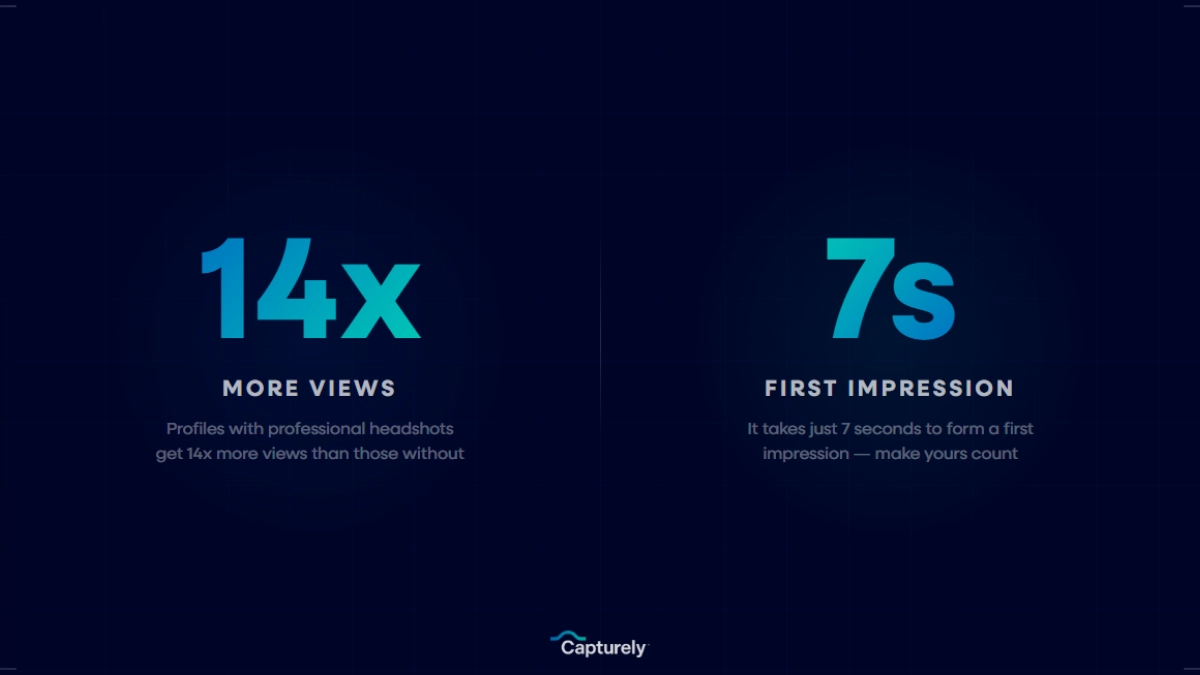
Research backs this up. People form judgments about a face in just 7 seconds (Psychology Today, 2014), and 94% of first impressions are design-related (Stanford Persuasive Technology Lab, 2002). When that first impression comes from a fabricated image, it builds trust on a false foundation. The disconnect shows the moment you appear on camera or walk into a meeting.
And there’s an emotional dimension, too. In a survey of 1,600 participants, 38% described AI-generated professional headshots as “soulless”—technically acceptable but missing the warmth and humanity that makes a headshot actually connect (Capturely, 2026). That word choice is telling. People don’t want to look at a rendering of you. They want to see you.
The issue compounds at scale. When your AI headshot looks 15% different from your actual face—slightly thinner nose, different jaw shape, smoother skin than you’ve ever had—every video call and in-person meeting starts with a subtle credibility gap. Multiply that across a team of 200 people, and your company is presenting a version of itself that literally doesn’t exist. For a deeper look at how specific AI tools compare to real photography, see our BetterPic vs. real headshot photography analysis.
Legal and Compliance Risks
The legal environment around AI-generated images is evolving fast:
- California’s AB-723 now requires disclosure when photos used in property advertising have been digitally altered in a way that materially changes representation (Cole Connor, 2025)
- Scammers on Fiverr used AI-generated headshots paired with stolen lawyer registration numbers to impersonate real attorneys (Bureau of Investigative Journalism, 2025)
- Clearview AI settled a $50 million biometric privacy class action in March 2025 over facial recognition data practices (Traverse Legal, 2025)
- The Andersen v. Stability AI class-action lawsuit (filed January 2023) challenges the training data practices that make AI headshot tools possible
For regulated industries—healthcare, financial services, law—the risk calculus on AI-generated employee images is shifting toward caution. If your company faces any compliance scrutiny around employee imagery, AI-generated headshots add risk that real photographs don’t.
What Companies Are Using Instead of AI Headshots
The solution isn’t going back to expensive in-person photo days that took weeks to coordinate and still missed half the team. It’s virtual photography with real photographers—the same convenience that made AI headshots attractive, but with authentic images directed by a human professional.
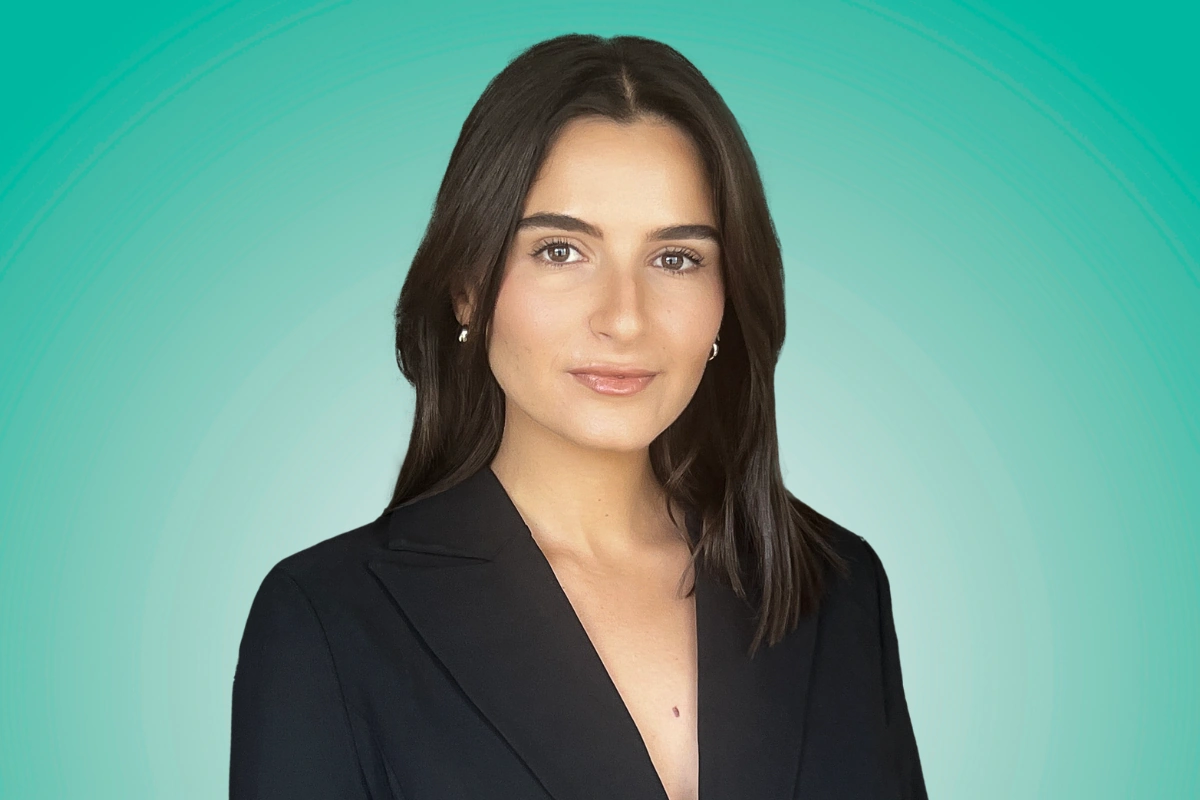
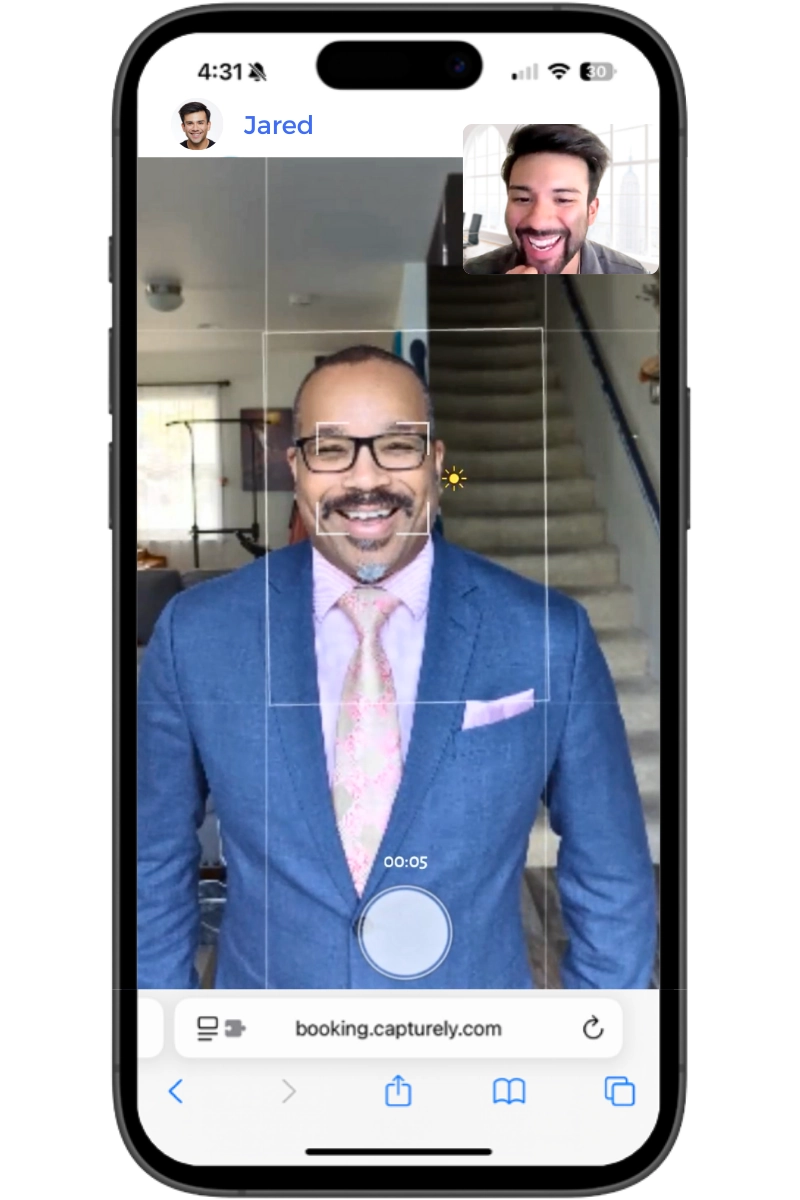
Virtual headshot services connect employees with live photographers through their phone’s rear camera (36–48 megapixels)—no app download, no studio visit, no logistics coordination. The photographer directs the session in real time: coaching posture, adjusting lighting, guiding expression. Ten minutes per person, three fully edited images, delivered within 24 hours.
The critical difference: these are real photographs of real people. No fabrication, no AI alteration, no trust gap when the person shows up on Zoom. And because a human photographer is directing every session, lighting and editing are adjusted for each individual’s skin tone, hair texture, and features—the exact thing AI tools fail at.
The process solves each specific problem AI headshots create. Trust gap? The photo actually looks like you. Diversity bias? A human photographer adjusts for every face. Artifacts? There are none—it’s a real photograph taken with a 36–48 megapixel rear camera. Legal risk? Real images carry no fabrication liability. And the cost difference is marginal: $45–$79 per person versus $29–$69 for an AI-generated image that may not even be usable.
| Method | Price Per Person | Turnaround | Real Photos? | Diversity Accurate? | Best For |
|---|---|---|---|---|---|
| AI generators (HeadshotPro, BetterPic) | $29–$69 | Minutes | No | No—bias documented | Individual/internal only |
| Virtual + live photographer (Capturely) | $45–$79 | 24 hours | Yes | Yes—human-directed | Teams, enterprise, external use |
| Self-guided virtual (Headshots.com) | $40–$60 | 3–5 days | Yes (lower quality) | Yes | Budget-constrained teams |
| On-site photographer | $150–$400+ | 2–4 weeks | Yes | Yes | Single-office teams under 50 |
| Traditional studio | $200–$450+ | 2–4 weeks | Yes | Yes | Executives, C-suite |
Capturely has delivered 100,000+ headshots this way for teams at Google, Netflix, McKinsey, Amazon, Microsoft, and hundreds of mid-market companies. Teams save up to 45% compared to traditional studios, with 765+ reviews at 4.9 stars. The admin dashboard handles scheduling, delivery notifications, and brand consistency—the same operational ease that made AI tools attractive, without the authenticity tradeoff. For more on how virtual photography works for distributed teams, see our virtual headshots for remote teams guide. For a ranked breakdown of headshot services, see our best headshot services for companies guide.
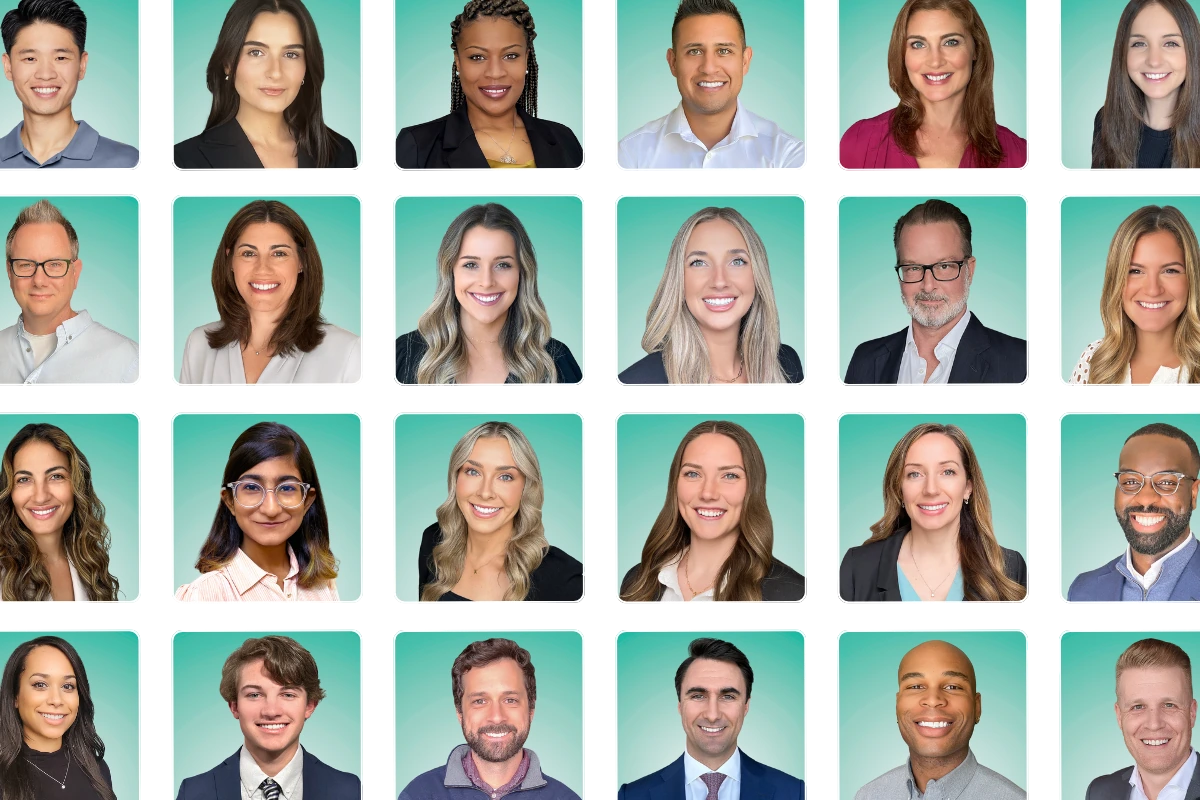
Real photos, real photographer, zero logistics. Capturely delivers consistent, professional headshots to distributed teams—no AI fabrication, no diversity problems, no trust gaps. 10-minute sessions, 24-hour delivery, 98+ backgrounds. See how it works →
When Do AI Headshots Still Make Sense?
This post isn’t arguing that AI headshot tools should disappear. There are contexts where they’re adequate:
- Personal use: Updating a dating profile or a casual social media avatar where nobody will compare the photo to your face in a professional setting
- Internal-only profiles: A Slack avatar or internal wiki photo where the stakes are low and everyone already knows what you look like
- Temporary placeholders: A quick headshot to hold a spot on a new website while real photos are being scheduled
- Creative or stylized content: When the AI-generated nature is intentional and obvious—not trying to pass as a real photograph
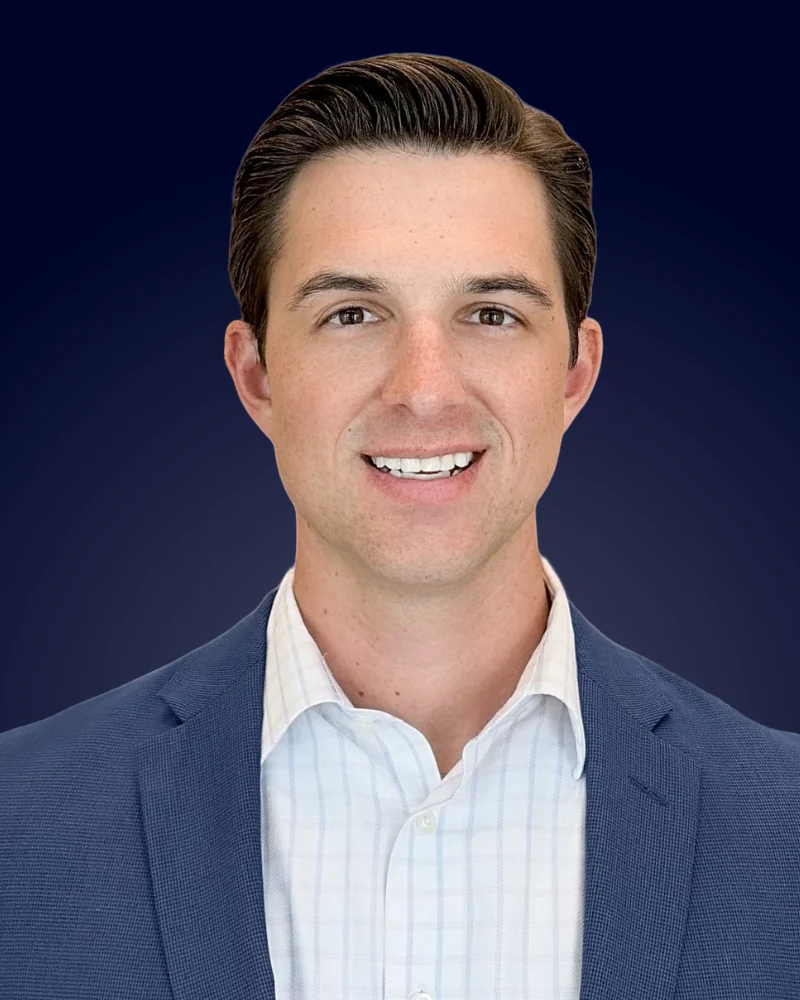
If no one will ever compare your AI headshot to your actual face in a high-stakes context, the risk is minimal. But the moment an image represents your company, your brand, or your professional credibility to an external audience—clients, candidates, investors, patients—the calculus changes. The trust gap, the diversity problem, and the growing legal scrutiny make AI headshots a liability, not a shortcut. For more on where professional headshots matter most, see our guide on professional headshot pricing.
Ready to switch from AI to real? Capturely’s virtual headshot sessions take 10 minutes per person, deliver 3 edited images in 24 hours, and work from anywhere. No app download. Teams save up to 45%. Get an instant quote →
Frequently Asked Questions
Are companies banning AI headshots?
Yes. Greentarget UK formally banned AI-generated images from company assets including websites, press releases, and marketing materials after leadership reviewed the authenticity risks. Financial services, healthcare, and law firms are also prohibiting AI headshots in client-facing materials. The U.S. Department of State warned against AI-altered photographs on government IDs, calling it a national security concern (DCReport, 2025).
Can recruiters tell if you used an AI headshot?
Not reliably. A Ringover survey of 1,087 recruiters found they correctly identified AI headshots only 39.5% of the time—barely better than guessing. However, 66% of recruiters said they would be put off once they learned a headshot was AI-generated, and 88% believe AI headshot use should be disclosed (Tech.co, 2024). The risk is not detection—it is the trust damage when discovery happens in person or on video.
Do AI headshot tools have racial bias?
Multiple peer-reviewed studies confirm significant bias. MIT’s Gender Shades study found facial analysis accuracy dropped from 99%+ for white men to 65.3% for darker-skinned women (MIT, 2018). Bloomberg tested Stable Diffusion and found 80%+ of “inmate” images had the darkest skin tones. An MIT graduate received an AI “professional” headshot with lightened skin and blue eyes. These tools systematically skew toward Eurocentric features.
Are AI headshots legal to use on LinkedIn?
LinkedIn does not explicitly ban AI headshots but requires profile photos to “reflect your likeness.” Photos that don’t comply with community guidelines may be removed. LinkedIn is reportedly developing detection tools for AI-generated content. The bigger risk is professional, not legal: 66% of recruiters view AI headshots negatively once identified, which undermines the career advantage a strong headshot provides.
How much do AI headshots cost compared to real photography?
AI headshot generators charge $29–$69 per person. Virtual headshot sessions with a live photographer (like Capturely) cost $45–$79 per person with teams saving up to 45%. Traditional studio sessions run $150–$450+ per person. The price gap between AI and real virtual photography is $15–$30 per person—a marginal savings that comes with documented risks around trust, diversity, and legal compliance.
What is the best alternative to AI headshots for teams?
Virtual headshot sessions with a live photographer combine the convenience of AI tools (no travel, no coordination, done from home or office) with the authenticity of real photography. Capturely delivers professional headshots through 10-minute phone sessions with a real photographer directing in real time, 3 edited images within 24 hours, and 98+ background options. Companies like Google, Netflix, McKinsey, and Amazon use this approach for distributed teams at scale.