School picture day hasn’t changed in 40 years. A photographer sets up in the gym. Classes rotate through. Each kid gets about 30 seconds — sit down, tilt your head, say cheese, next. Parents get the results two to six weeks later, sight unseen, and hope for the best.
Last updated: March 15, 2026 · Written by Brian Confer, Co-founder & COO at Capturely
Meanwhile, every other photo experience in our lives has changed completely. We see what we’re getting before we buy it. We get it the same day. We have control over the result. Except at school. At school, it’s still 1985.
The system is broken. Not in a “needs minor tweaking” way. In a fundamental, structural, nobody-benefits-except-the-vendor way. Here’s what’s actually happening behind the scenes — and what school photography should look like instead.
How School Picture Day Actually Works (Behind the Scenes)
The 4-6 Hour School Day Disruption
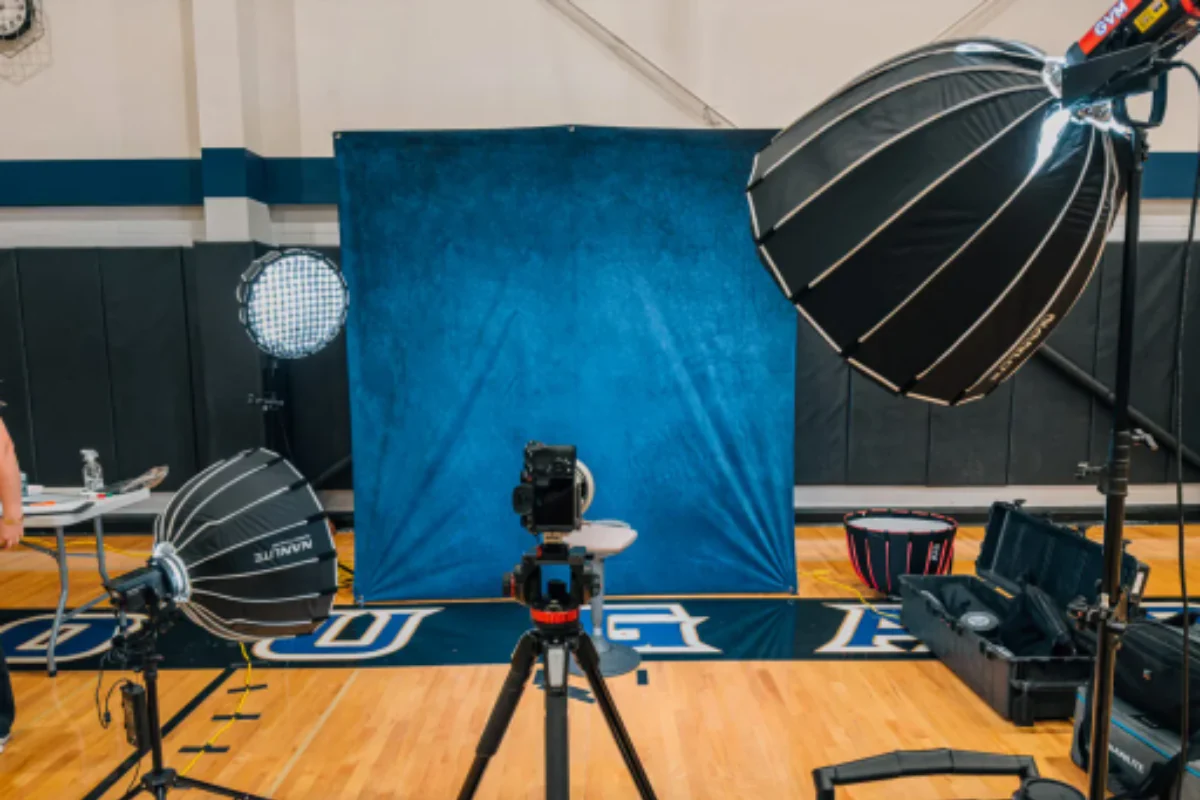
Here’s what picture day really costs a school. A photographer (or two, at larger schools) arrives early to set up backdrops, lighting, and equipment in the gym, cafeteria, or library. That space is now unavailable for the entire day. PE classes? Canceled or relocated. Lunch period? Rescheduled. The library? Closed.
Then classes start rotating through. At the industry-standard pace of 45-60 students per hour, a school of 500 kids needs roughly 8-11 hours of pure shooting time. That’s a full school day, minimum. Every class gets pulled from instruction for 10-15 minutes — and research from EdWeek shows that these kinds of small disruptions can add up to the loss of up to 20 days of instructional time per year. Picture day is one of the biggest single-day disruptions on the calendar.

And it doesn’t end when the photographer leaves. There’s retake day — a second disruption, two to four weeks later, for every kid who was absent, blinked, or came home with a photo that made their parents wince. That’s another round of scheduling, space allocation, and pulled classes.
The Assembly Line Experience Kids Hate
Forty-five to sixty kids per hour means each child gets roughly 30 seconds of actual camera time. Sit down. Tilt your chin. Smile. Click. Next.
There’s no time to make a nervous kindergartner comfortable. No time to coax a genuine smile out of a self-conscious seventh grader. No time to adjust when a kid walks in with toothpaste on their collar. The photographer’s job isn’t to capture your child’s personality — it’s to move the line.
According to the C.S. Mott Children’s Hospital National Poll, 64% of children are self-conscious about at least one aspect of their appearance. Among teens, that number climbs to 73% for girls and 69% for boys. One in five teens actively avoids being in photos because of how they feel about how they look.
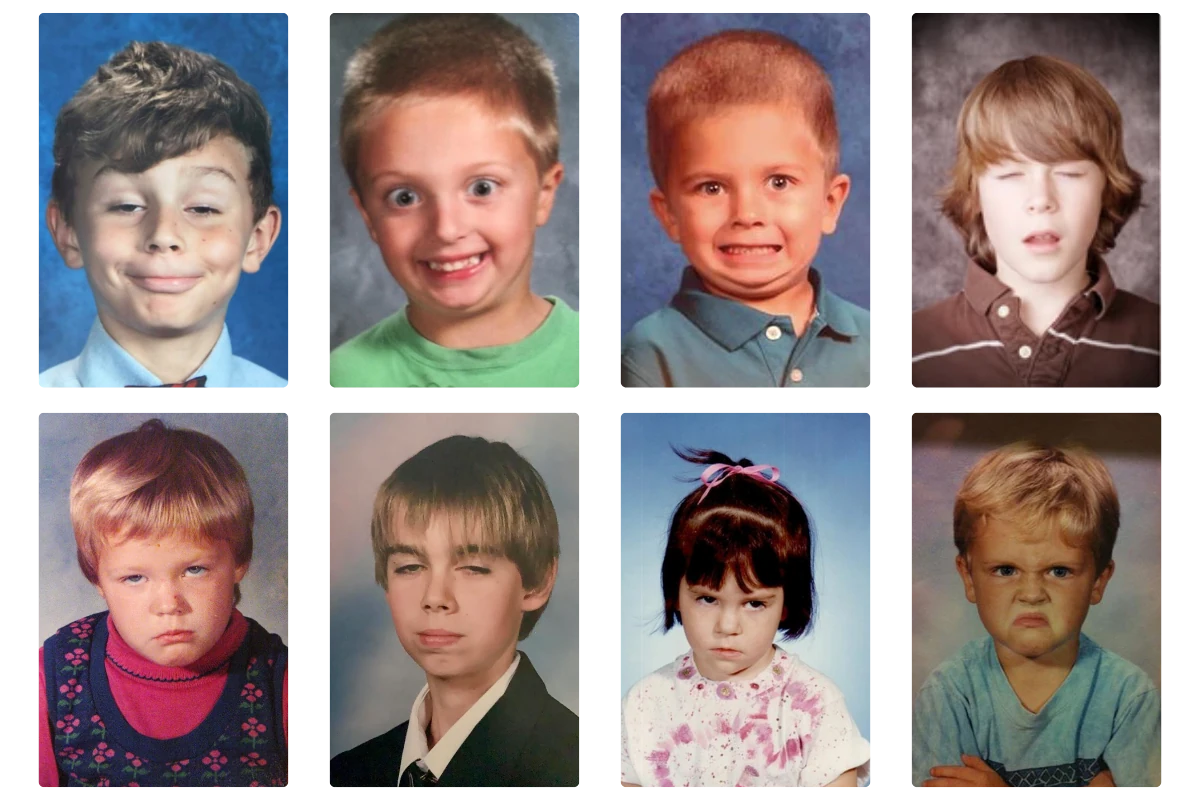
Now put that kid in front of a stranger, under fluorescent lights, in a loud gymnasium, with 30 seconds to produce the smile that’s going in the yearbook. The result is exactly what you’d expect — and exactly what Yelp reviewers of the largest school photography company describe: “Never spend time with you. Just sit you down, turn your head in inhuman ways and take one picture.”
The 2-6 Week Wait Parents Can’t Believe Still Exists
In 2026, 74% of consumers expect delivery within two days of ordering. Same-day delivery is becoming the norm, not the exception.
School photos? Two to six weeks. Paper proofs mailed to the school, distributed by teachers, sent home in backpacks. By the time parents see what the photo actually looks like, picture day is a distant memory. And if they don’t like it, their only option is retake day — another disruption, another roll of the dice.
This isn’t a minor inconvenience. It’s the central design flaw of the entire system. Parents are asked to pay for something they’ve never seen, wait weeks to receive it, and accept whatever the 30-second assembly line produced. No other purchase in modern life works this way.
What if school portraits were delivered in 24 hours — and parents saw the photos before buying? Capturely’s virtual model gives families professional, photographer-directed portraits at home. No gym takeover. No assembly line. See how it works →
What Parents Want (And Aren’t Getting)
Control Over the Photo
Here’s the thing parents won’t say in the carpool line but will say anonymously on every forum, review site, and Facebook group: they hate that picture day is completely out of their hands.
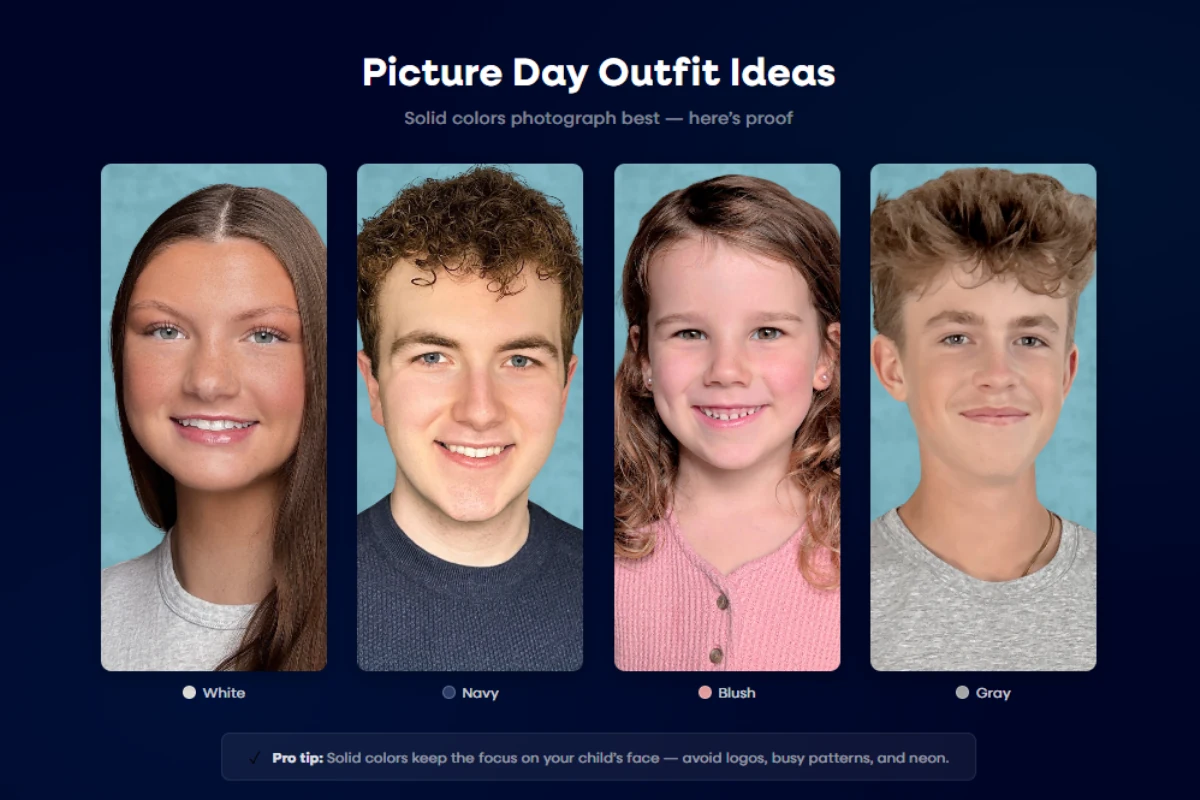
They pick the outfit. They do the hair. They send their kid off looking great. Then a juice box happens at snack time. Or the wind destroys the careful braid. Or their kid decides to make a funny face. And the parent doesn’t find out until the proofs arrive weeks later.
Parents want to be there. They want to see the photo as it’s happening. They want to fix the stray hair, straighten the collar, and make sure their kid actually looks like themselves on a good day — not a deer-in-headlights version taken between math class and recess.
See Before You Buy
This is the number one parent complaint about school photos, and it’s been the number one complaint for decades. The traditional model forces parents to order — and often pay — before they’ve seen a single image.
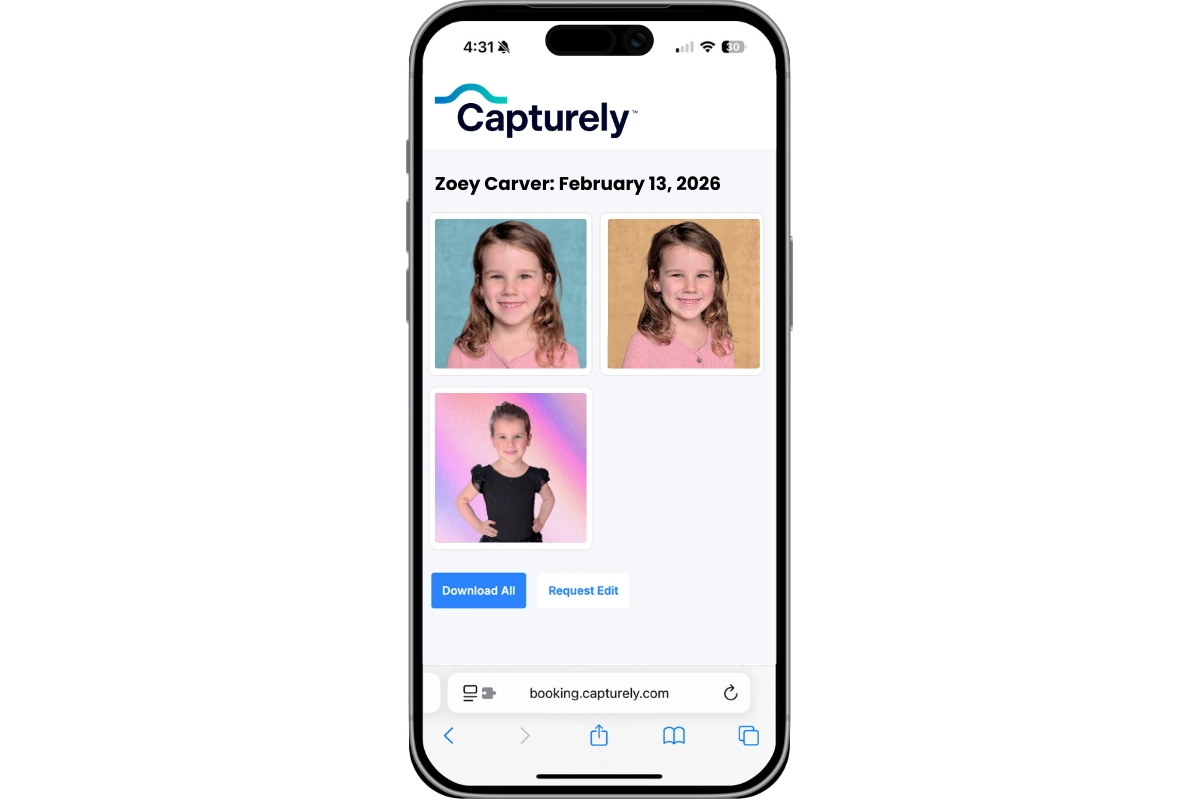
One parent on the DISboards put it bluntly: “This is a business model that really shouldn’t stand the test of time.” Ninety-six percent of parents say they want school photos, according to Consumer Reports. But only about 30% actually buy a package. That gap — between wanting the photos and being willing to pay blind for them — is the biggest revenue leak in the industry. And it’s entirely self-inflicted.
Digital-First, Not Paper-First
Paper order forms. Cash envelopes. Checks made out to a company whose name your kid can’t spell. This is still how most school photography companies collect orders — through children’s backpacks.
Schools hate managing the cash. Teachers hate distributing the forms. Parents hate filling them out. And when the envelope gets lost (it always gets lost), everyone has to start over.
The technology to fix this has existed for a decade. Online ordering platforms, digital delivery, instant galleries on a phone. Some smaller photography companies already do this. But the largest vendors — the ones serving tens of thousands of schools — have been slow to change. Lifetouch only started rolling out same-day digital delivery for the 2025-2026 school year, which tells you how far behind the industry has been.
Photos That Actually Look Like Their Kid
The 30-second assembly line doesn’t just produce bad photos. It produces photos that don’t look like the actual child. The lighting is harsh. The background is generic. The expression is forced. The result is a version of your kid that nobody recognizes — not the teacher, not the grandparents, and definitely not the kid themselves.

Research on genuine versus forced smiles backs this up. A study in Psychological Science found that people with genuine Duchenne smiles — the ones that crinkle the eyes — are perceived as significantly more trustworthy and likeable. First impressions from faces form in as little as 100 milliseconds. The smile in your child’s school photo matters more than you think, and “say cheese” doesn’t produce the right kind.
Parents want photos where their kid looks comfortable, natural, and like themselves. That requires more than 30 seconds and a generic backdrop.
What Schools Want (And Aren’t Getting)
Zero Administrative Burden
Ask any principal what they think about picture day and you’ll hear some version of “it’s a headache.” Freed Photography, a school photography company, put it plainly: “Most school teachers and administrators dread picture day because photographing an entire school full of wiggly, wind-blown youngsters is not only disruptive to the academic schedule, but the results of that lost day seem to become more and more disappointing every year.”

Here’s the admin load behind picture day: reserve the space, build the class rotation schedule, coordinate with every teacher, recruit parent volunteers, distribute order forms, collect money, field parent questions, manage the photographer, handle complaints, coordinate retake day, distribute photo packages, and deal with the fallout when packages are wrong, late, or missing. All for something that is not part of the school’s educational mission.
Principals already spend 31% of their week on administrative tasks. More than half work 60+ hours a week. Picture day shouldn’t be one more thing on the pile.
Higher Participation With Less Hassle
Schools earn commissions on photo sales — typically 15-30% of gross revenue. For a 500-student school, that’s somewhere between $500 and $2,600 per year. Not nothing. But not much, especially considering the operational cost of hosting picture day.
The math is straightforward: higher parent participation means more commission. And right now, only about 30% of parents buy packages. That means 70% of families — the majority — generate zero revenue for the school. Not because they don’t want photos. Because they don’t want to buy something they’ve never seen.
A model that lets parents preview photos before purchasing could convert a meaningful chunk of those non-buyers. Higher participation at a lower friction point beats high-pressure sales to a shrinking minority.
Technology That Integrates
Schools run on PowerSchool, Infinite Campus, Skyward, and a dozen other student information systems. Yearbook teams use Jostens, Walsworth, Treering. Communication goes through ParentSquare, Remind, ClassDojo.
Most school photography companies don’t connect to any of these systems. The school manually provides student rosters. The photographer manually matches photos to names. The yearbook advisor manually requests digital files in the right format. Every handoff is a potential error, delay, or lost photo.
Modern school photography should plug into the tools schools already use — pull rosters automatically, export yearbook-formatted portraits directly, and distribute session links through existing communication channels. Zero new software for the school to learn.
A Vendor They Can Trust
The February 2026 wave of contract cancellations across multiple states made one thing clear: parents care about who has access to their children’s data. Photography vendors collect student names, grades, teacher assignments, and photos — all of which are education records under FERPA.
Schools want independent, transparent vendors with clear data practices. Founder-led companies, not private-equity-owned conglomerates. Vendors whose photographers are accountable and whose privacy policies are more than a checkbox. If your school is evaluating options, our guide to the best school photography companies breaks down what to look for — and here’s why so many districts are switching vendors in 2026.
Looking for a school photography partner you can trust? Capturely is independent, founder-led, and trusted by Google, Netflix, and McKinsey. Our photographers are never physically with students — sessions happen virtually through the family’s own phone. Learn about Capturely for schools →
What the Future of School Photography Looks Like
The problems with picture day aren’t fixable with better scheduling or fancier backdrops. The entire model — photographer goes to school, kids line up, parents wait weeks — is the problem. Here’s what the replacement looks like.
Portraits Taken at Home, on the Family’s Schedule
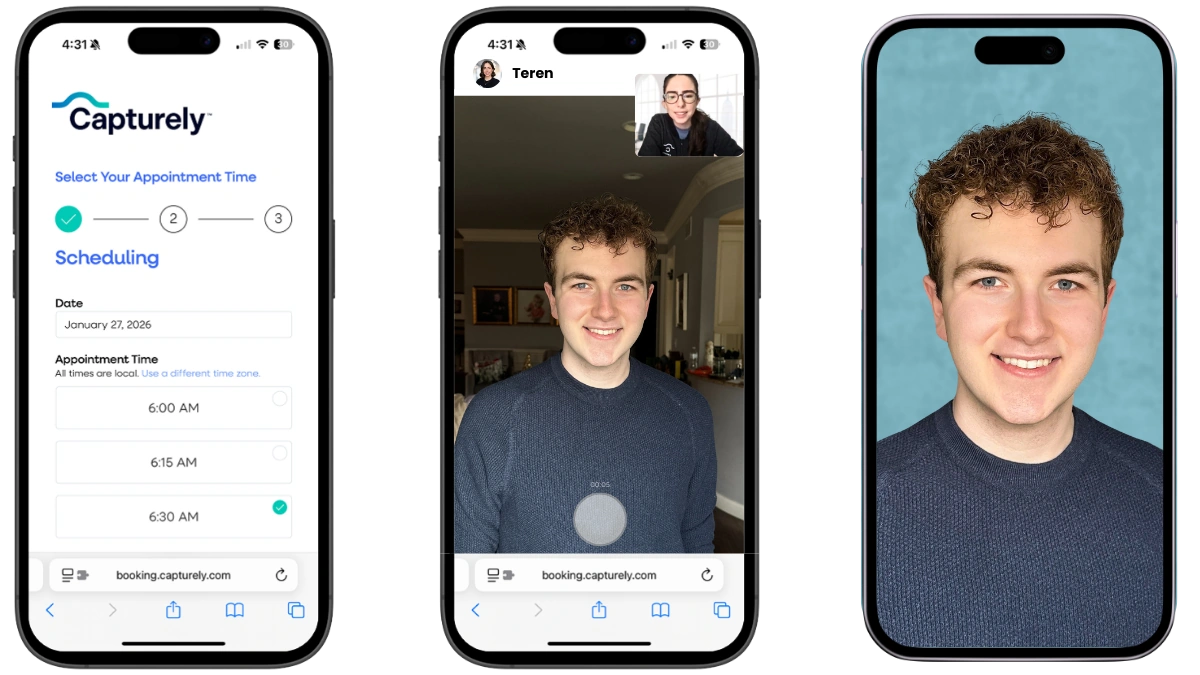
Instead of one chaotic day at school, families photograph at home during a two-to-three-week window. The school distributes a session link — the same way they’d send any other notification. Parents open the link on their phone, pick a time that works (evenings and weekends included), and do the session from their living room, backyard, or wherever they’re most comfortable.
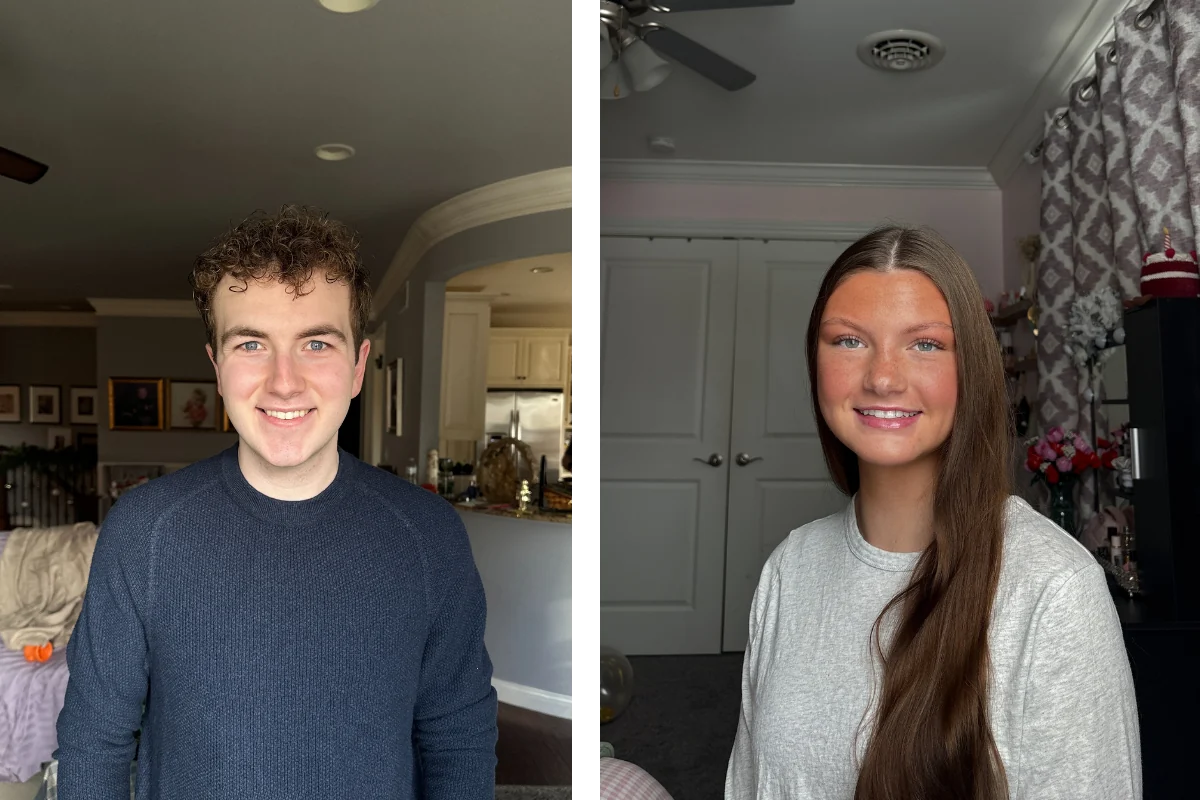
No bad hair days. No juice box disasters. No rushing to school with a wrinkled shirt. Parents control the environment — which means the hair is done, the clothes are clean, and the kid is in a space where they feel comfortable. That alone produces dramatically better photos.
Professional Photographer Direction (Not DIY, Not Assembly Line)
This isn’t a selfie. The session runs on the phone’s rear camera — 36 to 48 megapixels, not the lower-resolution front-facing camera. A live professional photographer appears on screen (think FaceTime) and directs the entire session: posture, angles, expression, timing. They coach smiles with real prompts, not “say cheese.” They catch the stray hair and the crooked collar. They know how to put a camera-shy kid at ease.
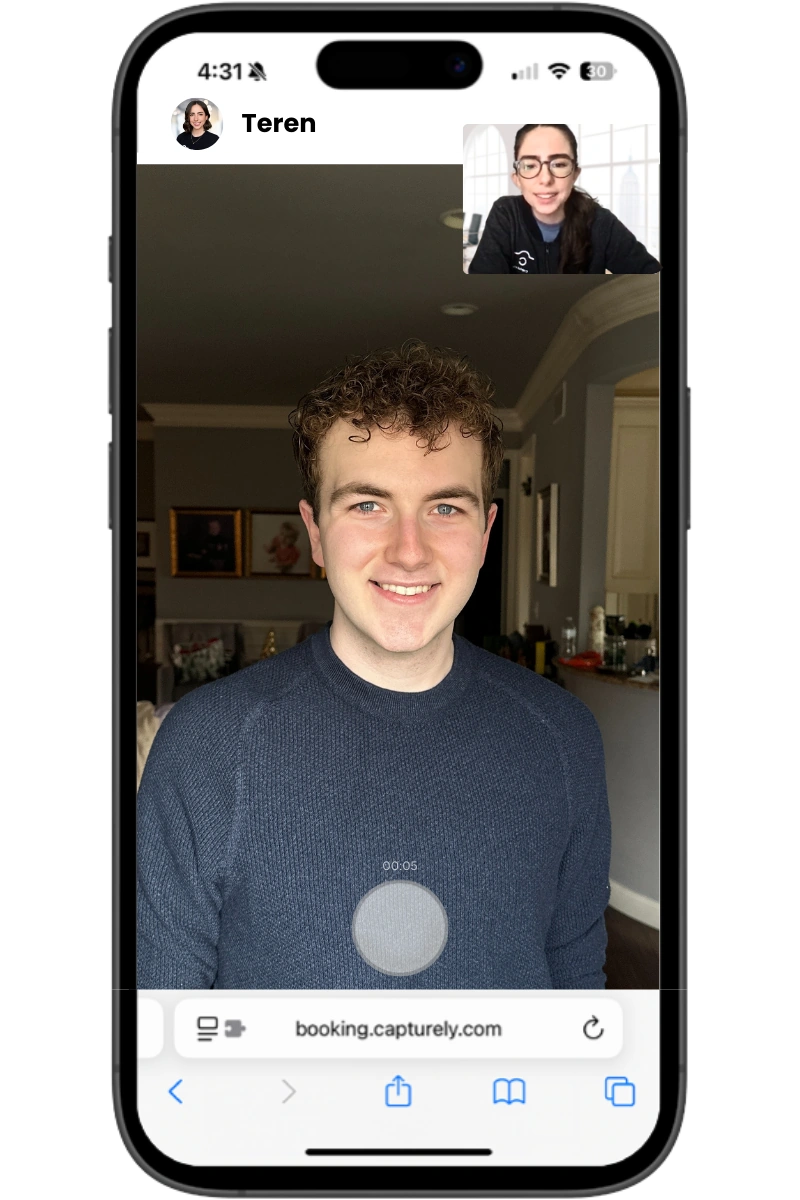
The whole thing takes about 10 minutes. Kids can change outfits. They can try a silly face or a serious look. Multiple expressions, multiple angles — not the single click they’d get at school. Capturely’s photographers have directed more than 100,000 sessions this way for companies like Google, Netflix, McKinsey, Amazon, and AT&T. The same quality and direction, adapted for kids.
24-Hour Digital Delivery
Three professionally retouched portraits, delivered to the parent’s phone within 24 hours. Not three weeks. Not six weeks. The next day.
Professional human retouching — color correction, blemish removal, background cleanup — not an AI filter. The images look studio-grade because a trained retoucher handles every one.
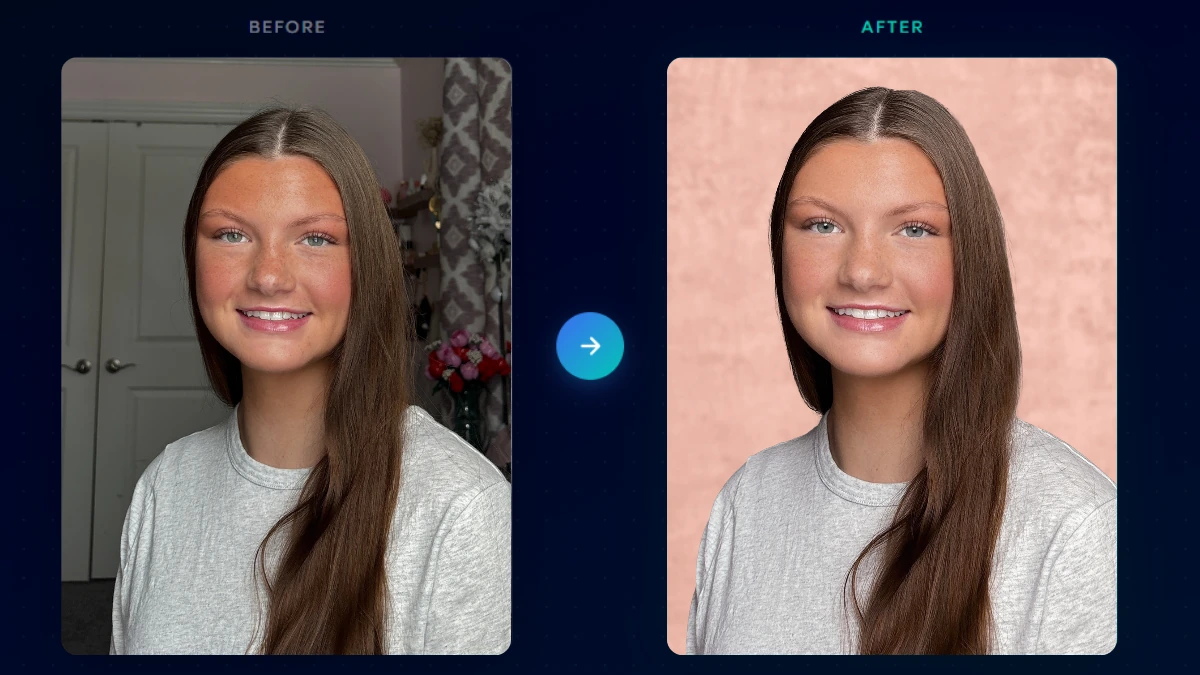
Online Ordering — See the Photos First, Then Decide
Parents browse their child’s gallery online. They see the actual photos — not a sample, not a proof sheet, the real images — and then decide what to order. Prints, digital downloads, packages, or nothing at all. No pressure. No paper forms. No cash envelopes.
This “see before you buy” model doesn’t just make parents happier — it makes the economics better for schools. When parents can see what they’re getting, more of them buy. That 30% purchase rate? It can grow significantly when the friction of blind ordering disappears. More participation at a fair price means more commission revenue for the school with none of the administrative overhead.
The School That Tried Something Different
Imagine an elementary school of 400 students. Under the traditional model, picture day burns an entire school day. The gym is unavailable. Six hours of classes are disrupted. Thirty percent of parents order packages, generating a few thousand dollars in commission. The rest of the parents either forget to send back the order form or decide the photo isn’t worth the price sight-unseen.
Now imagine the same school sends home a session link instead. Over the next two weeks, families schedule 10-minute sessions at their convenience. Parents are present for every photo. The photographer directs each child individually — real poses, real coaching, genuine smiles. Photos are delivered to parents’ phones in 24 hours.
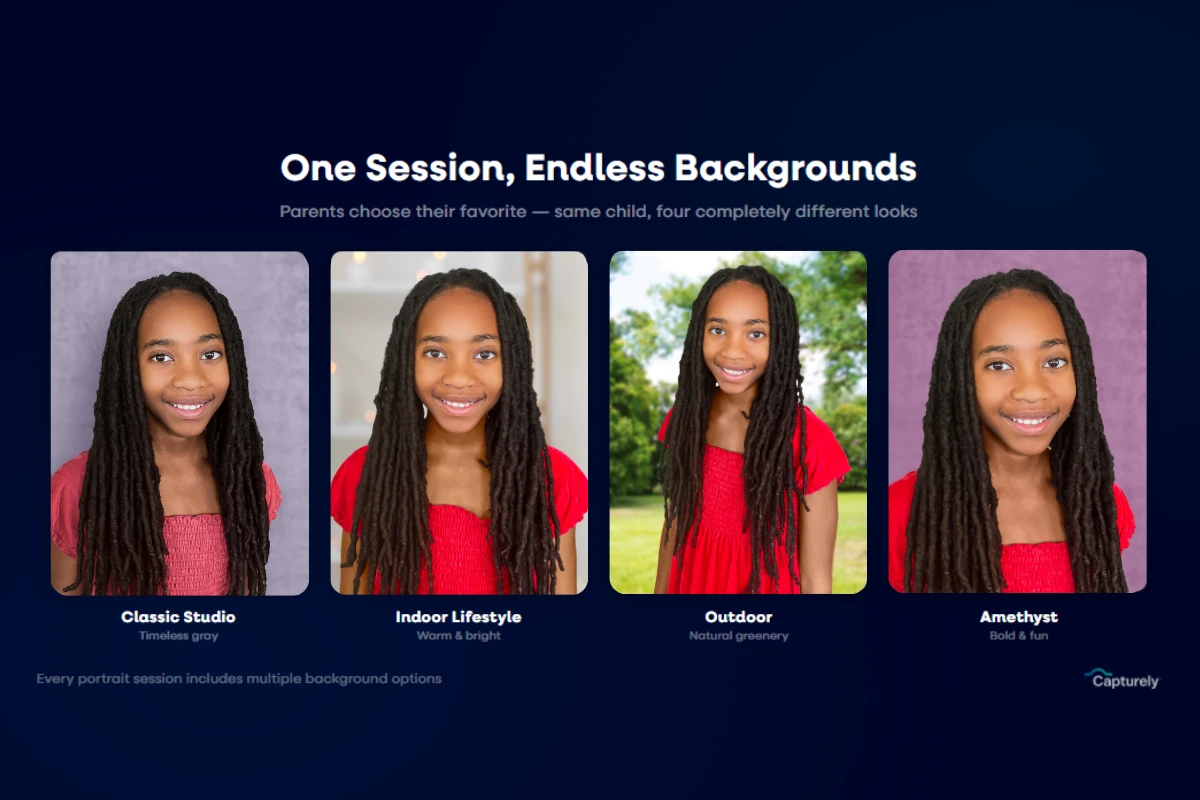
The school admin’s involvement? Sending the link. That’s it. No space reservation, no schedule juggling, no volunteer coordination, no paper forms, no cash handling. The admin dashboard shows which families have scheduled, which have completed sessions, and what commission is accruing — all in one login.
The difference isn’t incremental. It’s structural. Zero disrupted school days. Parents who actually like the photos. Higher participation. More commission. Less work for everyone.
This isn’t hypothetical. This is how Capturely already works — delivering over 100,000 photographer-directed portraits for organizations nationwide. The platform that serves Fortune 500 companies works the same way for a first grader in their living room. The school gets professional portraits without sacrificing a single minute of class time.
Ready to see what school portraits look like without picture day? Capturely eliminates the gym takeover, the assembly line, and the weeks of waiting. Professional portraits, at home, delivered in 24 hours. Request a free demo for your school →
Frequently Asked Questions
Why is picture day so stressful for schools?
Picture day requires schools to block a major space (gym, cafeteria, or library) for an entire day, pull every class from instruction for 10-15 minutes, manage paper order forms and cash collection, coordinate parent volunteers, and then repeat the process for retake day. For a 500-student school, the photography itself takes 8-11 hours. It’s one of the biggest single-day operational disruptions on the school calendar — for something that isn’t part of the educational mission.
Can school photos be taken at home?
Yes. Virtual school photography platforms now let families take professional school portraits at home. The school distributes a session link, parents open it on their phone, and a live professional photographer directs the session through the phone’s rear camera — coaching posture, expression, and framing in real time. Photos are professionally retouched and delivered within 24 hours. Parents are present and in control of the environment. Here’s how virtual school photography works step by step.
How does virtual school photography work?
The school sends families a session link. Parents schedule a 10-minute session during a flexible window (evenings and weekends available). At the scheduled time, the parent opens the link on their phone. A live professional photographer appears on screen and directs the session — same as FaceTime, but the phone uses the rear camera (36-48 megapixels) for high-resolution capture. The photographer coaches the child through multiple poses and expressions. Three retouched portraits are delivered within 24 hours. Parents browse the gallery online and order prints, digital downloads, or packages — only after seeing the actual photos.
Do at-home school photos work for yearbooks?
Yes. Virtual photography platforms like Capturely export hi-res, properly formatted student portraits directly to yearbook systems including Jostens, Walsworth, Entourage, and Treering. Automatic data matching by student ID ensures every portrait reaches the right yearbook page. The quality exceeds most traditional school photos because each portrait is individually directed and professionally retouched — not a 30-second assembly-line capture.
What happens to picture day if we switch to at-home portraits?
Picture day at school disappears entirely — and nothing replaces it on the school calendar. No gym blocked. No classes pulled. No schedule disruption. No volunteers needed. Families photograph at home during a two-to-three-week window set by the school. The school’s only task is distributing the session link through existing communication channels (email, app, ParentSquare, Remind). Everything else — scheduling, photography, retouching, galleries, ordering, fulfillment, and commission tracking — is handled by the platform.
How do parents schedule at-home school photos?
Parents receive a session link from the school (via email, text, or school communication app). They click the link and choose from available time slots, including evenings and weekends. At the scheduled time, they open the link on their phone and connect with a professional photographer who directs the 10-minute session. No app download is required. Sessions happen whenever works for the family — no more crossing fingers that your child has a good day on the one day picture day falls.