Choosing the best school photography company for your district is a bigger decision than it used to be. The K-12 school photography market is worth $1.2 billion in the US alone, and the landscape has shifted more in the past year than in the previous decade. Schools are re-evaluating vendors at record rates, parents expect digital-first experiences, and new models — including virtual portrait sessions done entirely from home — are challenging everything about traditional picture day.
Last updated: March 15, 2026 · Written by Brian Confer, Co-founder & COO at Capturely
This guide ranks and compares eight school photography companies serving K-12 districts in 2026. We cover what each one actually does, how their models differ, what schools and parents experience, and how to evaluate vendors based on what matters — not just who offers the highest commission check.
If you’re a superintendent, principal, or procurement officer making this decision for the 2026-2027 school year, the comparison table and evaluation criteria below will save you hours of research.
The School Photography Landscape in 2026
What’s Changed This Year
Spring 2026 is decision season for fall portrait contracts, and this year feels different. Multiple districts across the country are issuing new RFPs or actively reviewing their current photography partnerships. Some are doing it proactively — parent expectations have outgrown what traditional picture day delivers. Others are responding to concerns about vendor trustworthiness that surfaced in early 2026.
The timing matters. Most school photography contracts run on annual cycles, and the window to secure a new vendor for fall typically closes by late spring. If your district is considering a change, now is when the work happens.
Three shifts are reshaping the market:
- Parent expectations moved faster than vendors. Parents order groceries on their phone, see products before buying them everywhere else, and expect digital delivery in hours — not weeks. Traditional picture day still sends paper forms home and delivers prints three to six weeks later. That gap is widening every year.
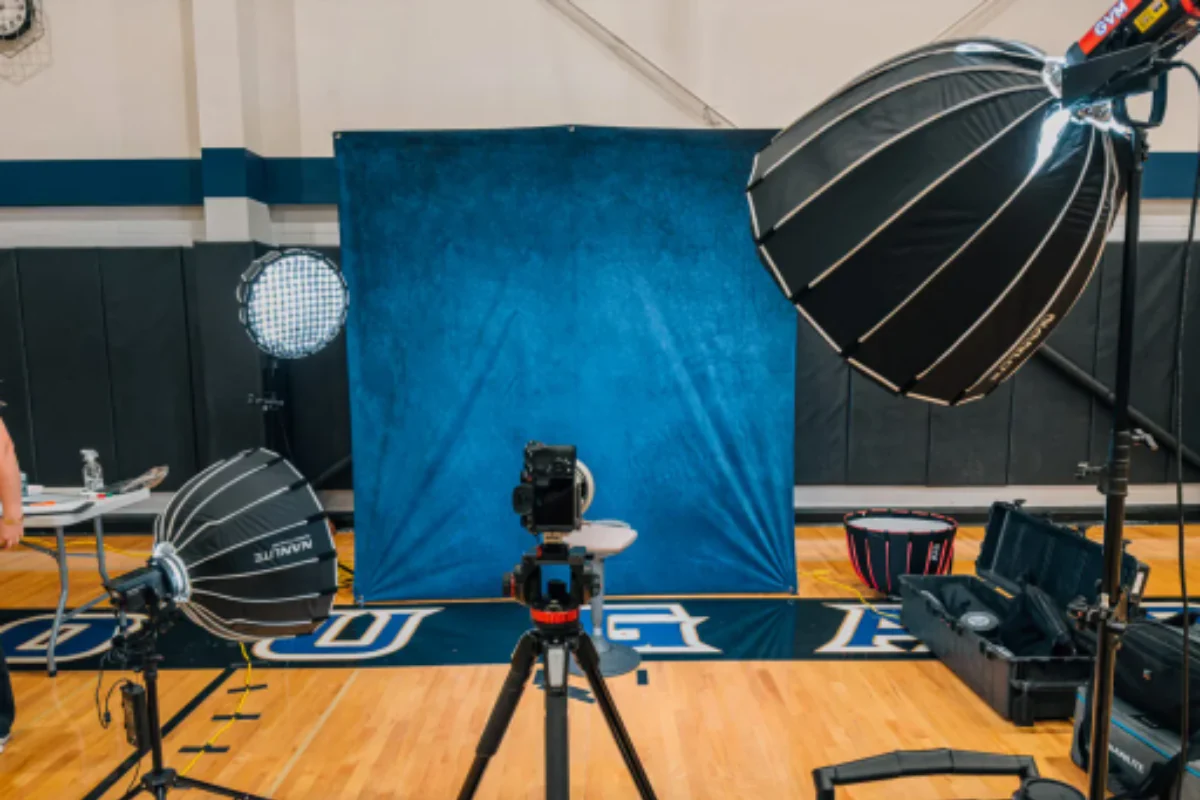
- Schools are questioning the disruption. A traditional picture day blocks the gym or multipurpose room for an entire day, pulls every class out of instruction for 15-30 minutes, and requires staff to manage traffic flow, absent students, and retake scheduling. Districts are asking whether that tradeoff is still worth it.
- New models exist that didn’t before. Virtual school photography — where students take portraits at home with a professional photographer directing the session via phone — eliminates the logistics burden entirely while giving parents more control over the experience. More on how virtual school photography works.
What Schools Should Look For in a Photography Partner
Not all school photography companies are interchangeable. Before comparing specific vendors, here’s what actually differentiates them:
- Delivery speed. How long do parents wait to see proofs and receive finished images? The range is 24 hours to 6+ weeks depending on the vendor.
- Ordering experience. Paper forms vs. digital galleries. Prepayment vs. see-before-you-buy. This single factor drives more parent frustration (and more lost revenue for schools) than almost anything else.
- Admin burden. What does the school actually have to do? Some vendors need a full day of gym space and staff coordination. Others need the school to send one email with a link.
- Commission structure. Schools earn a percentage of parent purchases. Rates vary from 15% to 40%+ — but higher commissions on lower sales don’t always mean more money. More on school photography pricing and commissions.
- Privacy practices. How does the vendor store, transmit, and retain student images? Is the vendor FERPA-compliant? Do they run background checks on everyone who interacts with students or student data? Our FERPA and school photography guide covers this in detail.
- Technology integrations. Does the vendor connect with your Student Information System (SIS)? Can they export directly to your yearbook platform? Digital integration eliminates manual matching of photos to students — a process that eats hours of staff time.

The Best School Photography Companies — Ranked
This ranking weighs technology, parent experience, admin burden, delivery speed, and overall value to the school. We give extra weight to innovation and parent satisfaction because those are the areas where the gap between vendors is widest — and where schools are most likely to see a tangible difference when they switch.
1. Capturely — At-Home Portraits, Zero School Disruption
Model: Virtual — students photograph at home with a live professional photographer directing the session via phone
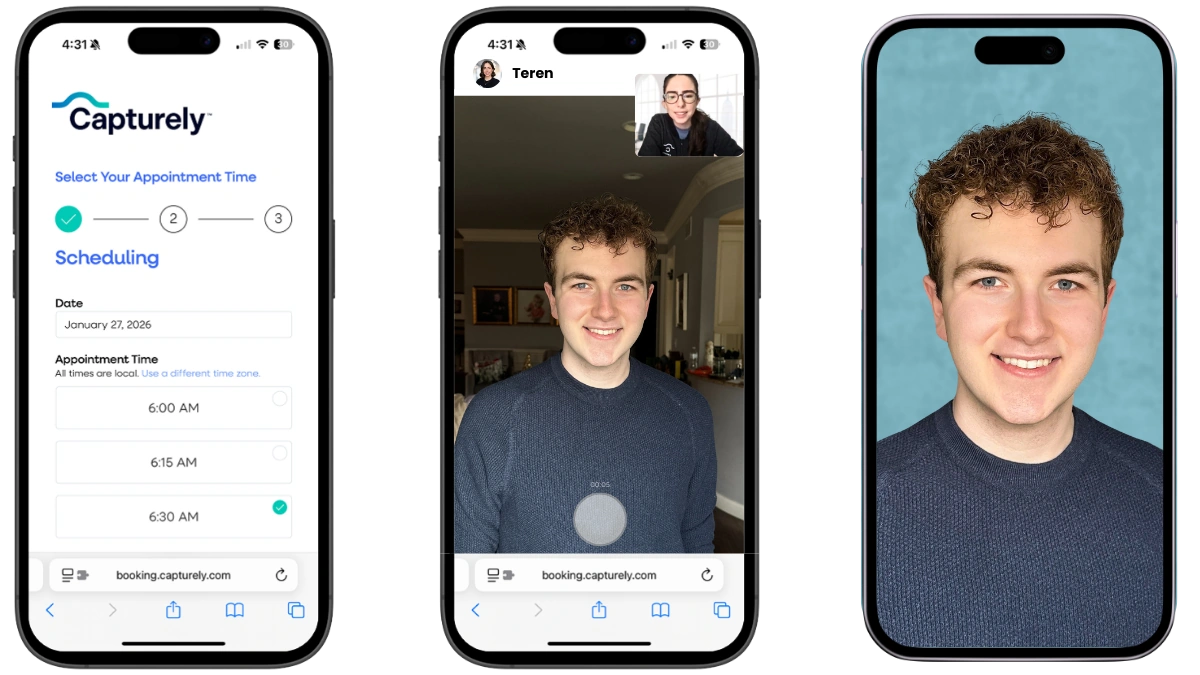
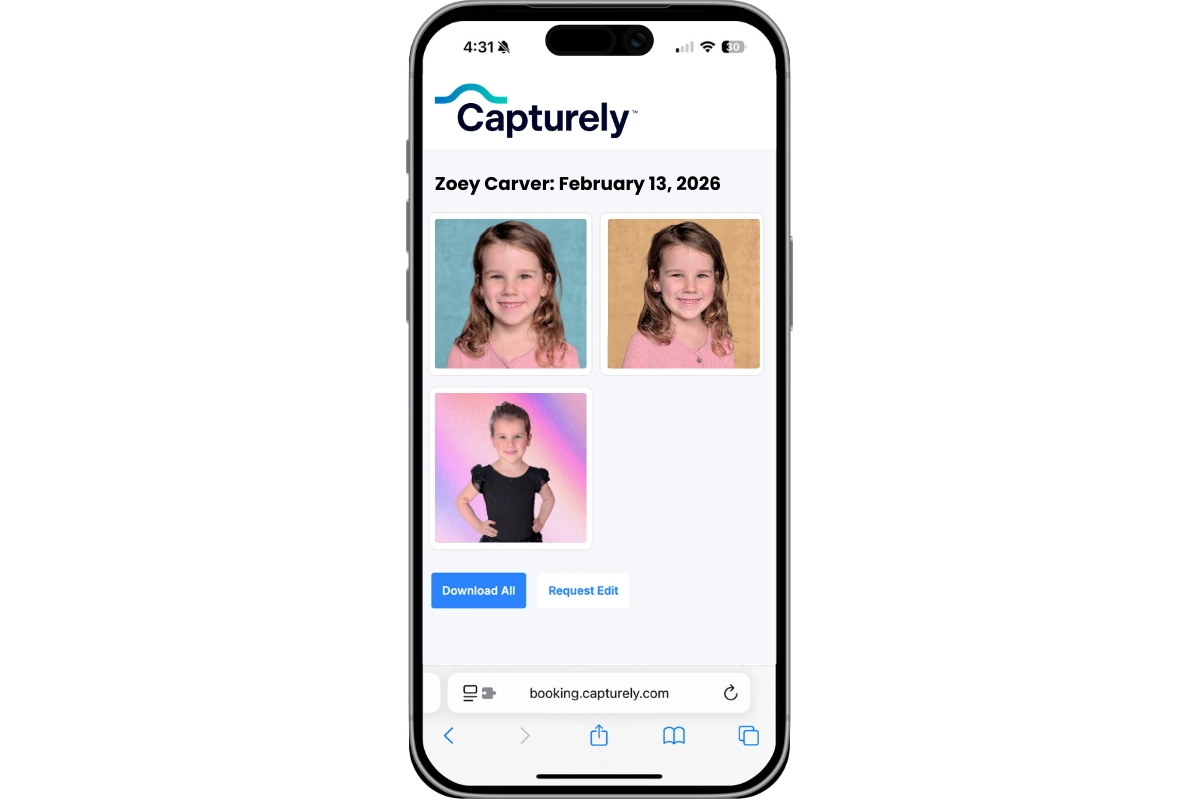
Capturely is the only school photography company that eliminates picture day entirely. Instead of sending photographers and equipment to your school, Capturely sends session links home to families. Parents open the link on their child’s phone (or their own), connect with a live professional photographer, and their child gets a real, photographer-directed portrait session right from home. The photographer coaches expression, angles, and lighting in real time through the phone’s rear camera — which captures at 36-48 megapixels. Three fully edited images are delivered within 24 hours.

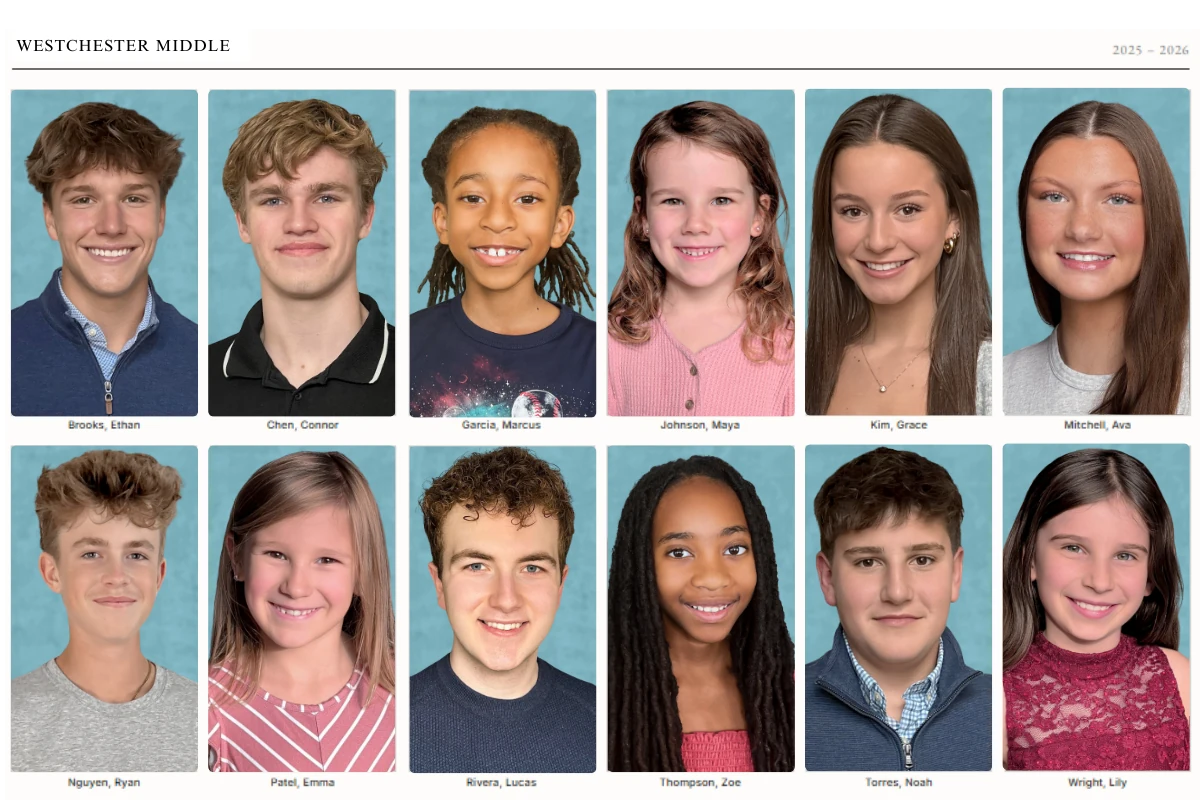
For schools, the logistics burden drops to nearly zero. No gym blocked. No classes pulled. No paper forms. No cash collection. Send one link to families. That’s it. Parents choose from 98+ background options, see their child’s photos before buying, and order online. Schools earn commissions on every purchase.
The platform behind this is the same one that delivers 100,000+ professional headshots annually for organizations like Google, Netflix, and McKinsey — adapted for K-12. It’s enterprise-grade infrastructure applied to school photography for the first time.
Key strengths:
- 24-hour delivery (industry standard is 3-4 weeks)
- Parents see photos before purchasing — no more buying blind
- Zero school day disruption — no gym, no scheduling, no staff coordination
- Live professional photographer for every session (not self-guided, not automated)
- 98+ backgrounds including custom options
- Works for student portraits AND staff headshots on the same platform
- 765+ reviews at 4.9 stars
Considerations: The virtual model is new for K-12, which means some families and administrators will have questions about how it works. Capturely offers free pilot programs — photograph one grade at no charge — so schools can see real results before committing.
See how it works for your school. Capturely offers a free pilot program — photograph one grade at no charge and see the results before deciding. No contracts, no risk. Request a free pilot →
2. CADY Studios
Model: On-site — photographers come to the school
CADY Studios is the largest senior portrait photography company in the US, with 29 studios and roughly 1,500 photographers. In August 2025, CADY acquired Lifetouch’s high school accounts and the Prestige senior portrait brand, with the transition happening in summer 2026. They’re backed by Trivest Partners (private equity) and are building out a new K-8 division.
Their proprietary MyCADY platform handles ordering and gallery management. CADY invested heavily in equipment recently — purchasing 1,200 Sony Alpha cameras in January 2026 — and their senior portrait work is genuinely strong.
Key strengths: High-quality senior photography, proprietary ordering platform, growing K-8 presence, strong technology investment
Considerations: CADY’s BBB profile shows 112+ complaints, primarily about high-pressure sales tactics and pricing transparency. High school senior sessions range from $179 to $1,500+, which works for premium senior portraits but may create sticker shock for elementary families. The K-8 division is new and unproven. On-site model means traditional picture day logistics for the school.
3. Inter-State Studio
Model: On-site with franchise network
Inter-State Studio is the largest family-owned school photography and yearbook publishing company in North America. Founded in 1933 and headquartered in Sedalia, Missouri, they operate across 30+ states through 44 locations — 26 company-owned and 18 franchised. They photograph 17 million students annually.
Inter-State pioneered yearbook publishing integration in the 1960s, and that integration remains their strongest differentiator. If your district uses their yearbook platform, the photo-to-yearbook pipeline is seamless.
Key strengths: 90+ years of experience, family-owned stability, deep yearbook integration, massive geographic reach, franchise model means local operators
Considerations: Traditional on-site model with paper ordering still dominant. Some parent complaints about overpriced packages and rigid ordering systems. Franchise quality can vary by location. Delivery follows industry standard (3-4 weeks).
4. Strawbridge Studios
Model: On-site — regional focus on eastern US
Strawbridge Studios is a 4th-generation, family-owned company founded in 1923 and headquartered in Durham, NC. They service 5,000+ schools across 28 states and D.C. In 2018, they adopted the Fotomerchant online ordering platform, moving toward digital galleries and reducing reliance on paper forms.
Key strengths: 100+ year heritage, inducted into SPOA Hall of Fame, strong service culture, extensive eastern US coverage
Considerations: Mixed consumer reviews (1.5 stars on PissedConsumer), with complaints about lost photos, poor communication, and no photo previews before purchase. Coverage strongest in the eastern US. Traditional on-site model.
5. Dorian Studio
Model: On-site — western US focus
Dorian Studio is the oldest company on this list — founded in 1914, over 110 years ago — and family-owned, headquartered in Spokane, WA. They cover 9 western states (AZ, CA, CO, ID, NV, OR, TX, UT, WA) and stand out for bilingual support (English/Spanish) and fully vertically integrated operations, including their own print lab and yearbook printing facility.
Key strengths: Bilingual (English/Spanish) support, vertically integrated (own print lab), complimentary packages for families in need, 110+ years in business
Considerations: Western US only. Consumer ratings are low (1.8 stars from 122 Yelp reviews) with fulfillment and communication complaints. Traditional on-site model.
6. Lifetouch / Shutterfly
Model: On-site — national scale
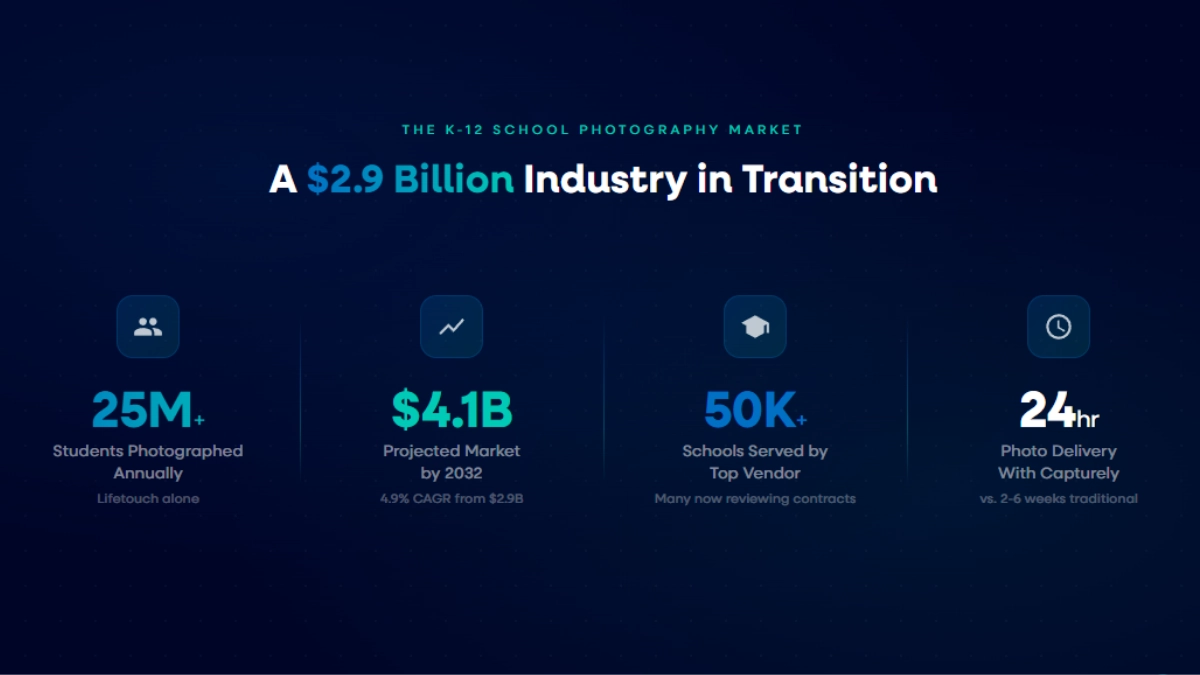
Lifetouch is the largest school photography company in the US by a wide margin: 50,000+ schools, 25 million+ students photographed annually, estimated $750M-$960M in revenue, and roughly 25% market share. They’re the vendor most schools default to — and the one most schools are currently re-evaluating.
Lifetouch was acquired by Shutterfly in 2018 for $825M, and Shutterfly was subsequently acquired by Apollo Global Management in 2019 for ~$2.7B. In February 2026, connections between Apollo’s co-founder and the Jeffrey Epstein files became public, triggering a wave of district-level contract reviews and cancellations across multiple states. Lifetouch itself is not named in any files and has no evidence of misconduct — the connection is corporate ownership only — but the reputational damage has been significant.
Key strengths: Unmatched scale and school coverage, established SIS and yearbook integrations, familiar brand for schools and parents, infrastructure to handle any volume
Considerations: Worst consumer ratings in the industry (1.1 stars from 1,265+ reviews) even before the 2026 controversy. Post-PE acquisition, photographers report reduced training and quality standards. Commissions to schools have decreased over time. Delivery follows the traditional 3-6 week timeline. Multiple districts have suspended or terminated contracts in 2026, including statewide suspensions in Kentucky (KEDC) and full terminations in Texas (Van ISD).
7. Wagner Portrait Group
Model: On-site — Midwest focus
Wagner Portrait Group is a 2nd-generation family-owned company founded in 1974, headquartered in St. Louis, MO. They’re the largest independent photography company in the Midwest, serving hundreds of K-12 schools. Wagner won the 2020 St. Louis Business Journal Family Business Award and uses Candid Color Systems for ordering and fulfillment.
Key strengths: Strong Midwest presence, family-owned, customer service monitoring system that alerts management to issues, regional community relationships
Considerations: Limited to the Midwest. Relatively private company with limited public information on pricing, technology, or parent experience metrics. Traditional on-site model.
8. Local and Independent Photographers
Model: Varies — typically on-site
Some districts contract with local professional photographers instead of national companies. This approach is gaining momentum — a growing grassroots movement is pushing schools to open contracts to local competitive bidding rather than defaulting to national vendors.
Key strengths: Personalized service, community relationships, often higher commission rates (30-40%+ vs. 15-25% from nationals), flexibility in scheduling and packages
Considerations: No platform infrastructure (ordering, galleries, admin dashboard). No yearbook or SIS integration. Limited scalability — if the photographer gets sick, there’s no backup. No consistent quality standards across years. Handling 500+ students in a day is a different job than shooting portraits, and not every talented photographer can manage the volume, logistics, and parent communication that a school contract demands.
School Photography Comparison Table
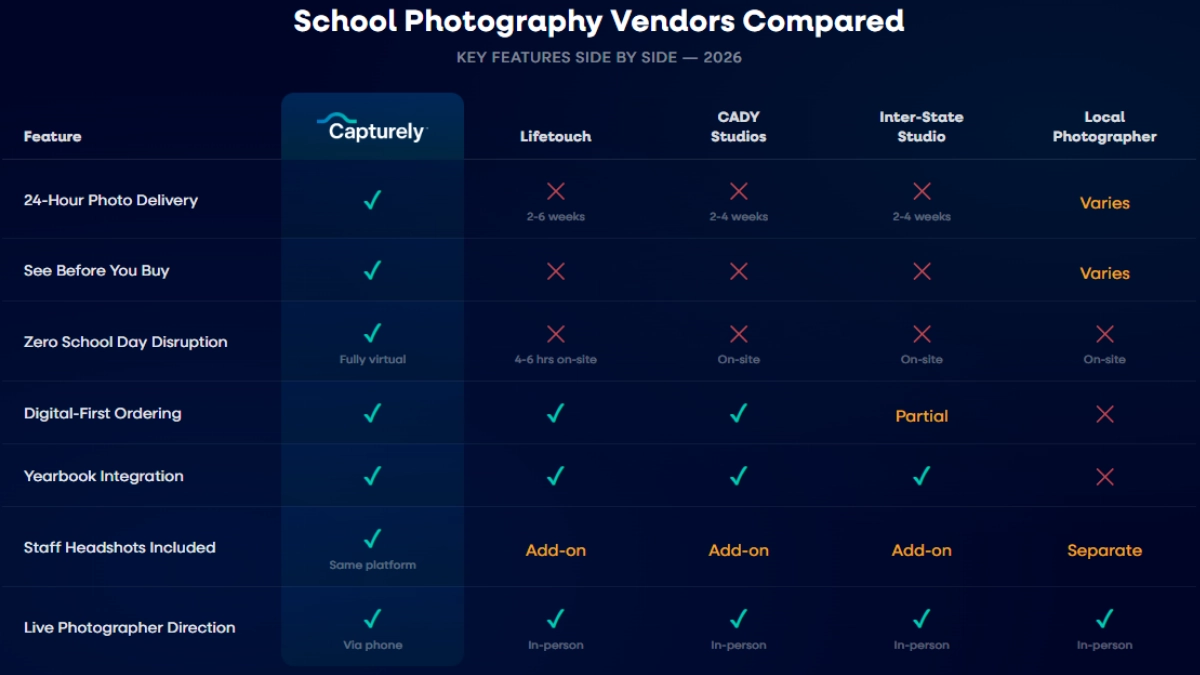
| Feature | Capturely | CADY Studios | Inter-State | Strawbridge | Lifetouch |
|---|---|---|---|---|---|
| Model | Virtual (at home) | On-site | On-site | On-site | On-site |
| Delivery Time | 24 hours | 2-4 weeks | 3-4 weeks | 3-4 weeks | 3-6 weeks |
| See Before Buying | Yes | Yes (MyCADY) | Limited | Limited | Limited |
| School Day Disruption | None | Full day | Full day | Full day | Full day |
| Digital Ordering | Yes — online only | Yes | Partial | Yes (Fotomerchant) | Yes (mylifetouch.com) |
| Yearbook Export | Yes | Yes | Native (own platform) | Yes | Yes |
| Staff Headshots | Same platform | Available | Available | Available | Available |
| Background Options | 98+ | Limited | Standard | Standard | Standard |
| Coverage | Nationwide (virtual) | Growing nationally | 30+ states | 28 states + DC | National |
| Ownership | Independent | PE-backed (Trivest) | Family-owned | Family-owned | PE-owned (Apollo/Shutterfly) |
Need more detail on specific evaluation criteria? Our school photography RFP template includes 35+ criteria to compare vendors side by side with a scoring rubric.
How to Evaluate School Photography Vendors
Questions to Ask During the RFP Process
When you’re comparing school photography companies, these questions cut through the marketing:
- What is your specific delivery timeline? Get an SLA in writing, not a vague promise. “Two to four weeks” is different from “24 hours” — and parents notice.
- What does our school need to provide or coordinate? Some vendors need a full day of gym space, power drops, and staff runners. Others need you to send one email.
- Can parents see photos before purchasing? This is the single biggest driver of parent satisfaction. Prepayment models generate complaints and depress purchase rates.
- What are your FERPA compliance practices? Not just “are you compliant” — how do you store images, who has access, what’s your retention policy, and do you sell or share data with third parties?
- What background check policies apply to your staff? Every person who interacts with students or student data should be vetted.
- Can you integrate with our SIS and yearbook platform? Manual photo-to-student matching wastes hours of administrative time.
- What happens when a family misses picture day? Retake logistics are where most traditional models create the most frustration.
For a complete evaluation framework with scoring rubrics and weighting recommendations, see our school photography RFP template and guide.
Red Flags to Watch For
- Vague delivery timelines. If a vendor can’t give you a specific SLA in writing, that’s a sign they know their timeline won’t impress you.
- Multi-year contracts with auto-renewal. Lock-in protects the vendor, not you. Prefer annual contracts or vendors confident enough to earn your renewal each year.
- No pilot option. Any vendor worth considering should be willing to let you test their service on a limited basis before you commit the whole district.
- “We’re FERPA compliant” without specifics. FERPA compliance isn’t a checkbox — it’s a set of practices around student data handling, retention, and access controls. Ask for documentation, not a promise.
- Declining commission rates. Some vendors reduce school commissions after the initial contract year, or after corporate acquisitions change the economics. Get the commission structure in writing for the full contract period.
Why Commission Rates Aren’t the Whole Story
It’s tempting to pick the vendor offering the highest commission rate. A 40% commission sounds better than 20%, right?
Only if the same number of parents buy. And they won’t — not if the experience is poor.
The real math: Commission rate × parent participation rate × average order value = actual school revenue. A vendor with a 20% commission rate but a 60% participation rate (because parents love the experience and actually see photos before buying) generates more revenue for your school than a vendor offering 40% on only 25% participation (because parents are frustrated by paper forms and three-week wait times).
The industry data supports this: 96% of parents want official school photos, but only about 30% actually buy — down from 75% twenty years ago. That drop isn’t because parents stopped caring about school photos. It’s because the buying experience stopped earning their money. Vendors who fix the experience — faster delivery, digital ordering, see-before-you-buy galleries — are seeing parent participation climb back up. Full breakdown of school photography pricing and economics.
Want to compare options for your district? Capturely offers free pilots — we’ll photograph one grade at no charge so you can see real results and real parent feedback before making any commitment. Request a free pilot →
Frequently Asked Questions
What is the best school photography company?
The best school photography company depends on your district’s priorities. For schools that want zero disruption and a modern parent experience, Capturely’s virtual model delivers 24-hour turnaround, see-before-you-buy ordering, and eliminates picture day logistics entirely. For schools that prefer traditional on-site photography with yearbook integration, Inter-State Studio and Strawbridge Studios are established options with 90+ years of experience each. CADY Studios is the strongest choice specifically for high school senior portraits.
How much do school photography companies charge?
School photography pricing varies by vendor and model. Parent packages typically range from $15 for a basic print set to $125+ for premium bundles. Most vendors don’t charge the school directly — revenue comes from parent purchases, and schools earn commissions ranging from 15% to 40%+ depending on the vendor and contract terms. Our full school photography pricing guide breaks down the economics in detail.
Can I use a local photographer instead of a national company?
Yes, and many districts do. Local photographers often offer higher commission rates and more personalized service. The tradeoff is infrastructure: local photographers typically lack online ordering platforms, SIS or yearbook integration, admin dashboards, and backup coverage. If volume management (500+ students in a day) and technology integration matter to your district, evaluate local options against those requirements carefully.
What is virtual school photography?
Virtual school photography is a model where students take portraits at home instead of at school. Families receive a scheduling link, connect with a live professional photographer through their phone, and the photographer directs the session remotely — coaching expression, angles, and lighting in real time. Finished portraits are delivered digitally within 24 hours. The school handles no logistics, loses no instructional time, and earns commissions on parent purchases. Capturely is the first company to bring this model to K-12. Learn more about how virtual school photography works.
How do school photography commissions work?
School photography vendors earn revenue from parent purchases — not from the school. In exchange for the right to photograph students and access to families, vendors pay the school a commission (percentage of sales). Rates typically range from 15% to 40%, though the actual dollar amount depends on parent participation rates and average order values. Some vendors also offer signing bonuses, equipment, or flat-rate payments. Always get the full commission structure in writing, including whether rates change after year one.
What should I look for in a school photography vendor?
Six things matter most: delivery speed (how fast parents see photos), ordering experience (digital vs. paper, see-before-you-buy vs. prepayment), admin burden (what the school has to coordinate), privacy practices (FERPA compliance, data handling, background checks), technology integration (SIS, yearbook platform), and parent satisfaction track record. Our RFP template includes 35+ specific evaluation criteria organized by category.
Do school photographers need background checks?
There’s no universal federal requirement, but most states require background checks for individuals with unsupervised access to students. Best practice: require your photography vendor to run background checks on every photographer and staff member who enters your school or handles student data. Ask for documentation, not verbal confirmation. Our FERPA and school photography guide covers compliance requirements in detail.
How far in advance should schools choose a photography vendor?
Most districts finalize photography contracts in spring (March through May) for fall portrait season, which typically begins in September. Starting your evaluation 4-6 months before your target portrait date gives enough time to issue an RFP, review proposals, run a pilot if desired, and complete contract negotiations. If you’re currently in a contract with auto-renewal, check the cancellation notice period — some require 60-90 days written notice.
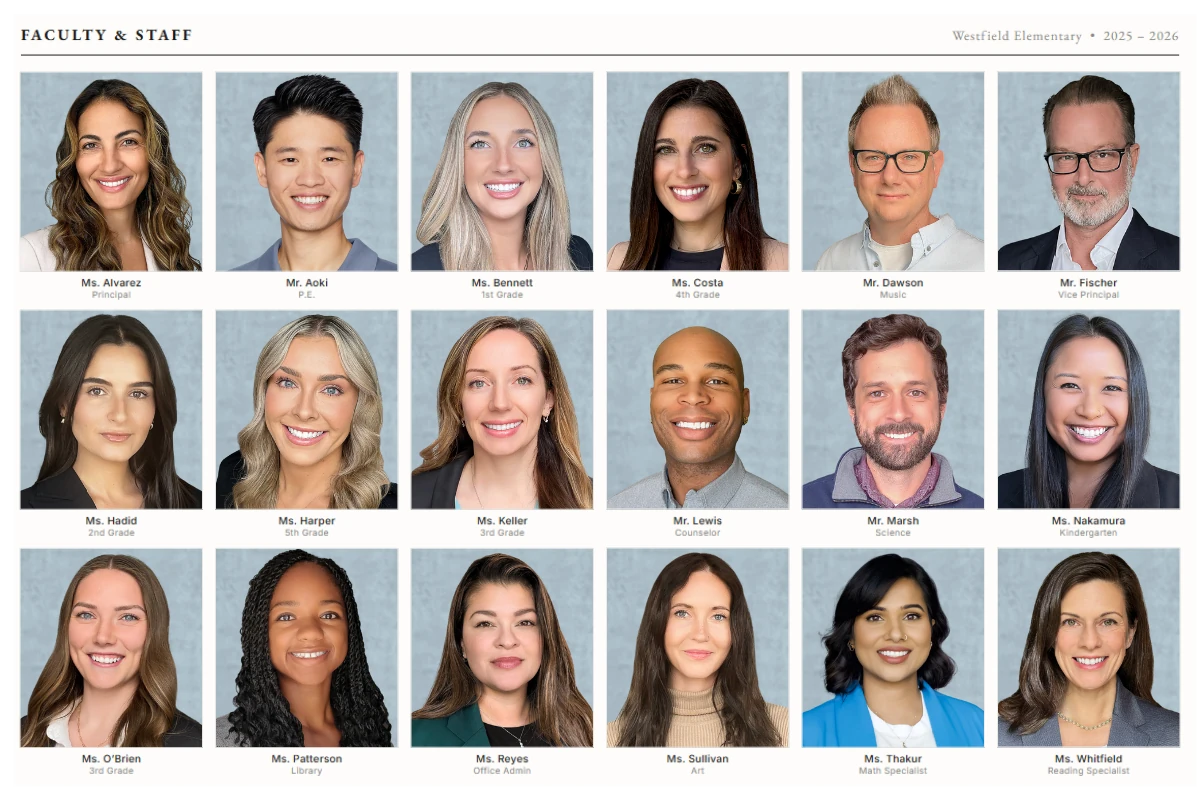
School photography is one of those decisions that affects every family in your district — and one that most administrators only revisit every few years. 2026 is the year more schools are revisiting it than any time in recent memory. Whether you stick with your current vendor, switch to a national alternative, or try something new like virtual portraits from home, the key is evaluating based on what actually matters: the experience families get, the burden on your staff, and whether the vendor earns your trust with results — not just promises.
Ready to see a different approach to school photography? Capturely’s free pilot program lets you photograph one grade — at no cost — so you and your families can experience 24-hour delivery, see-before-you-buy galleries, and zero school disruption firsthand. Request your free pilot →