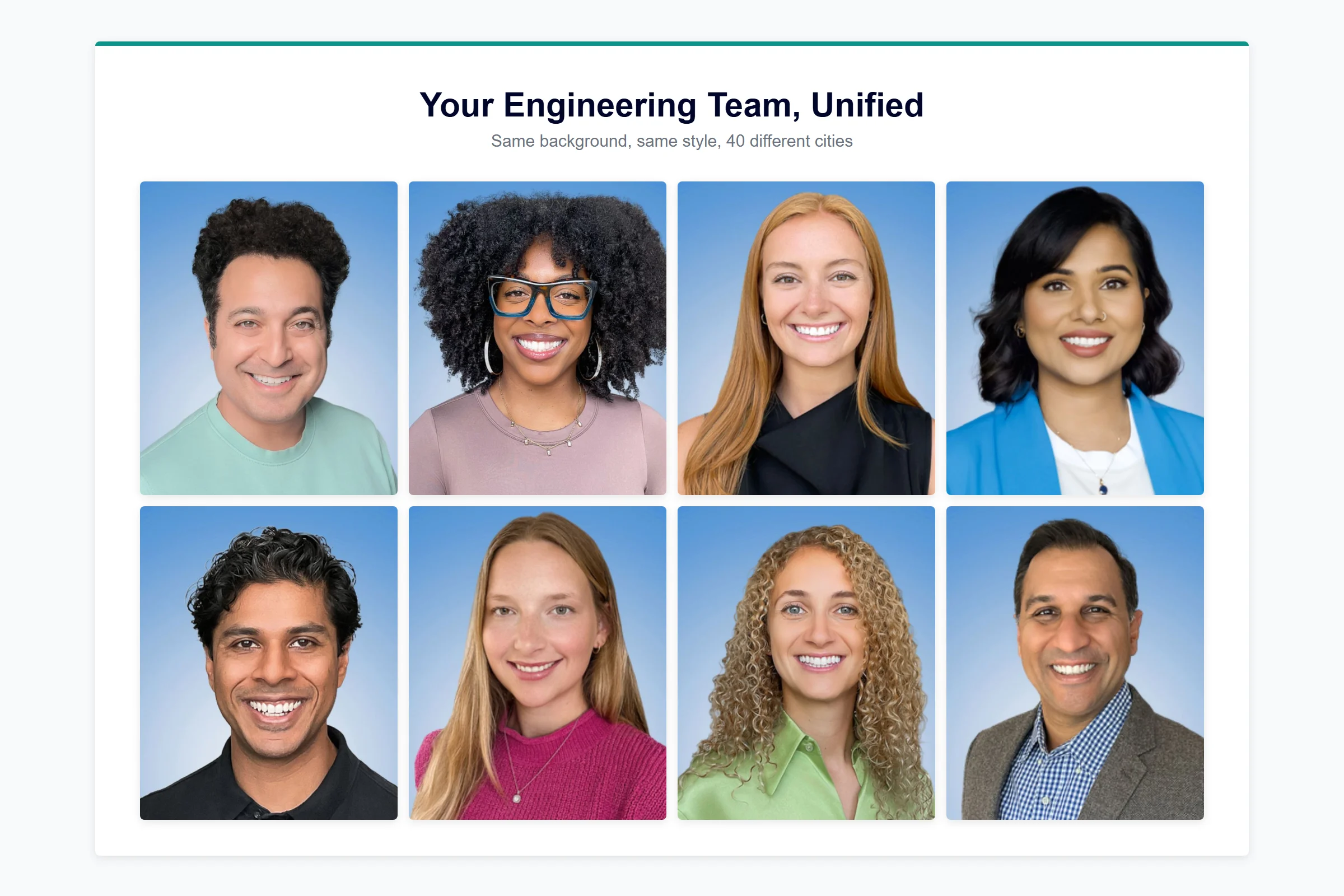
Parents want four things from school photos that most vendors still don’t deliver: the ability to see photos before buying, digital delivery within days instead of weeks, a la carte ordering instead of forced bundles, and a photo that actually looks like their child — comfortable, natural, and taken without assembly-line pressure. The gap between what parents expect and what school photography companies deliver has never been wider. And in 2026, schools that close that gap are winning higher participation, more revenue, and happier families.
Last updated: March 2026
Here’s the number that should keep every school photography vendor up at night: 96% of parents say they want school photos (Consumer Reports, 2023). But only about 30% actually buy a package (Freakonomics, 2023). That 66-point gap isn’t apathy. It’s a market screaming that the product doesn’t match what buyers want. A national survey of 74,000 parents across 2,500 schools by Fotomerchant and the School Photographers of America confirmed what forums, reviews, and social media have been saying for years — the complaints are strikingly uniform (SPOA/Fotomerchant, 2023).
What Do Parents Really Complain About With School Photos?
Complaint #1: Buying Photos They’ve Never Seen
The single biggest friction point in school photography is the blind purchase model. Parents fill out a paper order form, stuff cash or a check in an envelope, send it to school in a backpack, and hope for the best. They’re paying $25 to $60+ for photos they won’t see for weeks.
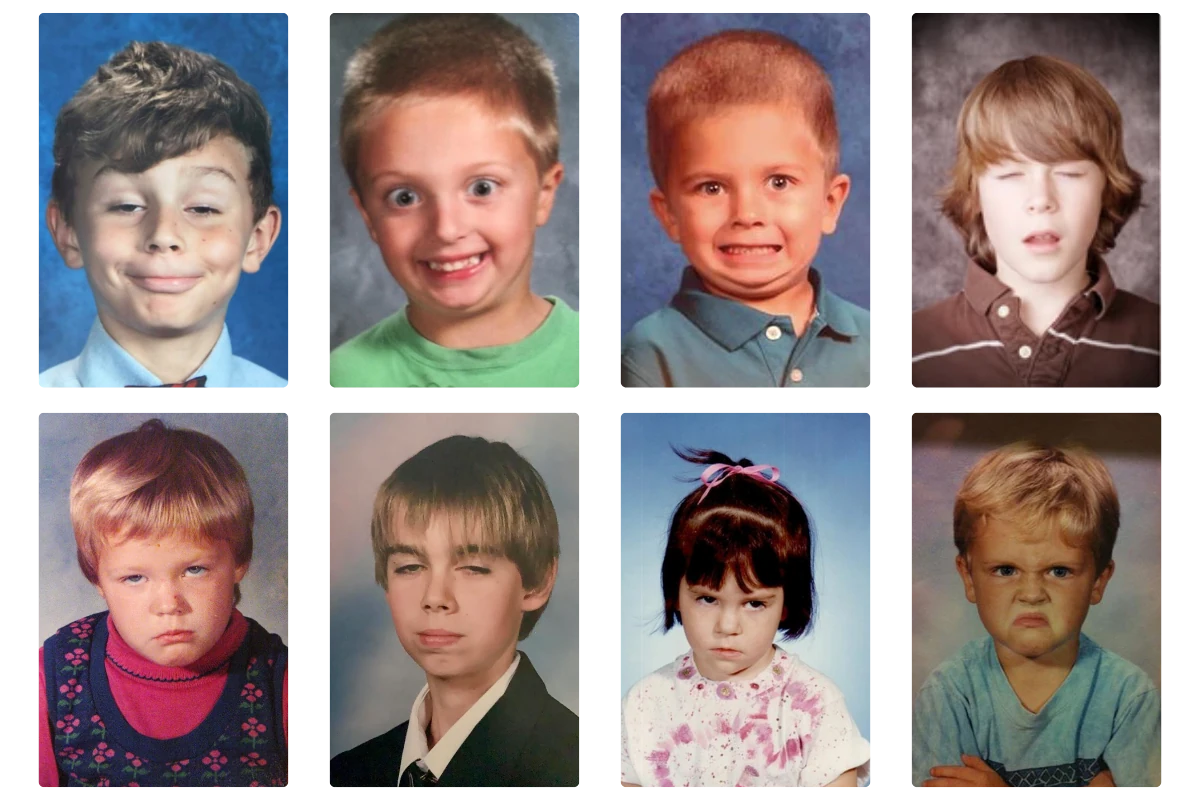
Then the results arrive. Kid’s eyes are half-closed. Hair is a mess from recess. The smile looks like it was produced under duress — because it was. And the parent already paid for a package they can’t return.
No other consumer purchase works this way in 2026. You can preview furniture in your living room using AR before ordering. You can zoom in on every thread of a $12 t-shirt on Amazon. But school photos? Pay first, see later, and your only recourse is retake day — another disruption, another roll of the dice.
According to the School Superintendents Association, the pre-pay model is one of the most common friction points schools report in vendor relationships (AASA, 2024). Parents have been asking for “see before you buy” for years. Most vendors haven’t changed.
Complaint #2: Waiting Weeks for Delivery
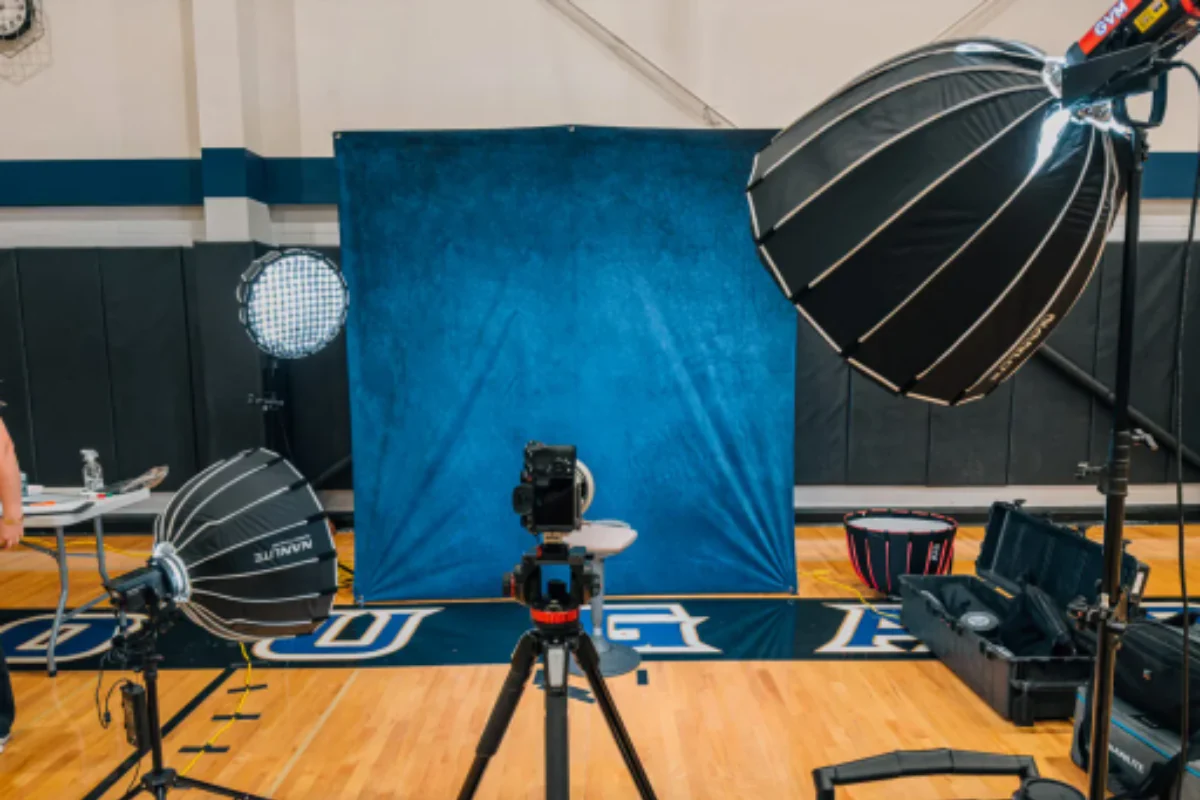
In the age of same-day Amazon delivery, school photos take two to six weeks. Paper proofs mailed to the school, distributed through teachers, sent home in backpacks. By the time parents see the photo, picture day is a distant memory.
Seventy-four percent of consumers now expect delivery within two days of ordering (Capital One Shopping, 2025). The expectation for fast delivery doesn’t pause for school photography. A parent who gets an Amazon package in 12 hours and a DoorDash order in 30 minutes will not cheerfully wait six weeks for an 8×10.
The lag compounds the blind-purchase problem. Parents can’t remember the details of picture day. They can’t assess whether the photo is “good enough” while the experience is fresh. And when they’re unhappy, the feedback loop is so slow that nothing changes until the next school year.
Complaint #3: Zero Control Over the Experience
Parents do the prep work. They pick the outfit. They do the hair. They send their kid off looking picture-perfect at 7:30 AM. Then a juice box happens at snack time. Or the wind destroys the careful braid. Or recess happens right before the photo rotation.
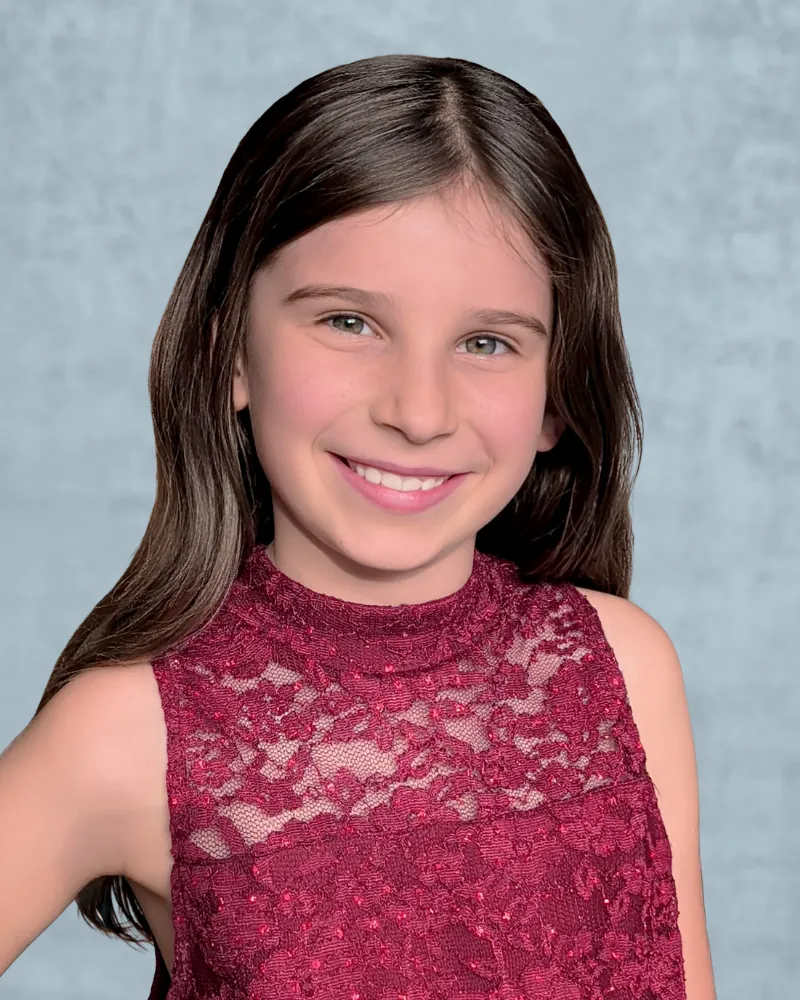
At the camera itself, each child gets roughly 30 seconds. The C.S. Mott Children’s Hospital National Poll found that 64% of children are self-conscious about at least one aspect of their appearance (University of Michigan, 2022). Among teens, that number hits 73% for girls and 69% for boys. Put that kid in front of a stranger, under fluorescent lights, in a loud gymnasium, with 30 seconds and a “say cheese” prompt. The result is predictable.
Parents want to be present. They want to see the photo happening, fix the stray hair, straighten the collar, and make sure their child looks like themselves on a good day — not a stressed-out version captured between math class and lunch.
Complaint #4: Overpriced Bundles Nobody Asked For
School photo packages typically range from $15 to $100+ per child (IBISWorld School Photography Report, 2025). The bundles include wallet-size prints nobody asked for, an 8×10 that goes in a drawer, and a “class photo” where half the kids are looking at the ceiling.
Parents don’t want 48 wallet-size prints. They want one great digital photo they can text to grandma, set as their phone wallpaper, post on Instagram, and use for the holiday card. But the traditional model is built around physical print bundles — because that’s where vendor margins live, not because that’s what parents want.
The 77% of parents who ordered customized products with their child’s school photo (Treering/SIPA, 2021) did so because they wanted options — not because they loved the predetermined package. The gap between what vendors sell and what families want to buy widens every year.
What if parents could see photos before buying — and order only what they want? Capturely’s virtual model gives families professional, photographer-directed portraits at home with 24-hour digital delivery. No blind ordering. No six-week wait. See how it works →
What Do Parents Actually Want From School Photos?
The complaints above point directly to what parents are asking for. None of it is radical. None of it requires technology that doesn’t already exist. Most of it has been standard in every other consumer industry for a decade.
See the Photos Before Buying
This is the single change that would transform school photo participation rates overnight. Let parents see the actual photos — not a sample, not a proof sheet, the real retouched images — and then decide what to order.
When parents can preview before purchasing, two things happen. More parents buy, because the friction of blind ordering disappears. And parents buy with confidence — they’re choosing a photo they love, not gambling on one they’ve never seen.
The e-commerce data backs this up. Try-before-you-buy programs in retail see a 63% surge in average order value and 22% higher conversion rates (Guidance.com, 2024). School photography platforms that have switched to proof-first models report average order value increases of 45% or more (GotPhoto, 2024). When buyers can see what they’re getting, they spend more — and they’re happier about it.
Digital Delivery Within Days, Not Weeks
Parents want high-resolution digital files. Images they can share, print, post, crop, and use across every device and platform in their life.
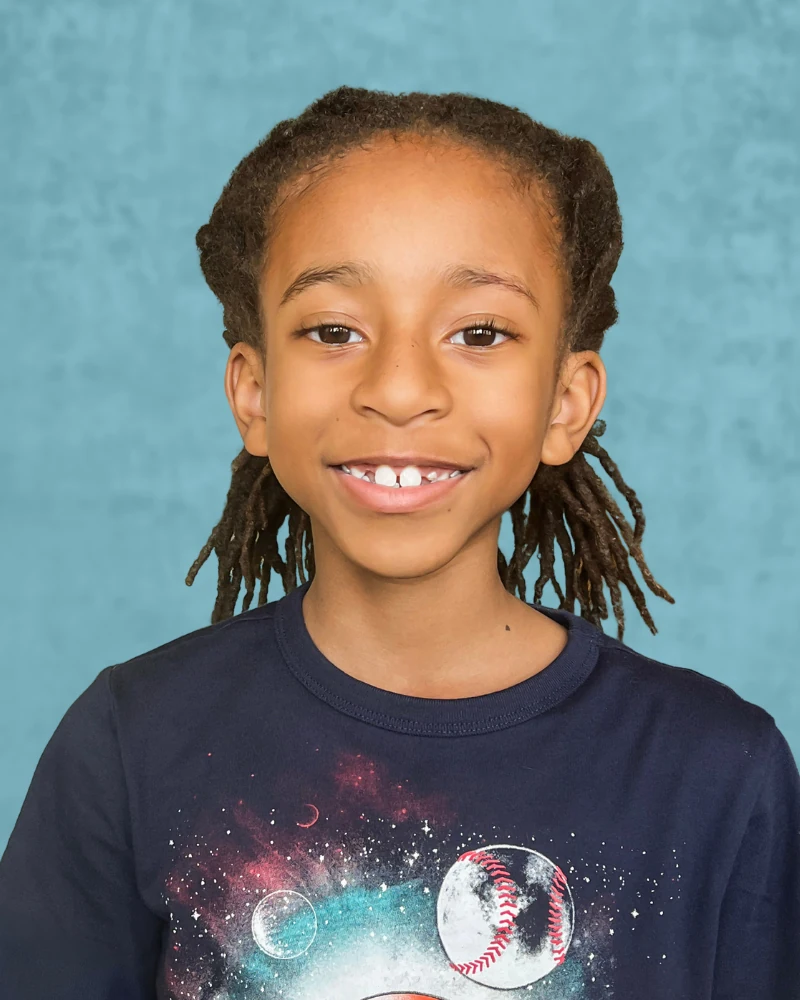
The average American parent takes over 1,500 photos of their children per year (Photo Industry Statistics, 2023). They store thousands in iCloud or Google Photos. They share instantly through text and social media. Then school pictures arrive as physical prints in an envelope, eight weeks after picture day. The mismatch is absurd.
Digital-first delivery — within hours or days, not weeks — is what parents expect. Not as a premium upsell. As the default.
A La Carte Ordering — Buy What You Want
Kill the bundles. Let parents buy exactly what they need.
One family wants three digital downloads and a canvas for grandma’s wall. Another wants a single wallet-size for the refrigerator. A third wants the digital file and nothing else. The forced-bundle model serves the vendor’s margin structure, not the parent’s actual need.
According to McKinsey’s consumer research, 71% of consumers expect personalized experiences from the companies they buy from, and 76% get frustrated when they don’t receive them (McKinsey, 2024). School photography is one of the last consumer experiences where you’re forced to buy a pre-configured package designed by someone who has never met your family.
Photos That Actually Look Like Their Kid
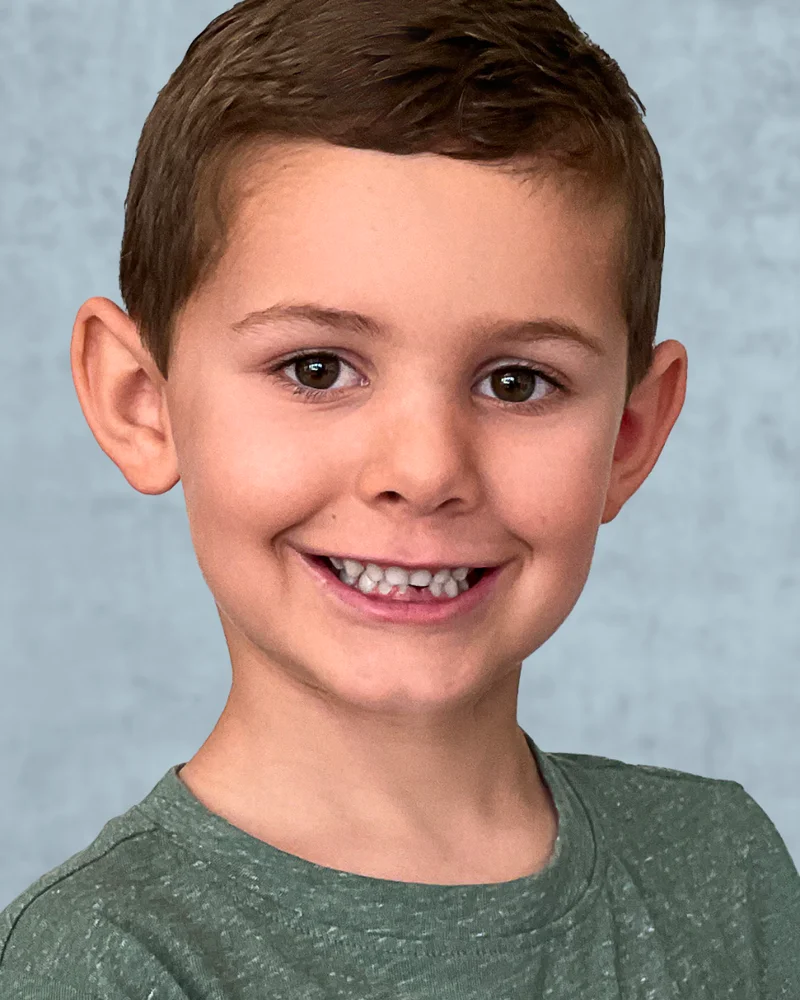
The assembly line doesn’t capture personality. It captures anxiety, fluorescent lighting, and a forced smile. Parents want photos where their child looks like themselves on a good day — relaxed, genuine, and natural.
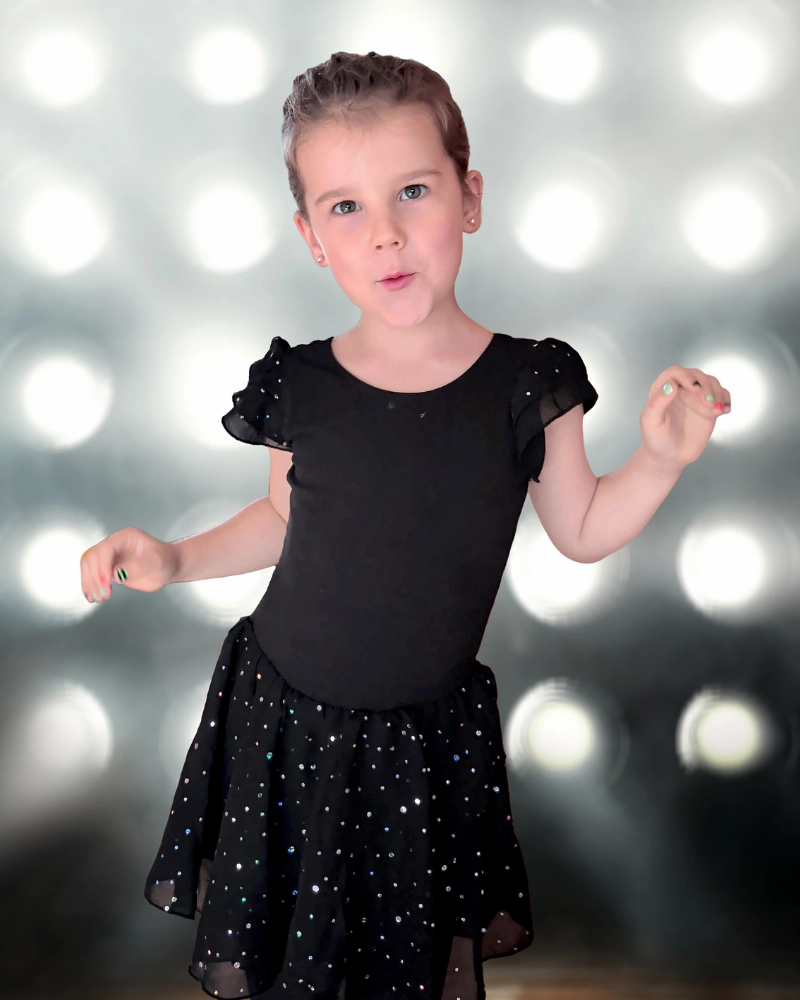
That requires more than 30 seconds and a “say cheese” prompt. It requires enough time for the child to relax, a photographer who can coax a real smile, and an environment where the child feels comfortable. Research on genuine versus posed expressions found that Duchenne smiles — the kind that crinkle the eyes — form only when subjects feel genuinely at ease (Psychological Science, 2010). Assembly-line conditions produce the opposite.
Parents look at school photos and say “that doesn’t look like my kid.” They’re right. It doesn’t. Because the process wasn’t designed to capture who their kid actually is — it was designed to move a line.
A Comfortable, Low-Pressure Experience
For camera-shy kids, picture day is a source of real anxiety. The unfamiliar adult. The bright lights. The pressure to smile on command while classmates watch and wait. For children with sensory sensitivities, social anxiety, or special needs, it can be genuinely distressing.
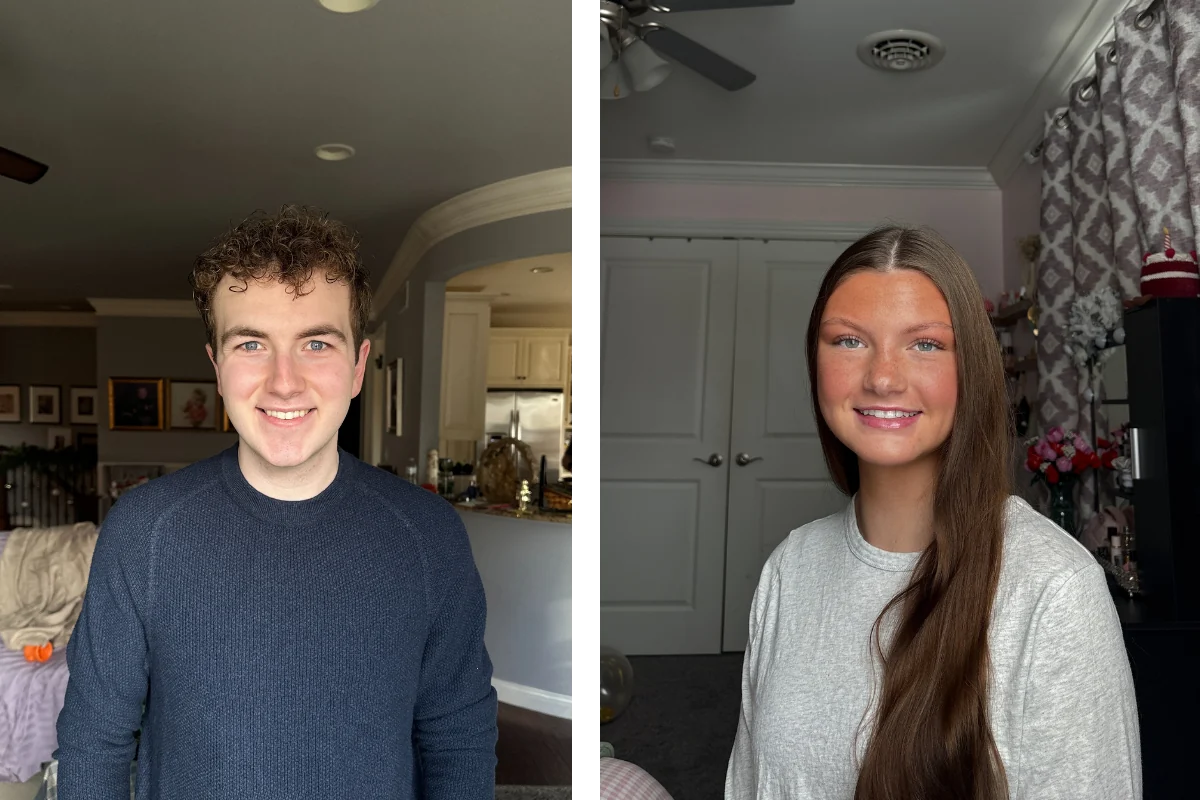
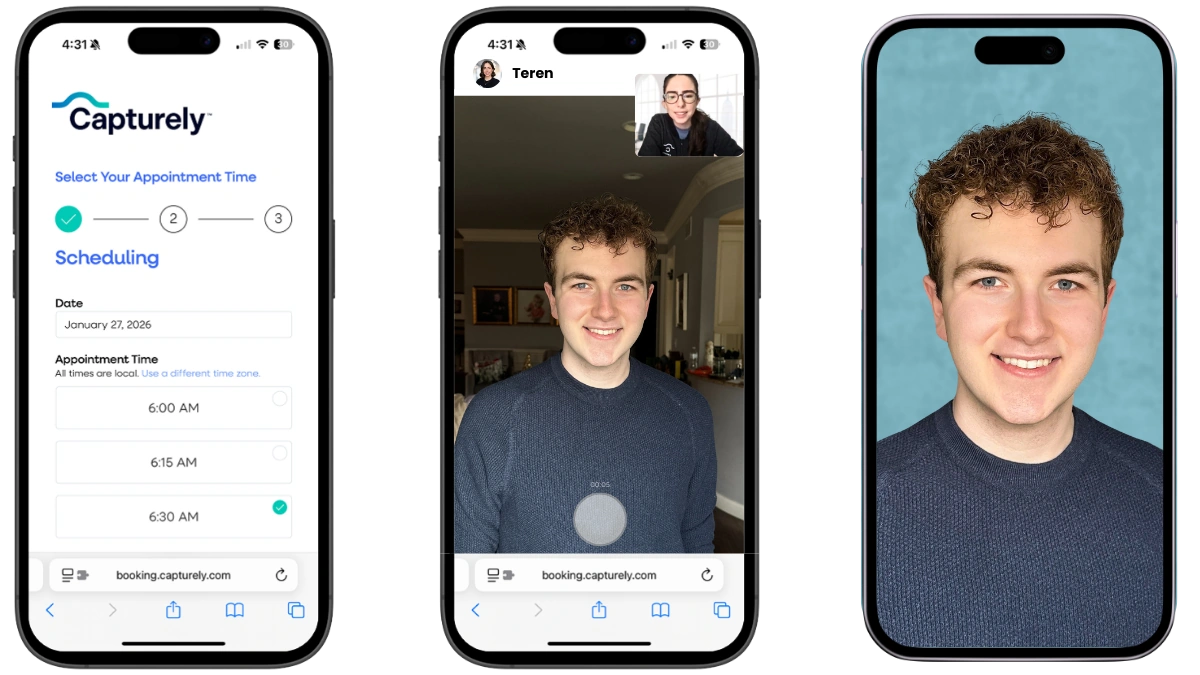
At home, everything changes. The kid is in a familiar space. The parent is right there. There’s no audience and no rush. If the first expression doesn’t work, there’s time to try again. If they want to change their shirt or take a five-minute break, that’s fine. A virtual session with a professional photographer who knows how to work with kids — where the child is comfortable in their own environment — produces dramatically better results than a gymnasium assembly line. For tips on how to prepare, check out our guide to getting better school photos.
Give your families the school photo experience they actually want. Capturely delivers professional, photographer-directed portraits at home — 24-hour delivery, see-before-you-buy galleries, and zero school day disruption. Trusted by Google, Netflix, and McKinsey. Request a free demo for your school →
Why Are School Photo Expectations So Far Behind?
Every Other Photo Experience Is Instant — Why Not School?
Parents live in a world of instant photo gratification. Take a photo on your iPhone, it’s in iCloud before you put the phone down. Order from Amazon, it’s on your porch tomorrow. Upload to Instagram, it’s edited and posted in 60 seconds.
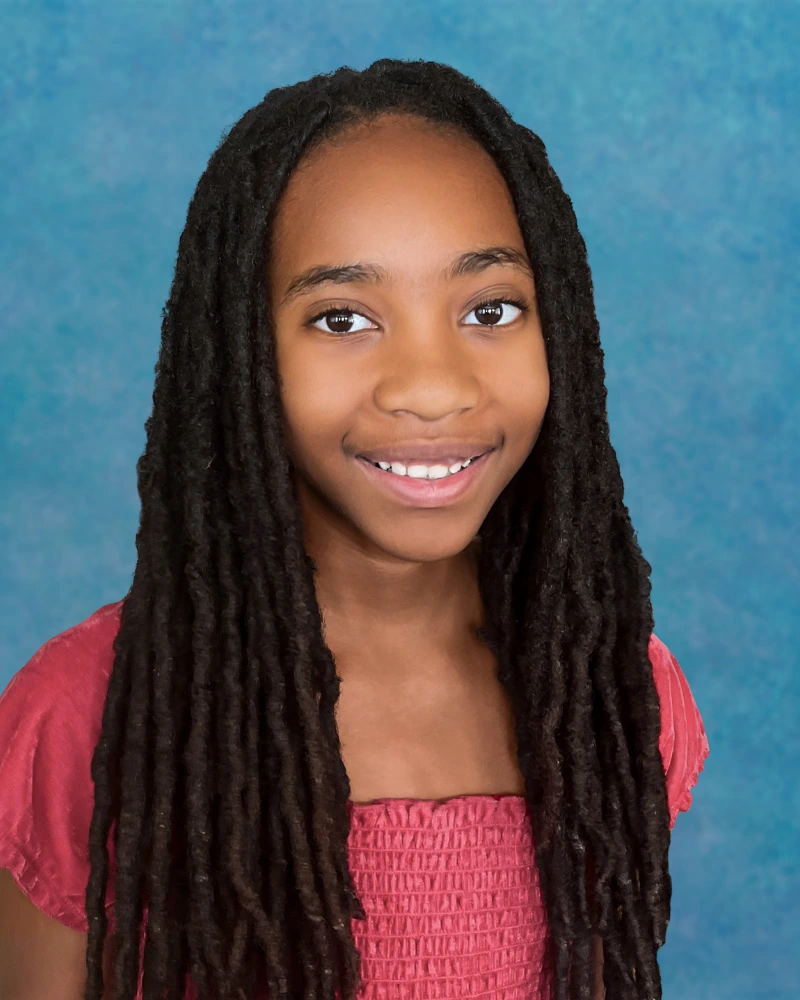
Then school photography asks them to fill out a paper form, send cash in an envelope, wait six weeks, and accept whatever comes back. The contrast is jarring enough to feel like parody.
But it’s not a joke. It’s how an industry built in the 1970s still operates — because the dominant vendors had no competitive pressure to change. When one company photographs 25 million students per year across 50,000+ schools, there’s little incentive to modernize. Schools were locked into multi-year contracts. Parents had no alternatives. The vendor kept doing what worked.
That’s changing. Fast. Schools are switching photography vendors at record rates. Parents are vocal. And new companies are proving that professional school portraits don’t require a photographer in the gym. Virtual school photography puts the session in the family’s hands — with the same (or better) quality.
How Same-Day Delivery Changed What Parents Expect
Amazon normalized same-day and next-day delivery. Apple normalized instant access to every photo you’ve ever taken. Instagram normalized real-time visual sharing. These shifts didn’t just change shopping behavior — they rewired what “normal” feels like.
When parents experience 24-hour delivery in virtually every other category, a six-week wait for school photos doesn’t feel like an industry standard. It feels like a broken system. And it is.
| Expectation | Traditional School Photos | What Parents Expect in 2026 |
|---|---|---|
| Preview before buying | No — pre-pay with paper form | Yes — see actual photos, then decide |
| Delivery speed | 2-6 weeks (physical prints) | 24-48 hours (digital files) |
| Ordering method | Paper forms, cash envelopes | Online gallery, mobile-friendly |
| Package flexibility | Predetermined bundles only | A la carte — buy what you want |
| Photo format | Physical prints (default) | Digital files (default), prints optional |
| Parent involvement | None — send kid to school | Present and in control of the environment |
| Session length per child | ~30 seconds | 10+ minutes with individual direction |
| Retouching | Basic (batch processing) | Professional, individual retouching |
How Do Schools Benefit When Parents Get Better School Photos?
Higher Participation Drives More Revenue
Schools earn commissions on photo sales — typically 15-30% of gross revenue. Twenty years ago, three out of four families bought school photo packages. Today, that number has dropped to roughly one in four. As Ken Murphy, CEO of Lifetouch, acknowledged in a Freakonomics interview, participation has declined steadily — and the remaining 70% of families generate zero revenue for the school (Freakonomics, 2023). Not because they don’t want photos. Because they don’t want to buy something they’ve never seen.
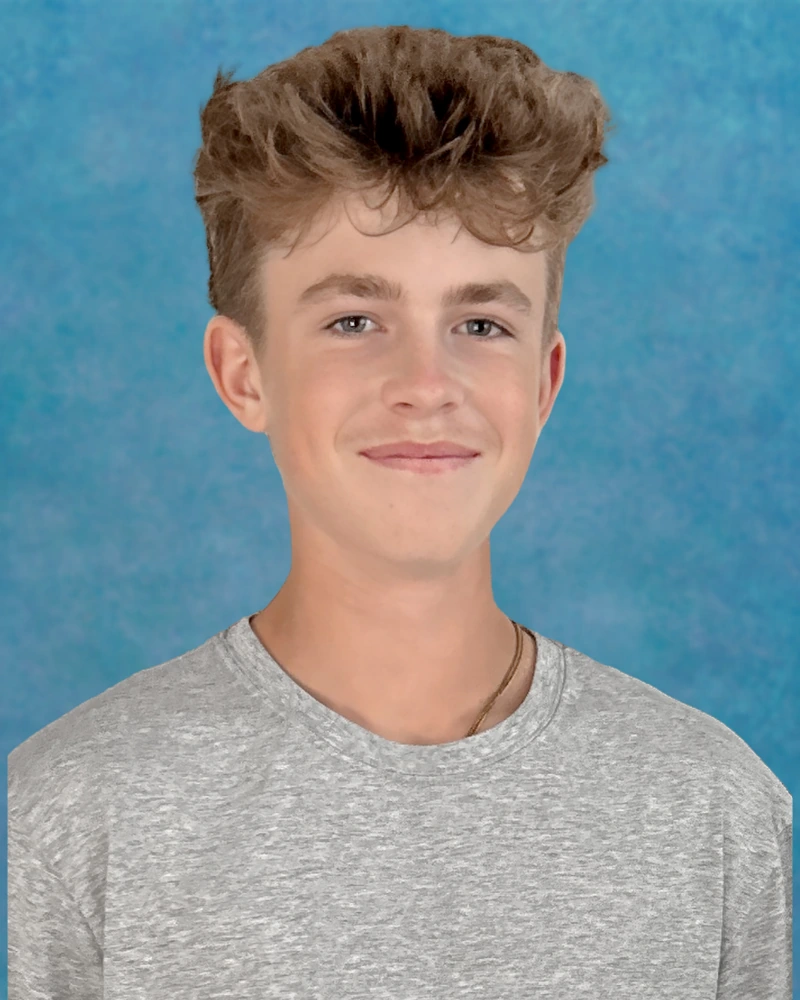
The math is straightforward. A school with 500 students and a 30% purchase rate at $40 average order generates $6,000 in gross revenue and $900-$1,800 in commission. Push participation to 45% by letting parents see photos first? That’s $9,000 in gross revenue and $1,350-$2,700 in commission. Same school, 50% more money, zero additional effort.
The biggest lever for school photo commission revenue isn’t higher prices — it’s higher participation. And the single biggest barrier to participation is the blind purchase model. For a deeper look at the economics, see our guide to school photography pricing.
Fewer Complaints Mean Less Admin Work
School administrators already spend 31% of their week on administrative tasks (EdWeek, 2016). More than half work 60+ hours per week. Picture day adds scheduling, space coordination, volunteer management, order form distribution, cash handling, and complaint resolution to an already overloaded plate.
The complaints are predictable: wrong order, lost envelope, bad photo, missed picture day, retake scheduling. Every complaint takes admin time that would otherwise go to the school’s actual mission.
A model where parents control the experience, see photos before ordering, and manage everything online eliminates the majority of these complaints. Not reduces them. Eliminates them. When the parent is present during the session and sees the results before paying, there’s nothing left to complain about.
Happy Parents Talk — Word of Mouth Drives Enrollment
Parent satisfaction with school services influences enrollment decisions. Seventy-five percent of US parents considered or searched for a different school in 2025 (National School Choice Week, 2025). The school that sends home great photos — ones parents actually want to share on Instagram, text to grandparents, and frame on the wall — creates a positive impression that adds up.
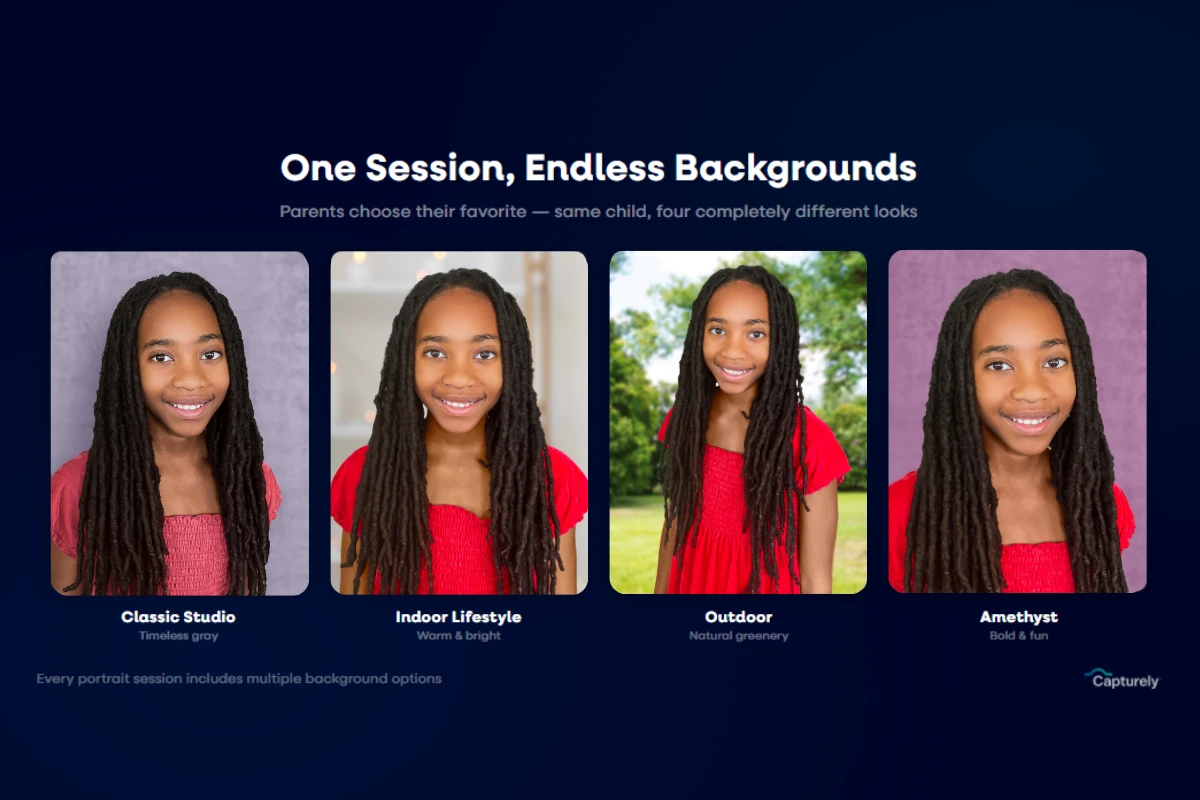
As Bryan, co-founder of Freed Photography, put it: “We think that if you do a great job and give parents choices, everyone wins. Parents love it because they’re getting the quality of a professional photoshoot without the cost” (Freed Photography, 2024).
According to Brian Confer, Co-founder of Capturely, “We’ve delivered over 100,000 photographer-directed sessions, and the pattern is consistent — when people see the results before they buy and feel in control of the experience, satisfaction goes through the roof. That’s true for Fortune 500 companies and it’s true for parents.”
That satisfaction compounds. Parents talk. They share on social media. A parent who posts their kid’s portrait and says “our school just switched to a new photography service and it’s incredible” is doing free enrollment marketing. The parent who gets back a photo with their kid’s eyes closed is doing the opposite — even if they don’t say it out loud.
For schools evaluating their options, our guide to the best school photography companies breaks down what to look for in a modern vendor.
Ready to give parents what they’re asking for? Capturely delivers see-before-you-buy school portraits at home, with professional photographer direction, 24-hour delivery, and zero school day disruption. Independent and founder-led — trusted by Google, Netflix, and McKinsey. Request a free demo for your school →
Frequently Asked Questions
What is the biggest parent complaint about school photos?
The number one complaint is the blind purchase model — being required to pay for school photos before seeing them. Ninety-six percent of parents want school photos, but only about 30% buy packages (Consumer Reports, 2023; Freakonomics, 2023). The gap exists because parents refuse to pay $25-$60+ for photos they’ve never seen, with no option to return or exchange. Services that offer preview-before-purchase galleries see significantly higher participation rates.
How long should school photos take to be delivered?
Parents expect digital delivery within 24-48 hours — consistent with delivery expectations across every other consumer category. The traditional school photo timeline of two to six weeks for physical prints is dramatically out of step with modern expectations. Seventy-four percent of consumers expect delivery within two days (Capital One Shopping, 2025). Virtual school photography platforms like Capturely deliver professionally retouched digital portraits within 24 hours of the session.
Can parents see school photos before buying them?
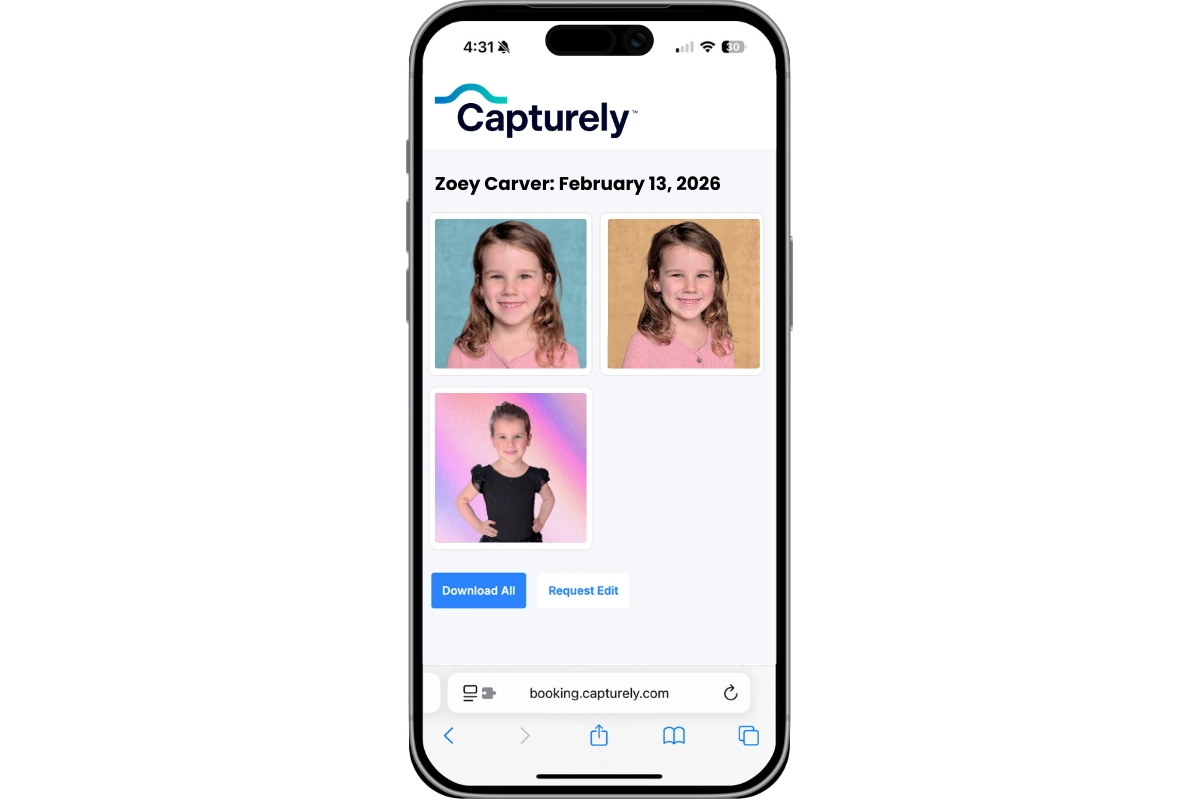
With traditional school photography vendors, usually no — parents must pre-pay before picture day using paper order forms. However, newer virtual photography platforms now offer online galleries where parents see their child’s actual retouched portraits before purchasing. Capturely’s model delivers photos to a parent’s phone within 24 hours, and parents browse the gallery and order only what they want. This “see before you buy” approach directly addresses the top complaint in school photography.
Why do so few parents buy school photo packages?
Despite 96% of parents wanting school photos, only about 30% purchase packages. The main reasons are blind ordering (paying before seeing results), inflexible bundles (forced to buy predetermined packages instead of individual prints or digital files), slow delivery (two to six weeks), and perceived low quality (30-second assembly-line sessions that don’t capture the child’s personality). Schools that switch to preview-before-purchase models with digital delivery and a la carte ordering consistently see participation rates climb.
What do modern school photos look like compared to traditional ones?
Modern school photos are taken during individual 10-minute sessions with professional photographer direction, in an environment where the child is comfortable. Photos are digitally delivered within 24 hours, parents preview before buying, and ordering is fully online. Traditional school photos involve a 30-second assembly-line session in the gym, physical prints delivered in two to six weeks, pre-payment required, and inflexible package bundles. For a full comparison, see why school picture day is broken.
How does virtual school photography improve parent satisfaction?
Virtual school photography addresses every major parent complaint at once. Parents are present during the session and control the environment (hair, outfit, comfort). A live professional photographer directs each child individually for about 10 minutes — not 30 seconds. Photos are retouched and delivered digitally within 24 hours. Parents see the actual images before ordering, and they can buy exactly what they want a la carte. The school’s only task is distributing a session link. Learn more about how virtual school photography works.