School photography pricing is one of the least transparent systems in education. Parents pay $20 to $125 per child, schools earn commissions they rarely disclose, and nobody publishes a clear breakdown of where the money goes. After photographing more than 100,000 people for organizations like Google, Netflix, and McKinsey — and now bringing that same model to K-12 — we’re going to lay out exactly what school photos cost, who gets paid, and why the economics are shifting.
Last updated: March 15, 2026 · Written by Brian Confer, Co-founder & COO at Capturely
Whether you’re a parent wondering why 6 wallet-size prints cost $60, or a school administrator evaluating vendor contracts for next year, this guide covers the real numbers — not the vague ranges most vendors publish.
How School Photography Pricing Actually Works
The Business Model Most Parents Don’t Know About
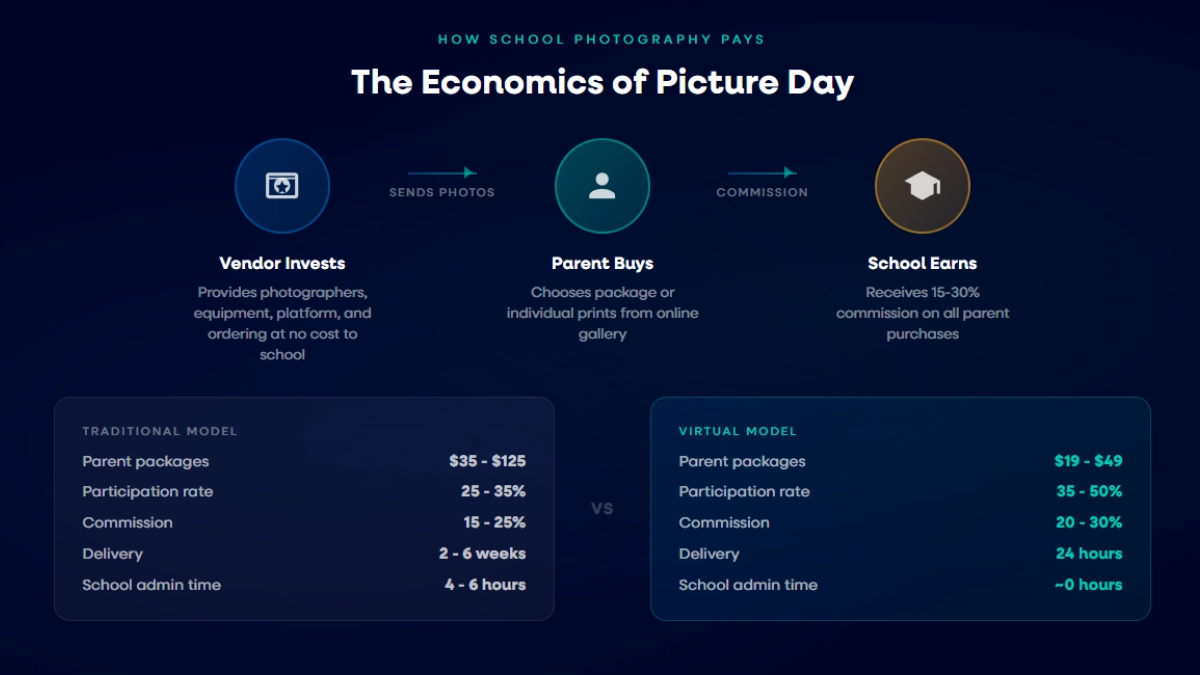
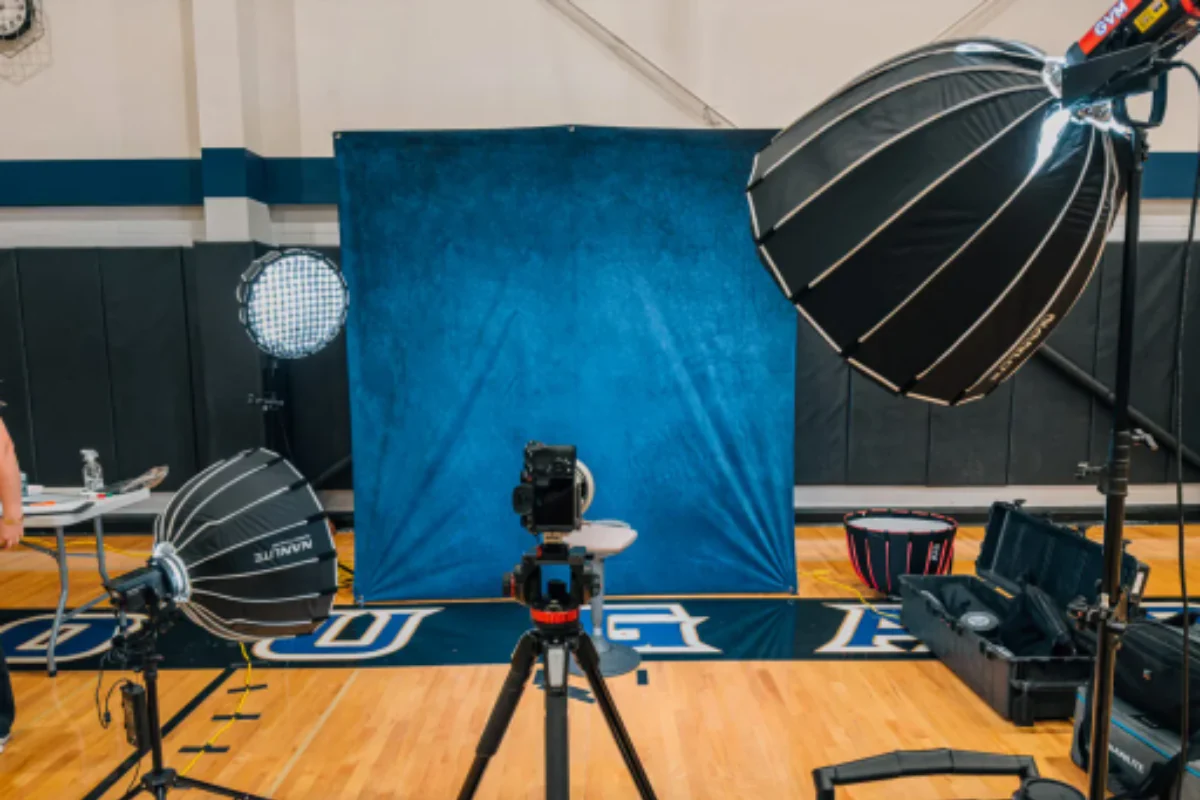
Here’s the part that surprises most families: schools don’t pay photography companies anything. Not a dime. The vendor invests in photographers, equipment, and travel — and recoups that investment entirely from what parents spend on photo packages.
In exchange for granting the vendor exclusive access to photograph students, schools earn commissions on every package sold. Those commissions range from 15% to 50% of gross sales, depending on the contract. It’s a fundraiser, structured like a business deal.
This means two things parents should know:
- The price you pay includes the school’s cut. When a Lifetouch spokesperson told 13News Now that “our price is inflated by 50 to 100 percent by the schools as fundraisers,” that was the quiet part out loud. Virginia Beach Public Schools confirmed receiving 50% of portrait sales revenue.
- Photography companies have different price lists for different commission levels. A former employee revealed on a photography forum that “territories were given four price lists. The list given to the school varied depending on the percentage kickback each school was promised.” Schools that negotiate higher commissions pass that cost to parents through higher package prices.
For a vendor to break even, roughly 30% of parents need to purchase packages at an average order of about $25. With 50 million K-12 students in the US and this industry generating around $1.2 billion in annual revenue, the math works — but only if enough parents keep buying.
What Parents See: Traditional Package Pricing
Package names and contents vary by vendor and school, but here’s what the pricing landscape looks like across major companies in 2026:
| Package Tier | Price Range | What’s Typically Included |
|---|---|---|
| Basic | $15–$25 | 1 digital file, a few small prints (wallets + one 5×7) |
| Mid-Range | $25–$60 | Multiple print sizes, possibly a digital download |
| Premium | $60–$100+ | All print sizes, digital files, enhanced retouching |
| Digital Only | $25–$50 | 1-2 high-res digital files (no prints) |
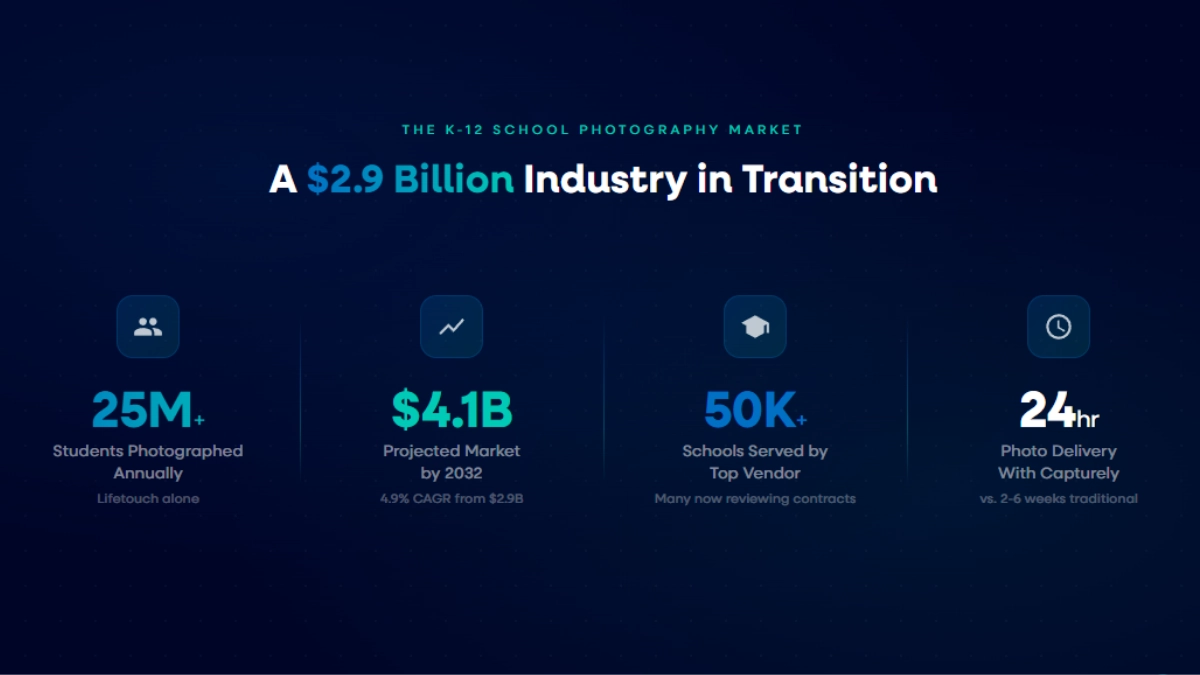
Here’s where it gets frustrating for parents. Lifetouch — which photographs more than 25 million students each year — charges $19.99 for their Basic Package (1 digital file, 2 5x7s, 2 3x5s, 4 wallets). Their Digital Only Package? $36.99 for the same portrait with a second background option. That’s nearly double the price for fewer physical products.
As one parent put it: “I don’t feel that almost doubling the price is worth it for the exact same picture of your child.”

Boutique and franchise photographers charge more per session but often deliver more value. Spoiled Rotten Photography’s K-12 packages run $20 to $165. Independent photographers like Brittney Vier Photography in Pensacola charge $45-$80 and include full digital collections. The tradeoff: better quality and more flexibility, but limited availability and no national scale.
The pattern across all vendors is the same. Print bundles are cheap to produce — bulk 8×10 sheets cost vendors $0.69 to $0.93 each — but they’re marked up 4-6x. And digital files, which cost the vendor essentially nothing to deliver, are priced at a premium because that’s where parent demand is heading.
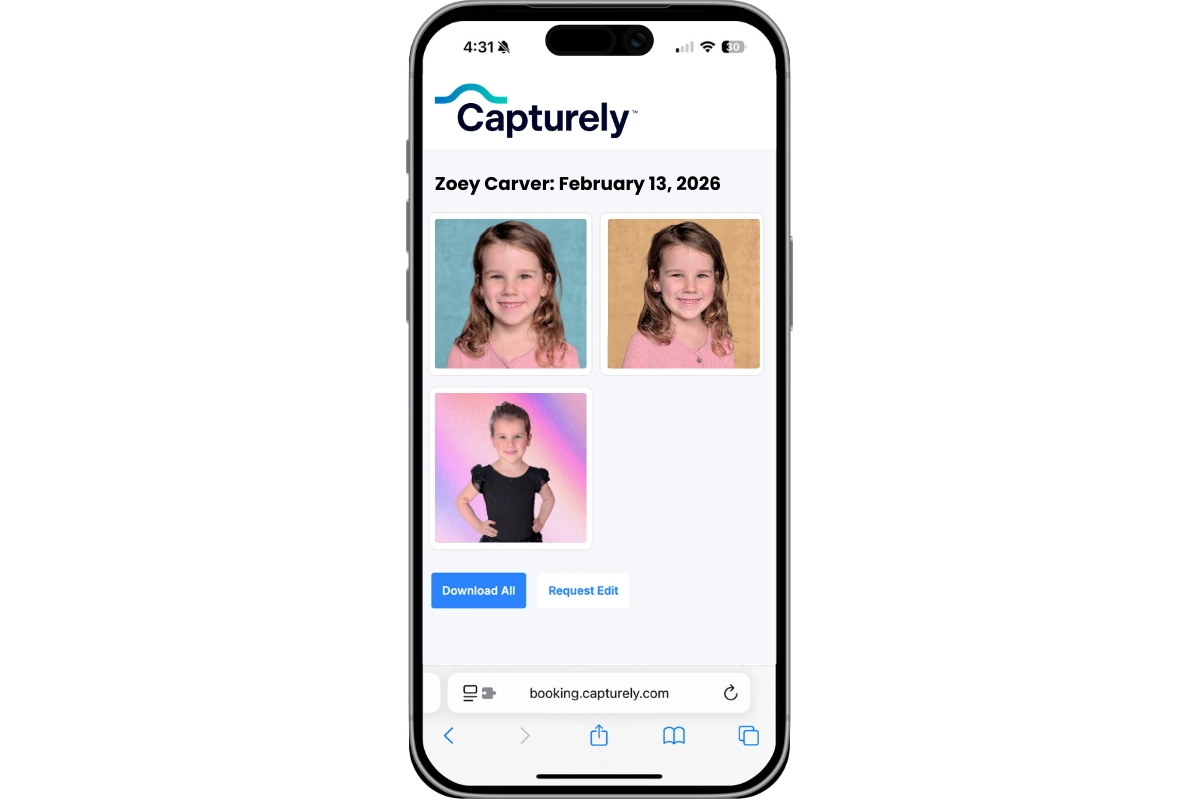
Transparent pricing, no forced packages. Capturely’s K-12 portraits start at $29 for 3 professionally retouched digital images — taken at home, directed by a live photographer, delivered in 24 hours. Parents see the photos before buying anything. See how it works →
School Photography Commissions: What Schools Actually Earn
The Commission Range Is Wider Than You’d Think
According to a Freakonomics investigation into the school photography industry, commissions paid to schools range from 15% to 50% of gross sales — or a flat fee of $2-$3 per package ordered. Some vendors offer guaranteed annual payments regardless of participation.
An NBC4 Washington investigation revealed how dramatically commissions vary, even within the same district:
| School | Commission Structure |
|---|---|
| Adelphi Elementary (MD) | 40% of all school picture sales |
| Forest Oak Middle (MD) | 40% of portrait sales |
| Ridgeview Middle (MD) | 30% commission |
| Urbana Middle (MD) | $7 flat fee per portrait sold |
| Frederick High School (MD) | $4,000 guaranteed annual payment |
Two middle schools in the same county. One earns 40%. The other earns 30%. That’s not a small difference when multiplied across hundreds of families.
For a typical 500-student school with 35% parent participation and a $25 average order, the math works out to roughly $4,375 in gross sales. At a 25% commission, the school earns about $1,094. At 40%, that jumps to $1,750. The difference — $656 per year — comes down entirely to who negotiated the contract.
Why the Commission Rate Isn’t the Whole Story
Administrators tend to focus on the commission percentage when evaluating vendors. Higher percentage = more money for the school, right?
Not necessarily. Total commission dollars depend on three variables:
- Commission rate — the percentage you negotiate
- Participation rate — what percentage of families actually buy
- Average order value — how much each purchasing family spends
A vendor offering 20% commission with 50% parent participation and $35 average orders generates more commission dollars than a vendor offering 30% commission with 25% participation and $25 average orders. Do the math on the same 500-student school:
- Vendor A: 20% × (500 × 50% × $35) = $1,750
- Vendor B: 30% × (500 × 25% × $25) = $938
Vendor A delivers nearly twice the commission at a lower rate. The difference is participation — and participation is driven by parent experience, photo quality, and whether families can see photos before they buy.
This is the economic argument for modern photography models. When parents see actual photos of their child before committing money, more of them buy. The 65-75% of families who currently skip traditional picture day aren’t opposed to school photos — 96% of parents say they want them, according to industry survey data. They’re opposed to paying blind for photos they haven’t seen.
If you’re evaluating vendors for your school, focus on total commission dollars, not just the rate. Ask each vendor: what’s your average parent participation rate? What’s your average order value? If they can’t answer with data, that tells you something. For a detailed evaluation framework, see our school photography RFP template.
How Modern School Photography Pricing Is Different
Digital-First Pricing Captures the Parents Who Currently Buy Nothing
Here’s a number that should concern every school administrator: somewhere between 50% and 75% of parents don’t buy school photos. Twenty years ago, three out of four families purchased packages. Today, participation has dropped significantly — and vendors won’t publicly disclose current rates because the trend isn’t pretty.
The reasons are consistent across every parent forum, Reddit thread, and news investigation we reviewed:
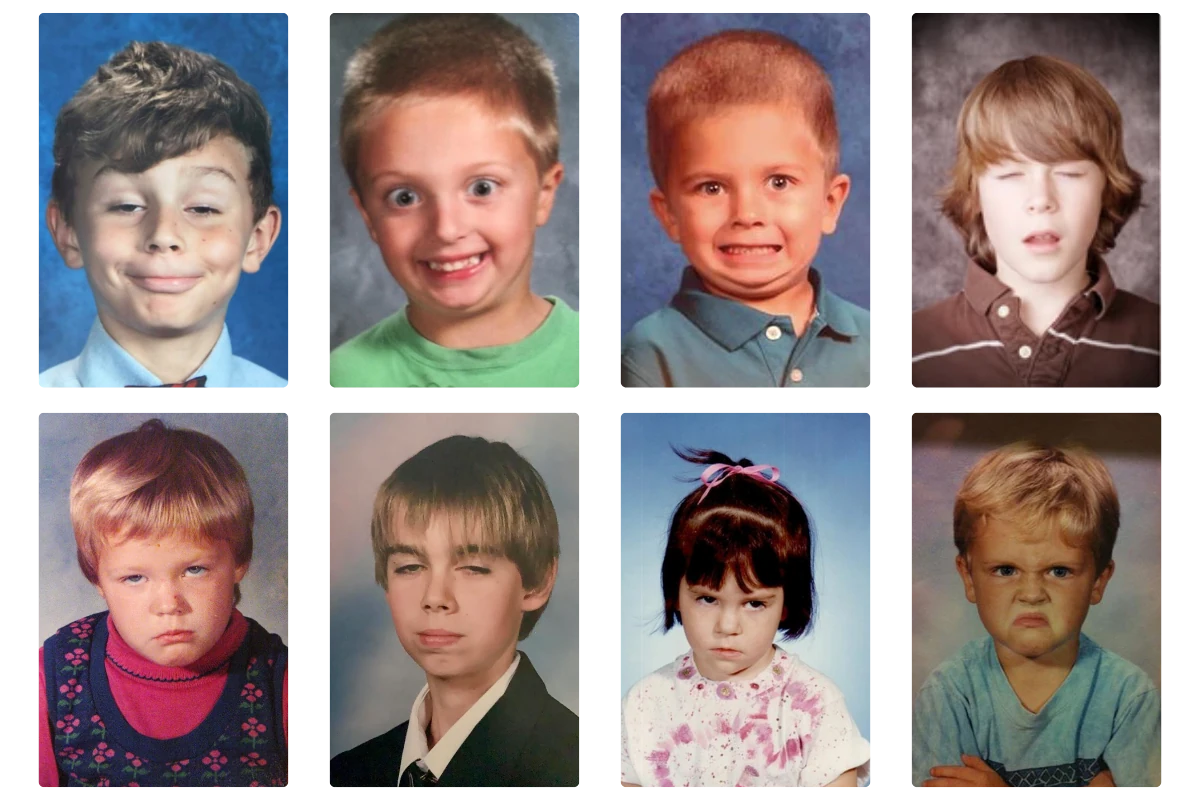
- “Where else can we pay $60 for a picture of our 8-year-old that is so bad I’m pretty sure the entire thing is a prank?” — @thedad on Twitter
- “I only wanted three 4×6 photos but to get those I had to have about 602 I don’t want and spent 60 pounds.” — Parent on Mumsnet
- “School pictures set me back about $100 if I buy the least expensive package for each kid.” — Mom of three
The root problem isn’t that parents don’t want school photos. It’s that they don’t want $60 bundles stuffed with wallet prints nobody uses, for a photo they paid for before seeing it.
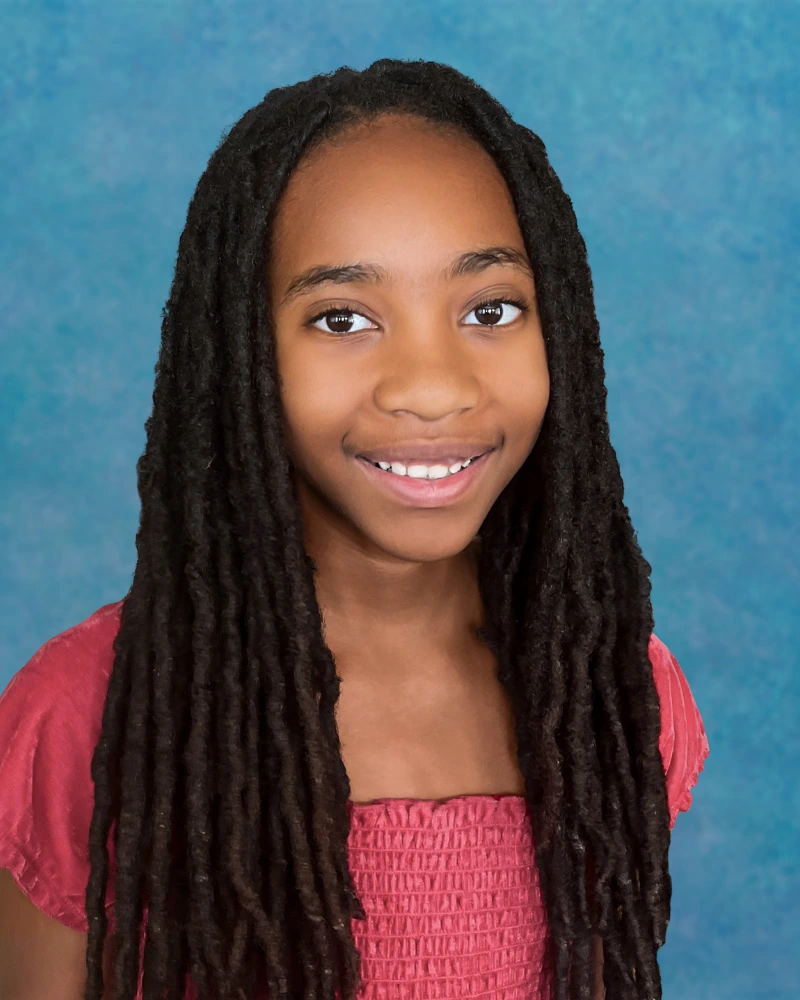
Digital-first pricing addresses this directly. Instead of forcing families into pre-pay print bundles, a $29 session delivers 3 professionally retouched digital portraits. Parents see the photos. Then they decide if they want prints. That’s it.
At $29, you capture the parents who would never spend $60 on a bundle. You capture the parents who just want a digital file to text to Grandma. You capture the family that skipped picture day last year because the whole process felt like a hassle. When Capturely adapted this model for K-12 — the same approach that serves Fortune 500 companies — the goal was simple: make the base price low enough that saying yes is easy, and make the product good enough that print upsells happen naturally.
A La Carte vs. Forced Packages
Traditional vendors bundle prints into packages because bundles maximize average order value. A parent who only wants one 5×7 ends up paying for 4 wallet prints, 2 3x5s, and an 8×10 they’ll never frame.
One Mumsnet post went viral for perfectly satirizing this. Paraphrased: “We don’t do single photos, we do ‘packages.’ Package One is one normal-sized photo and 42 wallet-sized photos. I don’t know 42 people. I certainly don’t know 42 people who own a wallet.”
A la carte pricing — where parents buy exactly what they want — generates less revenue per buyer but more buyers. When you remove the $60 floor and replace it with a $29 entry point, the math changes. More families participate. Schools earn more total commission even at a lower per-order amount.
See Before You Buy Changes Everything
The pre-pay model — where parents choose and pay for a package before photos are taken — is the single biggest source of parent frustration in school photography. As one parent told 13News Now: “Lifetouch wants you to pay before the photos are taken, but offer no refund options if you don’t like the pictures.”
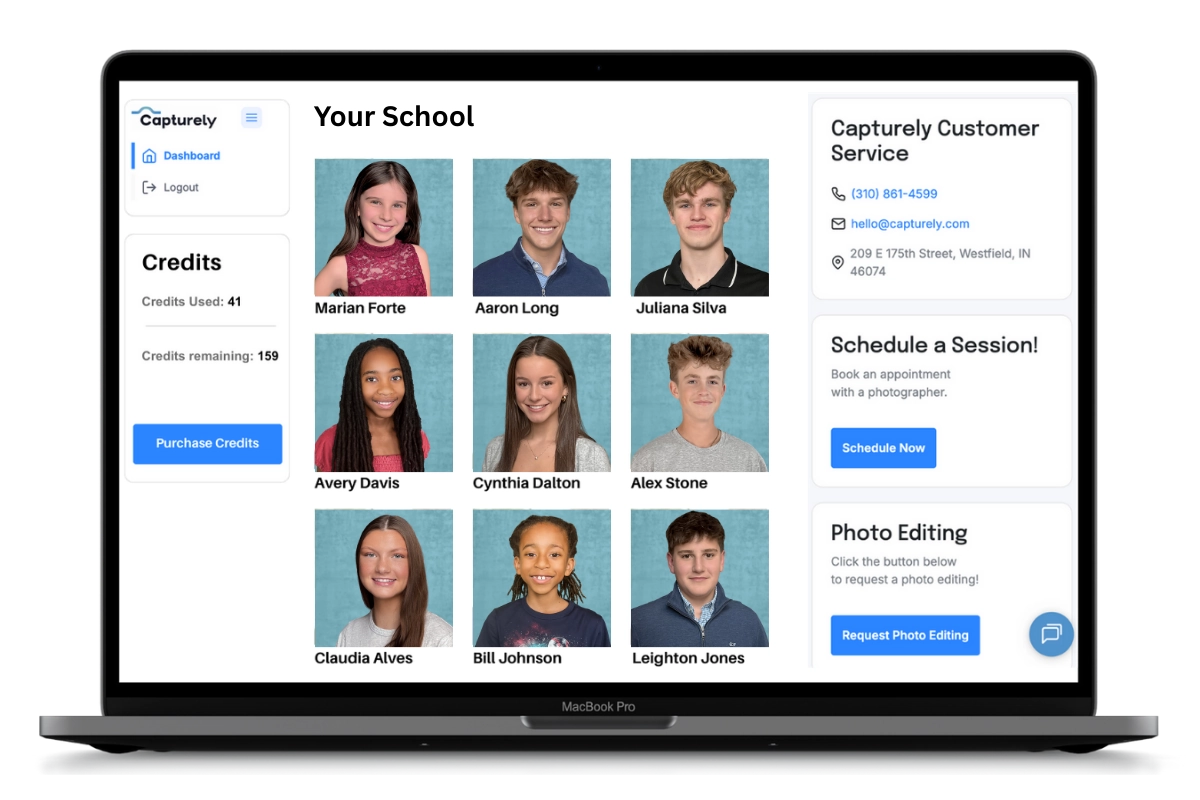
School photography platforms that switched to proof-first models — where parents see photos before deciding — report average order value increases of 45% or more. That’s not surprising. When parents see a great photo of their child, they buy. When they’re asked to gamble $60 on a photo they might not like, they pass.
See their smile before you spend a dime. Capturely delivers 3 retouched digital portraits within 24 hours. Parents browse the gallery, then decide what to order. No pre-pay. No gamble. Learn about Capturely for schools →
The Hidden Costs Schools Bear (That Never Show Up in Vendor Proposals)
School photography vendors love the pitch: “It costs your school nothing.” Technically true — the vendor doesn’t invoice the school. But picture day isn’t free. Not even close.
Administrative Time: 20-30 Hours Per Photo Event
Before picture day: distributing order forms, collecting pre-pay envelopes (cash, checks, crumpled bills from backpack bottoms), coordinating the schedule with the vendor, communicating with parents about dress code and timing. Day-of: managing student flow, handling absent students, coordinating volunteers, fielding parent calls. After: distributing packages, processing returns, managing retake day — which is another full cycle. At $20-$25/hour for office staff time, that’s $400-$750 per event in administrative labor alone.
Instructional Time Lost: 4-6 Hours of Classes Disrupted
Photographers shoot 45-60 students per hour. For a 500-student school, that’s 8-11 hours of shooting time — a full school day or more. Each class loses 20-40 minutes of instructional time traveling to the photo area, waiting in line, and returning. Across 20-25 classes, that adds up to 400-1,000 minutes of aggregate instructional time lost. Per picture day. Most schools have 2-4 photo events annually (fall, spring, retakes, sports).
Space and Scheduling: The Gym Disappears for a Day
Setup starts an hour before first shot. Teardown takes another 30-60 minutes after the last student. The gymnasium, cafeteria, or multipurpose room is unavailable for PE, lunch rotations, and assemblies for an entire day. Schools with shared-use facilities — the “cafegymatoriums” — face cascading scheduling conflicts.
What “Free” Photography Actually Costs
Add it up conservatively: $400-$750 in admin time, $250-$480 in principal time, $350 in lost teacher productivity. That’s $1,000-$1,580 per photo event in direct staff costs. Multiply by 2-4 events per year: $2,000-$6,300 annually in hidden costs — often exceeding the commission the school earns.
For context, if a 500-student school earns $1,094 in commission (25% of $4,375 gross sales), and the hidden costs total $3,000+, the school is net negative on picture day. The fundraiser costs more than it raises.
This is why some schools are rethinking picture day entirely. When families photograph at home on their own schedule, the school’s hidden costs drop to nearly zero. No gym blocked, no classes pulled, no paper forms, no cash collection. The school sends one link. Everything else happens outside school hours.
Price Comparison: Traditional vs. Modern Photography Models
| Dimension | Traditional (Lifetouch, Inter-State) | Modern / Digital-First (Capturely) |
|---|---|---|
| Parent cost (base) | $20-$60 for print package | $29 for 3 digital portraits |
| Digital file cost | $25-$50 (often requires buying prints too) | Included in base session |
| Print add-ons | Forced bundles ($15-$100+) | A la carte ($5-$45, buy only what you want) |
| See before you buy? | No — pre-pay before photos are taken | Yes — see all 3 portraits, then decide |
| School commission | 15-50% of sales | 20-30% of sales |
| Delivery speed | 2-6 weeks for proofs, more for prints | 24 hours for digital, 2 weeks for prints |
| School admin burden | 20-30 hours per event | Near zero — send one link |
| Hidden costs to school | $2,000-$6,300/year | None — nothing happens at school |
| Instructional time lost | 4-6 hours per event | Zero |

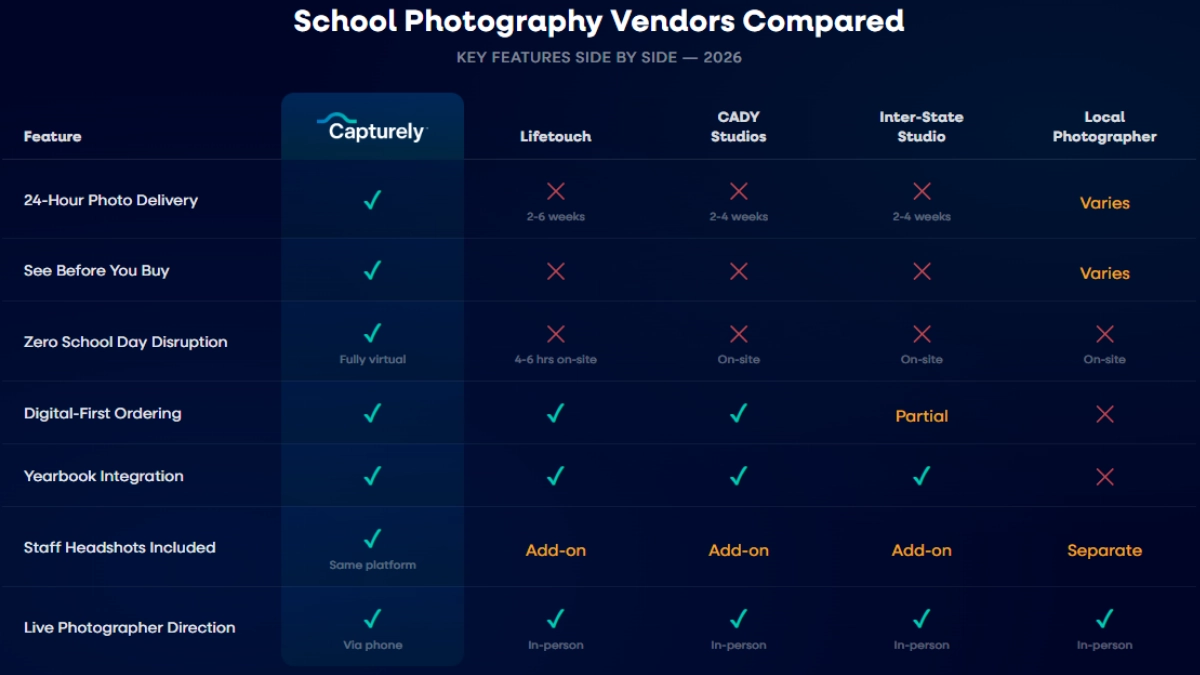
The pricing comparison alone doesn’t tell the full story. A $29 digital-first session with 24-hour delivery and see-before-you-buy generates a fundamentally different parent experience than a $45 pre-pay bundle that arrives in 4 weeks. That experience difference is what drives higher participation — and higher participation is what drives higher total commissions for schools.
For administrators weighing vendor options, our guide on the best school photography companies compares vendors on more than just price — delivery speed, technology, admin burden, and privacy practices all factor into the true cost of a photography contract.
Ready to see the difference? Capturely’s K-12 pilot program lets your school try the at-home portrait model at no charge. Real families, real photos, real results — before you commit. Request a free pilot →
Frequently Asked Questions
How much do school pictures typically cost?
Most school photography packages range from $15 to $125 per child. Basic packages with a few small prints start around $15-$25. Mid-range packages with more prints and possibly a digital file run $25-$60. Premium packages with all print sizes, digital downloads, and enhanced retouching cost $60-$100+. Digital-only packages typically cost $25-$50. Prices vary by vendor and school because schools negotiate different commission structures that affect final pricing.
What commission do schools get from picture day?
School photography commissions range from 15% to 50% of gross parent sales, or a flat fee of $2-$7 per package. The typical range is 20-30%. NBC4 Washington found that even schools within the same district earn vastly different commissions — one earning 40% while a neighboring school earns 30%. Longer contracts, larger enrollment, and exclusivity agreements tend to produce higher commission rates. A 500-student school typically earns $500-$4,000 per year in photography commissions.
Why are school photos so expensive?
Three factors drive school photo prices above what the photography alone would cost. First, schools add a markup of 20-50% on top of the vendor’s base prices as a fundraiser — a Lifetouch spokesperson confirmed prices are “inflated by 50 to 100 percent by the schools.” Second, vendors bundle prints into packages that force parents to buy more than they need. Third, print-based pricing models charge premiums for digital files that cost the vendor nothing to deliver. The actual print production cost is under $1 per sheet — the markup is significant.
Can parents buy just digital photos from school pictures?
Most major vendors now offer digital options, but pricing varies widely. Lifetouch’s Digital Only Package costs $36.99 for two digital files — nearly double their $19.99 Basic Package that includes prints plus a digital file. Independent and boutique photographers often charge $35-$50 for a single digital file. Modern digital-first vendors like Capturely include 3 digital portraits in a $29 base session. If you only want digital files, compare the digital-only pricing across vendors — it’s often cheaper to buy the cheapest package that includes a digital file than to buy a dedicated digital package.
How do virtual school photo prices compare to traditional?
Virtual at-home school photography is a newer model where families take portraits at home with a live professional photographer directing through their phone. Pricing is typically digital-first: $29 for a session that includes 3 professionally retouched digital portraits with 24-hour delivery. Print add-ons are available a la carte. Because the virtual model eliminates travel, equipment, and on-site logistics costs, the savings pass through to families. The key difference beyond price is the ordering model — virtual vendors deliver photos before families decide what to buy, eliminating the pre-pay gamble. How virtual school photography works.
Should schools negotiate photography pricing?
Absolutely. Commission structures, parent pricing, and contract terms are all negotiable. Schools that actively negotiate earn 2-3x what passive schools earn — the NBC4 investigation showed neighboring schools in the same district with a 10-percentage-point commission gap. When evaluating vendors, ask for the actual price list parents will see, the commission percentage or flat fee, whether the school can set price caps, what’s included in the “free” services (yearbook photos, ID cards, class composites), and the contract length and exclusivity terms. Our school photography RFP template includes a complete evaluation framework with 35+ criteria.