



Nurse Headshots for RNs, NPs, and Nursing Teams
Any shift, any hour, no photo day
A nurse headshot is a professional portrait used on hospital staff pages, provider directories, badges, nursing annual reports, and LinkedIn. Capturely captures them virtually. A nurse opens a link on their phone, a photographer directs the session live, and edited images arrive within 24 hours. It works on a day shift, a night shift, or a day off, from anywhere. We have delivered more than 100,000 headshots to date.
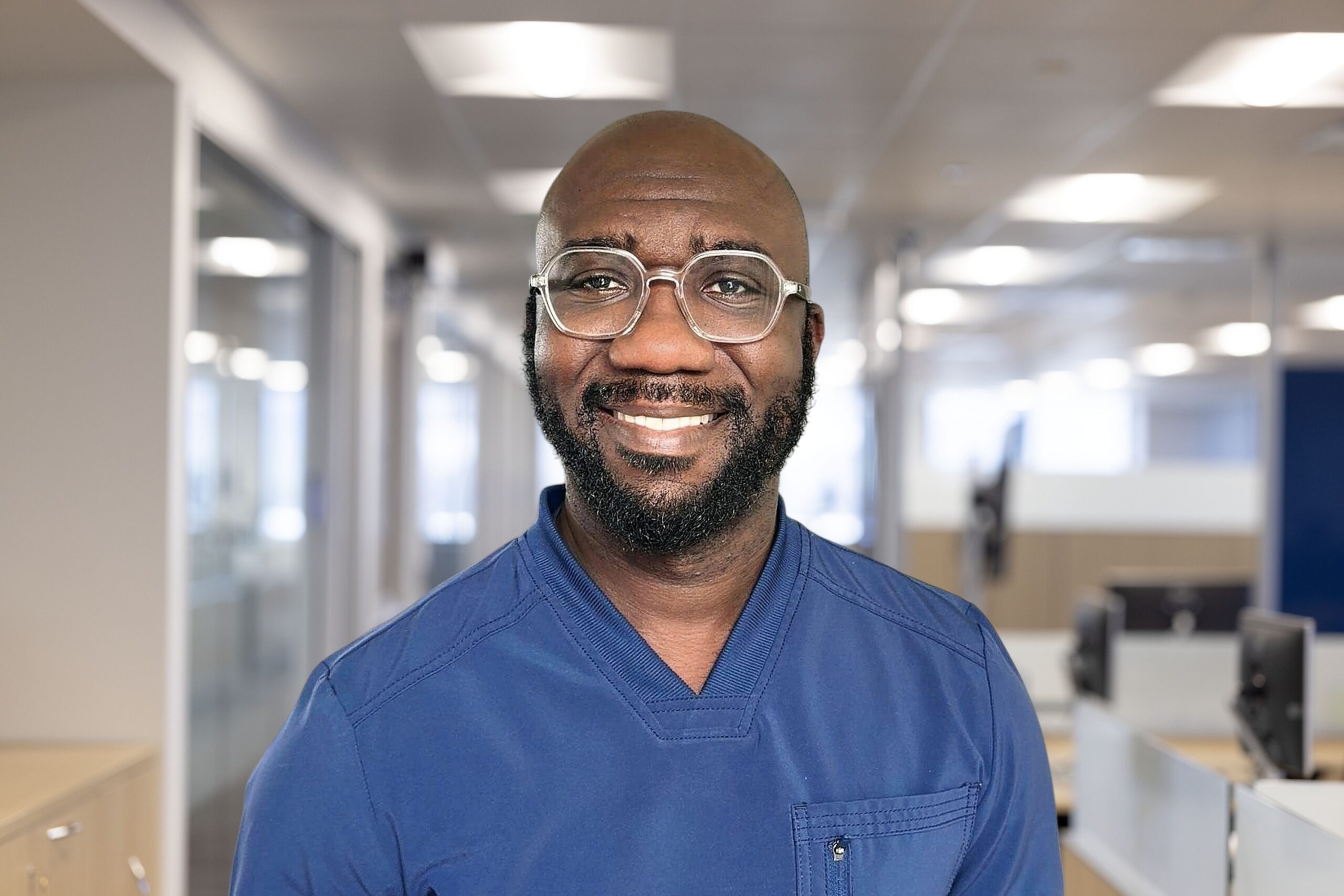
Why Nurses Almost Never End Up With a Good Headshot
Because photo day happens on day shift. A hospital books a photographer for a Tuesday afternoon in a conference room on the second floor. The nurses who get photographed are the ones who happen to be on, not on break coverage, and not in the middle of something. The night shift is asleep. The weekend staff is not in the building. The float pool is somewhere else entirely. Everyone else gets an email saying the photographer will be back next year.
Nursing schedules are built from three twelves, rotating nights, and self-scheduling, which means there is no hour of any week when a meaningful share of the nursing staff is simultaneously present and free. A physician photo day is a scheduling problem. A nursing photo day is an arithmetic one.
Then scale makes it worse. Nursing is usually the largest single employee population in a health system, often several times the provider count. A system that can plausibly photograph 300 physicians cannot photograph 3,000 nurses the same way, so most of them simply decide not to try. That is why hospital provider directories are reasonably complete and the nursing side of the staff page is a grid of grey silhouettes.
And turnover keeps resetting it. Registered nurses turn over at about 17.6% annually and hospitals overall at about 18.5% (NSI Nursing Solutions, 2026). First-year turnover among new graduate nurses runs considerably higher than that. A 3,000-nurse system replaces hundreds of faces a year, every one of them arriving after photo day ended. It is the same arithmetic across the whole badge, which is why health systems run our healthcare headshots program across every role.
What a Current Headshot Actually Does for a Nurse
It Represents You When You Are Not in the Room
Charge nurse postings, unit boards, DAISY award announcements, preceptor profiles, and conference programs all pull the same image. If the only one on file is a cropped wedding photo, that is what runs.

NPs Are Judged by the Physician Standard
An NP on a provider directory sits in the same grid as the MDs, and patients choosing between them read both photos the same way. Mismatched quality quietly tells patients which ones the organization considers primary.

It Travels With a Career That Moves
Med-surg to ICU, bedside to informatics, staff to charge to manager, staff nurse to NP. Every transition is a new application, a new profile, and a new introduction, and the photo goes along to all of them.
For the organization, it is a recruiting asset: a staff page where the team is visible, current, and consistently photographed reads as a place that invests in its people.
Two Ways to Shoot It
Live Photographer or Agentic Photographer
Capturely offers two capture methods. Same delivery standard, same editing team, same 24-hour turnaround. What changes is who directs the session and how it is best deployed.
| Live Photographer Session | Agentic Photographer Session | |
|---|---|---|
| Who directs | A Capturely photographer, live, on a video call | Our agentic director, guiding framing and expression in real time |
| Scheduling | Booked into a photographer’s calendar | On demand, any hour |
| Best for | Nursing leadership, Magnet documentation, annual report portraits, anything going on a provider directory | Whole-unit rollouts, new grad cohorts, onboarding, night and weekend staff |
| Shift fit | Day and evening availability | Any shift, including 3 a.m. |
| Turnaround | Edited images in 24 hours | Edited images in 24 hours |
Neither one generates a face. This distinction matters everywhere and it matters most here, because the entire first page of results for this term will offer a nurse a synthesized portrait. AI headshot generators are trained on millions of other people and produce an image of someone who does not exist wearing your approximate features. Capturely never does that. Our agentic director does what a human photographer does: it runs the shoot. It coaches framing, posture, angle, and expression, and the camera captures what is actually in front of it. Real camera, real light, real you. It directs the shoot. It never invents the picture.
For a nurse this is not an abstract preference. The photo goes on a badge, a unit board, and a hospital page that patients and families look at, and a face that was partly invented is a problem in all three places. Most health systems end up using both methods: live sessions for nursing leadership and anything patient-facing, agentic sessions for the onboarding flow that never stops.
From Setup to Delivery
How It Works
Scrubs or business attire, background color, crop, badge and lanyard policy, and any brand guidelines. We load them once and every image that follows matches them, whether it was shot on Tuesday at noon or Sunday at midnight.
They get a link. No app to download, no account to create, no software for IT to approve. We send the reminders, so your unit educator is not chasing anyone.
Before a shift, after a shift, on a day off, at home, in the break room. The phone’s rear camera does the capturing, which is the higher-resolution lens, and the session is directed the whole way through.
Delivered to your admin portal in whatever formats and crops your staff page, badge system, and HR records require. Edit requests and reshoots are included.
Built for How Nursing Actually Works
Every Shift, Not Just the Convenient One
Sessions run whenever the nurse is free, which is the only way night shift or weekend staff ever gets photographed at all. In nursing it is the difference between most of the team being covered and most of the team being missed.
Volume That Would Break a Photo Day
A thousand nurses across six facilities can shoot the same week. There is no travel, no per-day rate, and no sequencing units one at a time over a quarter.
New Grads Photographed in Orientation Week
Cohort hiring is predictable and recurring, and it is exactly where the grey silhouettes come from. A cohort can be fully photographed before their first shift.
Travel and Float Staff Included
Contract and float nurses are rarely in the same building twice and almost never on photo day. If they appear on a unit board or a staff page, they can be photographed like everyone else.
Consistency You Set Once
Background, crop, and finish are locked to your standards across every nurse, every unit, every facility, and every month, which is what makes a staff page look like one organization rather than nine years of accumulated snapshots.
A Minimal Security Footprint
We connect to the camera and nothing else. No access to device storage, photos, contacts, or any clinical or patient-facing system.
One portal: scheduling status, completion tracking by unit, downloads, and reshoot requests in one place.
What Nurses Should Wear for a Headshot
Scrubs or business attire? Decide as an organization before the first session, not nurse by nurse. Scrubs read as clinical, immediate, and patient-facing, and they work well on unit boards, staff pages, and recruitment material. Business attire reads as professional and transferable, and it is the better choice for nursing leadership, NPs on a provider directory, conference programs, and LinkedIn. Either is correct. Mixing them across one staff page is the thing that looks wrong.
If you are shooting in scrubs: Solid colors photograph best, and your own unit color is fine. Press them. Scrub tops wrinkle in a way that a camera notices more than a hallway does.
If you are shooting in business attire: Solid, mid-tone colors. Avoid tight patterns, logos, and anything that reads as busy at thumbnail size.
Badges, lanyards, and stethoscopes: These are organizational decisions, not personal ones. Tell us during setup and we apply it to every session. A stethoscope around the neck is a strong signal in a recruitment photo and a distraction in a directory headshot, so pick per use case.
Grooming, hair, and glasses: Normal day, normal you. Hair up is completely fine and often more representative. If you wear glasses on shift, wear them. Our photographers manage glare during the session.
Where to sit: A window to your front, a plain wall behind you. The photographer handles the rest, including the part where you stop feeling awkward about forty seconds in.
When to update: At graduation, at licensure, when changing specialty or unit, on moving into charge or leadership, on completing an NP or DNP, and otherwise every three to five years.
Frequently Asked Questions
How much do nurse headshots cost?
Individual sessions are priced per session, and organizations get volume pricing based on how many nurses they are photographing. Traditional studio and on-location headshots commonly run $150 to $450 per person before travel and reshoot fees, which is a large part of why whole nursing teams rarely get photographed. Request a quote and we will price your staff count directly.
Can nurses wear scrubs in a headshot?
Yes. Scrubs are a good choice for unit boards, staff pages, and recruitment material. Business attire is usually better for nursing leadership, nurse practitioners on a provider directory, and LinkedIn. The important thing is that one standard applies across the whole page.
Do nurses have to go to a studio?
No. Sessions run on the nurse’s own phone from wherever they are, including from home on a day off.
Can this work around night shift and weekend schedules?
Yes, and that is the main reason it exists. Agentic sessions run on demand at any hour, so a night shift nurse can shoot at 3 a.m. between rounds or at 9 a.m. before sleeping. Nobody has to be awake on day shift to be photographed.
How long does a session take?
About ten minutes, scheduled by the nurse.
How fast are images delivered?
Edited images are delivered within 24 hours of the session.
Are these AI-generated images?
No. Every Capturely image is a real photograph captured by a real camera. Our Agentic Photographer directs the session the way a human photographer does, coaching framing, posture, and expression, and the camera captures what is actually there. We do not generate, swap, or synthesize faces.
Can you photograph an entire nursing staff?
Yes. Nurses can be spread across any number of units, facilities, and shifts and still shoot the same week. We work from your standards so every image matches regardless of where or when it was taken.
What about new graduate cohorts?
Cohorts can be photographed during orientation week, before the first shift, so new nurses appear on the staff page with a photo that matches everyone else’s from day one.
Do nurse practitioners need a different kind of headshot than RNs?
Usually yes, because NPs typically appear on the provider directory alongside physicians and should match that standard rather than the staff page standard. We can run both standards in the same engagement. The provider directory standard is the one our doctor headshots page covers.
Is the process secure?
We connect to the device camera and nothing else. We do not access device storage, photos, contacts, or any clinical or patient system.
How often should a nurse update a headshot?
Every three to five years, or sooner at a transition such as graduation, a specialty change, a move into charge or leadership, or completing an NP or DNP.
Photograph Your Whole Nursing Staff, Including the Shifts That Never Make Photo Day
Tell us how many nurses you need and we will put together a plan and a quote. Groups qualify for a complimentary session so you can see the output before you commit.

Looking for an individual session? Click here