



Doctor Headshots for Physicians, Residents, and Care Teams
Without a photo day
A doctor headshot is a professional portrait used on provider directories, hospital websites, referral materials, and LinkedIn. Capturely captures them virtually. A physician opens a link on their phone, a photographer directs the session live, and edited images arrive within 24 hours. No studio, no travel, no photo day, and no coordinating around clinic hours. We have delivered more than 100,000 headshots to date.

Why Physician Headshots Are Harder to Get Than Anyone Expects
Nobody struggles to find a photographer. They struggle to find a time. A physician’s calendar is booked in fifteen-minute increments weeks out. Getting thirty of them into the same room on the same afternoon means somebody blocks clinic time, and the moment one provider reschedules, the grid breaks. Multi-site systems have it worse.
Then turnover undoes the work. Hospitals run roughly 18.5% annual turnover, registered nurses about 17.6%, and physicians around 12.5% (NSI Nursing Solutions, 2026). A 2,000-person system replaces several hundred faces a year. Every one of them arrives after photo day ended, which is why directories drift out of date within months of a refresh, and why “we just did headshots” and “half our providers have no photo” are both true at the same time.
That gap is the actual problem. It is not a photography problem. It is a scheduling and turnover problem that photography vendors have never been built to solve. It is also not limited to physicians, which is why health systems run our healthcare headshots program across every role on the badge, including nurse headshots for the largest staff population in the building.
What a Good Doctor Headshot Does for a Practice
Patients choose with their eyes before they read a bio. Most provider selection now starts in a directory or a search result, and the photo is the first signal they see.

Patients Choose With Their Eyes
A current, consistent, well-lit photo is the first signal of a competent practice, and a missing one reads as a gap.

It Lowers the Temperature of a First Appointment
A patient who recognizes their physician from the directory walks in already oriented. The face does work before anyone says a word.

It Makes the System Look Like One System
Thirty providers with thirty different backgrounds, crops, and vintages read as fragmented. Consistency across a directory is a brand asset.
One session supplies all of it: directory, system website, referral packets, conference programs, press, LinkedIn, badge, and intranet.
Two Ways to Shoot It
Live Photographer or Agentic Photographer
Capturely offers two capture methods. Same delivery standard, same editing team, same 24-hour turnaround. What changes is who directs the session and how it is best deployed.
| Live Photographer Session | Agentic Photographer Session | |
|---|---|---|
| Who directs | A professional photographer, live, in real time | Our agentic director, live, pose by pose |
| Scheduling | Booked to a photographer’s calendar | On demand, no appointment |
| Best for | Scheduled system-wide refreshes, leadership and executive portraits, anything brand-critical | Continuous onboarding, new providers and residents arriving in ones and twos, departmental refreshes |
| Session length | About 10 minutes | About 10 minutes |
| Delivery | Edited images within 24 hours | Edited images within 24 hours |
| What is captured | A real photograph from the phone’s rear camera | A real photograph from the phone’s rear camera |
Neither one generates a face. This is the distinction that matters in healthcare and it is worth being precise about. AI headshot generators are trained on millions of other people and produce an image of someone who does not exist, wearing your approximate features. Capturely never does that. Our agentic director does what a human photographer does: it runs the shoot. It coaches framing, posture, angle, and expression, then the camera captures what is actually in front of it. Real camera, real light, real you. It directs the shoot. It never invents the picture.
Most health systems end up using both. Live sessions for the annual refresh and the leadership page, agentic sessions for the hiring flow that never stops.
From Setup to Delivery
How It Works
Background, crop, white coat policy, name badge rules, directory dimensions, and any brand guidelines. We load them once and every image that follows matches them.
They get a link. No app to download, no account to create, no software for IT to approve. We send the reminders, so your coordinator is not chasing anyone.
From an office, a home, a conference room, wherever they are between patients. The phone’s rear camera does the capturing, which is the higher-resolution lens, and the session is directed the whole way through.
Delivered to your admin portal in whatever formats and crops your directory, website, and badge system require. Edit requests and reshoots are included.
Built for How Health Systems Actually Work
Every Location Shot at Once
Distributed providers are the normal case, not the exception. There is no travel, no per-day rate, and no sequencing sites one at a time over a quarter.
A Session That Fits Between Patients
Ten minutes, scheduled by the provider, from wherever they already are. The reason providers skip photo day is that photo day costs them clinic time. This does not.
Onboarding That Does Not Wait
New providers get a session in their first week instead of appearing in the directory as a grey silhouette for eight months.
Consistency You Set Once
Background, crop, and finish are locked to your standards across every provider, every location, and every month.
A Minimal Security Footprint
We connect to the camera and nothing else. No access to device storage, photos, contacts, or any patient-facing system. This is why we pass security review at organizations with strict vendor requirements.
One Portal
Scheduling status, completion tracking, downloads, and reshoot requests in one place, so your coordinator is managing a dashboard instead of an inbox.
What to Wear and How to Prepare
White coats: Follow your system’s policy. If providers wear coats clinically, shoot in the coat. If your directory mixes coated and uncoated providers, pick one standard and apply it to everyone, because inconsistency is more noticeable than either choice.
Clothing: Solid, mid-tone colors. Avoid tight patterns, logos, and anything that reads as busy at directory thumbnail size.
Badges and lanyards: Decide as a system and tell us during setup. We apply it to every session.
Grooming and glasses: Normal day, normal you. If you wear glasses to see patients, wear them. Our photographers manage glare during the session.
Where to sit: A window to your front, a plain wall behind you. The photographer handles the rest, including the part where you stop feeling awkward about forty seconds in.
When to update: At residency, at fellowship, when joining a new system, after a rebrand, and otherwise every three to five years. If the photo predates a significant change in your appearance, it is doing the opposite of its job.
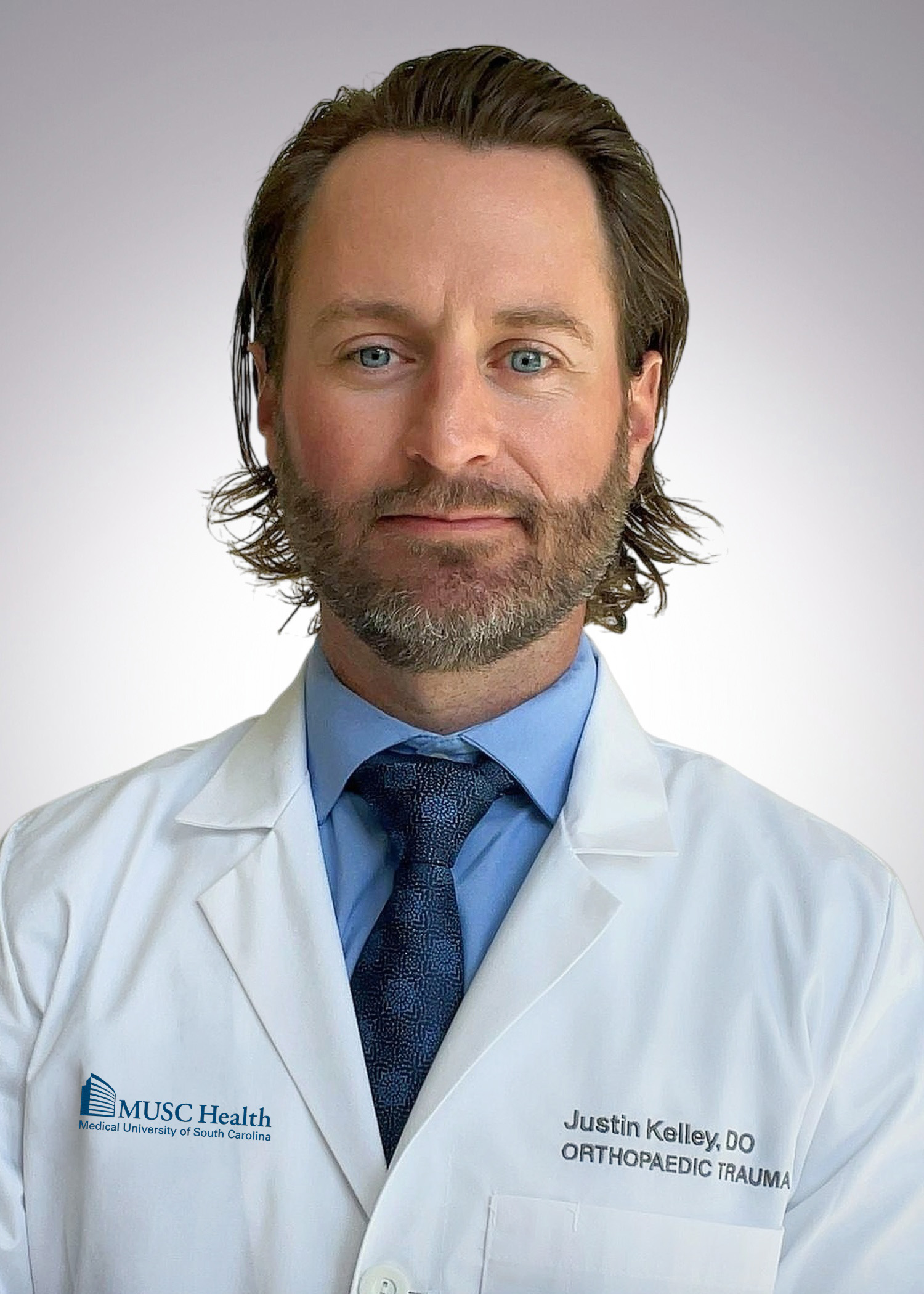
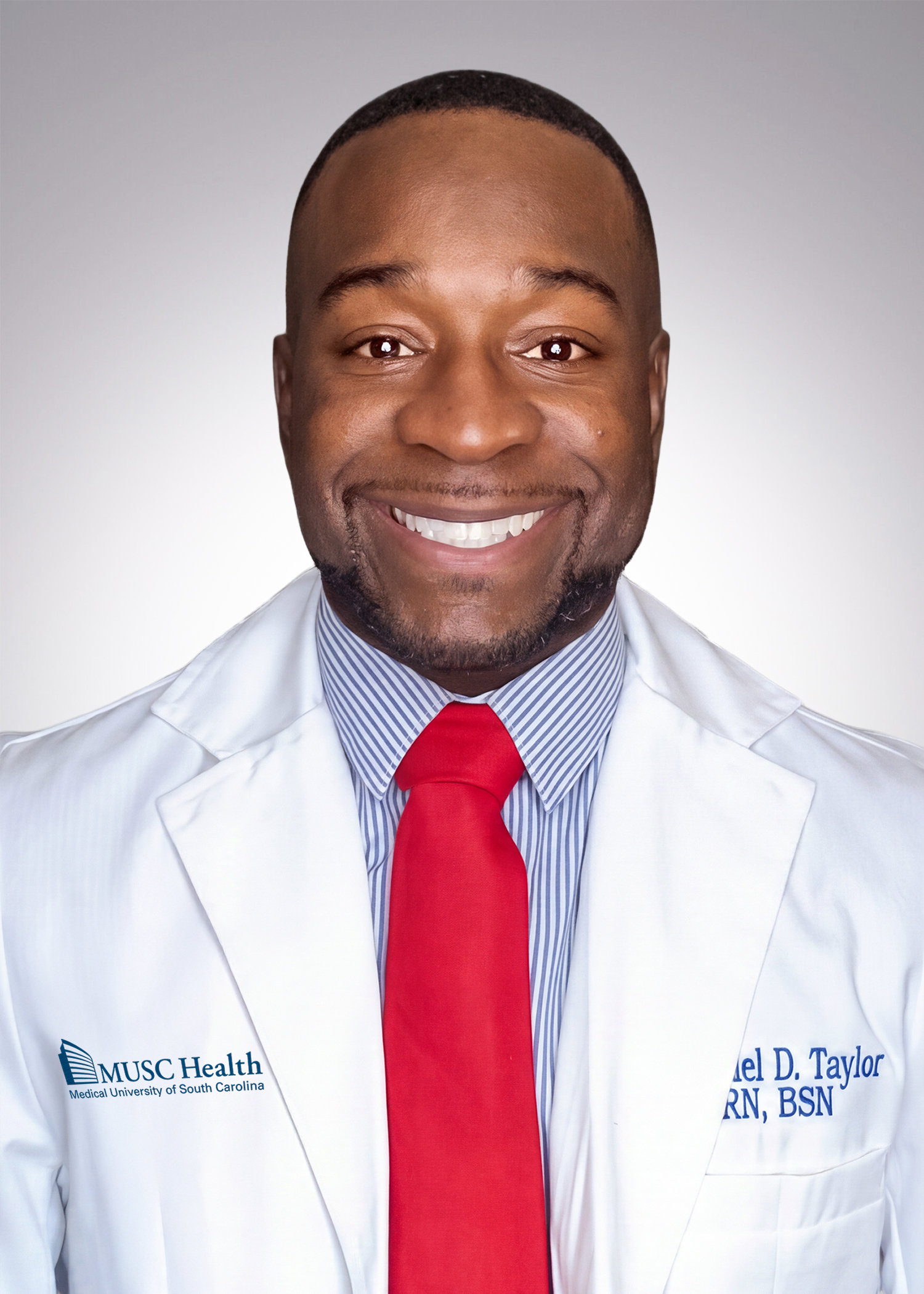
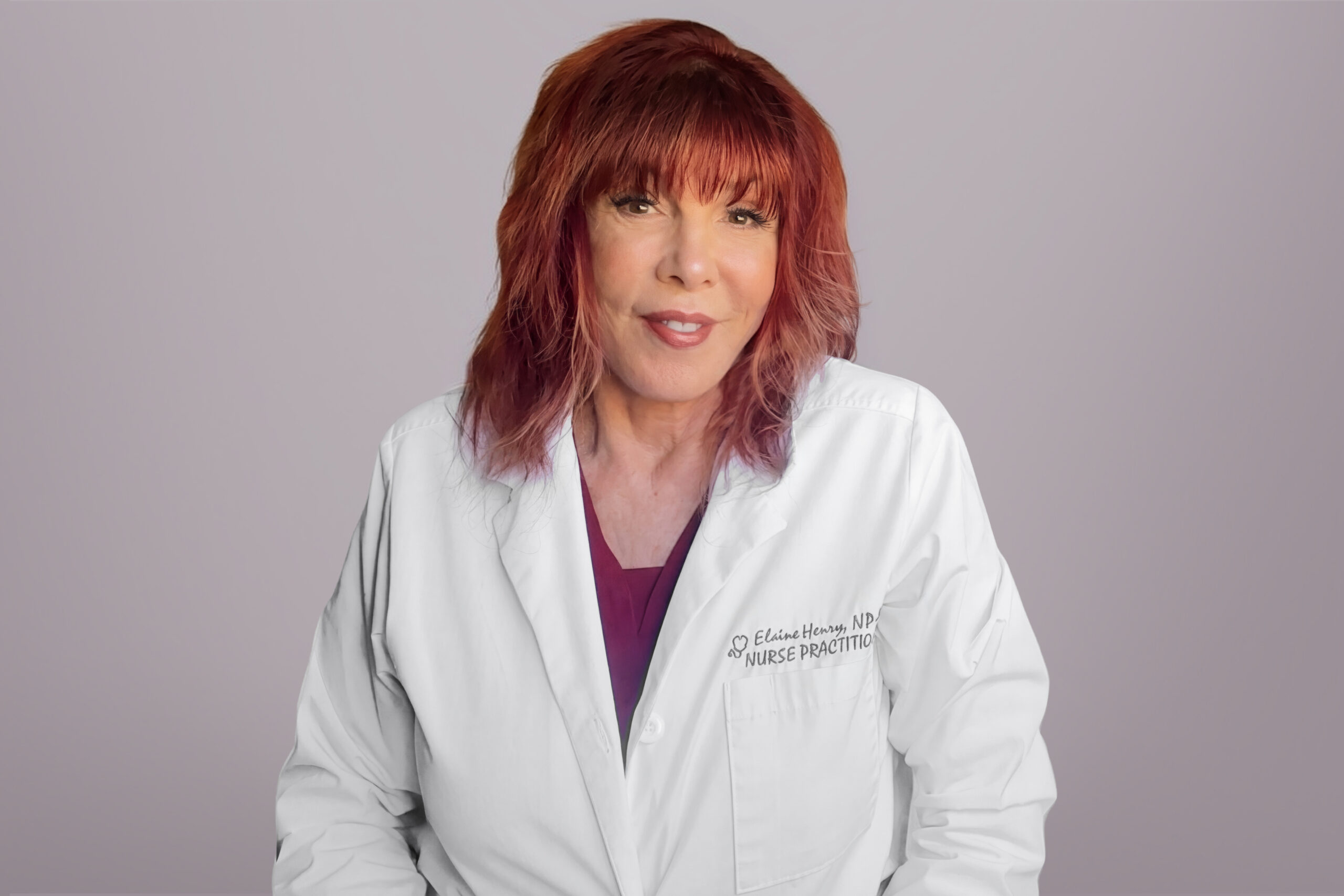
Doctor Headshot Examples
Frequently Asked Questions
How much do doctor headshots cost?
Individual sessions are priced per session, and organizations get volume pricing based on how many providers they are photographing. Traditional studio and on-location physician headshots commonly run $150 to $450 per person before travel and reshoot fees. Request a quote and we will price your provider count directly.
Do physicians have to go to a studio?
No. Sessions run on the provider’s own phone from wherever they are. There is no studio, no travel, and no on-site setup.
How long does a session take?
About ten minutes, scheduled by the provider.
How fast are images delivered?
Edited images are delivered within 24 hours of the session.
Are these AI-generated images?
No. Every Capturely image is a real photograph captured by a real camera. Our Agentic Photographer directs the session the way a human photographer does, coaching framing, posture, and expression, and the camera captures what is actually there. We do not generate, swap, or synthesize faces.
Can you photograph an entire health system?
Yes. Providers can be distributed across any number of sites and shoot the same week. We work from your standards so every image matches regardless of location.
What about new providers who join after the main shoot?
That is the gap we are built for. Providers onboarding mid-year book a session in their first week and arrive in the directory with a photo that matches everyone else’s.
Should doctors wear a white coat?
Follow your organization’s policy, and apply one standard across the whole directory. A directory where half the providers are coated and half are not looks inconsistent regardless of which choice individual providers would have made.
Is the process secure?
We connect to the device camera and nothing else. We do not access device storage, photos, contacts, or any clinical or patient system.
How often should a physician update their headshot?
Every three to five years, or sooner at a career transition such as residency, fellowship, a move to a new system, or a rebrand.
Get Your Providers Photographed Without a Photo Day
Tell us how many providers you need and we will put together a plan and a quote. Groups qualify for a complimentary session so you can see the output before you commit.

Looking for an individual session? Click here