



Insurance Agent Headshots for Agents, Producers, and Agency Teams
Ten minutes from your office, no photo day
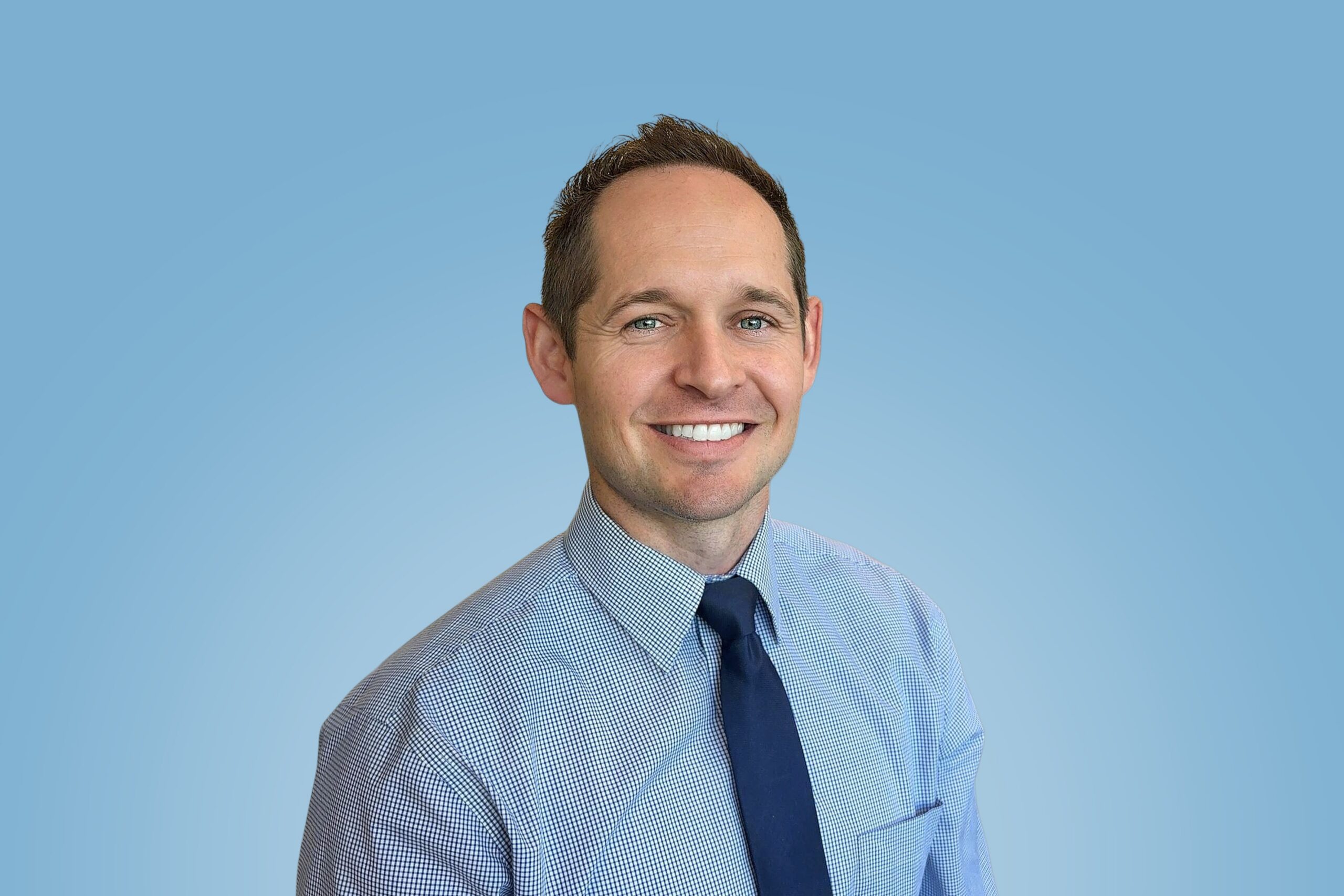
An insurance agent headshot is a professional portrait used on your agency website, Google Business Profile, carrier directory listing, renewal communications, and LinkedIn. Capturely captures them virtually. You open a link on your phone, a photographer directs the session live, and edited images arrive within 24 hours. No studio, no travel, and no closing the office for a photo day. We have delivered more than 100,000 headshots to date.
Why an Insurance Agent’s Photo Works Harder than Most
Insurance is a local business won on trust and kept on renewal, and the photo is in both halves of that.
Prospects find agents the way they find restaurants. They search, they look at a map pack, and they click a Google Business Profile. The photo on that profile is frequently the first thing a stranger sees before deciding whether to call, and it is sitting next to three competitors doing the same thing. This is a materially different job from a corporate headshot buried on a team page that nobody visits.
Then it keeps working for years. The same photo appears on renewal notices, policy review emails, the agency site, carrier and association directories, the community sponsorship page, and the sign in the window. An insurance relationship is one of the longest-running commercial relationships most people have, and for most of those years the photo does more of the contact than the agent does.
Which is why a stock image is a strange choice and a generated face is a worse one. If the photo is not actually you, every year of that relationship is running on a small misrepresentation to someone who is going to meet you at claim time.
Captive and Independent Agents Have Different Problems
This is the split that determines what you actually need, and nobody writing about insurance headshots seems to mention it.
Captive agents write for one carrier and operate inside that carrier’s brand. Background, attire, logo treatment, and sometimes the photo specs themselves are set for you, and the photo may need to satisfy both the carrier’s standards and your own local marketing. The constraint is conformity: your photo has to look like it belongs to a national brand while still being the face of a neighborhood office. We shoot to whatever spec the carrier publishes.
Independent agents and brokers have the opposite problem. You own the brand entirely, which means nothing is decided for you and nothing is consistent unless you make it so. Independent agencies also tend to accumulate staff over time without a photo program, so the team page ends up as a mix of a professional shot from 2017, a cropped conference photo, and two placeholders.
Brokerages that have been acquiring have the hardest version. Insurance brokerage consolidation has been running continuously for a decade, and a brokerage that has absorbed a dozen agencies has a team page assembled from a dozen photographers. Unifying it is normally a travel budget problem. It does not have to be.
Who in the Agency Needs a Headshot
More people than usually get one.
Principals and agency owners. Highest visibility, appear in community and association material, and set the standard everyone else matches.
Producers. Client-facing by definition and the most likely to be searched by name before a first meeting. If anyone in the agency has an outdated photo, it should not be the people selling.
Account managers and client service staff. Frequently the person a client actually deals with for years, and almost never photographed. An agency that puts service staff on the site with real photos is making a credible claim about service.
Claims and operations. Internal use, badges, intranet, but worth doing in the same pass because the marginal cost of including them is small and the inconsistency of excluding them is visible.
Insurance sits inside our broader financial services headshots program, alongside our guides to financial planner headshots and accountant headshots.
Two Ways to Shoot It
Live Photographer or Agentic Photographer
Capturely offers two capture methods with the same delivery standard, the same editing team, and the same 24-hour turnaround. Live photographer sessions are booked to a photographer’s calendar and fit principals, producers, and anything going on a Google Business Profile or carrier directory. Agentic Photographer sessions run on demand at any hour, which fits agency-wide rollouts, post-acquisition unification, and new producer onboarding.
Neither one generates a face. Most of what ranks for this search does. AI headshot generators are trained on millions of other people and produce an image of someone who does not exist wearing your approximate features. Capturely never does that. Our agentic director does what a human photographer does: it runs the shoot. It coaches framing, posture, angle, and expression, and the camera captures what is actually in front of it. Real camera, real light, real you. It directs the shoot. It never invents the picture.
In a business where the client meets you at renewal, at a claim, and at their kitchen table, the photo has to be the person who shows up.
From Setup to Delivery
How It Works
Background, crop, attire, and any carrier brand requirements. We load them once and every image matches, including the producer you hire next spring.
They get a link. No app, no account, no software for IT to approve. We send the reminders.
From the agency, a branch, or a home office, without closing the office or losing a selling day. The phone’s rear camera does the capturing, which is the higher-resolution lens. The session is directed the whole way through.
Delivered in the formats your website, Google Business Profile, and carrier directory listings require.
Built for How Agencies Actually Work
Nobody closes the office. A photo day at a small agency means the phones go unanswered or everyone takes turns leaving the desk. A ten-minute session between calls does not.
Every branch at once. Multi-location agencies and brokerages shoot on the same standard the same week, with no travel and no per-day rate.
Post-acquisition unification. When a brokerage absorbs an agency, the new people can be photographed to the existing standard immediately instead of staying visibly different until the next photo day.
New producers photographed in week one. Producers are hired continuously and are client-facing from the start. They should not spend their first six months as a placeholder.
Carrier brand compliance. If your carrier publishes photo specifications, we shoot to them, so you are not choosing between looking like the brand and looking like your office.
A minimal security footprint. We connect to the camera and nothing else. No access to device storage, photos, contacts, or any agency management or client system.
What Insurance Agents Should Wear
Match your market, not a stereotype. A commercial lines producer calling on manufacturers and a personal lines agent in a small town are selling to different people. Business formal reads as competent and slightly distant. A blazer without a tie, or a branded quarter-zip, reads as approachable and local. Both are correct for the right book.
Solid, mid-tone colors. Avoid tight patterns and busy textures, which fall apart at the size a Google Business Profile photo actually displays.
Carrier branding. If you are captive, follow the carrier’s guidance on logo wear. If you are independent, agency-branded apparel is a reasonable choice for the team page and a poor one for LinkedIn, where you want the photo to outlast the job.
One standard per agency. The most common mistake is not the wrong choice, it is nine different choices on one page.
Grooming and glasses: Normal day, normal you. If you wear glasses with clients, wear them. Our photographers manage glare during the session.
When to update: On changing carriers or agencies, after an acquisition or rebrand, on moving from service into production, and otherwise every two to three years. An insurance photo tends to stay in circulation longer than most, so it ages in public.
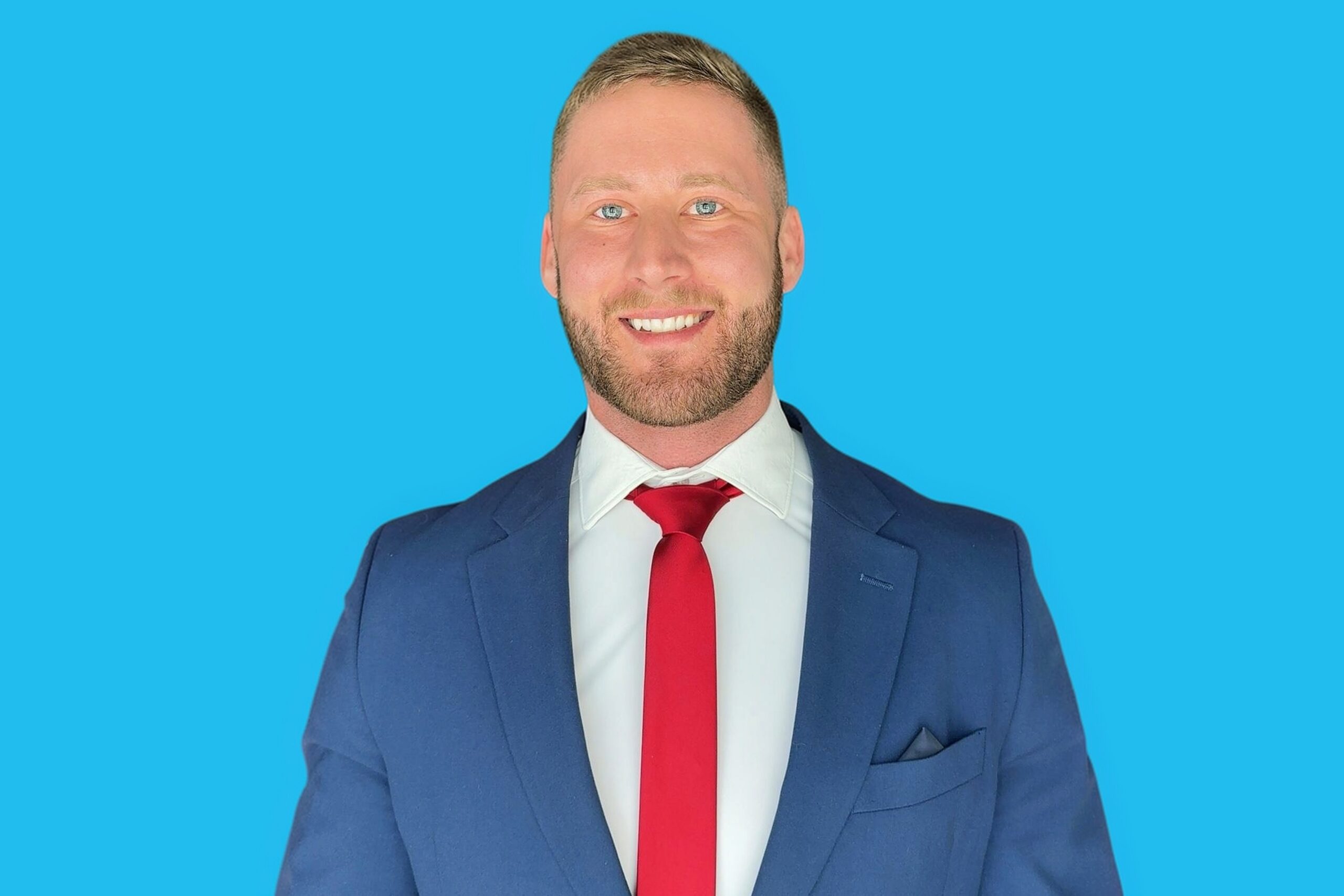
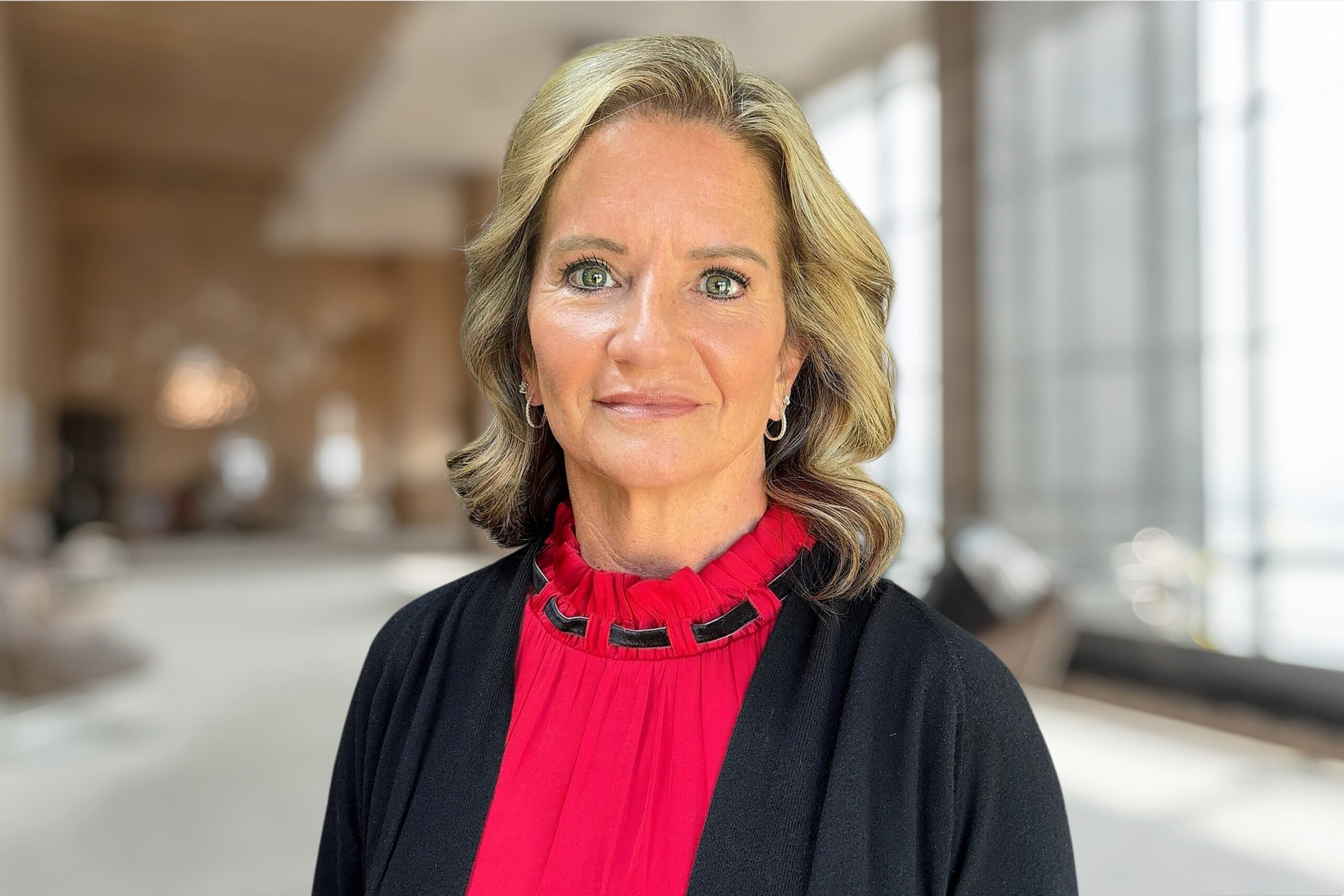
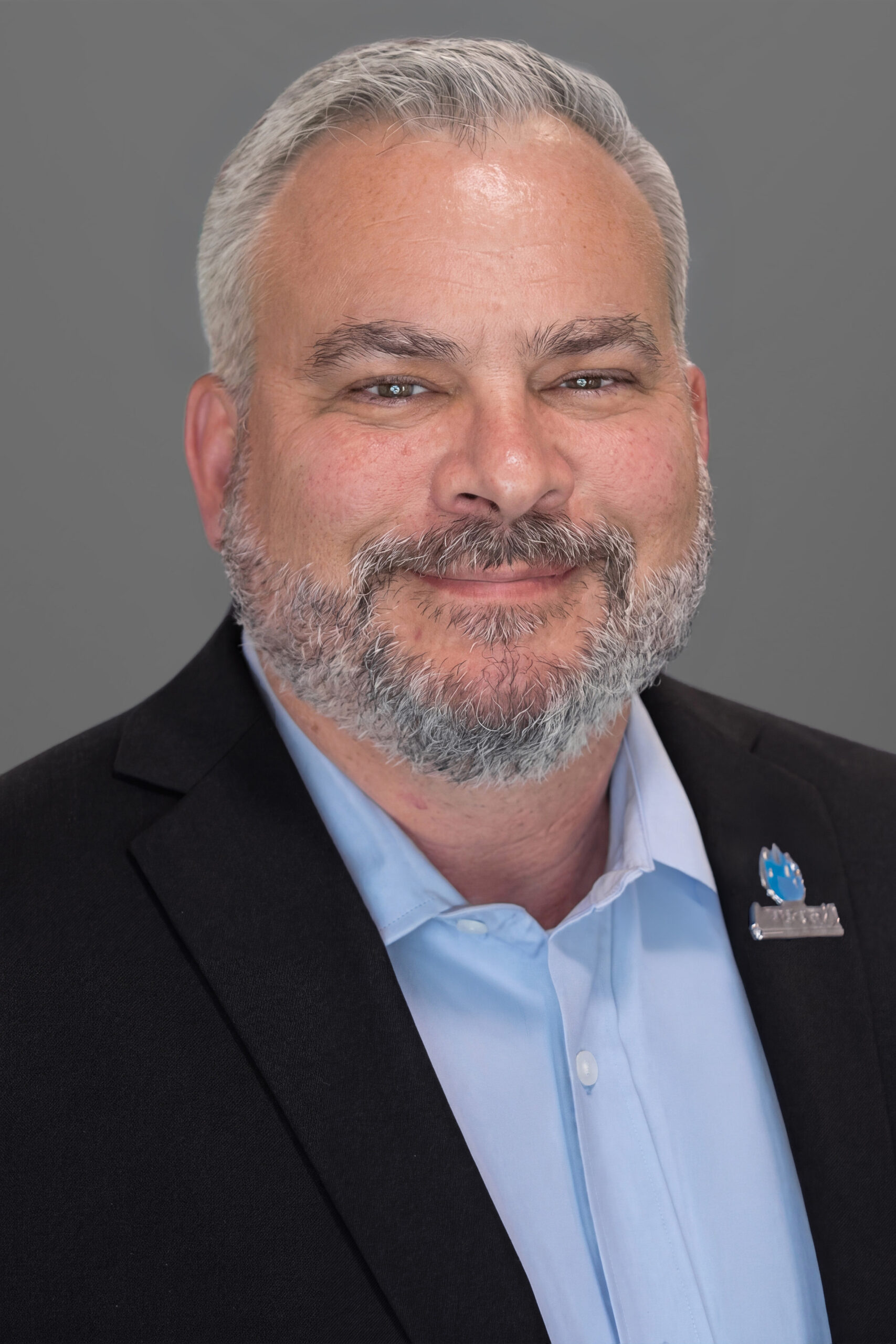
Insurance Agent Headshot Examples
Frequently Asked Questions
How much do insurance agent headshots cost?
Individual sessions are priced per session, and agencies get volume pricing based on team size. Traditional studio and on-location sessions commonly run $150 to $400 per person before travel. Request a quote and we will price your agency directly.
Do I have to go to a studio?
No. Sessions run on your own phone from your office, a branch, or home. Nobody travels and the office stays open.
Can you photograph a whole agency or brokerage?
Yes, across any number of locations in the same week, all matched to one standard. This is the most common reason multi-location brokerages come to us.
Can you match my carrier’s brand standards?
Yes. If your carrier publishes photo specifications for background, crop, or attire, we shoot to them.
What should an insurance agent wear for a headshot?
Match your book. Business formal for commercial lines and professional markets, a blazer or branded layer for personal lines and community-facing offices. Solid mid-tone colors in all cases, and one consistent standard across the agency.
Are these AI-generated images?
No. Every Capturely image is a real photograph captured by a real camera. Our Agentic Photographer directs the session the way a human photographer does, coaching framing, posture, and expression, and the camera captures what is actually there. We do not generate, swap, or synthesize faces. This matters in insurance, where the client meets you at renewal and at claim time.
Is a professional photo worth it for a Google Business Profile?
It is one of the highest-visibility places an agent’s photo appears, often seen by prospects before any other contact and displayed directly beside local competitors.
What about new producers who join later?
They can be photographed in their first week to the same standard, so the team page stays consistent without waiting for another group session.
How long does a session take, and how fast are images delivered?
About ten minutes, with edited images delivered within 24 hours.
Is the process secure?
We connect to the device camera and nothing else. We do not access device storage, photos, contacts, or any agency management or client system.
Photograph the Whole Agency Without Closing the Office
Tell us how many people you need photographed and we will put together a plan and a quote. Groups qualify for a complimentary session so you can see the output before you commit.

Looking for an individual session? Click here