



Home Health and Caregiver Headshots for Agencies
For a workforce that is never in one building
Home health headshots are professional photographs of caregivers, aides, and visiting clinicians, used on agency websites, caregiver ID badges, family-facing care portals, and the pre-visit notifications that tell a family who is coming to the house. Capturely captures them virtually, which is the only model that works for a workforce that is never in one building. Each caregiver opens a link on their phone, a photographer directs the session live, and edited images arrive within 24 hours. We have delivered more than 100,000 headshots to date.
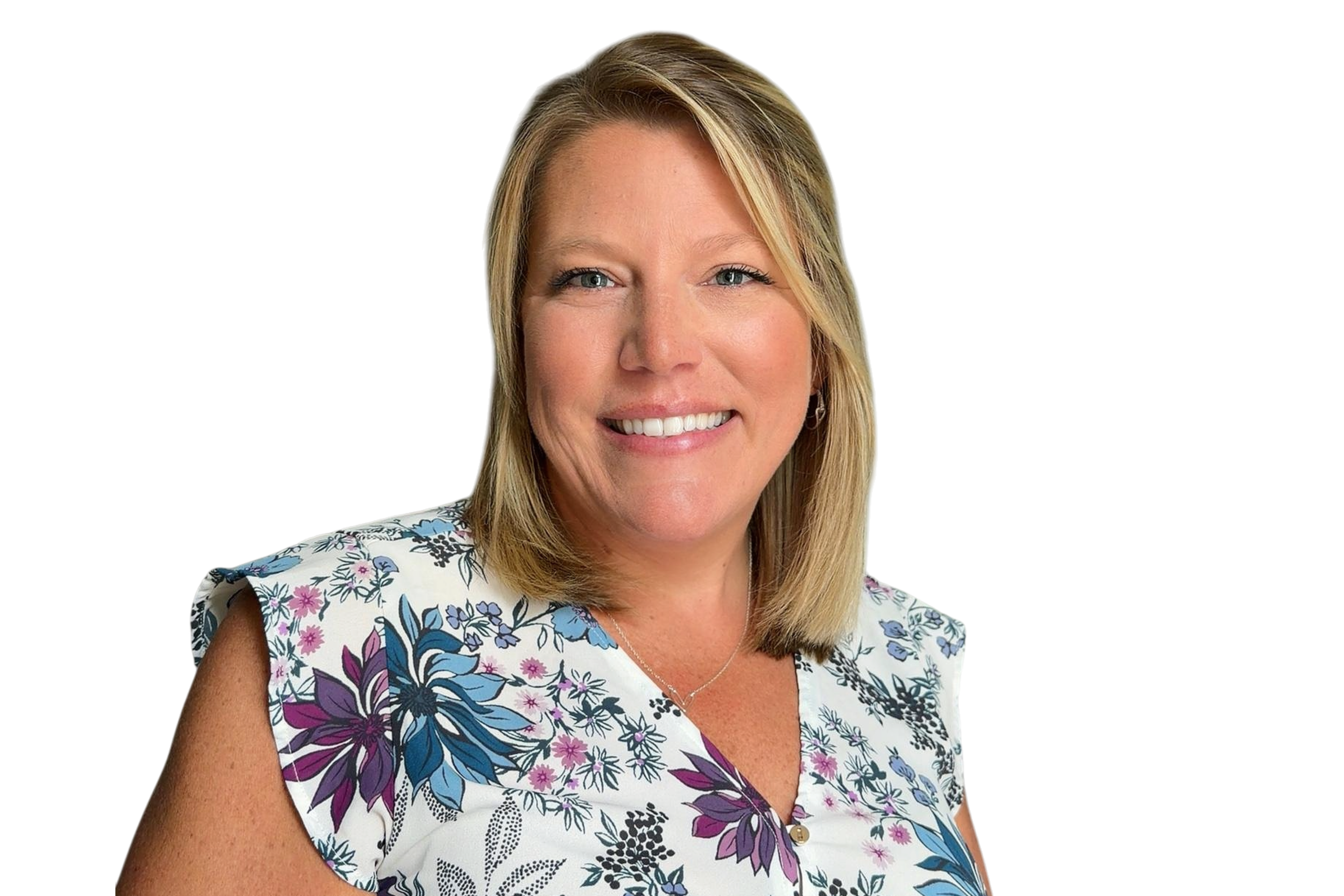
The Photo Is How a Family Knows the Right Person Arrived
Every other profession in healthcare meets patients on its own ground. Home health is the only one that goes to theirs.
A family schedules care for a parent. On the day, someone they have never met knocks on the door of a house where an elderly person is alone. The decision to open that door is being made by someone who may be confused, may be frail, may have been told repeatedly not to let strangers in, and who has no way to tell a legitimate caregiver from anyone else holding a clipboard.
A photograph sent ahead of the visit resolves that in about two seconds. The family sees who is coming. The patient sees the face before the face is at the door. If a different person arrives, everybody knows immediately.
Many agencies already do this well: a caregiver’s bio and photo goes to the family through the care portal ahead of the first shift, the photo is treated as part of the visit record rather than marketing collateral, and it is kept current, because an out-of-date photo is worse than none at all. It is the same logic that trained everyone to expect a photo of their delivery driver, applied to a far higher-stakes visit. The agencies that do it badly usually are not refusing. They simply have no mechanism to photograph a workforce that is never in the building, so the field in the software stays empty and the family gets a name and a time.
There Is No Day When Your Caregivers Are in One Place
This is the operational problem, and in home health it is more absolute than anywhere else in healthcare. A hospital can hold a photo day. It is inefficient, it misses the night shift, and the float pool never makes it, but a building exists and people move through it. A home health agency has no equivalent. The workforce is distributed by definition: in cars, in client homes, on split shifts, covering different territories, many of them part time, many working for more than one agency. Aides come to the office to onboard and then, in many agencies, almost never again.
So the usual advice does not apply here in a modified form. It does not apply at all. There is no venue, no window, and no realistic way to assemble people whose entire job is to be somewhere else.
Then the hiring volume compounds it. Home care is one of the fastest-growing occupations in the country and turnover among aides is persistently high, which means an agency of any size is onboarding continuously rather than seasonally. A photo program that depends on an annual event will be out of date for most of the roster most of the time, because most of the roster was hired after the event. The model that fits is the one where the caregiver photographs themselves in ten minutes, wherever they are, directed the whole way through, on the day they onboard. It is the same model behind our healthcare headshots program for hospital systems, applied to the one workforce that never passes through a lobby.
Where a Caregiver’s Photo Actually Goes
Not where you would expect, and mostly not on the website.
Pre-visit notifications. The message to the family saying who is coming and when. The most operationally valuable placement and the one most often empty.
Family-facing care portals and apps. Many agencies now give families a view of the care schedule. A roster of named strangers with no faces undercuts the reassurance the portal was built to provide.
ID badges. Often the only credential a family sees at the door, and frequently a bad photocopy of something taken at onboarding on somebody’s phone.
The caregiver’s personnel and credential file. Where a consistent, current photo has straightforward administrative value.
Agency website and leadership pages. Where families research before choosing, usually an adult child comparing agencies from another state.
Recruiting material. Which is a bigger line item than most agencies admit.
Care team introductions for hospice and complex cases. Where a family is meeting several people in a short window during the worst weeks of their lives, and being able to put faces to names in advance is a genuine kindness.
The Family Choosing an Agency Is Usually Not in the Room
The person selecting a home care agency is very often an adult child living in a different state, researching at night, comparing three agencies’ websites after a parent’s fall or a hospital discharge. They cannot visit. They cannot meet anyone. They are making a decision about who will be alone with their mother, from eight hundred miles away, on the basis of what a website shows them.
An agency site with real photographs of actual caregivers and clinicians is answering the only question that person has. An agency site with stock photography of models in scrubs is answering a different question badly, and the adult child making this decision is primed to notice, because they are already anxious and already looking for reasons to trust or not trust. This is the strongest commercial case for photographing the care staff rather than only the leadership team, and most agency websites do the reverse.
Caregivers Are Also Who You Are Recruiting
Agencies compete for aides at least as hard as they compete for clients, and in many markets harder. A professional headshot is a small, visible signal in a job category where workers are routinely treated as interchangeable. Photographing a new caregiver during onboarding, giving them the files to keep, and putting them on the agency’s site communicates something specific to someone deciding between two agencies offering similar hourly rates.
It also costs almost nothing relative to the recruiting spend it supports, and unlike a referral bonus it keeps working. If your agency already runs a caregiver appreciation program, this belongs in it.
Two Ways to Shoot It
Live Photographer or Agentic Photographer
Capturely offers two capture methods. Same delivery standard, same editing team, same 24-hour turnaround. What changes is who directs the session.
| Live Photographer Session | Agentic Photographer Session | |
|---|---|---|
| Who directs | A Capturely photographer, live, on a video call | Our agentic director, guiding framing and expression in real time |
| Scheduling | Booked into a photographer’s calendar | On demand, any hour |
| Best for | Leadership, clinical directors, anything on the agency website | Caregiver onboarding, continuous hiring, whole-roster rollouts |
| Shift fit | Business hours | Any hour, including between visits or after a late shift |
| Turnaround | Edited images in 24 hours | Edited images in 24 hours |
Both produce real photographs. This distinction carries unusual weight in this vertical, so it is worth being exact. Headshot generators take uploaded selfies and synthesize a face: the output is an image of someone who does not exist wearing approximate features, and nothing was photographed. Capturely’s Agentic Photographer works the other way around. It directs a live session the way a human photographer does, coaching framing, posture, angle, and expression in real time, while the camera captures what is actually in front of it. Real camera, real light, real you. It directs the shoot. It never invents the picture.
If the photograph’s job is to let a family confirm that the person at the door is the person the agency sent, it has to be a photograph of that person. An approximation is not a lower-quality version of that. It is the opposite of it. If your agency also employs visiting nurses or physicians, the same engagement covers the nurse headshots and doctor headshots standards too.
From Setup to Delivery
How It Works
Background, crop, attire, and the exact formats your scheduling software, badge printer, and family portal require. We load them once.
They get a link. No app, no account, no software for anyone to install. We send the reminders.
From home, from the car between visits, from the office on onboarding day. The phone’s rear camera does the capturing, which is the higher-resolution lens. The session is directed the whole way through.
In every format you specified, ready for the badge, the portal, and the site.
Built for How Home Health Actually Works
No Venue Required, Because There Is Not One
Sessions happen wherever the caregiver is, which is the only model that matches a workforce that is never centrally located.
Onboarding Day, Not Next Year
New caregivers photographed in their first week, which given continuous hiring is the difference between a current roster and a permanently stale one.
Every Territory and Every Office at Once
Multi-site agencies and franchise groups shoot on one standard with nobody traveling.
Badge-Ready and Portal-Ready Output
Delivered in the crops and resolutions your badge system and family-facing software actually require, rather than something to be resized by hand.
Consistency Across a High-Turnover Roster
Background, crop, and finish locked, so a caregiver hired this month matches one hired two years ago.
A Minimal Security Footprint
We connect to the camera and nothing else. No access to device storage, photos, contacts, or any clinical, scheduling, or patient system.
Part-time and multi-agency staff included: the aides who are hardest to schedule and easiest to leave unphotographed can shoot on their own time like everyone else.
What Caregivers Should Wear
Scrubs or agency polo, decided by the agency. Whatever the caregiver actually arrives in is the right answer, because the photo’s job is recognition at the door. A caregiver photographed in business attire who shows up in scrubs is harder to match, not easier.
Solid colors. Agency colors are fine and help. Avoid tight patterns, which degrade at badge and thumbnail size.
Include the badge or lanyard if that is what they wear. Same reasoning. The family is matching a person to a picture.
Neutral, consistent background. Set once by the agency. A consistent background across the roster is what makes a family portal look like one organization rather than a folder of phone pictures.
Warm and plain. This is not a corporate authority photo. The register that works is the one that reads as a decent person who is good with your mother.
Grooming and glasses: Normal day, normal you. If they wear glasses on shift, wear them in the photo.
When to update: At onboarding, after a significant change in appearance, and otherwise every two to three years. Recognition is the point, so an out-of-date photo fails at the only job that matters here.
Frequently Asked Questions
Why do home health agencies need caregiver photos?
Primarily for identification. A photo sent to the family before a visit lets them confirm that the person arriving is the caregiver the agency scheduled, which matters most when the client is elderly, cognitively impaired, or alone. Photos also appear on ID badges, family care portals, agency websites, and recruiting material.
How do you photograph caregivers who are never in the office?
Each caregiver books their own ten-minute session and shoots on their own phone, from home or between visits, directed live the whole way through. There is no photo day, no venue, and no travel, which is the only model that fits a fully distributed workforce.
Can you photograph caregivers during onboarding?
Yes, and that is the recommended approach. A session during onboarding week means a new caregiver appears in the portal and on their badge from day one, which matters in a field with continuous hiring.
What formats do you deliver for badges and care portals?
Whatever your badge system and software require. Tell us the specs during setup and every delivery matches, including square crops for portal avatars and higher resolution for printed badges.
Are these AI-generated images?
No. Every Capturely image is a real photograph captured by a real camera. Our Agentic Photographer directs the session the way a human photographer does, coaching framing, posture, and expression, while the camera captures what is actually there. We do not generate, swap, or synthesize faces. For a photo whose purpose is letting a family confirm who is at the door, that is not a preference, it is the whole requirement.
Should caregivers be photographed in scrubs?
Generally yes, or in whatever the agency’s caregivers actually wear on a visit, because the photo’s job is recognition at the door.
How much do caregiver headshots cost?
Agencies get volume pricing based on roster size, and individual sessions are priced per session. Request a quote and we will price your roster directly.
Can you handle a multi-location or franchise agency?
Yes. Every territory shoots against the same stored standard in the same week, with nobody traveling.
What about part-time and multi-agency caregivers?
They can be photographed like anyone else, on their own schedule. These are usually the staff most often missed, and the ones a scheduled photo day never reaches.
Is the process secure?
We connect to the device camera and nothing else. We do not access device storage, photos, contacts, or any clinical, scheduling, or patient system.
Photograph a Workforce That Is Never in the Building
Tell us how many caregivers you need photographed and we will put together a plan and a quote. Groups qualify for a complimentary session so you can see the output before you commit.

Looking for an individual session? Click here