



Banking Headshots for Branch Networks, Lenders, and Deal Teams
Every branch, one standard, no photo day
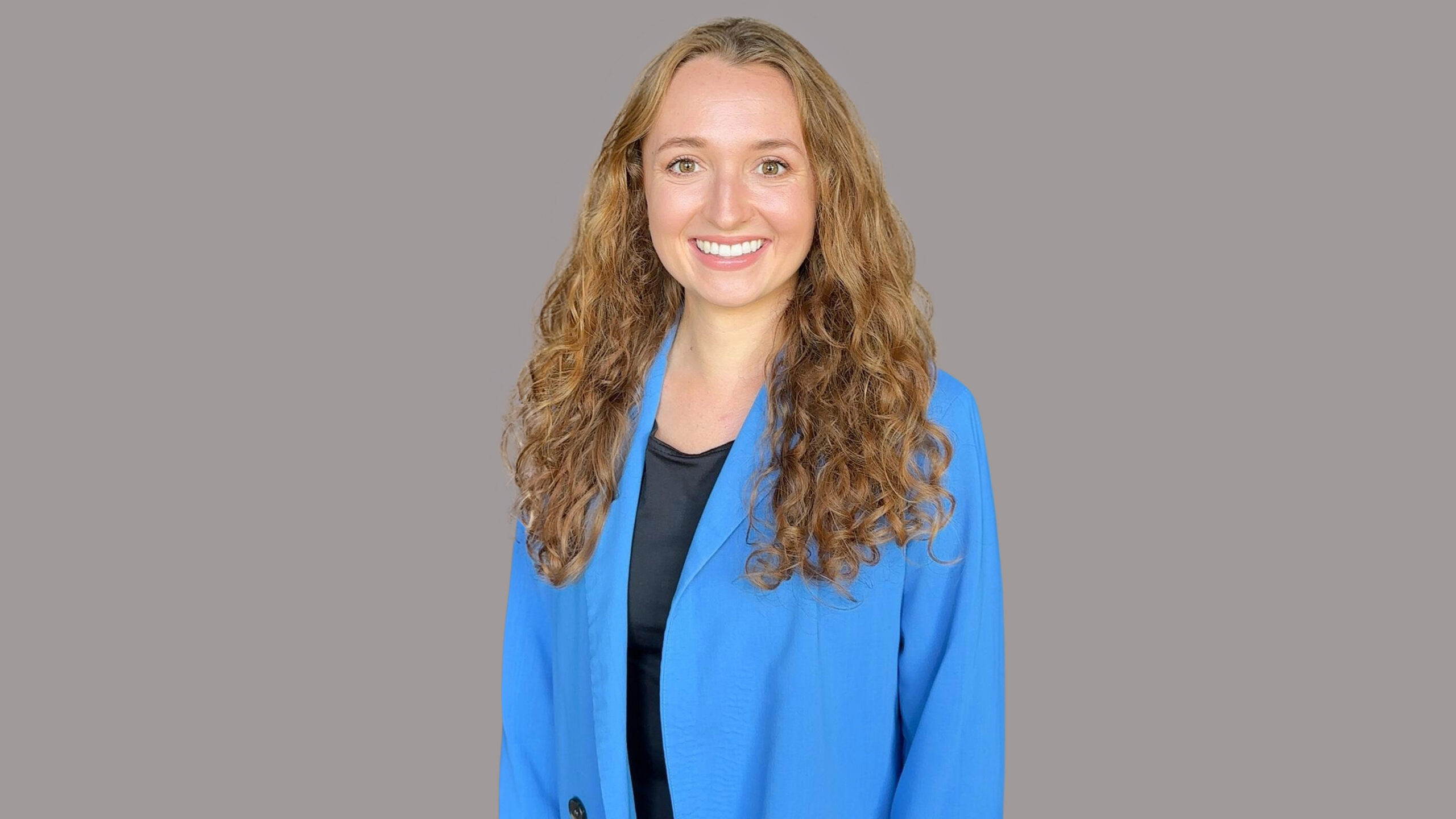
Banking headshots are professional portraits used on bank websites, branch locator pages, lender directories, loan officer profiles, pitch book bios, and LinkedIn. Capturely captures them virtually. Each person opens a link on their phone, a photographer directs the session live, and edited images arrive within 24 hours, matched to one standard across every branch and every office. No studio, no travel, and no photo day that half the network misses. We have delivered more than 100,000 headshots to date.

Why a Bank Is a Harder Headshot Problem than a Firm
Because a bank is not in one building.
An advisory practice has an office. An accounting firm has a floor. A regional bank has forty or sixty or a hundred and twenty branches, spread across a footprint that takes a day to drive across, staffed by people who cannot all leave the counter at the same time. The traditional answer is a photographer on a circuit: a schedule, a travel budget, and a calendar that runs for months. By the time the circuit finishes, the branches photographed first have already changed.
This is the specific shape of problem that virtual capture solves better than scheduling solves it. Distance stops being a variable. A branch in a town of four thousand people gets exactly the same session, the same direction, and the same finished image as the flagship downtown. Nobody drives anywhere, and the whole network can be photographed inside a window measured in days rather than quarters. It is the network-scale version of the delivery problem our financial services headshots program is built around.
Your Branch Managers Are Local Search Infrastructure
This is the part that gets missed, and it is worth more than the website.
Every branch has a location page and a local business listing. Those listings are how someone searching for a bank near them actually finds the branch, and a listing with a real human face attached performs differently from one showing a building and a parking lot. A bank with sixty branches is not running one marketing page. It is running sixty local entries, each of which wants a manager’s photo on it.
Most banks have photos for the executive team and nothing below it. The leadership page is immaculate and the branch pages are empty, which is precisely backwards, because the branch is where the customer actually walks in. The manager of a branch in a mid-sized town is, to that town, the bank. That face is worth photographing properly.
Doing this with a traveling photographer is impractical at sixty locations. Doing it with a link is a Tuesday.
For Loan Officers and Mortgage Originators, the Photo Is a Lead Source
A loan officer’s headshot does not sit quietly on a team page. It works.
It appears on lender directories, rate comparison sites, real estate referral pages, and the originator’s own profile, which is often the first thing a borrower sees after a realtor says a name out loud. That borrower is making a decision about the largest transaction of their life, usually in the first few seconds of looking at a profile, and usually against three other names on the same page.
So the photo is competing directly, next to peers, at the moment of comparison. A cropped group photo or a picture taken in a car loses that comparison to a properly lit, properly directed portrait every time, and the loss is invisible because nobody tells you they picked someone else.
Lending teams also turn over and move between lenders more than most banking roles, which means the photo needs to be easy to redo under new branding rather than being a once-every-five-years production. That is a subscription-shaped need, not a photo-day-shaped one. And if your bank runs a wealth management arm, our guide to financial planner headshots covers that side of the house.
Investment Banking Runs on an Annual Class Cycle
Deal teams have a different problem on a predictable schedule.
Every summer a new analyst and associate class arrives, and every one of them needs a photograph that matches the people who were hired three years earlier. The photo then goes somewhere unusual: into pitch books and credentials decks, next to a bio, inside a document that goes out to a client who is deciding whether to hand this team a mandate. It is not decoration on a website. It is a page in a sales document.
That raises the bar in a specific way. Consistency matters more than personality. A bio page where four bankers were photographed in four different styles reads as a team assembled by accident, which is the opposite of what a pitch book is supposed to communicate. Every face needs the same background, the same crop, the same light, and the same treatment, regardless of which office the person sits in or what year they joined.
A new class every year also makes the one-time shoot structurally wrong. The need is recurring by design, so the capture should be too.
Two Ways to Shoot It
Live Photographer or Agentic Photographer
Capturely offers two capture methods with the same delivery standard, the same editing team, and the same 24-hour turnaround. What changes is who directs the session.
Live Photographer Sessions. A professional photographer directs your session live over video. They adjust your framing, your light, your posture, and your expression in real time, exactly as they would in a studio, and they shoot when it is right. Best for leadership, for anyone who wants a photographer’s eye on them, and for teams who want a scheduled, guided experience.
Agentic Photographer Sessions. Our agentic photographer directs the session instead. It reads the frame, coaches position and expression, and captures when the shot is right. It runs on demand, which means a new hire in a branch three states away can be photographed the morning they start rather than waiting for the next round. Best for scale, for continuous onboarding, and for networks where coordinating schedules is the actual bottleneck.
Neither one generates a face. AI headshot generators are trained on millions of other people and produce an image of someone who does not exist wearing your approximate features. Capturely never does that. Our agentic director does what a human photographer does: it runs the shoot. It coaches framing, posture, angle, and expression, and the camera captures what is actually in front of it. Real camera, real light, real you. It directs the shoot. It never invents the picture.
In banking that distinction carries real weight. A borrower who meets their loan officer after choosing them from a profile, or a client who meets a deal team after seeing a pitch book, is checking whether the person in front of them is the person they picked. A directed photograph of you survives that moment. A synthesized one does not.
From Setup to Delivery
How It Works
Background, crop, attire guidance, retouching level, and the exact formats your website vendor, your branch locator, and your pitch book template each require. We load them once and they apply to everyone.
They get a link. No app, no account, nothing for your IT or vendor management team to approve, which in banking is not a small consideration.
From a branch office, a desk, or home. The phone’s rear camera does the capturing, because it is the better lens. The session is directed the whole way through.
Consistent across every branch, every region, and every hire, in every format you asked for.
The standard is already stored, so someone hired in March matches someone photographed last June.
Banking Headshot Examples


Frequently Asked Questions
Do bank employees need professional headshots?
Customer-facing roles benefit most: branch managers, personal bankers, lenders, relationship managers, and anyone whose photo appears on a branch page, a lender directory, or a client document. Back-office roles often do not need one, though many banks photograph everyone so the internal directory is consistent.
What should a banker wear for a headshot?
Match what you would wear meeting a client in your actual market. For most retail and commercial banking that is a jacket without a tie, or a blazer over a simple top. Investment banking skews more formal. Solid mid-tone colors work best. Avoid tight patterns, logos, and anything that reads as a uniform unless your bank requires one.
Can you photograph staff across multiple branches?
Yes, and it is the main reason banks come to us. Location is not a cost variable. Every branch in your network can be photographed in the same window to the same standard without anyone traveling.
How quickly can a new hire get a headshot?
Within a day of starting, in most cases. Your standards are already stored, so a new person simply receives the link and is photographed to match the team.
Are the photos AI generated?
No. The photos are real. Our agentic photographer directs the session, coaching framing and expression the way a human photographer does, and the camera captures what is actually in front of it. We never synthesize a face.
Do you work with credit unions and community banks?
Yes. Smaller institutions tend to benefit most, because the gap between what they can afford in traveling photography and what a large bank can afford is exactly the gap virtual capture closes.
Every Branch, Every Lender, One Standard
Tell us how many people you need photographed across your network and we will put together a plan and a quote. Groups qualify for a complimentary session so you can see the output before you commit.

Looking for an individual session? Click here