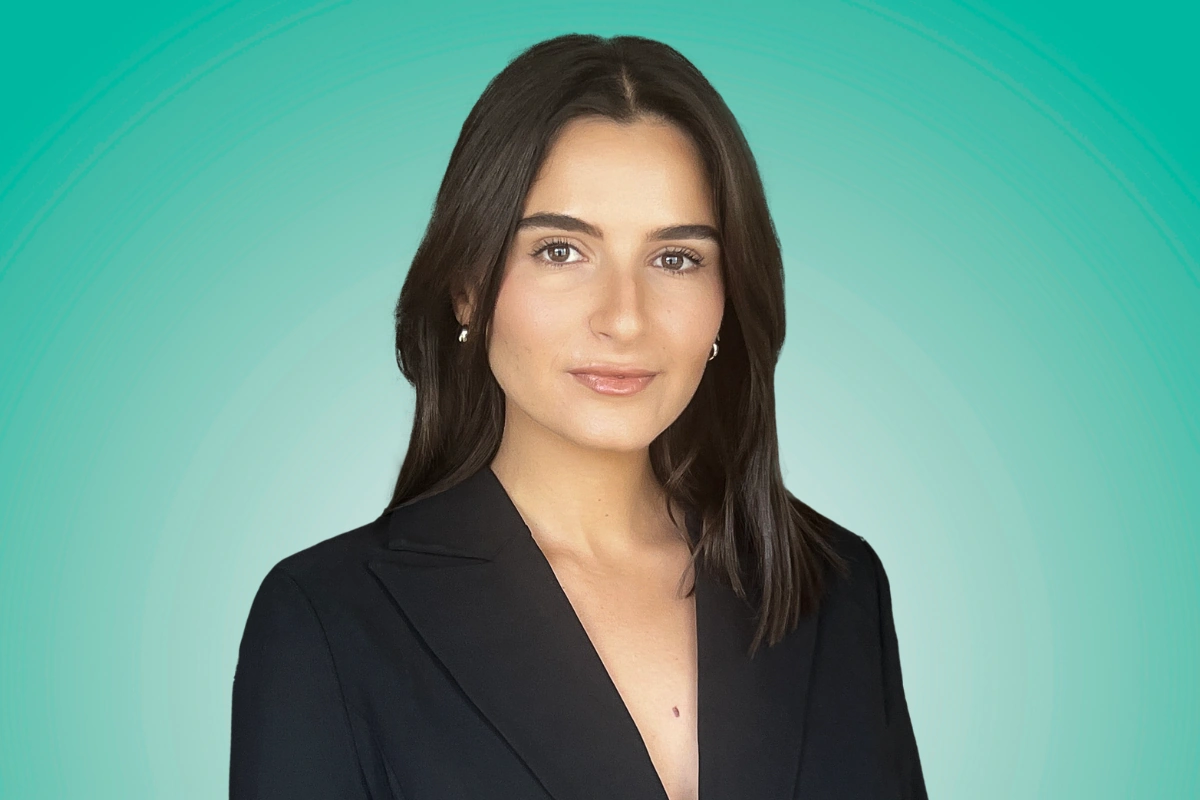
A professional photo for your resume is a formal headshot placed on a CV or job application—and whether you should include one depends entirely on where you’re applying. In the United States, United Kingdom, Canada, and Australia, skip it. Resume photos trigger bias concerns, confuse applicant tracking systems, and add nothing recruiters can’t find on LinkedIn. In Germany, Japan, France, and much of Asia, a photo is expected or required. The real move for US job seekers? Invest in a professional headshot for LinkedIn, where it actually drives results.
Last updated: March 2026
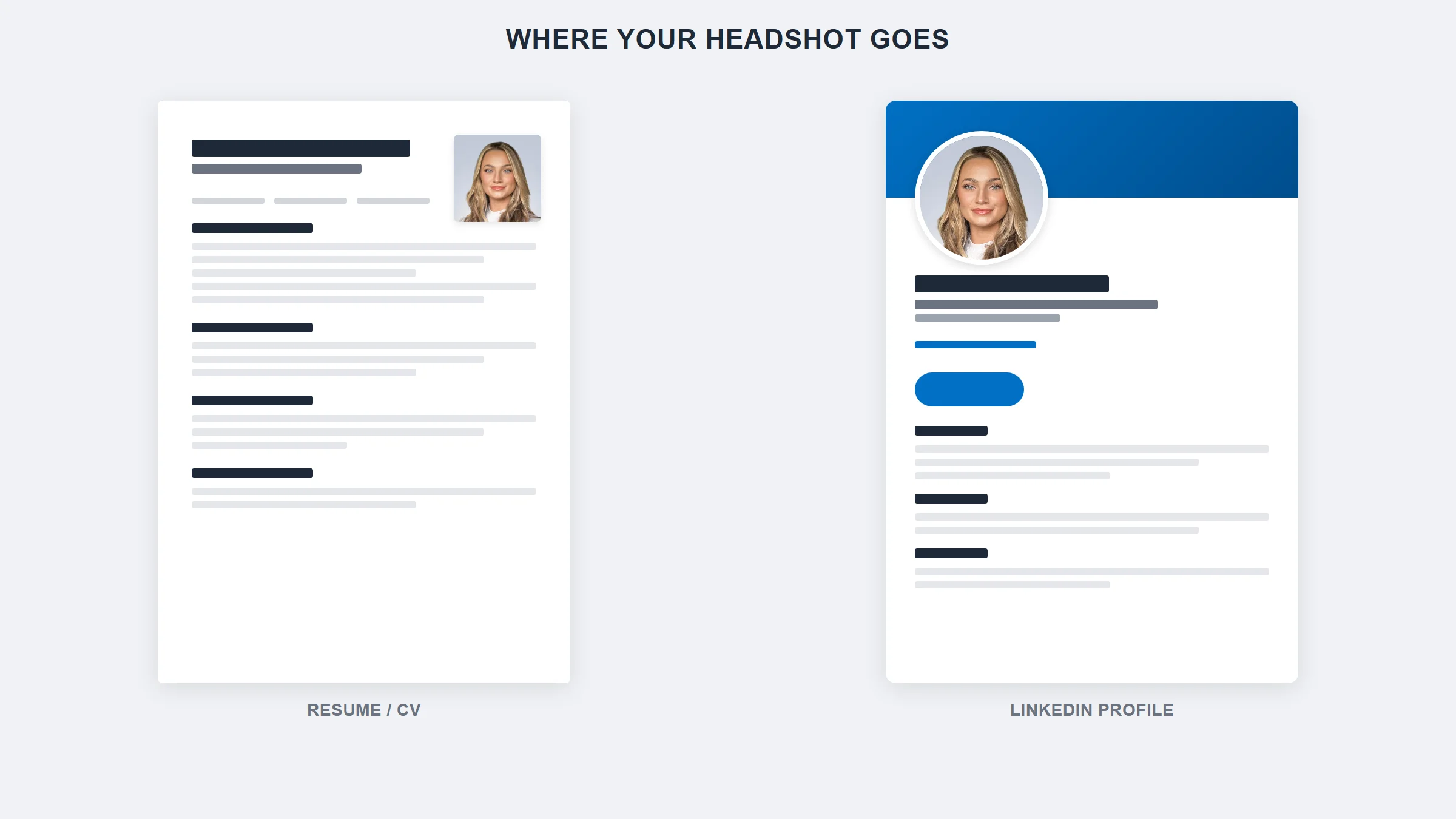
Here’s what makes this question tricky: the answer isn’t universal. A resume photo that helps you land interviews in Munich could get your application auto-rejected in Chicago. And the data on both sides is more complex than the standard “never include one” advice suggests.
This guide breaks down the real data—when a resume photo helps, when it hurts, the country-by-country norms, exact photo specifications if you need one, and the LinkedIn strategy that makes the whole debate mostly irrelevant.
Should You Put a Photo on Your Resume?
The short answer: it depends on the country. The long answer involves anti-discrimination law, applicant tracking software, and unconscious bias research that should make every job seeker think twice.
In the United States, resume photos are broadly discouraged. The Equal Employment Opportunity Commission (EEOC) doesn’t explicitly ban them, but the agency has warned that photos “could increase the risk of discrimination or the appearance of discrimination” when an employer “learns or surmises the person’s gender, race, or ethnicity” (EEOC Informal Discussion Letter). Title VII of the Civil Rights Act of 1964 prohibits employment decisions based on race, color, religion, sex, or national origin—and a headshot reveals most of those characteristics instantly.
The bias data backs this up. Researchers at Ben-Gurion University sent 5,312 CVs to 2,656 job openings in Israel, pairing identical resumes—one with a photo, one without. Attractive men received a 19.9% callback rate versus 9.2% for no-photo resumes. For women, the results flipped: no-photo resumes got the highest callbacks, 22% more than resumes with photos of attractive women (Ruffle & Shtudiner, Management Science, 2015). Photos didn’t just introduce bias—they introduced unpredictable bias.
Then there’s the ATS problem. Approximately 75% of all resumes are rejected by applicant tracking systems before a human reviews them (Davron, 2024). Resumes with embedded images, photos, icons, or charts see even higher rejection rates—up to 88%—because ATS software parses text, not visuals (JobSolv, 2025). A photo can shift text positioning and create garbled output that makes your entire resume unreadable to the system.
Will Cannaby, a finance recruiter with over 10 years of experience at Robert Half, puts it bluntly: “Keep your photo for places like LinkedIn. A picture won’t add any value to your resume as it doesn’t say anything about your skillset or your experience” (Robert Half, 2025).
When a Resume Photo Helps
Not every job market follows US norms. In much of the world, omitting a photo signals that your application is incomplete—or worse, that you’re hiding something.

International Applications Where Photos Are Expected
If you’re applying to jobs in continental Europe, East Asia, the Middle East, or Latin America, a professional photo isn’t optional—it’s part of the application.
| Region | Photo Expected? | Notes |
|---|---|---|
| United States, Canada | No—discouraged | EEOC/Human Rights Act compliance; ATS rejection risk |
| United Kingdom, Ireland | No—discouraged | Equality Act 2010; exception for acting/modeling |
| Australia, New Zealand | No—discouraged | Anti-discrimination laws; exception for entertainment |
| Germany, Austria, Switzerland | Yes—traditionally expected | AGG law makes photos optional, but most candidates include them |
| France | Common but shifting | Anti-discrimination laws exist, but practice persists |
| Spain, Italy | Yes—standard | Expected on most CVs |
| Japan | Yes—mandatory | Omitting signals unprofessionalism; rirekisho format requires it |
| South Korea | Yes—expected (shifting) | Was mandatory; some modern companies becoming flexible |
| China | Yes—mandatory | Expected across all industries and positions |
| India | Optional, encouraged | MNCs and startups increasingly prefer text-only CVs |
| UAE, Saudi Arabia | Common | Professional headshot expected; conservative appearance |
| Brazil, Argentina | Common | Standard CV convention in most industries |
Important nuance: When applying to a foreign company’s local office, follow the headquarters country’s norms. A UK company hiring in Mumbai expects no photo. A German company hiring in New York probably doesn’t expect one either.
Creative Fields and On-Camera Roles
Even in no-photo countries, certain roles require headshots as part of the application:
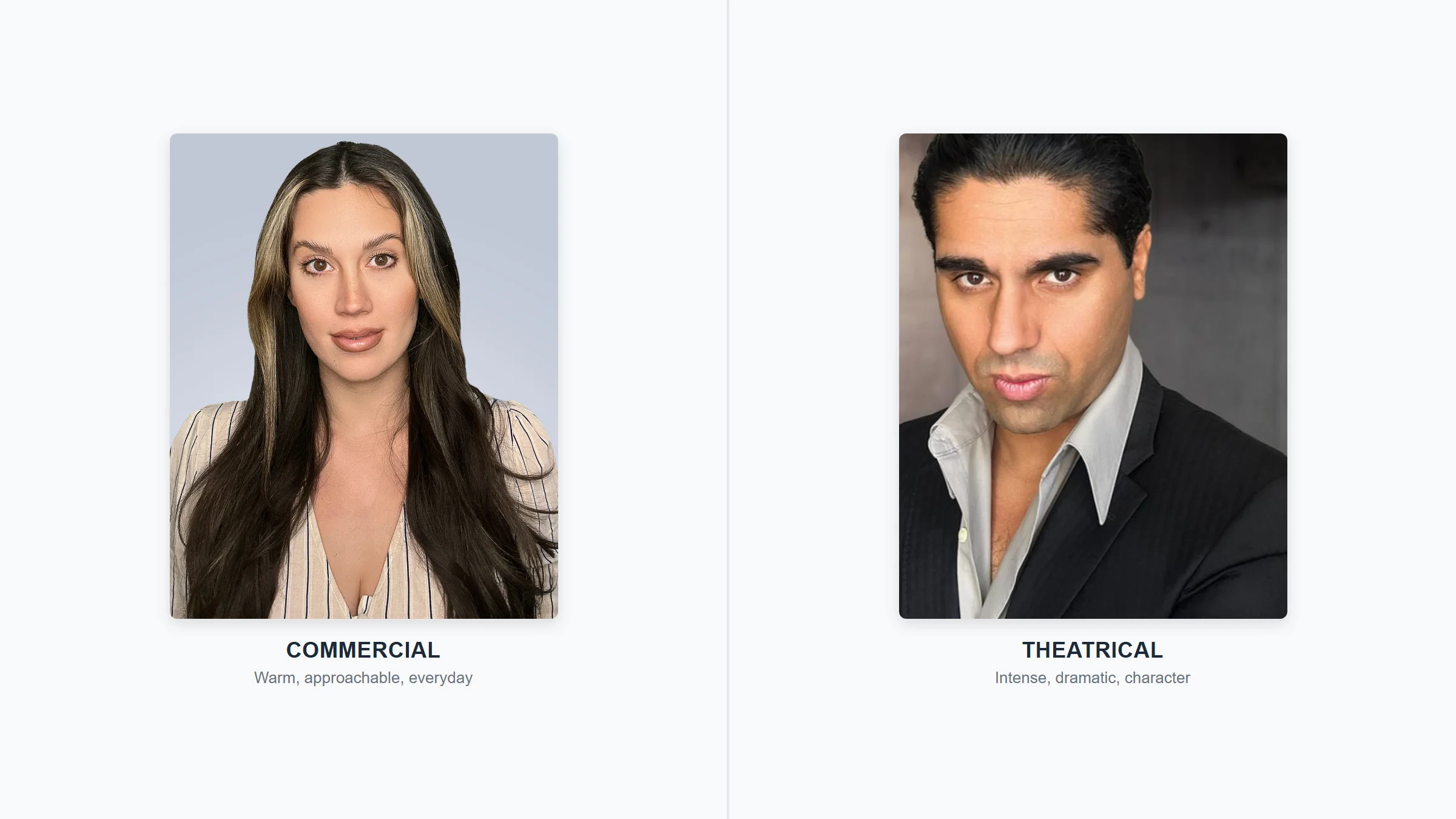
- Acting, modeling, brand ambassador roles—casting directors need to assess visual fit. A headshot isn’t a resume accessory; it’s the primary document.
- Luxury retail and hospitality—some employers request photos for client-facing spokesperson positions.
- Real estate agents—personal branding drives client acquisition. Agents who updated their headshots saw 42% more inquiries per month (Chris Holt Photography, 2024).
- Personal websites and portfolios—if your resume links to a personal site, a professional headshot on that site does the work a resume photo would, without the ATS risk.
For a deeper look at what professional headshots actually involve, our full guide covers the process from wardrobe to delivery.
When to Skip the Resume Photo
If you’re applying to US, UK, Canadian, or Australian employers through any online system, leave the photo off. Here’s why the data is clear on this.
Bias Is Real and Measurable
The beauty premium in hiring is documented across decades of research. Daniel Hamermesh’s foundational work found that plain-looking people earn 5–10% less than average-looking people, who earn less than attractive people (Hamermesh & Biddle, American Economic Review, 1994). A meta-analysis of field experiments showed white applicants receive 36% more callbacks than Black applicants and 24% more than Latino applicants—with no change in this pattern over 25 years (Quillian et al., PNAS, 2017).
Adding a photo to your resume hands reviewers demographic information before they read a single qualification. Some companies strip photos from applications before forwarding them. Emma Sestic, Associate Director at Robert Half, explains their approach: “If you do apply with your picture on your CV, we edit it off prior to sending it off for any roles we are recruiting for with our clients. This way, the hiring manager can just focus on the skills at hand” (Robert Half, 2025).
ATS Will Reject Your Formatting
Most large US employers use applicant tracking systems to screen incoming applications. Recruiters spend an average of 7.4 seconds on an initial resume review (TheLadders Eye-Tracking Study, 2018). But before those 7.4 seconds happen, the ATS has to successfully parse your resume into a structured format. Photos embedded in documents create parsing errors—shifted text, garbled fields, missing data. About 43% of all ATS rejections occur due to formatting problems (Scale.jobs, 2025).
The math is simple: don’t risk an auto-rejection over a photo that won’t influence the hiring decision anyway.
Government and Federal Positions
Federal jobs in the US explicitly prohibit photos on applications. Equal opportunity requirements are strictly enforced, and including demographic-revealing information can disqualify your application outright.
Your headshot belongs on LinkedIn, not your resume. Capturely delivers 3 professionally edited headshots in 24 hours—perfect for LinkedIn, email signatures, and company directories. 10-minute virtual session, no studio visit needed. Get your headshot →
Resume Photo Guidelines: Specs for When You Need One
Applying in Germany, Japan, or another photo-expected market? Here’s how to do it right. A bad photo on a resume is worse than no photo—71% of recruiters have rejected candidates based on unprofessional photos (SalesSo, 2026).

Technical Specifications
| Specification | Recommendation |
|---|---|
| Dimensions (digital) | 800×1000 px minimum; 1:1 for LinkedIn, 4:5 for printed CVs |
| Print size (EU standard) | 3.5 × 4.5 cm at 300 DPI |
| File format | JPEG for resumes; PNG for LinkedIn (lossless) |
| File size | Under 8 MB |
| Background | Solid white, light gray, or soft blue—solid backgrounds boost trust by 41% |
| Framing | Head and shoulders; face fills 60–70% of frame |
| Expression | Natural smile, direct eye contact |
| Attire | One level above the role’s dress code |
| Placement on CV | Top-right corner (European standard); top-left in some Asian formats |
| Update frequency | Every 2–3 years maximum |
What to Wear for Your Resume Photo
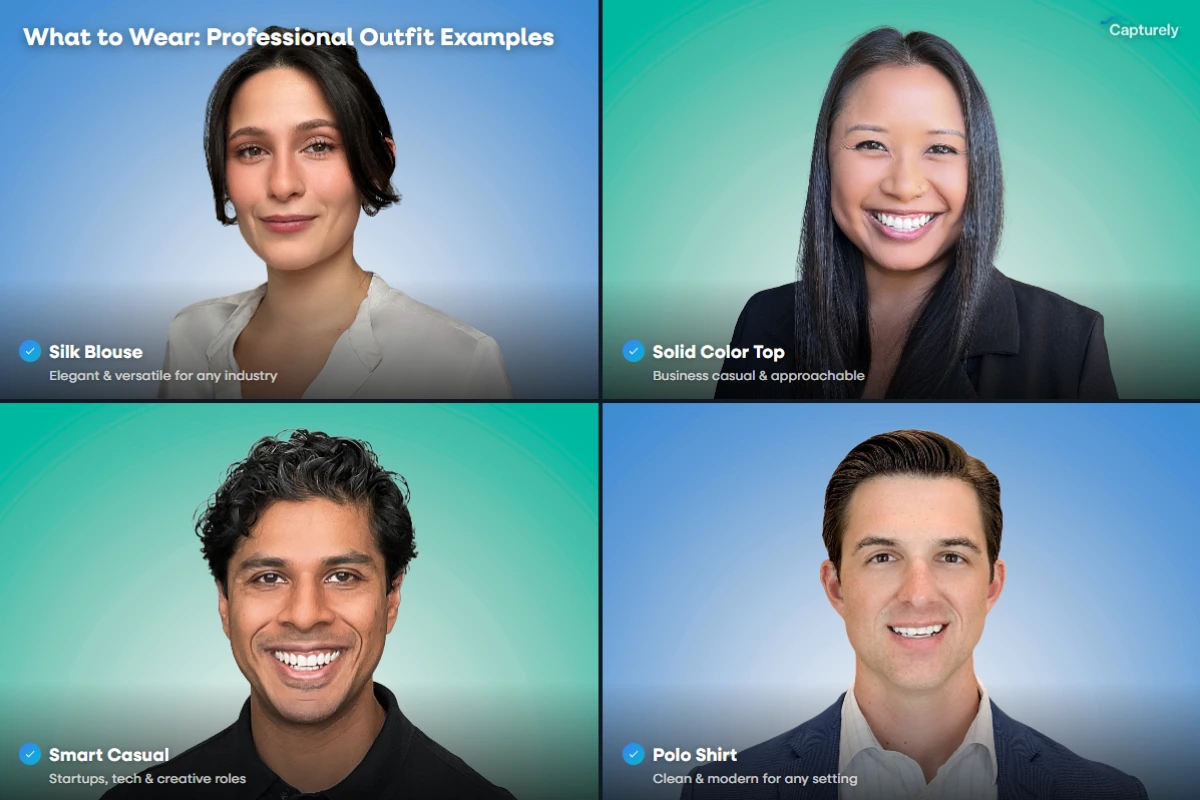
Wardrobe has the single largest impact on how your photo is perceived. The PhotoFeeler study (2014) analyzed 60,000+ ratings across 800 profile photos and found that formal dress increased perceived competence by +0.94 and influence by +1.29 on a normalized scale—the biggest positive shift of any variable tested. Smiling with teeth added +1.35 to likability.
Stick to solid colors in navy, charcoal, or jewel tones. Avoid busy patterns and shiny fabrics—matte textiles like wool and cotton photograph cleanly without creating hotspots. For specific outfit recommendations by industry and gender, our what to wear for professional headshots guide covers colors, fabrics, and accessories in detail.
Common Resume Photo Mistakes
- Cropped group photos. 28% of recruiters specifically flag these (SalesSo, 2026). If someone else’s shoulder is visible, start over.
- Selfies. Front-facing cameras (12 MP) produce noticeably lower quality than rear cameras (36–48 MP). Recruiters notice.
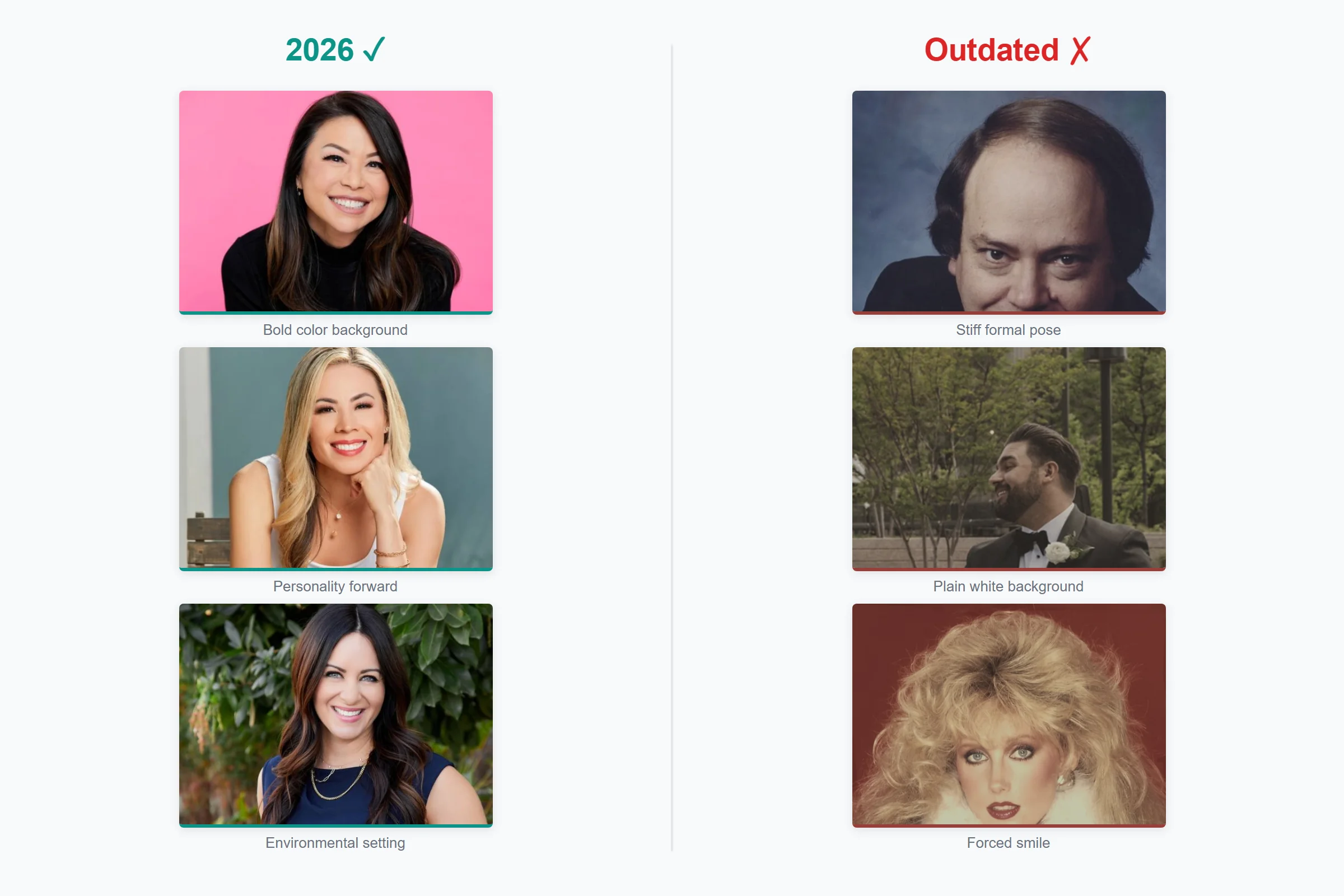
- Outdated photos. A headshot from five years ago creates a trust gap the moment you walk into an interview.
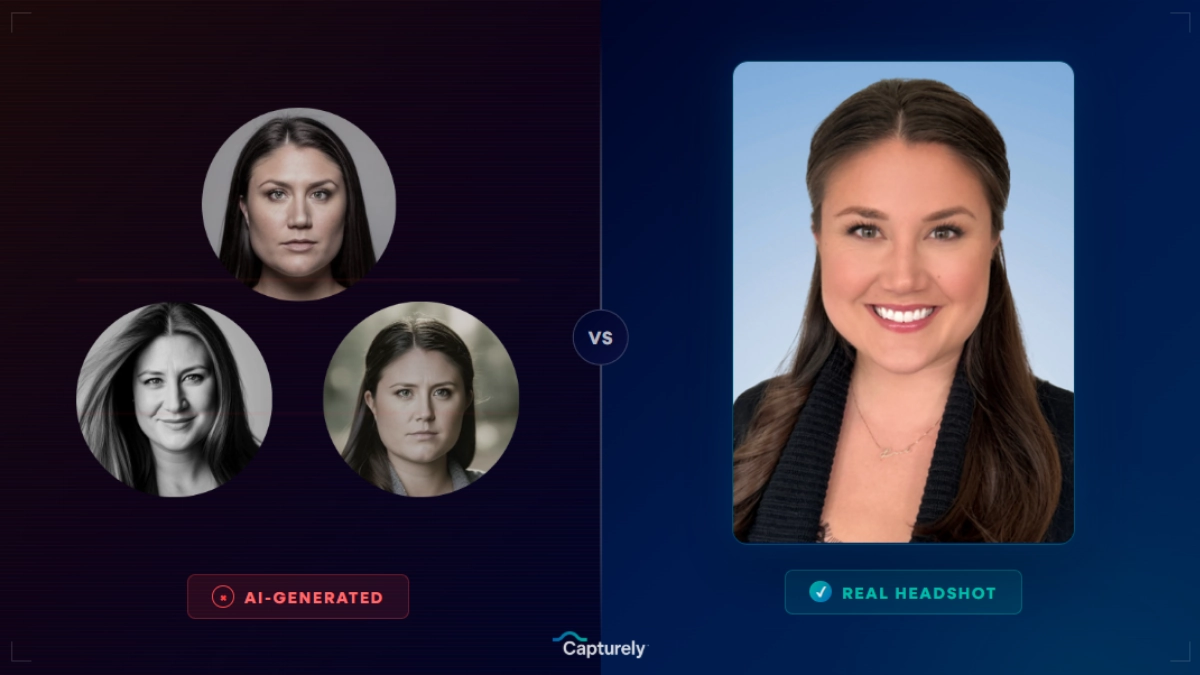
- Over-filtered or AI-generated images. 66% of recruiters report trust destruction upon discovering a headshot was AI-generated (SalesSo, 2026).
- Cluttered backgrounds. Solid backgrounds increase trust ratings by 41% compared to busy environments.
The LinkedIn Loophole: You Might Not Need a Resume Photo at All
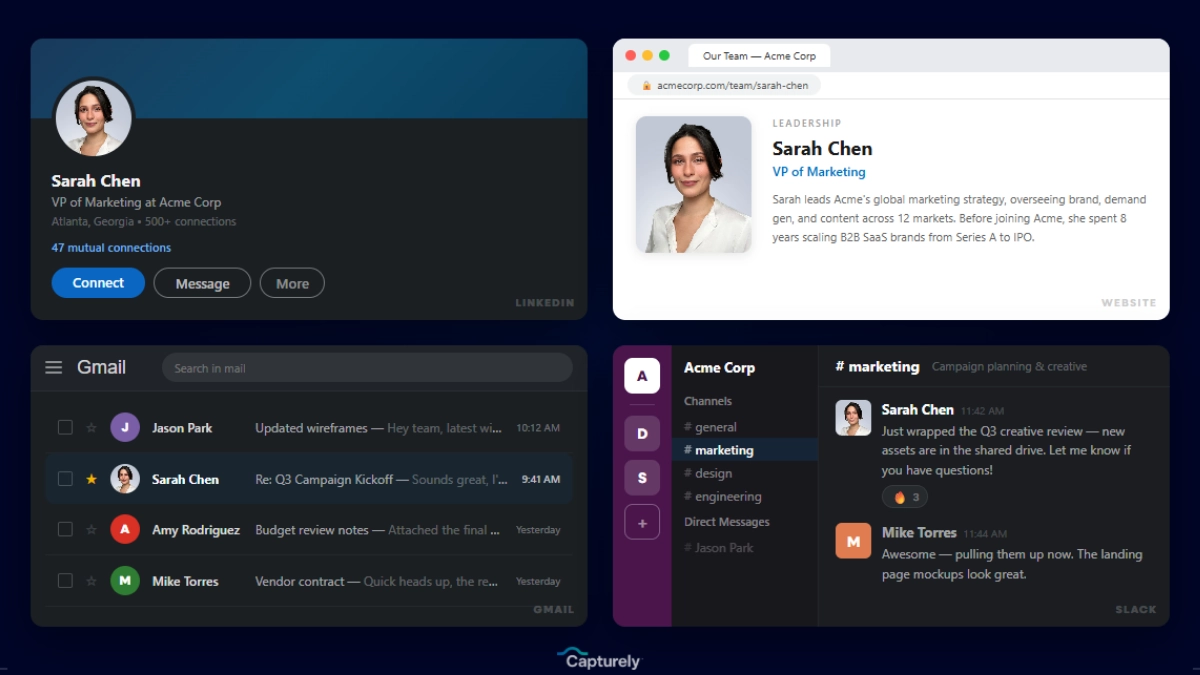
Here’s the strategic angle most resume advice misses: recruiters are already looking at your photo. They’re just finding it on LinkedIn, not your resume.
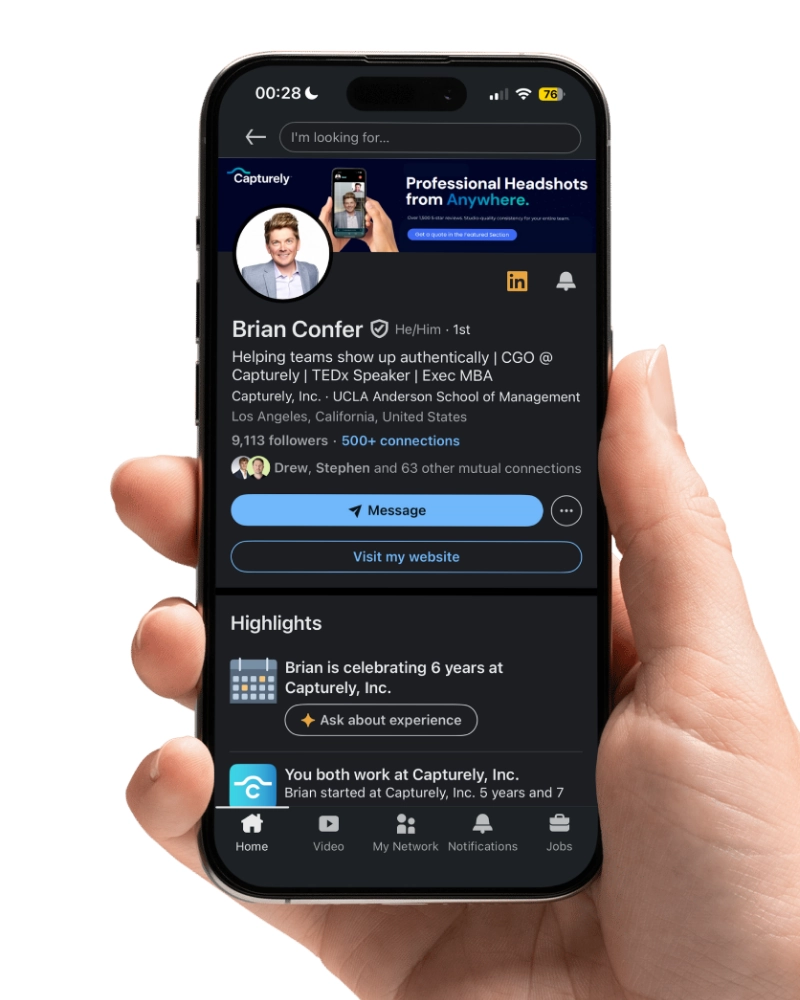
The numbers are staggering. Eighty-seven percent of recruiters say LinkedIn is their most effective candidate vetting tool (Jobvite Recruiter Nation Report, 2023). Seventy percent of employers use social media to research candidates during the hiring process (CareerBuilder, 2018). And 47% say they’re less likely to call a candidate who doesn’t have an online presence at all.
That means most hiring managers will see your face before they ever open your resume. The question isn’t “should I put a photo on my resume?” It’s “is my LinkedIn photo good enough to survive a recruiter’s 30-second profile scan?”
The impact of a strong LinkedIn headshot dwarfs anything a resume photo could deliver:
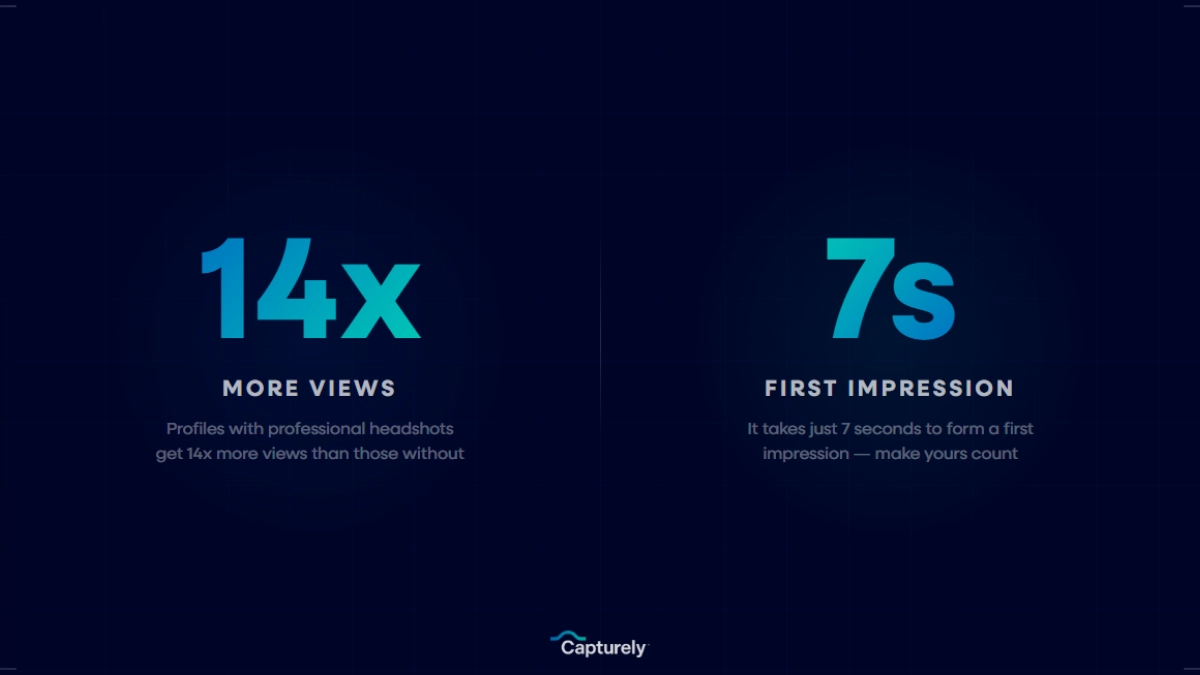
- 14x more profile views compared to profiles without photos (LinkedIn, 2023)
- 36x more messages from recruiters and connections (LinkedIn, 2017)
- 9x more connection requests with a professional photo (LinkedIn internal data)
- 40% more likely to receive interview requests in the first month (SalesSo, 2026)
People form trait judgments from a face in just 100 milliseconds—one-tenth of a second—and longer exposure doesn’t significantly change those snap impressions, only your confidence in them (Willis & Todorov, Psychological Science, 2006). Three days after viewing a profile, people remember 65% of visual content but only 10% of text (SalesSo, 2026).
The strategy is straightforward: skip the resume photo, invest in a professional LinkedIn headshot, and let recruiters find your face where it actually matters. For a complete breakdown of LinkedIn headshot optimization, see our best LinkedIn headshot guide.
How to Get a Resume-Ready Professional Photo
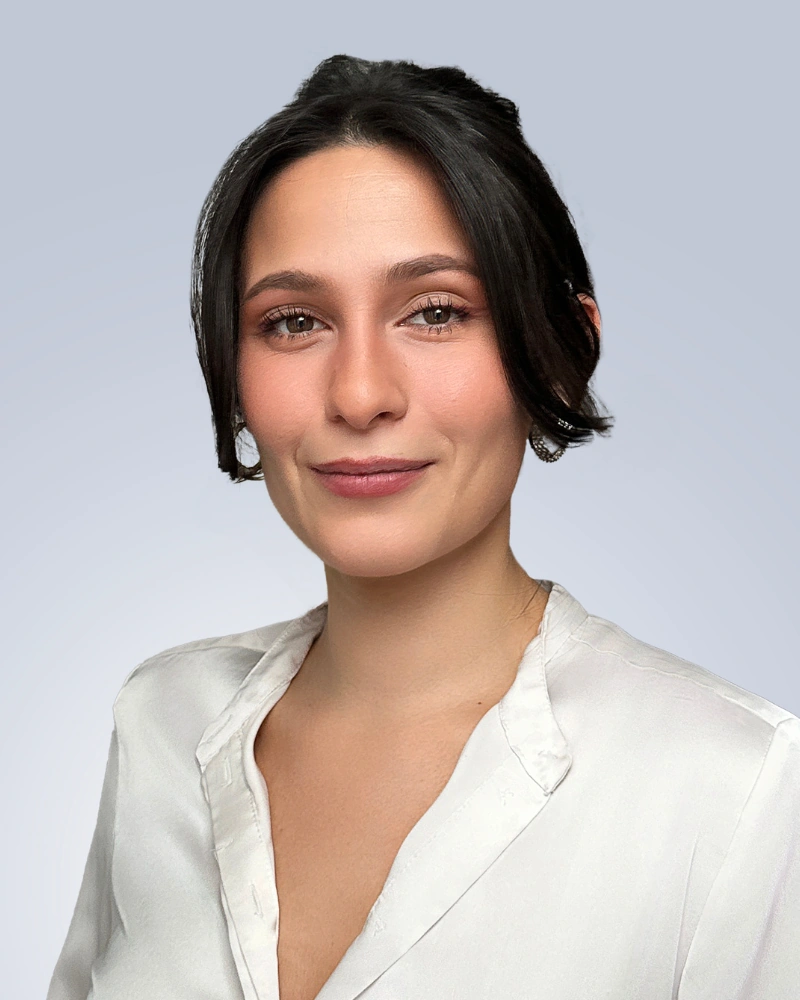
Whether you need a headshot for an international CV, your LinkedIn profile, or both, the quality of the photo matters more than most people realize. Recruiters spend 19% of their resume review time looking at the photo when one is included (TeamStage, 2024). That’s roughly 1.4 seconds of a 7.4-second review. Make them count.
Your Options, Compared
| Method | Cost | Quality | Turnaround | Best For |
|---|---|---|---|---|
| DIY (phone selfie) | Free | Low—front camera, no direction | Instant | Temporary placeholder only |
| AI headshot generator | $20–$50 | Looks polished but not real—66% recruiter trust loss when discovered | Minutes | Low-stakes internal profiles |
| Traditional studio | $150–$450+ | High—controlled lighting, pro equipment | 1–4 weeks | Executive headshots, actors |
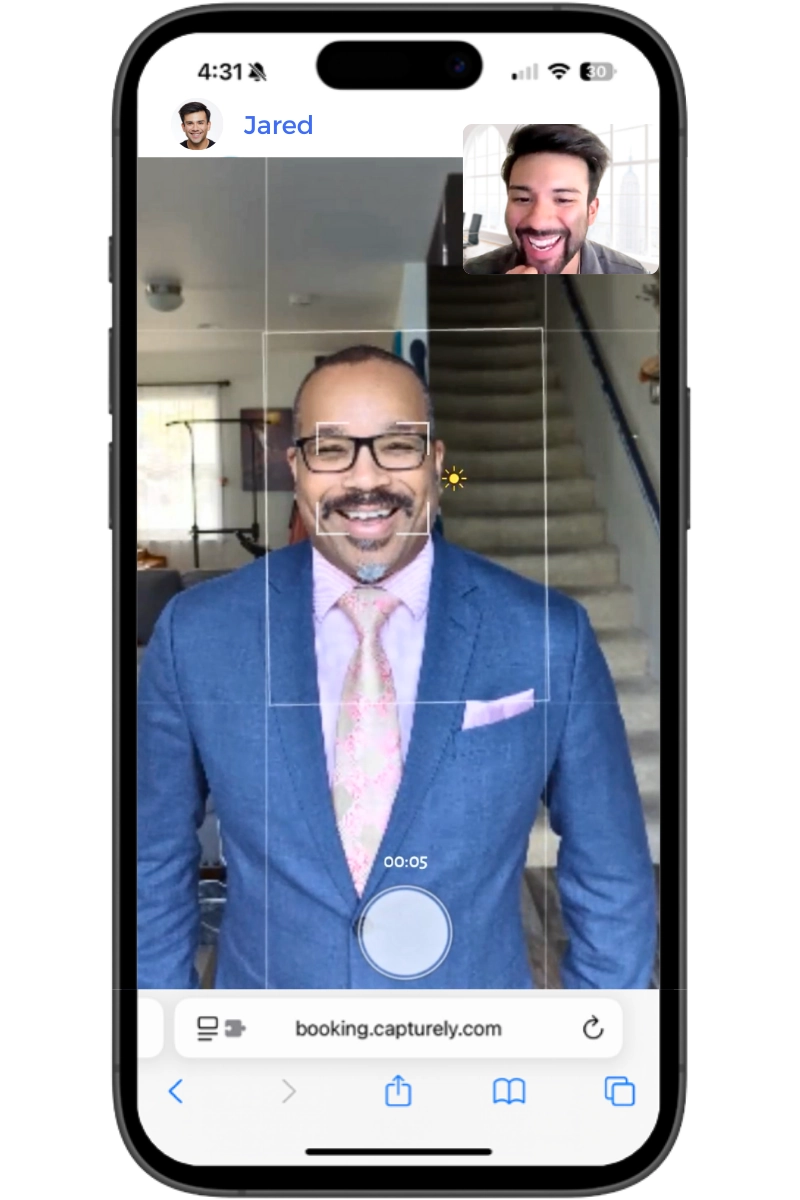
| Capturely virtual session | $79/session ($45–$79 for teams) | Professional—live photographer directs via rear camera (36–48 MP) | 24 hours | LinkedIn, resume, email sig, directories |
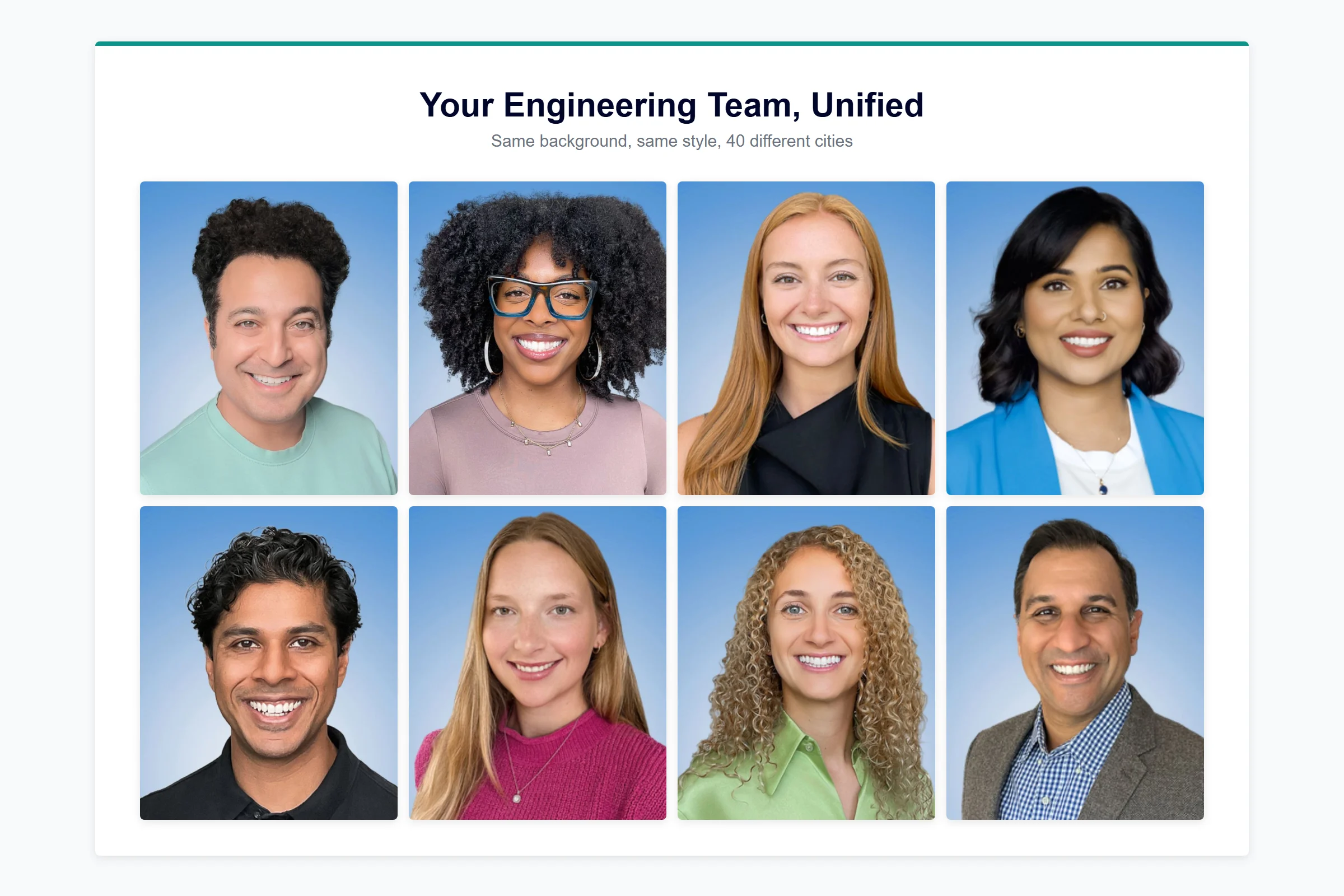
Capturely’s virtual sessions work well for job seekers because they eliminate the scheduling and travel friction of studio photography while delivering genuinely professional results. You open a link on your phone, connect with a live photographer who coaches your posture, expression, and lighting in real time, and receive 3 fully edited headshots within 24 hours. No app download required. Choose from 98+ backgrounds, and the happiness guarantee means unlimited retouching revisions until you’re satisfied.
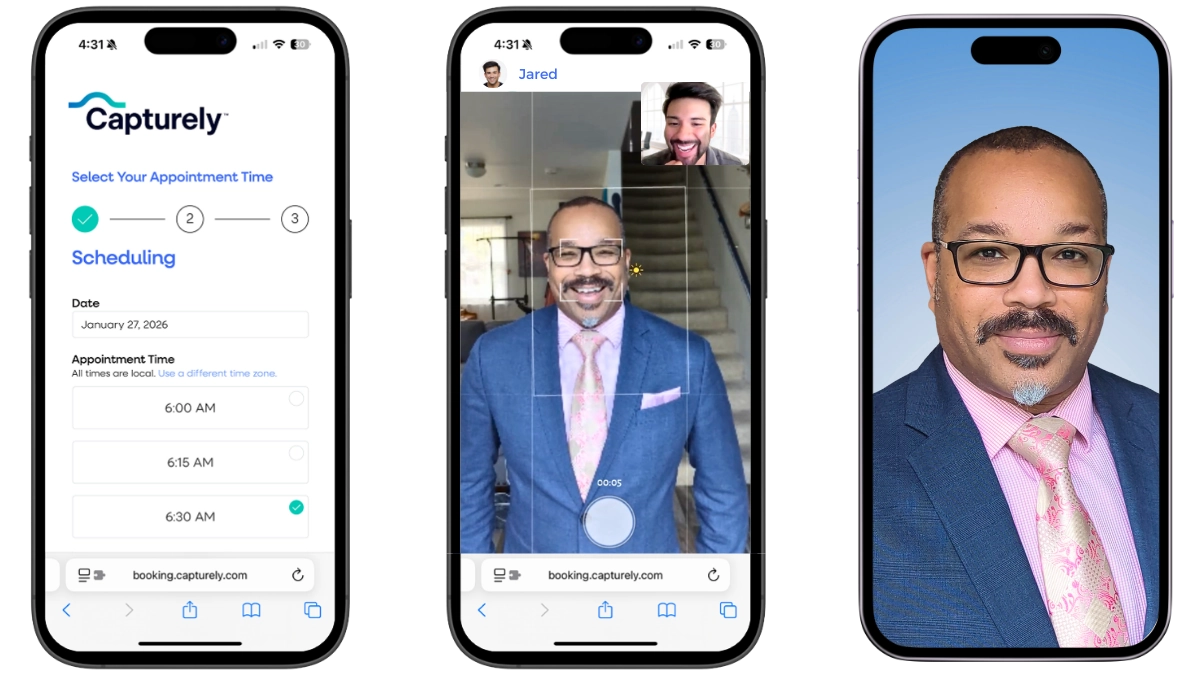
The photos work across every platform—LinkedIn, international CVs, email signatures, company directories, and personal websites. One session, every use case covered. For full pricing details, see our professional headshot cost breakdown.
For more on where a professional headshot delivers the most impact beyond your resume, our where to use professional headshots guide covers the seven highest-value placements.
One headshot, everywhere it matters. Capturely’s 10-minute virtual sessions deliver 3 edited photos for LinkedIn, resumes, email signatures, and more. 765+ reviews at 4.9 stars. Teams at Google, Amazon, McKinsey, and Capital One trust it. Book your session →
Resume Photo vs. LinkedIn Photo: Are They the Same?
Not exactly. While the same professional headshot can work for both, the technical specs and strategic purpose differ.
| Dimension | Resume Photo | LinkedIn Photo |
|---|---|---|
| Aspect ratio | 4:5 (portrait) for printed CVs | 1:1 (square), 400×400 px minimum |
| Purpose | Put a face to the name on a document | Drive profile views, connection requests, recruiter messages |
| Visibility | Seen only if resume is opened | Visible in search results, messages, comments—everywhere |
| Impact | Debatable; can introduce bias | 14x more views, 36x more messages (LinkedIn, 2023) |
| ATS risk | Yes—can cause parsing failures | None—LinkedIn handles formatting |
| Countries where relevant | Germany, Japan, France, China, Middle East | All countries, all industries |
The bottom line: invest in a quality headshot that works across both formats, but only place it on your resume if the country and industry norms call for it. For US job seekers, LinkedIn is where that photo earns its return on investment.
For more on building a complete personal branding photography strategy beyond just the headshot, we cover the full visual identity approach. And for LinkedIn-specific optimization, our LinkedIn photo tips guide walks through what makes recruiters click.
Frequently Asked Questions
Should I put a professional photo on my resume in the US?
No. In the United States, resume photos are discouraged because they can trigger unconscious bias, cause ATS parsing errors that auto-reject your application, and provide no information about your qualifications. Up to 88% of resumes with visual elements are discarded by applicant tracking systems before a human reviews them (JobSolv, 2025). Put your professional headshot on LinkedIn instead, where 87% of recruiters actively search for candidates.
Which countries require a photo on a resume or CV?
Germany, Japan, South Korea, China, Spain, Italy, and most Middle Eastern countries expect or require CV photos. France and India treat them as common but optional. The United States, United Kingdom, Canada, Australia, and Ireland discourage resume photos due to anti-discrimination laws. When applying to a foreign company’s local office, follow the headquarters country’s norms, not the local market’s.
What size should a professional photo for a resume be?
For digital CVs, use at least 800×1000 pixels in JPEG format. For printed European CVs, the standard is 3.5×4.5 cm at 300 DPI. LinkedIn requires a minimum of 400×400 pixels in a square (1:1) format. The face should fill 60–70% of the frame with a solid-colored background. File size should stay under 8 MB.
Does putting a photo on my resume help or hurt my chances?
In US, UK, and Canadian job markets, it typically hurts. Research from Ben-Gurion University found that resume photos introduced unpredictable bias—helping attractive men but hurting women regardless of attractiveness (Ruffle & Shtudiner, Management Science, 2015). In countries where photos are expected (Germany, Japan, China), omitting one can hurt your chances more than a mediocre photo. Quality matters everywhere: 71% of recruiters have rejected candidates over unprofessional photos.
Is it okay to use an AI-generated headshot on my resume?
Risky. While 76.5% of recruiters preferred AI headshots when unaware of their origin, 66% reported trust destruction after discovering photos were AI-generated (SalesSo, 2026). AI headshots create a disconnect when you meet someone in person and look different from your photo. Several Fortune 500 companies now require genuine photographs for professional materials. A 10-minute virtual session with a real photographer produces authentic results without the trust risk.
How does a LinkedIn headshot compare to a resume photo?
A LinkedIn headshot delivers far more measurable impact. LinkedIn profiles with professional photos receive 14x more views, 36x more messages, and 9x more connection requests (LinkedIn, 2023). Since 87% of recruiters use LinkedIn as their primary candidate vetting tool, a strong headshot there puts your face in front of hiring managers without the ATS risk or bias concerns of a resume photo. Invest in the LinkedIn headshot first.
What should I wear in a resume photo?
Wear solid colors one level above the role’s dress code. Research from PhotoFeeler (2014) found that formal attire increased perceived competence by +0.94 and influence by +1.29 on a normalized scale. Navy, charcoal, and black work for most industries. Avoid busy patterns, shiny fabrics, and large accessories. Bring 2–3 options if working with a photographer so they can advise based on lighting and background.
How often should I update my professional headshot?
Every two to three years, or immediately after a significant appearance change—new glasses, different hairstyle, weight change. Recruiters and clients form trust based on photo-to-person consistency. An outdated headshot creates a credibility gap the moment you meet someone in person. Capturely’s session credits are valid for one year, making it easy to refresh when your look changes.
Ready for a headshot that works everywhere? Capturely’s virtual sessions deliver professional, real-photographer-directed headshots in 10 minutes. $79/session, 24-hour delivery, 98+ backgrounds, happiness guarantee. Schedule your session →